








Getting the Work Done
Utah’s chapter of the American Subcontractors Association looks to ramp up activity after Covid disrupted its debut. By Emma Penrod
Rumors of a coming recession could tempt workers and subcontractors to try to protect the work they have by putting up walls and avoiding “the competition.” But the Utah chapter of the American Subcontractors Association (ASA) has a different message: strength in numbers.
“A lot of people, and especially the youth coming, don’t see the camaraderie anymore,” ASA Utah Board President John “Dee” Grow said. “It’s all a competition, or they feel that you’re the enemy. That’s what’s nice about the ASA—the drywaller isn’t my enemy. The electrician isn’t my enemy.”
A group of local subcontractors started the Utah ASA chapter shortly before Covid, after a loosely organized group of subcontractors who aimed to lobby for the profession in Utah dissolved, according to David Halverson, a member of the chapter’s current board. The new chapter hoped to continue lobbying for issues such as retention, indemnity, and “paid-when-paid” laws, but they also aimed to offer training, education, and networking opportunities for local contractors, Halverson said.
Although the pandemic put a damper on things initially, the chapter—which currently has about 30 members—is looking to increase its membership and ramp up its in-person offerings in the months and years ahead, Grow said.
Training for Success
Some of the most successful events held so far have included legal training covering contracting, bonds, and liens, according to ASA Utah Executive Director Erika McCoy. Recent labor shortages have hit subcontractors as hard as anyone else, creating a need for more training. But just because someone has training in the trades, doesn’t mean they’ve had training in the legal and contractual questions that arise when working as a subcontractor, Halverson said.
“We’re identifying those areas that need training, not only with the tradespeople but with the business owners and the training that they need to be successful,” Halverson said. “All of us win—subcontractors, the construction world, and even the public—when contractors become better and more educated, more knowledgeable, and more professional.”
But these workshops aren’t just for beginners, Grow said. Even Grow himself, who has owned and operated Grow Painting, Inc, said he learned something at each of the workshops, which allow time for a Q&A with the lawyers offering the training.
Having a variety of trades in the same room creates further opportunities for growth and innovation, Grow said, because even though the state’s contractors are all going through the same kinds of circumstances together, they might have a different approach to a similar problem. Take the current supply chain crisis. A subcontractor in another trade may have encountered a slightly different set of delays and shortages, which might have given them a unique insight into how to adapt or navigate yours, Grow said.
“I do heating and plumbing and there are strong associations on both sides,” said Halverson, President and Owner of Halverson Mechanical. “But it’s been very interesting and beneficial to have everything from painting to masonry and tile work to speak and address and raise issues in our industry.”
Bringing the trades together should also give ASA Utah a leg up in the state legislature, where they hope to address issues such as removing retention from bonded projects and ensuring general contractors abide by existing laws regarding the interest on retention accounts.
“It’s not, ‘Hey, if you want to work you should abide by my rules,’” Grow said. “It should be, “You abide by the rules that are governed by the state of Utah.’ We need to get all kinds of stuff” through the state legislature. But when the trades are represented individually at the capitol, Grow said, these kinds of higher-level issues that affect all subcontractors tend to fall by the wayside.
“We like to be problem solving, anywhere from subs, generals, and suppliers,” Grow said, speaking to how ASA wants to be on the cutting edge and help teams collectively get ahead of their problems. “Because when a job runs with less problems, people make more money.”
Stronger Together
While many of the chapter’s current goals strike a serious chord, the board also has plans in the works to offer some just-for-fun programming, Grow said. The chapter has previously held a trap shoot, as well as raffles and meet and greets, to promote socializing, and plans to host more such events in the future as the situation with Covid-19 stabilizes.
These events not only help to build a sense of personal camaraderie between the state’s subcontractors, Grow said, but they’ve also invited some of Utah’s general contractors to open houses and forums in order to let both groups get to know each other outside work—and possibly build some long-term connections for jobs down the road.
“To be able to get the ear, if you will, of some of the bigger players in the general contracting world as we go to them and say, ‘Here are some of our challenges and opportunities.’ [...] It has been beneficial,” Halverson said. “Some of the general contractors and their management teams have been very helpful and have given us the time and energy to listen to our solutions or our view of certain challenges.”
And while either the current overflow of work or the threat of a recession-triggered downturn could inspire feelings of resentment between workers, the trades, or contractors and subcontractors, McCoy said ASA is currently well-positioned to head off such divisions and promote a sense of cooperation that should benefit everyone.
“Construction is definitely busy, and now would be the perfect time for people to join because they are so busy and it’s easy to focus on getting the work done,” McCoy said. “But they need a voice—that means we can stay ahead and maybe avoid problems and pitfalls before we are in a crisis.”
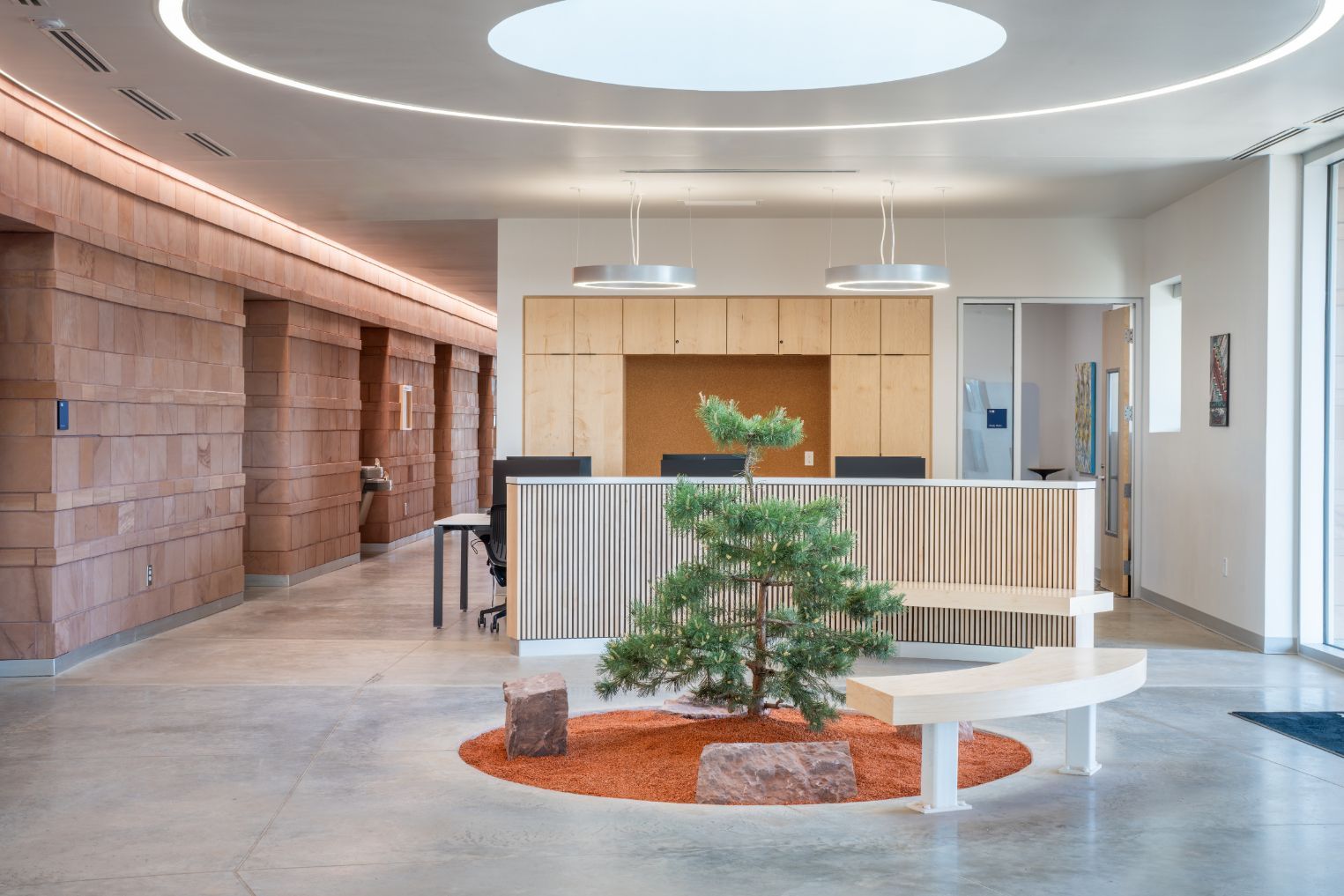
Utah State University’s new Monument Valley Academic Building showcases the power of cultural alignment in creating a harmonious, purpose-filled facility. By Taylor Larsen
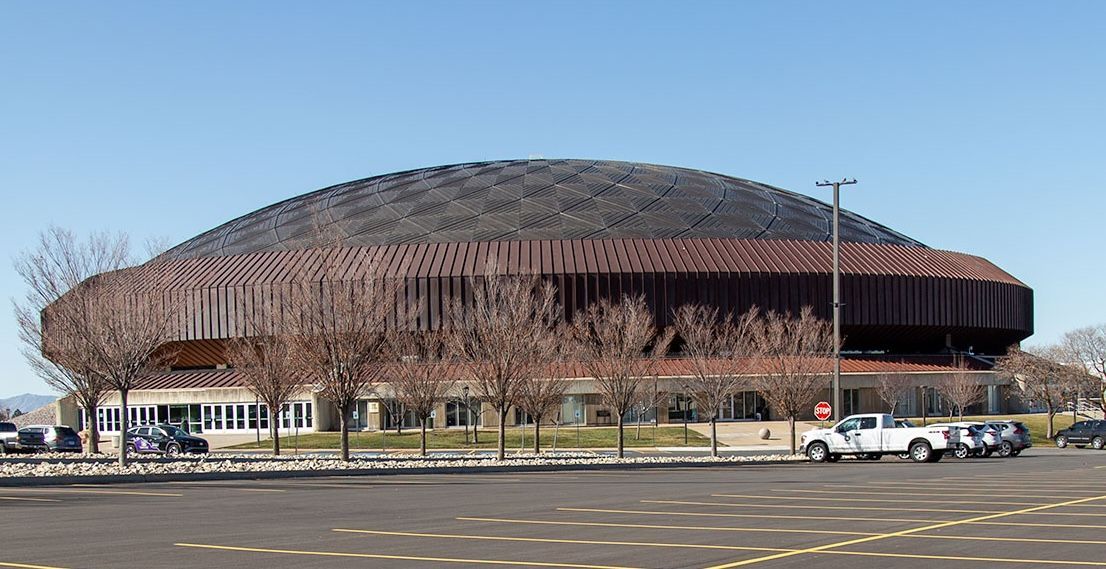
An extensive $18.5 million upgrade of mechanical, electrical, and plumbing systems adds 30 years of life to Weber State's popular Dee Events Center By Milt Harrison
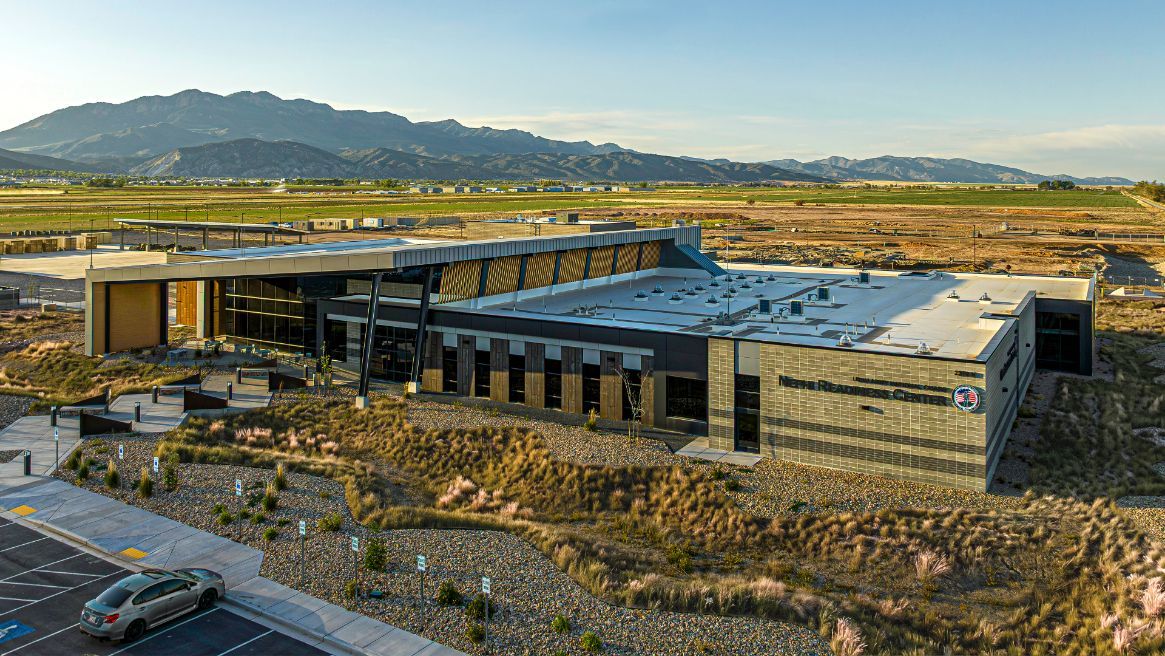
New Utah National Guard Readiness Center in Nephi combines military functionality with a resilient, all-electric design and an eye toward long-term sustainability. By Milt Harrison
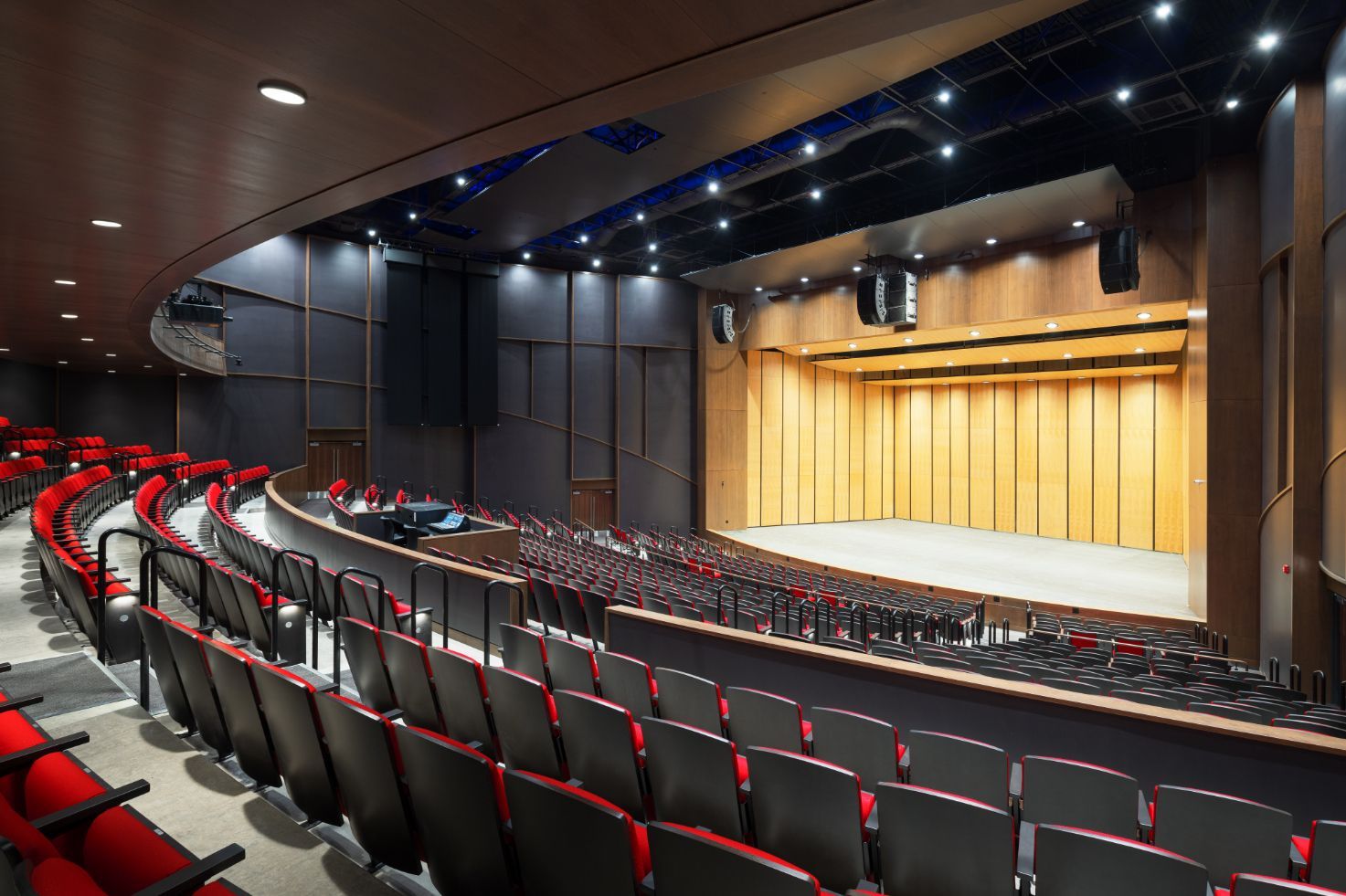
Utah Tech’s dazzling new America First Performing Arts Center transforms a 40-year-old venue through innovative adaptive reuse, technical modernization, and a renewed commitment to community. By Bradley Fullmer
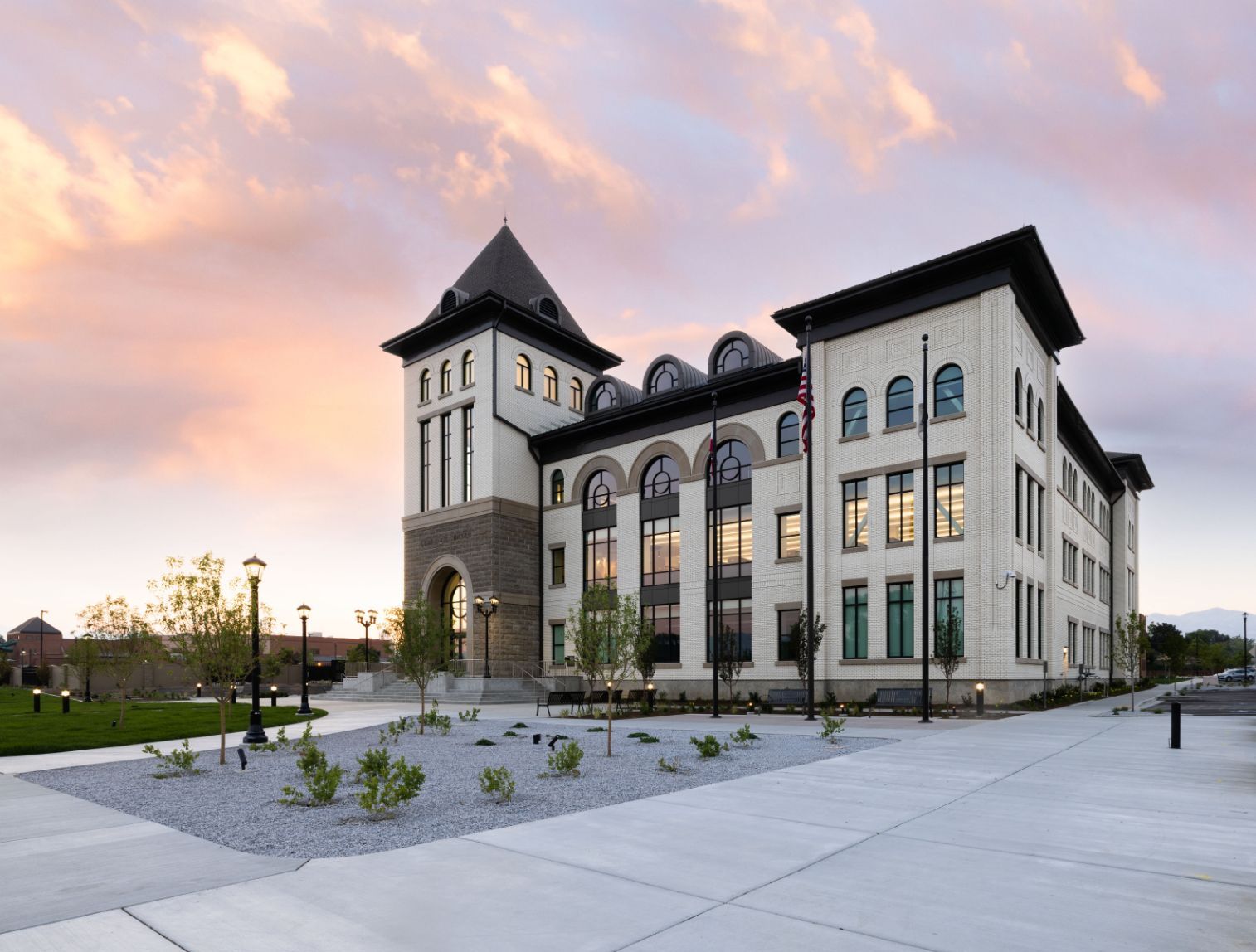
Lehi Civic Center blends historic character with a modern vision for one of Utah’s fastest-growing communities. By Milt Harrison

Big-D Signature has summited mountain peaks and treacherous terrain, building luxury residences and stellar resorts across the West over the last 25 years. By Taylor Larsen
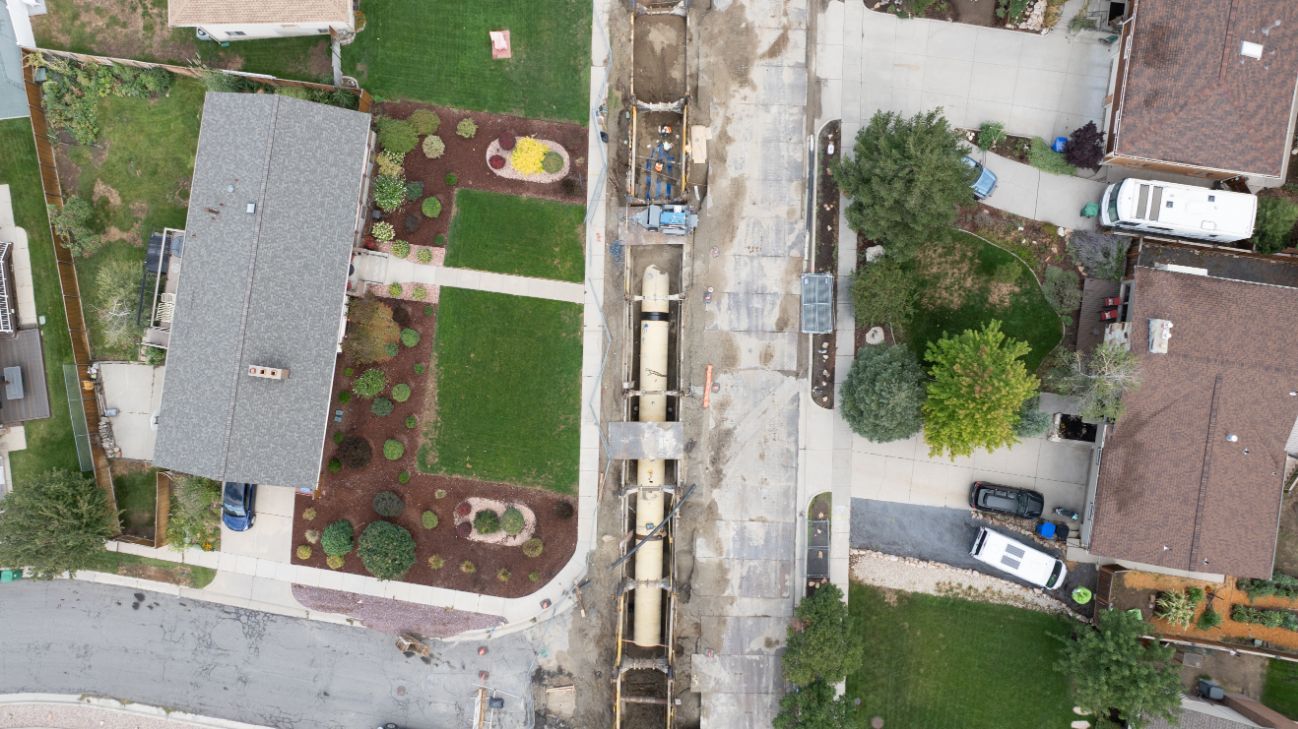
Whitaker Construction tackles myriad challenges including deep excavations, a massive steel pipeline, and a maze of existing utilities on this generational $57 million project connecting Big and Little Cottonwood Water Treatment Plants. By Bradley Fullmer
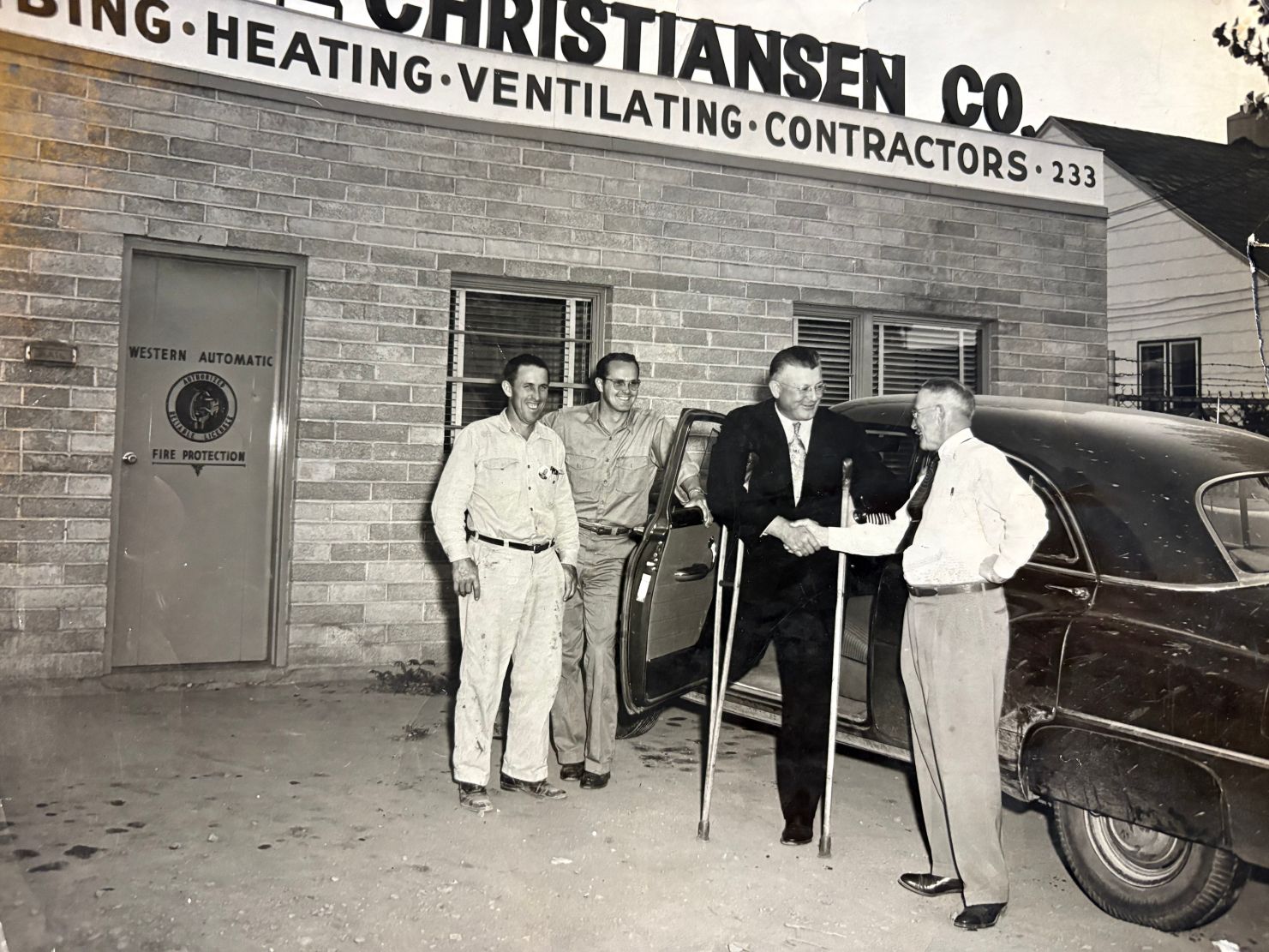
Palmer-Christiansen marks 80 years of mechanical excellence. By Bradley Fullmer
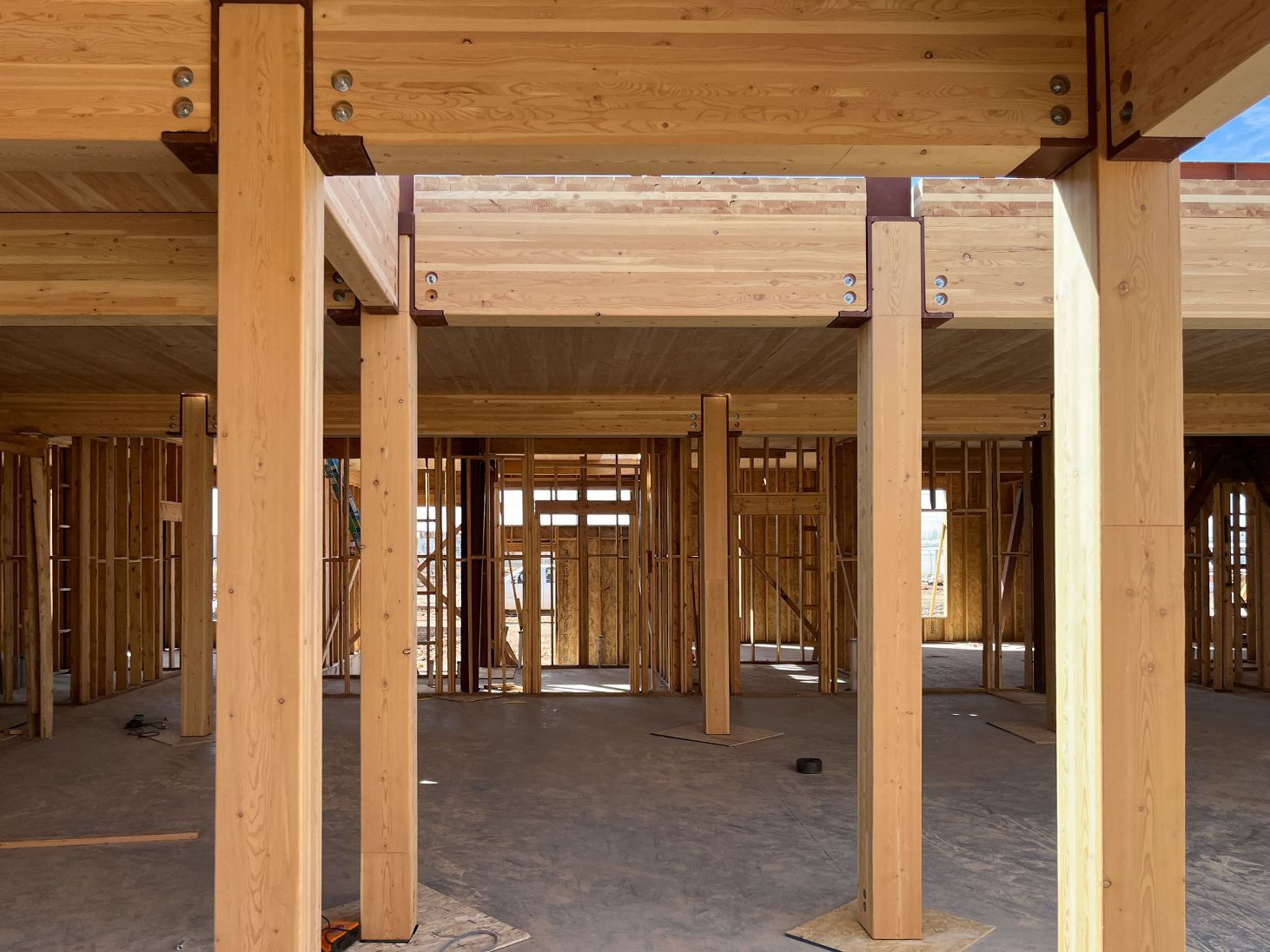
Well over a decade since mass timber began gracing Utah’s commercial projects, the question remains: what will it take for mass timber to become commonplace? By Taylor Larsen
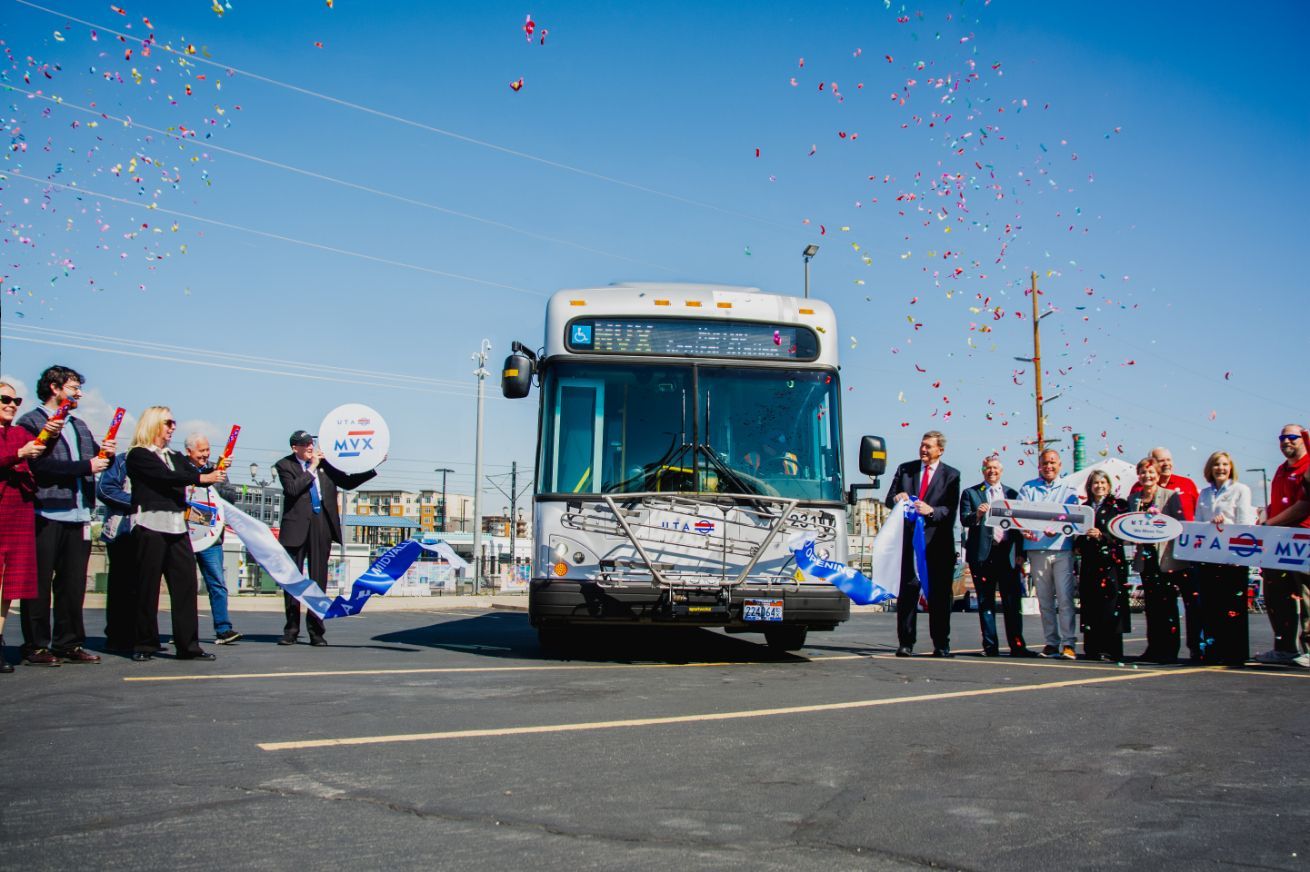
New Midvalley Express BRT line showcases the impressive collaboration required to deliver 25 stations and further connect the mid-valley to an expanding public transit network. By Taylor Larsen