Palmer-Christiansen marks 80 years of mechanical excellence.
By Bradley Fullmer
Construction companies are accustomed to measuring success by the next project, the next bid, or the next deadline. Few have the luxury—or perspective—to look back across eight decades of work. Fewer still can trace that history through four generations of the same family.
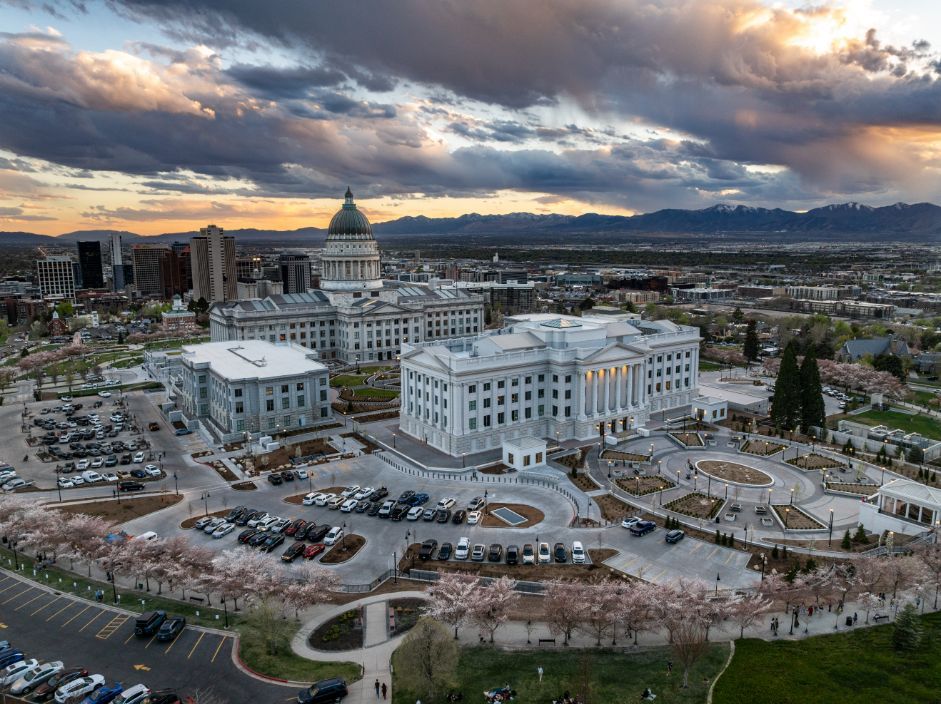
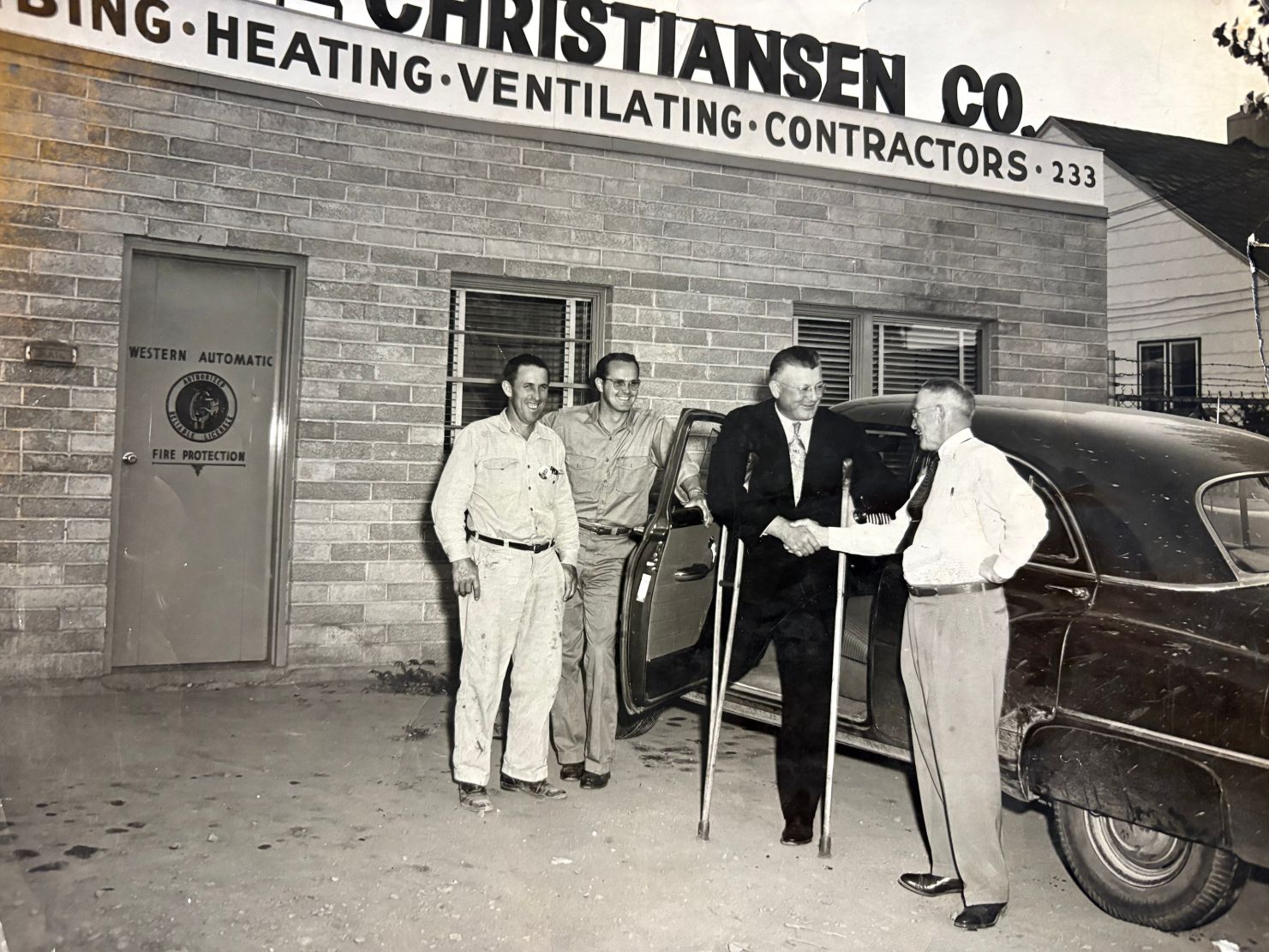
When Harold Christiansen and Val Palmer founded Palmer-Christiansen Company in Salt Lake City in 1946, they couldn't have imagined the role their fledgling mechanical contracting firm would eventually play in shaping Utah's built environment. Over the next 80 years, the company would help construct many of the state's most recognizable hospitals, hotels, research facilities, universities, semiconductor plants, and sports venues. Along the way, it would quietly earn a reputation as one of Utah's premier mechanical contractors—not by becoming the largest, but by becoming one of the most trusted.
That distinction wasn't accidental.
From its earliest days, Palmer-Christiansen embraced a philosophy that has remained remarkably consistent through four generations of family leadership: pursue quality over quantity, establish long-term relationships over volume, and prioritize technical excellence over low bids.
"We never wanted to be the biggest company," said Brett Christiansen, 61, current President and third-generation leader. "We just wanted to make money, do a good job for our customers, and have some fun."
"We are a small company that does large projects," added Harold W. 'Hal' Christiansen, 88, Brett's father who served as President from 1985-2010. "It was fun to build those buildings. I'm proud of the work we did."
It is a deceptively simple philosophy that has carried the company through recessions, changing markets, labor shortages, technological revolutions, and an industry that has seen many long-established contractors merge, consolidate, or disappear altogether.
Today, Palmer-Christiansen stands as one of Utah's few remaining fourth-generation, family-owned contractors.
Slide title
Val Palmer and Harold Christiansen stand outside their office. (All photos courtesy Palmer-Christiansen)
Button
Built on Opportunity
While the company's roots stretch back to the year after World War II ended, Harold Christiansen understood hard work long before he understood business. After his father died, Harold left school at age 15 to help support his mother and younger siblings, eventually learning the plumbing trade during the 1930s.
He worked for Whitely Palmer, which was co-owned by Val Palmer, whose family had been involved in the industry since the late 19th century through the A.H. Palmer Company.
After World War II, Whitely retired and Harold proposed to Val the idea of going into business together, forming Palmer-Christiansen. Brett said his grandfather handled operations, with Palmer serving as the financial backer.
The young company found success in the K-12 market and other smaller commercial projects across the Wasatch Front. It wasn't glamorous work, but it built something more valuable than a project portfolio—it built trust with clients and a reputation as a contractor who did quality work.
That reputation became the foundation upon which future generations would expand the business. Harold's son, Hal, grew up around construction, spending his summers working alongside his father, starting with the company at age 14. After high school, Hal earned a Bachelor of Mechanical Engineering from the University of Utah in 1960. Hal entered the U.S. Navy Civil Engineer Corps, serving three-and-a-half years on active duty before returning home.
He felt obligated to follow in his father’s footsteps, and when offered a position in the company in 1964, he accepted.
"It was certainly his expectation and at the time and it seemed like a good opportunity for me," said Hal. "It turned out well. I didn't have any brothers, so if I had not come on board, I don't think the company would have grown to where it is today. He was never interested in being a big company."
Hal's arrival marked the beginning of a pivotal chapter in the company's history.
Slide title
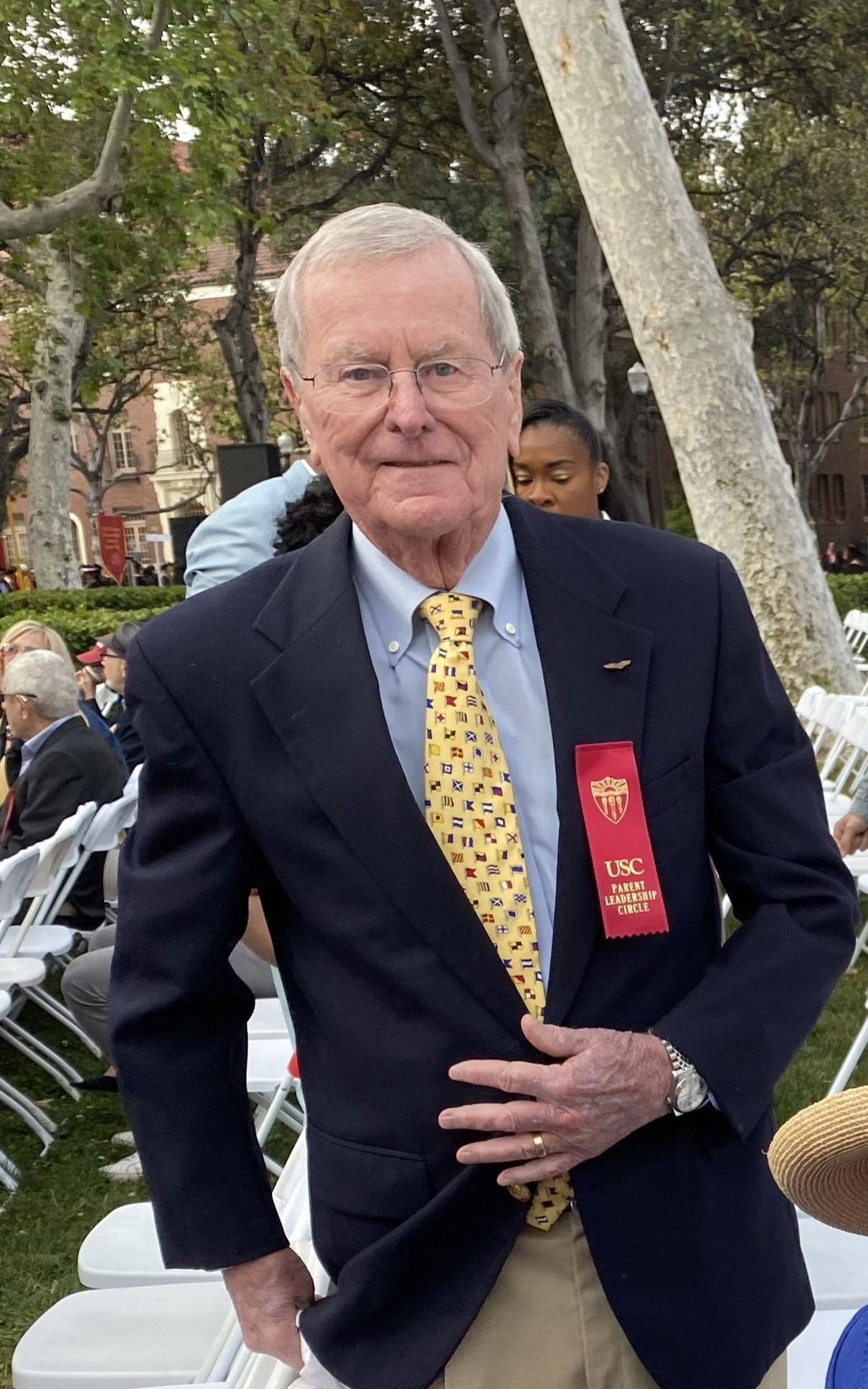
Second-generation leader Hal Christiansen took the firm to new heights during his tenure as President.
Button
Changing the Company's Trajectory
By the mid-1960s, Hal recognized that the market Palmer-Christiansen had relied upon for nearly two decades was changing. The K-12 market was becoming increasingly competitive, margins were tightening, and growth opportunities were shifting toward institutional and healthcare projects that required more sophisticated mechanical systems. Rather than continue to chase volume, the company made a strategic decision that would define its future.
"Working on schools became not as profitable," Hal recalled, "so we moved the company into more institutional work—higher education and healthcare. We've done a lot of healthcare. We did the LDS Hospital reconstruction in the early '80s. We worked at BYU during the '60s and '70s, and we've done a lot of work at the University of Utah."
That transition transformed Palmer-Christiansen into a highly specialized mechanical contractor capable of tackling large, sophisticated projects. It also established a business model that took the company from a small, school plumbing contractor into the large project contractor of today.
"Easy work is not profitable, especially when you're a union contractor," Hal added. "We perform good work, do it timely, and are a good team player. […] We’ve always had a good product. We're proud of the way we get things done."
Notable projects that gave the firm confidence and bolstered its reputation included several buildings at Brigham Young University, LDS Hospital in the early 1980s, the Cliff Lodge Expansion at Snowbird—both the original structure in 1974 and a major 13-story addition in the mid-‘80s that tripled occupancy to 532 guest rooms—and Primary Children's Hospital at the University of Utah, a mammoth 600,000-SF building completed in 1990.
"The 1980s were really when we started making significant inroads into larger, more complicated projects," Brett said, adding that the 1990s were "more of a mixed bag" due to a fluctuating economy.
Slide title
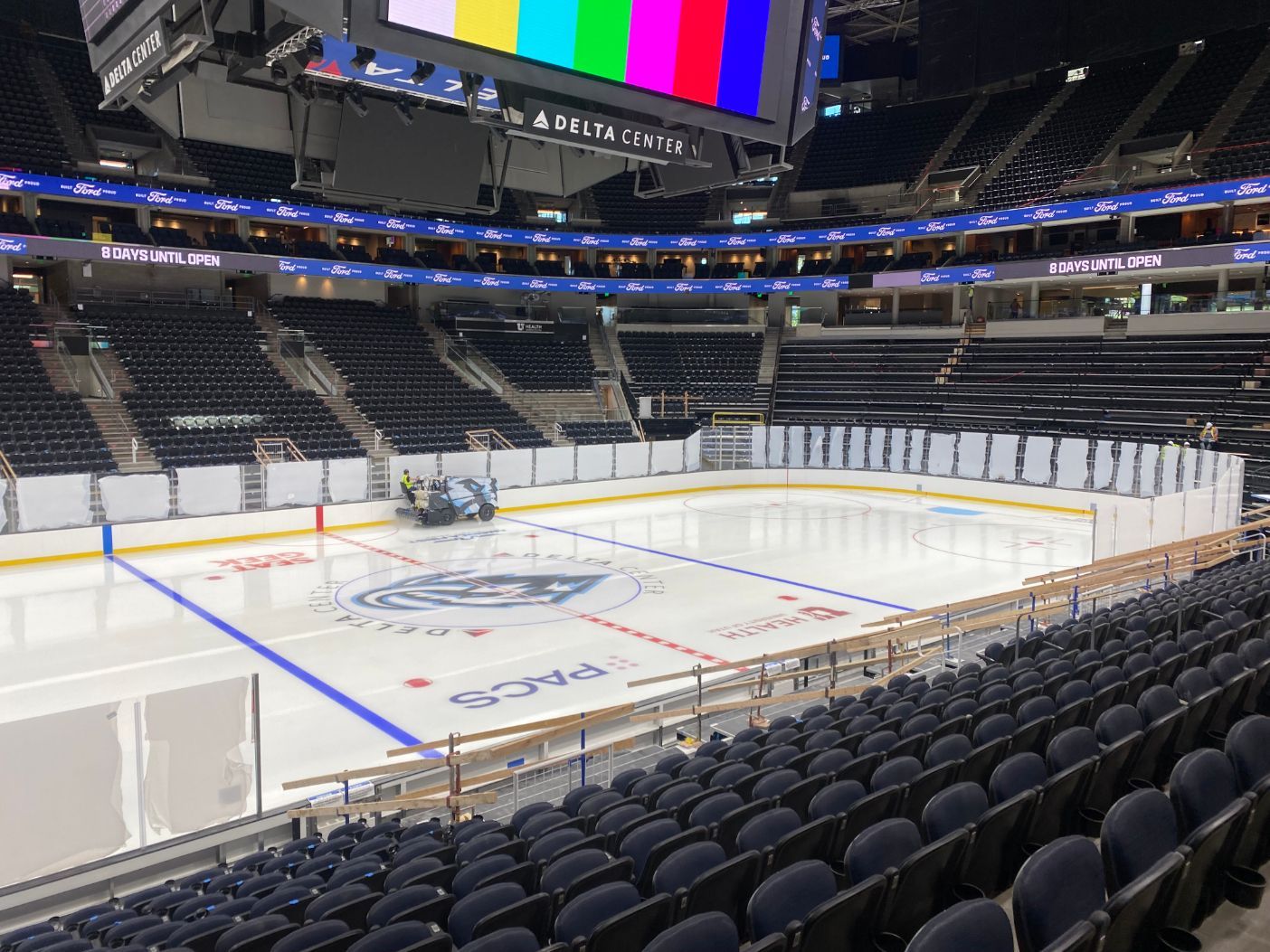
""The Delta Center has been a fascinating project. It can be stressful because everything happens on an incredibly compressed schedule, but it's also a lot of fun. We've gotten to know the facility inside and out"
—Brett Christiansen
Button
Slide title
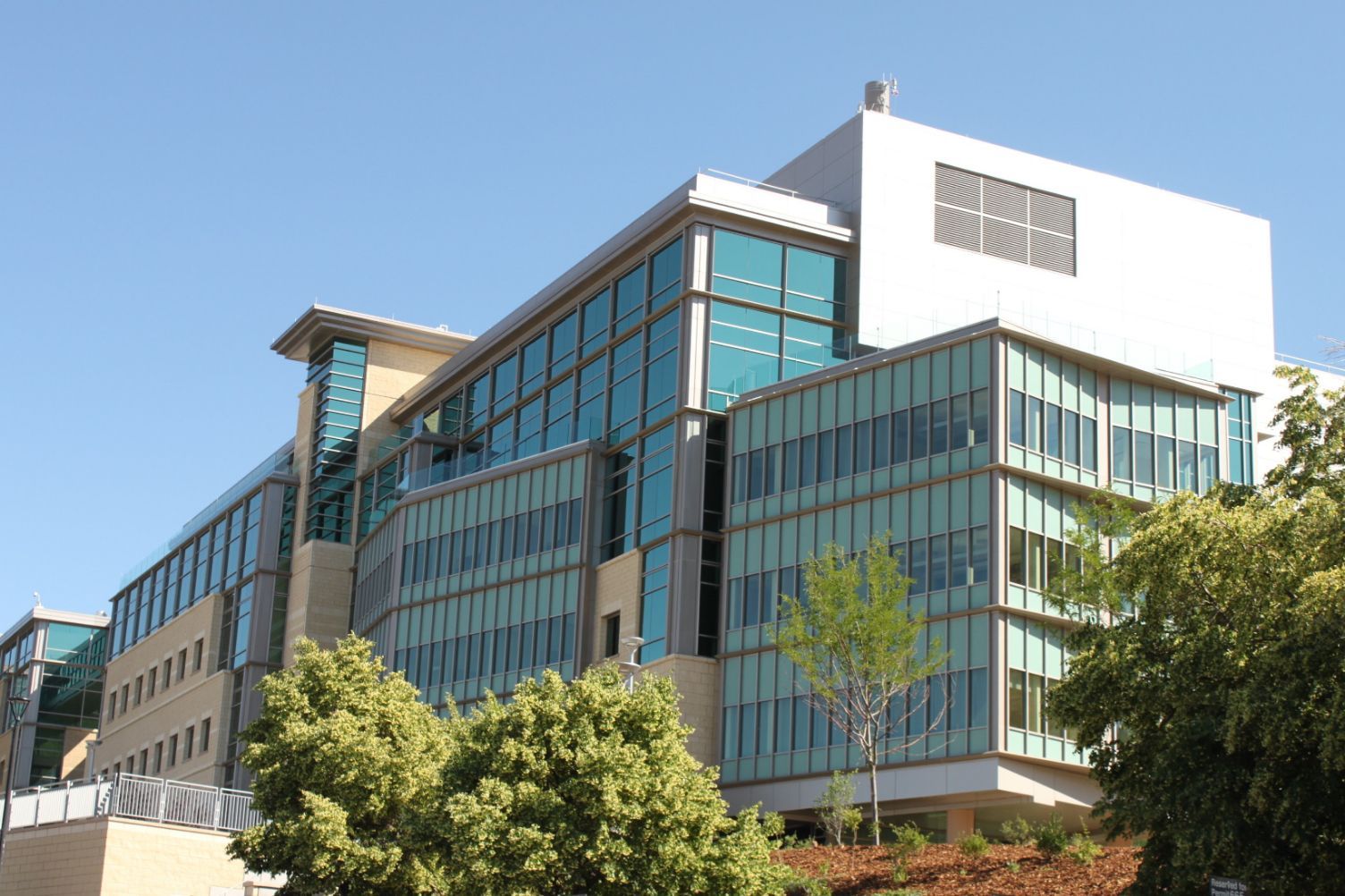
Work on Huntsman Cancer Center Phase IV has been another feather in the Palmer-Christiansen cap.
Button
Slide title
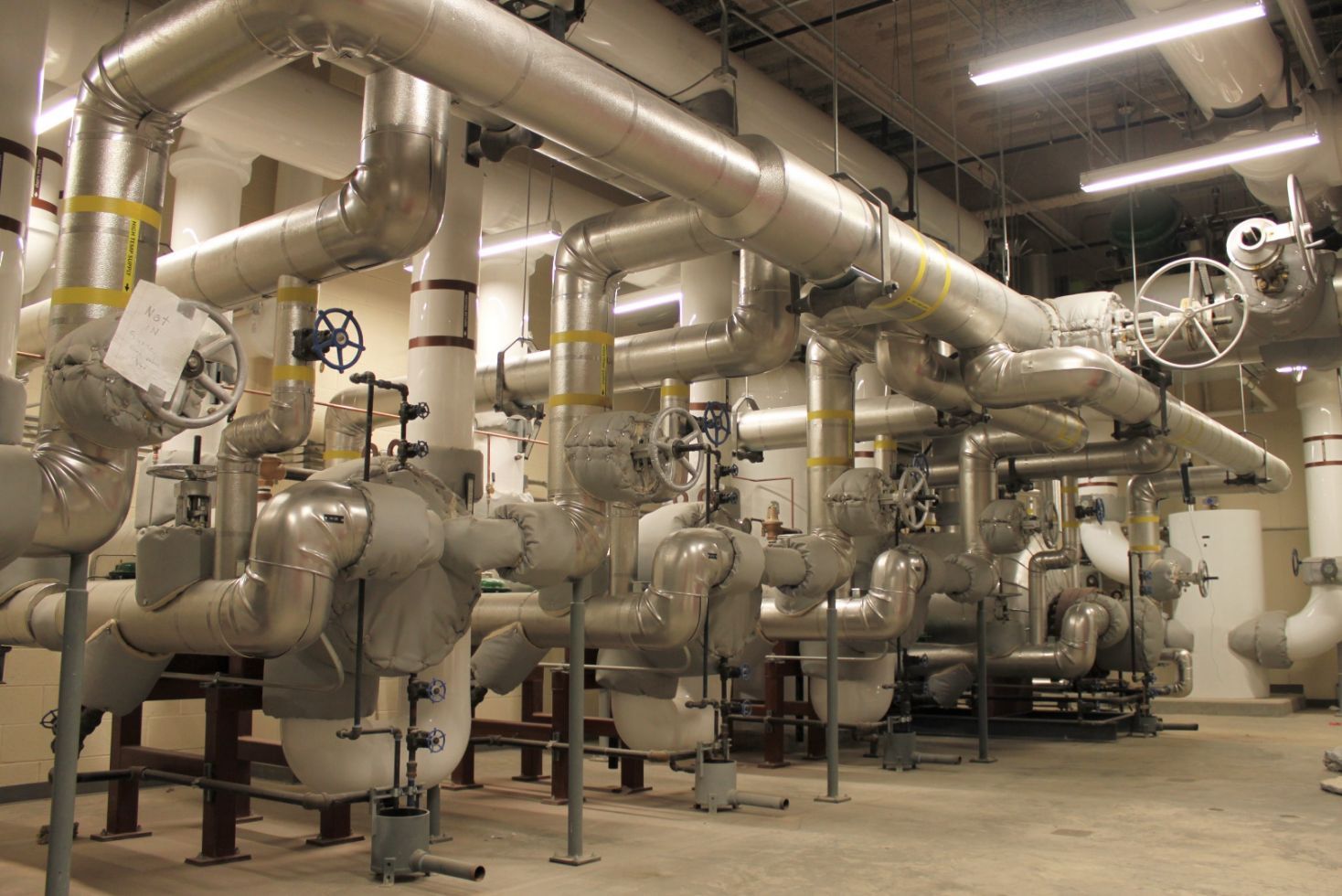
Huntsman Cancer Center Phase IV high-temperature hot water system.
Button
Third Generation Takes Over
Brett Christiansen didn't assume he would lead the family business someday. Like his father, he started in the shop as a teenager, threading sprinkler pipe during summer breaks along with other miscellaneous tasks.After graduating from Cottonwood High in 1983, Brett earned a Bachelor of Mechanical Engineering from University of Southern California before landing a job with Chevron, where he worked for several years.
"I always knew my dad wanted me to come back, but honestly, I wanted to become CEO of a Fortune 500 company," said Brett. "I thought I was going to become Chairman of Chevron.
"When the company asked him to relocate to the other side of the world—Papua New Guinea—he balked and instead pursued an MBA from Yale University. He then accepted a management consulting position with a Boston-based firm which paid what he thought was a great salary.
"When I told my grandfather what my salary in Boston was going to be, he laughed and said, 'You can make much that by accident here'," Brett recalled. "I had no idea how successful the business really was."
So, he moved back to the Beehive State in 1991, which at the time was a sluggish economy. By 1998, things picked up substantially, with the company gaining stability and consistency as the state geared up to host the 2002 Winter Olympics.
"We were extremely busy during that period," said Brett. Just as Hal had positioned the company in the late 20th century, Brett led Palmer-Christiansen into a new era in the 2000s, when mechanical projects became more technologically advanced.
Hospitals grew more sophisticated. Research laboratories demanded increasingly complex building systems. Semiconductor manufacturers required ultra-clean environments where precision was measured in fractions of an inch. Owners expected contractors to solve problems using BIM, prefabrication, and advanced coordination to eliminate conflicts before crews ever reached the jobsite.
Rather than view those changes as obstacles, Brett embraced them, with his engineering background paying huge dividends.
"Having an engineering degree helps tremendously because when I sit down with engineers to solve design problems—they know I'm not just a plumber," he said. "I understand pump sizing, boiler sizing, heat exchangers, and everything else they're working through. That has helped build strong relationships with engineering firms throughout my career."
That approach has produced one of the state's most impressive mechanical project portfolios.
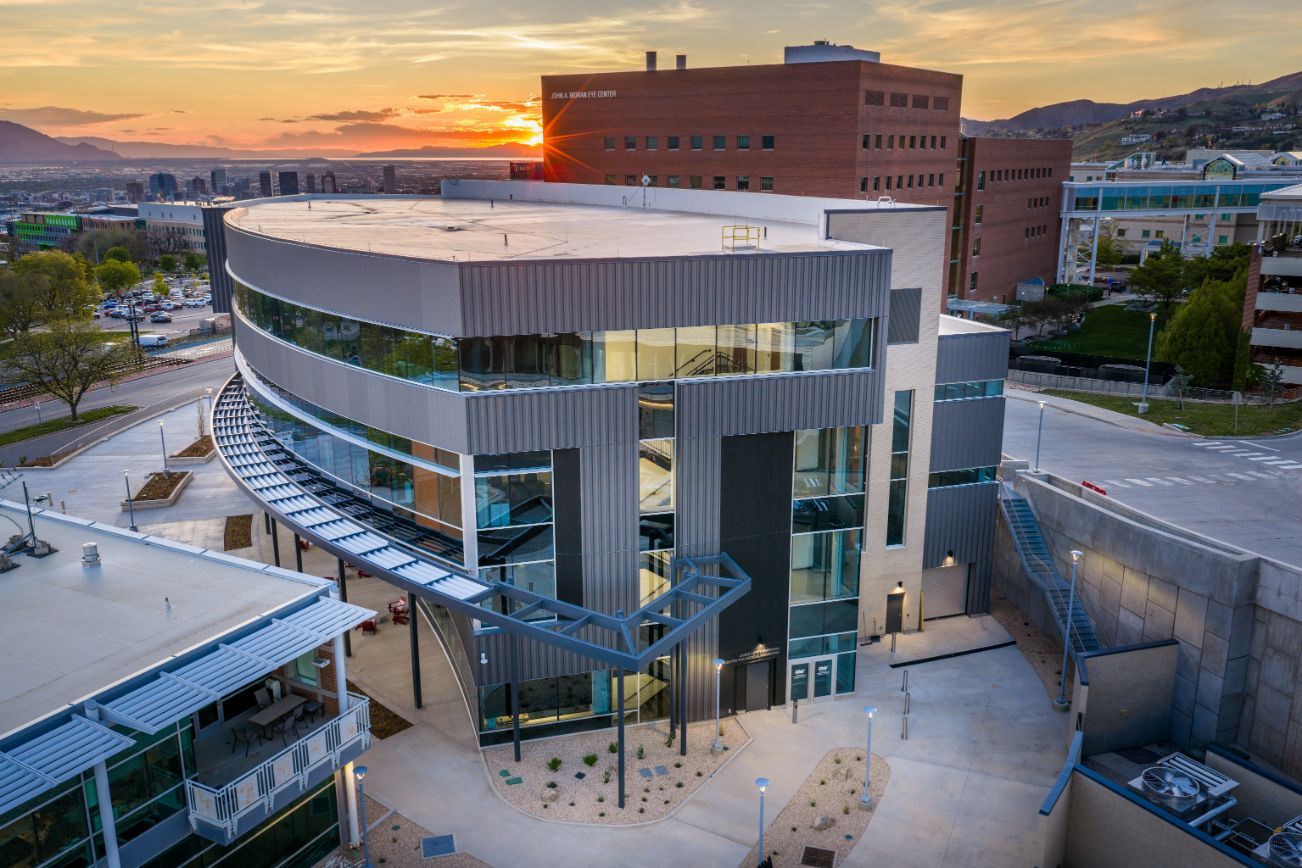
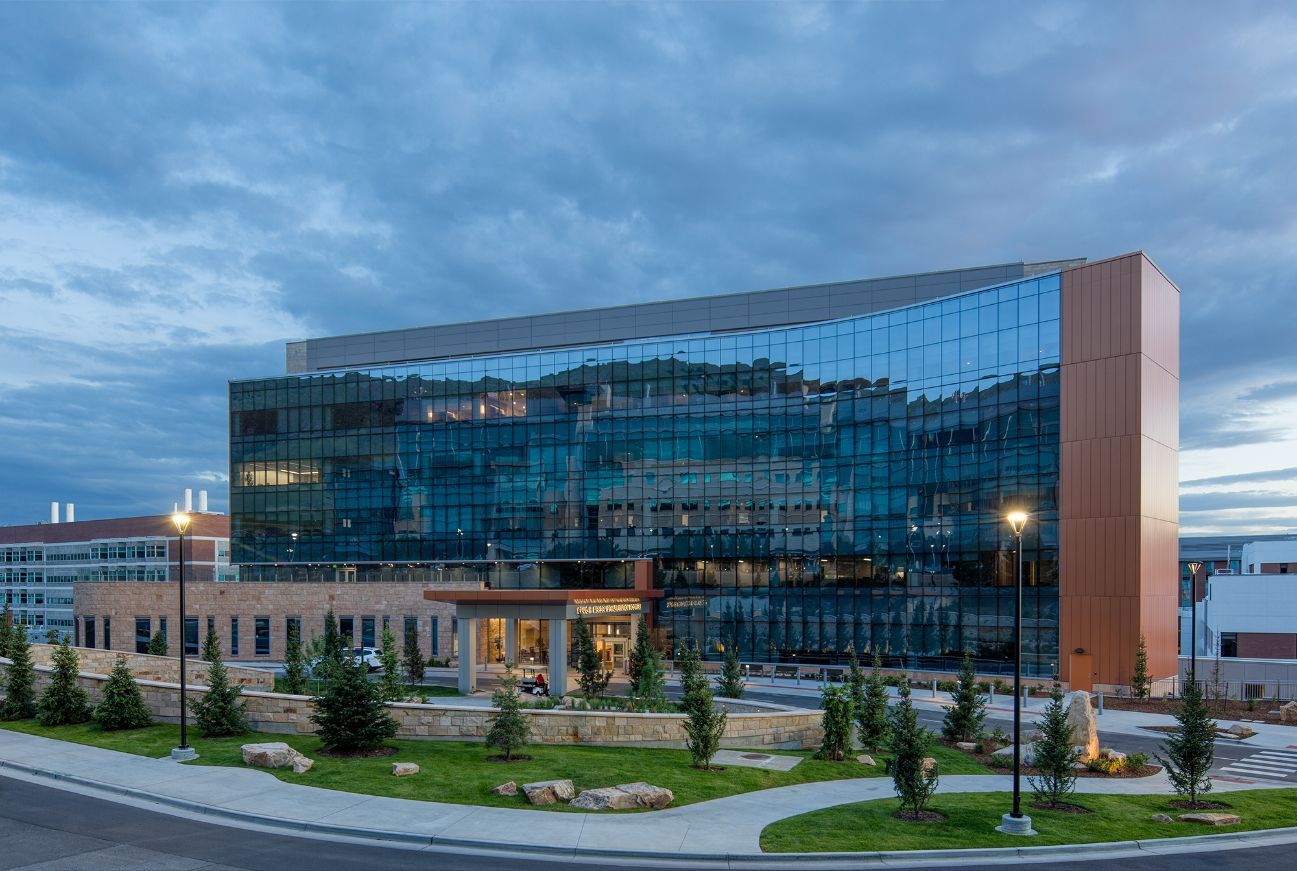
Palmer-Christiansen has completed every BioFire Diagnostics facility, numerous research buildings at the University of Utah—including the Emma Eccles Jones Medical Research Building, Biomedical Polymers Building, L.S. Skaggs Pharmacy Research Building, and Craig H. Neilsen Rehabilitation Hospital—while continuing work on hospitals, higher education facilities, and advanced manufacturing projects throughout the state.
Its relationship with Utah's semiconductor industry has been equally enduring. Palmer-Christiansen was among the original contractors working on Micron's Lehi fabrication plant in 1995. Although the project was eventually mothballed, the company returned when construction resumed under IM Flash and has remained involved through its evolution into today's Texas Instruments campus.
"It's an entirely different world," Brett said. "Our crews work in clean rooms wearing full bunny suits. They're installing ultra-high-purity stainless steel systems, specialized plastics, and Teflon piping. There are literally hundreds of miles of piping. It's fascinating work, but it's also dangerous.
"That technical prowess has carried Palmer-Christiansen into projects as diverse as City Creek Center, the Frank E. Moss U.S. Courthouse, Delta Air Lines' Flight Training Center, multiple phases of renovation at the Delta Center, and the Utah Jazz's new practice facility.
One project, however, stands alone in Brett's memory.
Grand America Hotel wasn't simply another large mechanical contract. It was the project that cemented both the company's reputation and Brett's own confidence as a young executive. To this day, he recalls fond memories of working with the hotel's legendary developer, Earl Holding.
"Mr. Holding was incredibly hands-on. A lot of people thought he was intimidating—and he certainly could be—but everything he did was because he wanted the project done the right way," said Brett.
During the construction process, which ran from 1998-2001, Holding's Project Manager was Neal Stowe, former long-time Director for the State of Utah's Division of Facilities Construction and Management (DFCM) from 1981 to 2007.
"Neal would call me on a Friday evening and say, 'Mr. Holding wants to see you.' I'd go to the project expecting a quick conversation, and we'd be there until 10:00 pm," Brett recalled. "He wanted to understand every detail. He challenged everyone involved, but it wasn't to make life difficult. He genuinely cared about building the finest hotel possible. As the project went on, we earned his trust."
The project also reinforced a lesson that has guided Palmer-Christiansen for decades: difficult projects often become the most rewarding.
"To this day, it's probably the most memorable project I've ever worked on," said Brett. "Grand America was my coming-of-age project in this business. If you could survive Mr. Holding, you could survive just about anything."
Another prominent relationship with a big-time local owner has been with the Utah Jazz organization, both when it was owned by Larry and Gail Miller and now under Ryan Smith and Smith Entertainment Group's stewardship.
The company was the mechanical contractor on the new Utah Mammoth Practice Facility in Sandy that opened last year, while also working on the Delta Center through a couple of different renovations, including one in 2017 and the multi-year effort slated to finish next summer.
"The Delta Center has been a fascinating project," said Brett. "It can be stressful because everything happens on an incredibly compressed schedule, but it's also a lot of fun. We've gotten to know the facility inside and out, and our crews enjoy working there because they've built relationships with the people who operate the building. This current renovation is especially challenging. On the north end of Level 3, everything above is coming out—the concrete, the suites, the seating—everything. Then it all gets rebuilt in a very short window. We've been fortunate to continue working there through multiple renovation phases."
Slide title
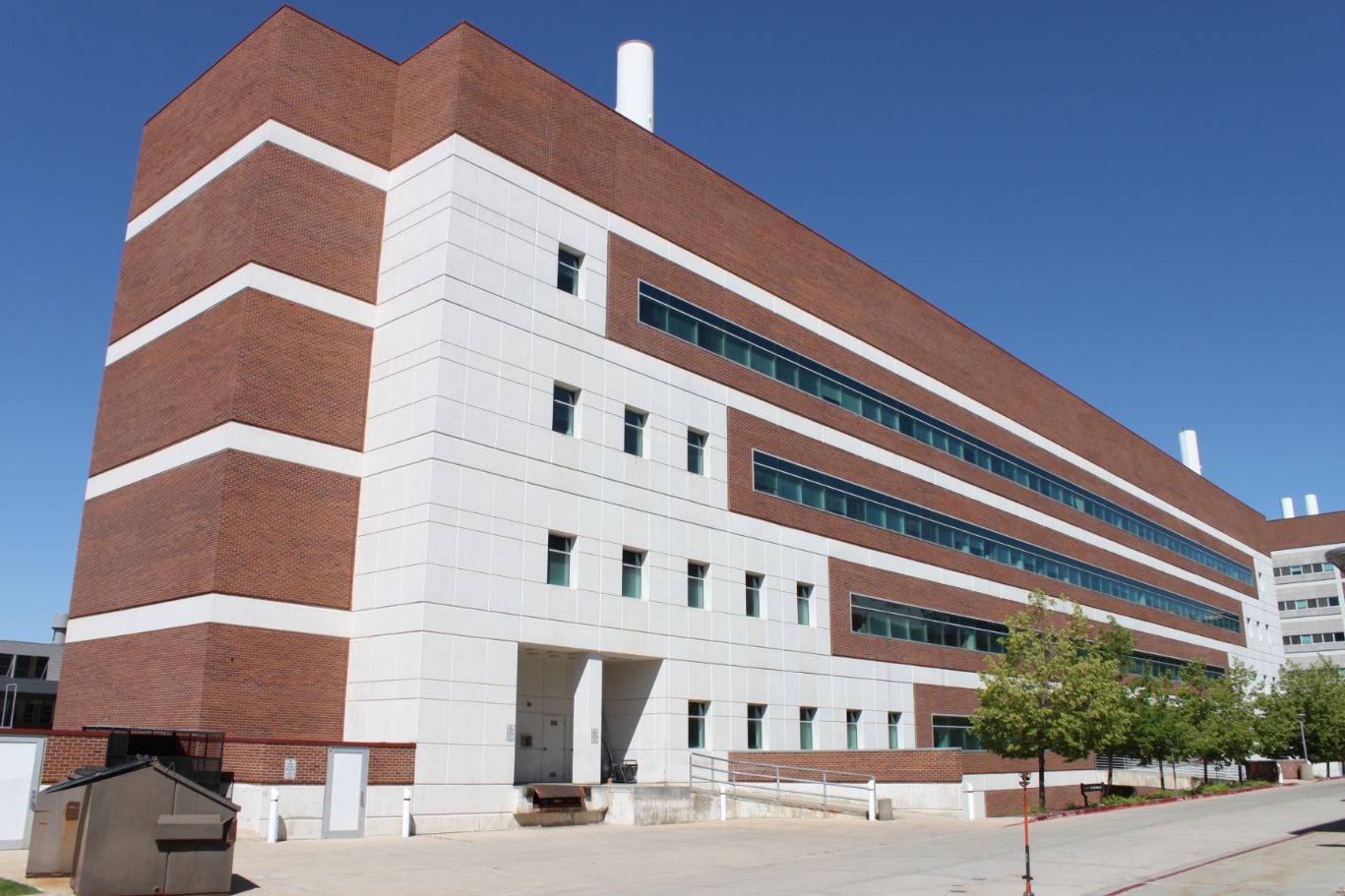
The University of Utah Biomedical Polymers Research Facility
Button
Slide title
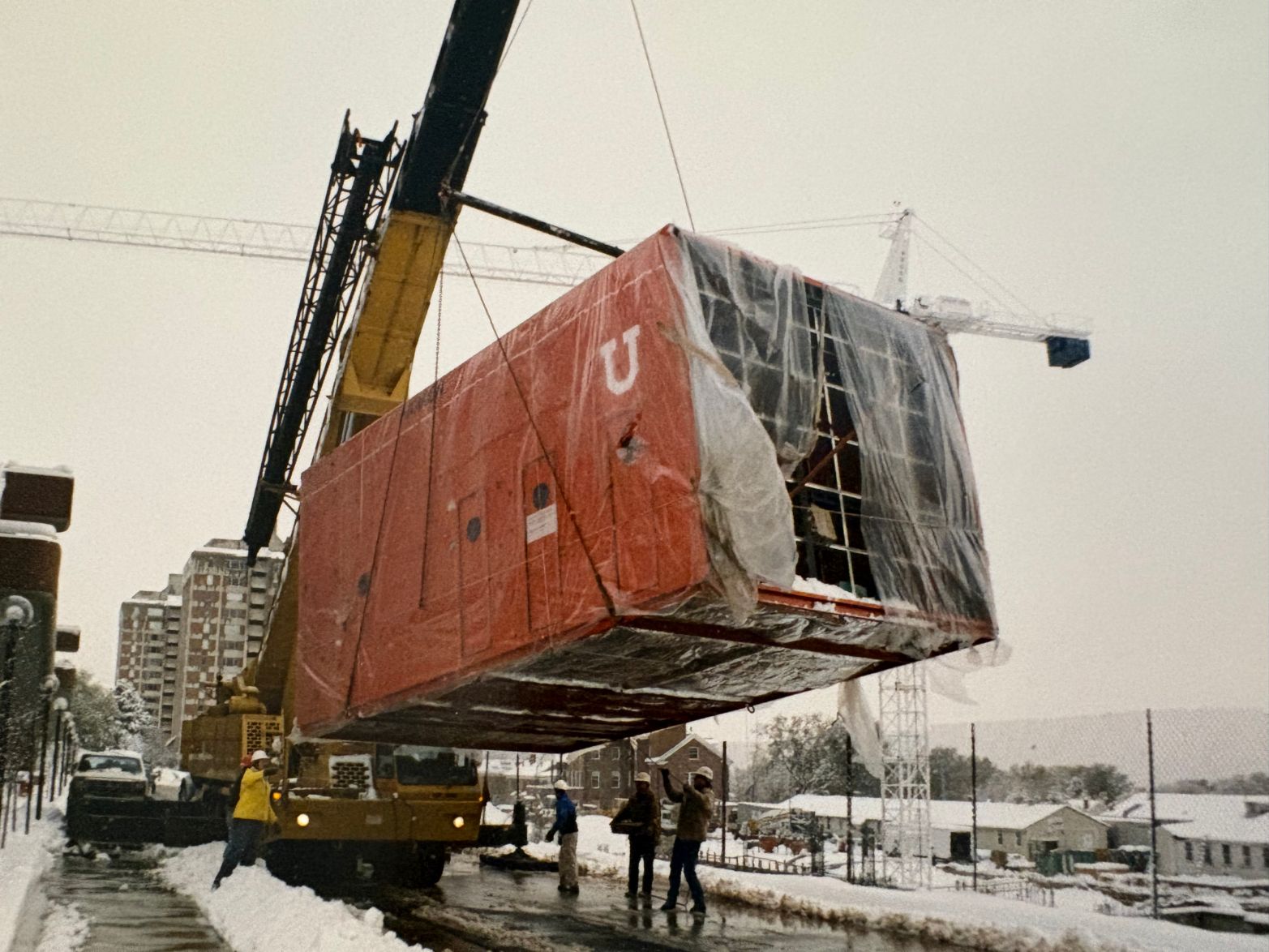
An air handler prepares to go into the U of U's Biomedical Polymers Research Facility.
Button
Slide title
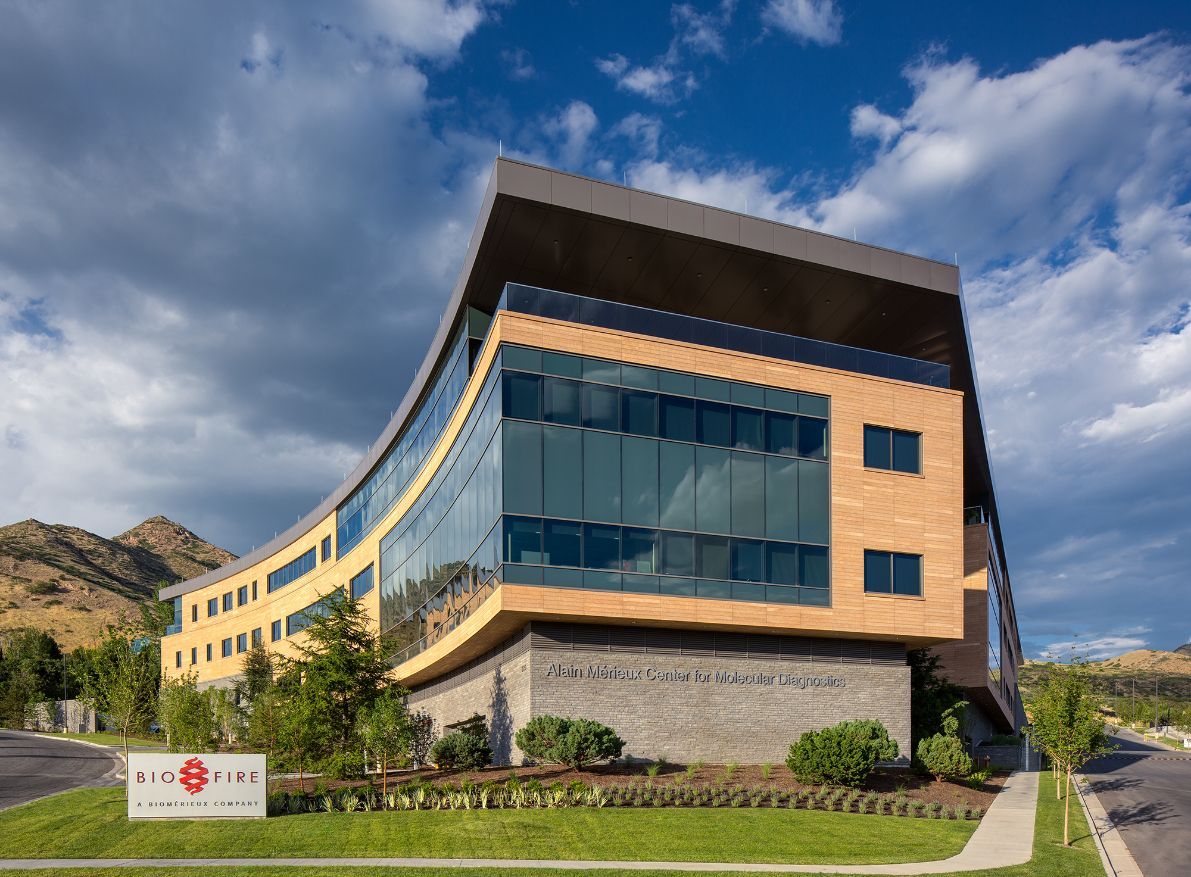
Palmer-Christiansen has completed mechancal scopes on every BioFire Diagnostics facility, including the Alain Mérieux Center for Molecular Diagnostics. (photo by Paul Richer)
Button
Slide title
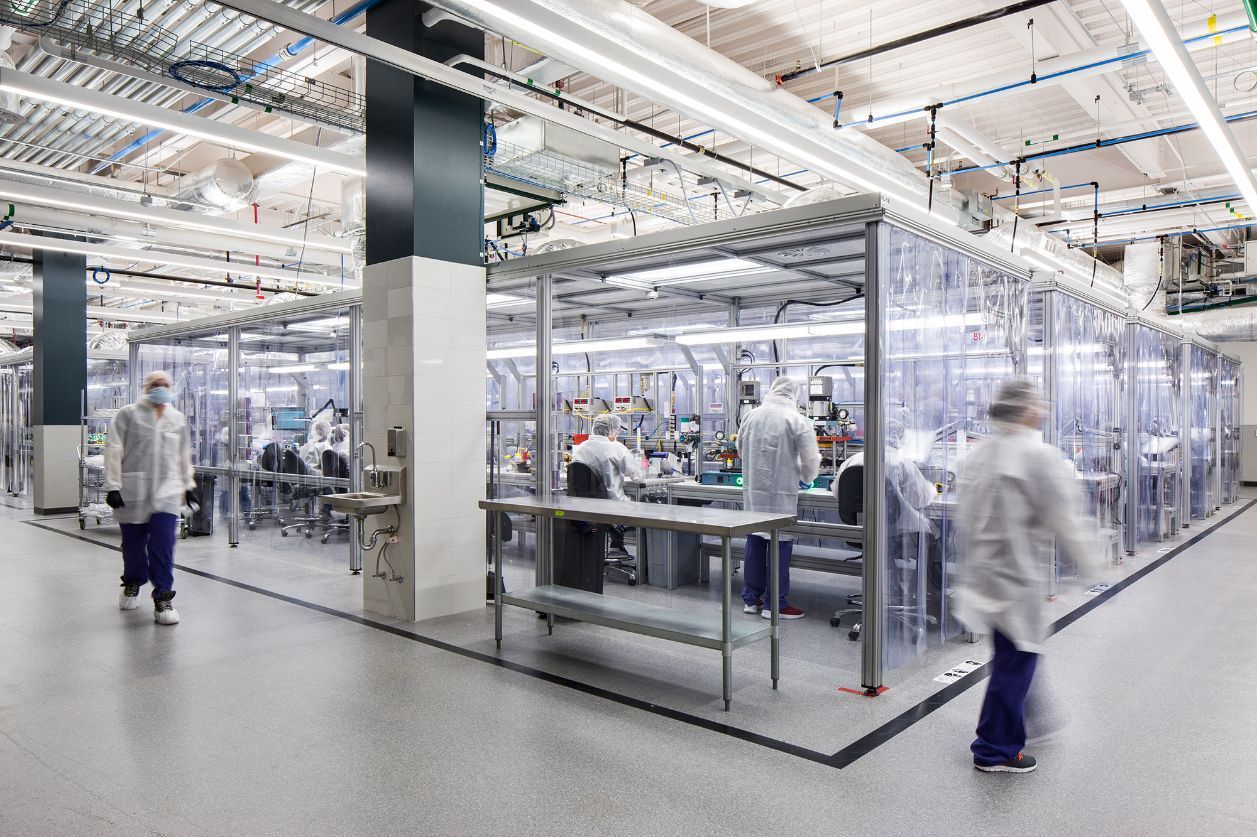
BioFire Diagnostics (photo by Paul Richer)
Button
Slide title
Craig H. Neilsen Rehab Hospital at the University of Utah (photo by Paul Richer)
Button
Reputation Over Revenue
For many companies, success is measured in annual revenue or employee count.
Palmer-Christiansen has never viewed growth that way, with annual revenues hovering between $35 and $55 million the past 15 years.
"Our biggest year was in 2018 when we reached $55 million," Brett said. "At that time, we had about 250 employees working 60-hour weeks during a major ramp-up at Texas Instruments. Normally we like to have around 100 to 125 employees, but we're back around 90 employees and expect revenues in the $45 to $50 million range. We've never felt the need to chase growth for growth's sake. Sometimes you can double your revenue and make less money. We've always believed in carefully selecting both the general contractor we work with and the owners we work with.”
That philosophy has fostered decades-long relationships with Utah's top general contractors and mechanical engineering firms. It has also contributed to remarkably low employee turnover, particularly among field leadership.
"Our key field leaders average 15 to 20 years with the company," Brett said. "The key is treating people with respect. You empower them to make decisions. You let them lead. The superintendent running a hospital project is responsible for that project. I'm there to solve problems when needed, but it's his job to build it. When people feel ownership, they perform better."
That culture traces directly back to Hal.
"We never had any conflicts," Hal said of working alongside Brett. "I let him do what he wanted; he let me do what I wanted—we supported each other in everything."
Likewise, Hal never pressured his own children to enter the family business.
"I wasn't always keen about being expected to follow my father's footsteps," he said. "So, I tried to have my boys follow their own passions."
His oldest son, Erik, became an attorney. His youngest, Kurt, is an airline pilot for Jet Blue.
"Brett had more of a mentality for engineering," Hal said. "I felt that one day he might want to come back to the business, and I'm glad he did."
Brett praised Hal for his leadership and ability to find solutions to complex problems, saying: "My dad's greatest strength was that he understood mechanical systems better than almost anyone. If something wasn't working, he could diagnose the problem and figure out how to fix it. He was also a tremendous teacher. Honestly, he's a better teacher than I am. I tend to think people should just go figure it out. He was much more patient."
Slide title
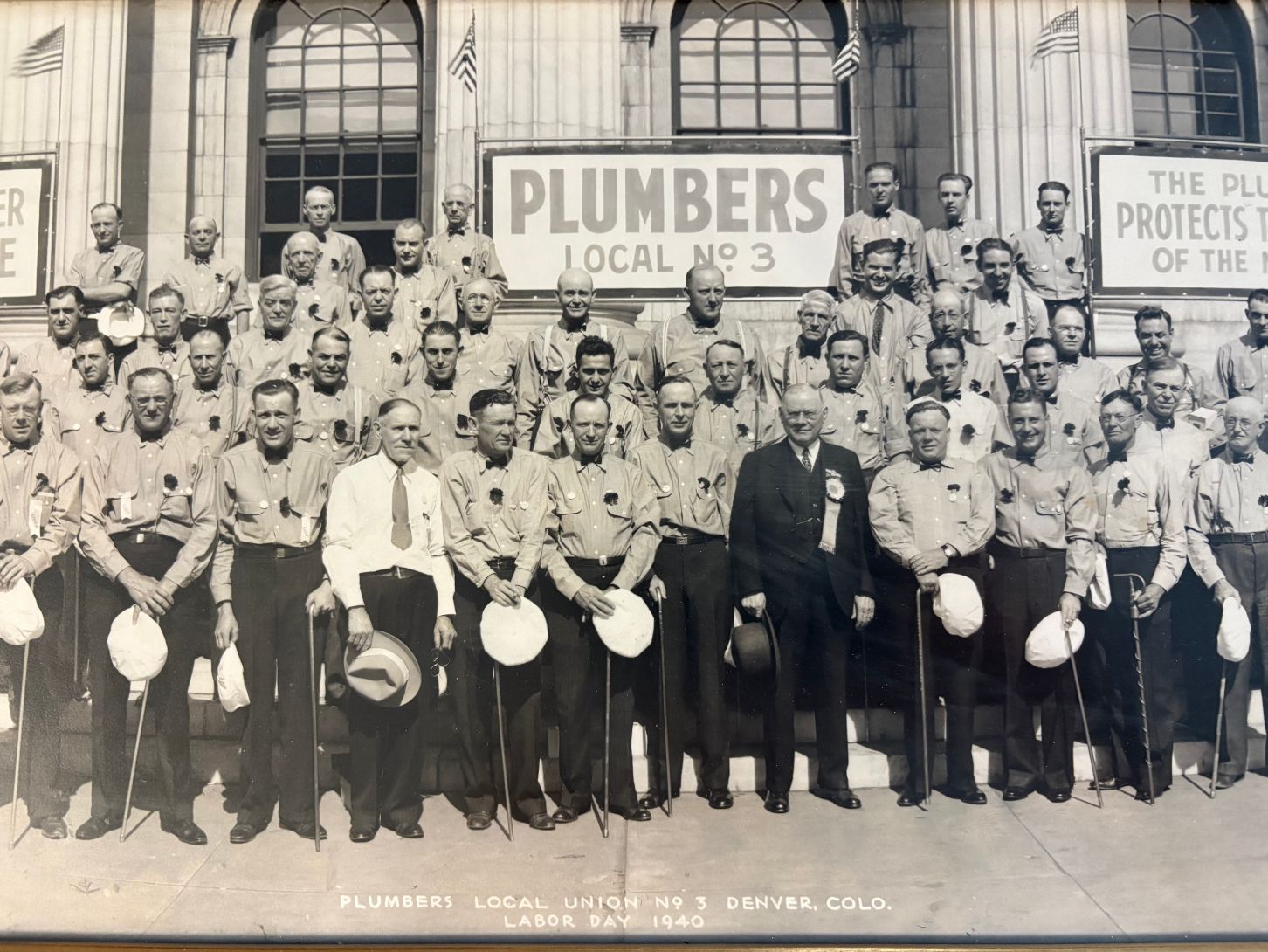
Local No. 3 union plumbers stand together on Labor Day in the 1940s.
Button
A Tradition of Leadership
Palmer-Christiansen's influence extends well beyond the projects it has completed.
Three generations of the Christiansen family have served as President of the Utah Mechanical Contractors Association (UMCA)—an accomplishment few family businesses can claim.
Harold Christiansen led the organization from 1958-59 during the post-war construction boom. Hal followed four decades later, serving from 1999-2001. Brett became the third-generation family member named President, serving from 2013-2017 while also contributing nationally through the Mechanical Contractors Association of America (MCA).
Together, those leadership roles reflect more than longevity. They speak to the respect Palmer-Christiansen has earned among competitors, labor partners, and owners throughout Utah's construction industry.
"Reaching 80 years in business is an extraordinary accomplishment, but what has always set Palmer-Christiansen apart is that they have never measured success solely by the projects they build," said Bob Bergman, Executive Director for UMCA. "For three generations, the Christiansen family has invested countless hours serving UMCA, leading our Board of Directors, chairing committees, mentoring others, and helping shape the future of our industry. Harold, Hal, and Brett each left the Association stronger than they found it, and with Simon now joining the company, I believe that tradition of leadership will continue. Over my 33 years with UMCA, I have been fortunate to call the Christiansen family both trusted advisors and friends. Their legacy is measured not only in buildings across Utah, but in the lasting impact they have made on our industry and the people within it."
Slide title
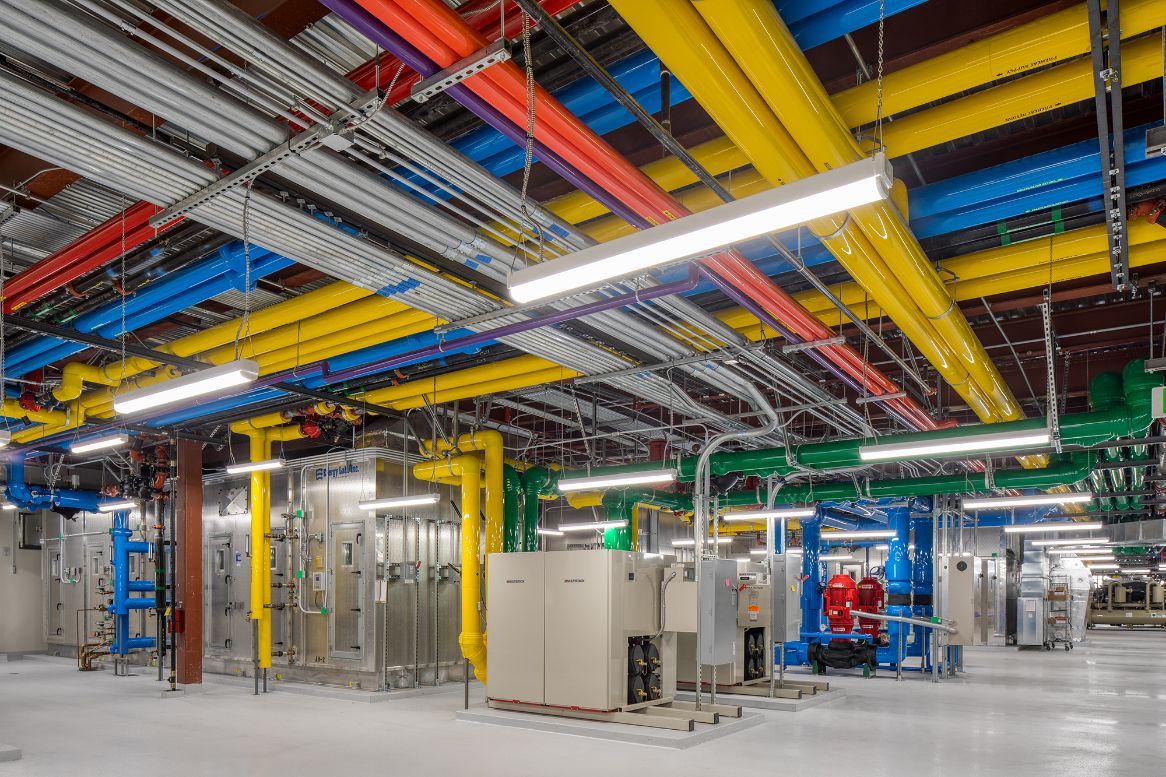
The company has thrived building complex mechanical systems, including hospital and laboratory projects seen here at bioMérieux's manufacturing facility. (photo by Paul Richer)
Button
Slide title
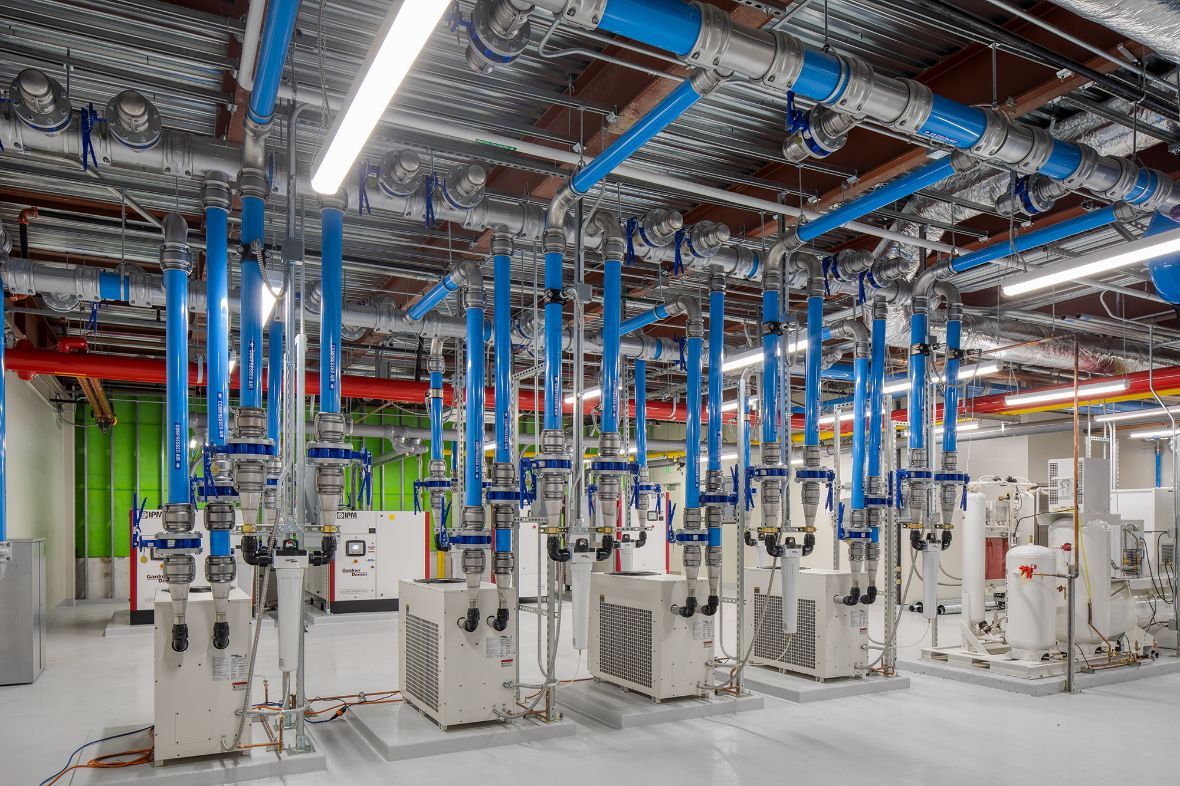
Mechanical room of bioMérieux's manufacturing facility (photo by Paul Richer)
Button
Carrying the Legacy Forward
Into a Fourth Generation
Just as Harold invited Hal into the company, and like Hal opened the door for Brett, the transition to a fourth generation is underway.
Brett's son, Simon, is 25 and started working in the shop as a teenager before coming on board full-time in 2018 after realizing college wasn't for him.
Like the generations before him, Simon started in the shop as a teenager before completing the United Association apprenticeship, becoming a journeyman and eventually running work in the field, before moving into estimating and project management.
"I went to college for about a year but never found anything that made me think, 'This is what I want to do'," he said. "I already enjoyed working here and had spent several summers with the company, so I entered the apprenticeship program, became a journeyman, ran my own projects—including Delta Air Lines' Flight Training Center—and eventually moved into the office. Working in the field first made a huge difference because you understand what the crews are dealing with every day."
For Brett, that experience isn't optional—understanding construction begins with understanding the people performing the work.
It is one more example of a company that has remained remarkably consistent, even as the industry around it has changed dramatically.
"Construction is only becoming more complex," said Brett. "I can see AI helping engineers generate designs or speeding up research. Years ago, at the national MCA board level, we talked about technology changing our business model."
He believes companies like Palmer-Christiansen, and all businesses that revolve around skills trades, with only become more important over time.
"AI is going to change everything, but someone still has to install that pipe, someone still has to set that chiller. I think skilled trades are going to remain incredibly valuable. That applies both to the general contractors we work for and the owners who ultimately occupy the buildings."
As the company celebrates 80 years, he's appreciative of Palmer-Christiansen's legacy and hopes to see the firm hit the century mark in two decades. By then, Simon will be in his mid-40s.
"80 years means a great deal to me—there aren't many fourth-generation companies, not just in Utah, but anywhere in the country," he said. "I'm proud that we've continued growing while maintaining the respect of general contractors and engineers. At the end of the day, it's all about our clients. If we're building a hospital, our goal is to help doctors provide better patient care. If we're building a manufacturing facility like BioFire, we're helping them produce products that improve healthcare. That is meaningful work. Even though we're not a service contractor, many clients call us years later because they trust us. If one of our longtime clients needs help with a small project, we're happy to go back. We believe in taking care of our customers. I hope we're still independent 20 years from now. I'd love to see this company celebrate its 100th anniversary."