







Standing Strong
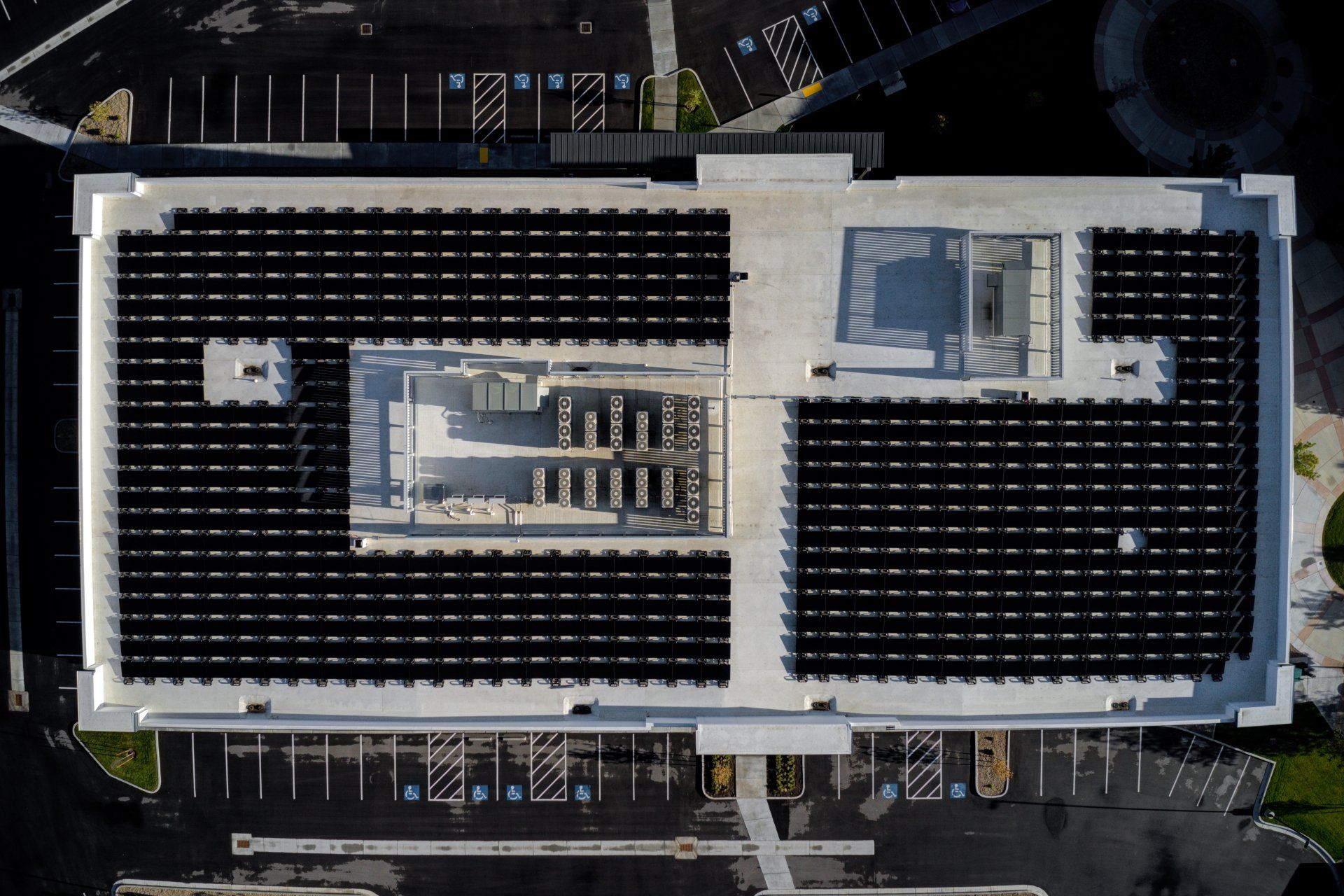
From the modern, polished finish of the exterior to the fleets of solar panels on the roof, everything about the new Soleil Technology Park speaks to the innovative and even trendsetting nature of the project. But perhaps the project’s greatest contribution to the state’s architecture can’t be seen: Soleil may have changed the way contractors will assemble buildings in earthquake-prone areas in the future.
With the first of five buildings already complete and a second nearly finished, Soleil is well on its way to the final goal of providing 525,000 SF of state-of-the-art, class “A” office space in West Valley City—with a little bonus high-tech manufacturing space on the side. Developers at the Wasatch Group wanted to do something different with the West Valley site, which had sat vacant for 25 years, according to Wasatch Group executive vice president and general counsel John Dalstrom. Eliminating fossil fuels—the office buildings in the park will have no gas service and feature charging stations for electric vehicles—quickly became the priority.
“One of the great benefits of living in Salt Lake City is that we have proximity to great outdoor resources, and a lot of people are drawn to our city for that very reason,” Dalstrom said. “But one of the dilemmas is, because of our topography, it does trap the emissions in the winter, and the inversion makes the air pretty unclean. It helps clean up the air by not having fossil fuels in the building itself.”
The project was well underway in May 2020 when the 5.7 magnitude earthquake rocked the construction site. Crews had already tilted several, but not all, of the panels into place. But while some other tilt-up operations saw panels fall during the quake, the Soleil site was largely undamaged.
James Williams, president of AE URBIA architects and engineers, believes differences in bracing systems are to credit.
AE URBIA had opted to use helical piers to help brace the tilt-up panels before they were set in their final positions. The piers can be drilled into the ground, affixed to the brace, and then removed and used again on other projects, so they were a good option for keeping costs in check, according to Williams. When the earthquake hit, he said, the helical piers apparently acted as shock absorbers, keeping the Soleil panels in place.
Other projects also came with some lessons about the impact of earthquakes on in-progress tilt-up construction. At another site that used conventional braces, Williams said, the panels not only fell but actually catapulted some six feet from their original locations—something the tilt-up industry hadn’t anticipated could happen.
Soleil’s helical piers offered not only a solution but a lesson.
“We could have supported those panels with a smaller brace,” but chose to upscale the braces instead, said Allen Clemons, president of Stout Building Contractors. “I believe that’s why we didn’t lose a panel when we were in the middle of erecting them, when many buildings lost tilt-up panels, and we were close to the epicenter.”
COVID-19 threw the project for another loop. Because the panels, though still standing, had shifted slightly, the project site needed to be inspected before proceeding. But the manufacturer of the braces was located in Florida, and with travel shut down due to the pandemic, they couldn’t visit the site. So they used a drone.
“Once we approached the situation in that way, we had the comment that even if we had someone local, it was a good use of technology because we were able to get close to the connection point without putting anyone in harms’ way,” said Jerry Price, director of management operations for AE URBIA.
Even before the earthquake, the tilt-up construction was already unique. To make a 4-story tilt-up feel less industrial, AE URBIA was already accustomed to using cutouts to add large, floor-to-ceiling windows, Williams said. But for this project, Wasatch wanted something special. They preferred the look of a natural stone exterior, but needed a more budget-friendly option. Then the team had an idea.
“The owner thought it would be beautiful to have something like a granite exterior facade,” said Kieth Hansen, a partner at AE URBIA, “So to provide something similar, we came up with ideas of how to get the concrete panels to pop like that granite.”
The team poured several test panels, Hansen recalled, and tried 5–6 different ways of grinding and staining the finished panels to create a polished effect.
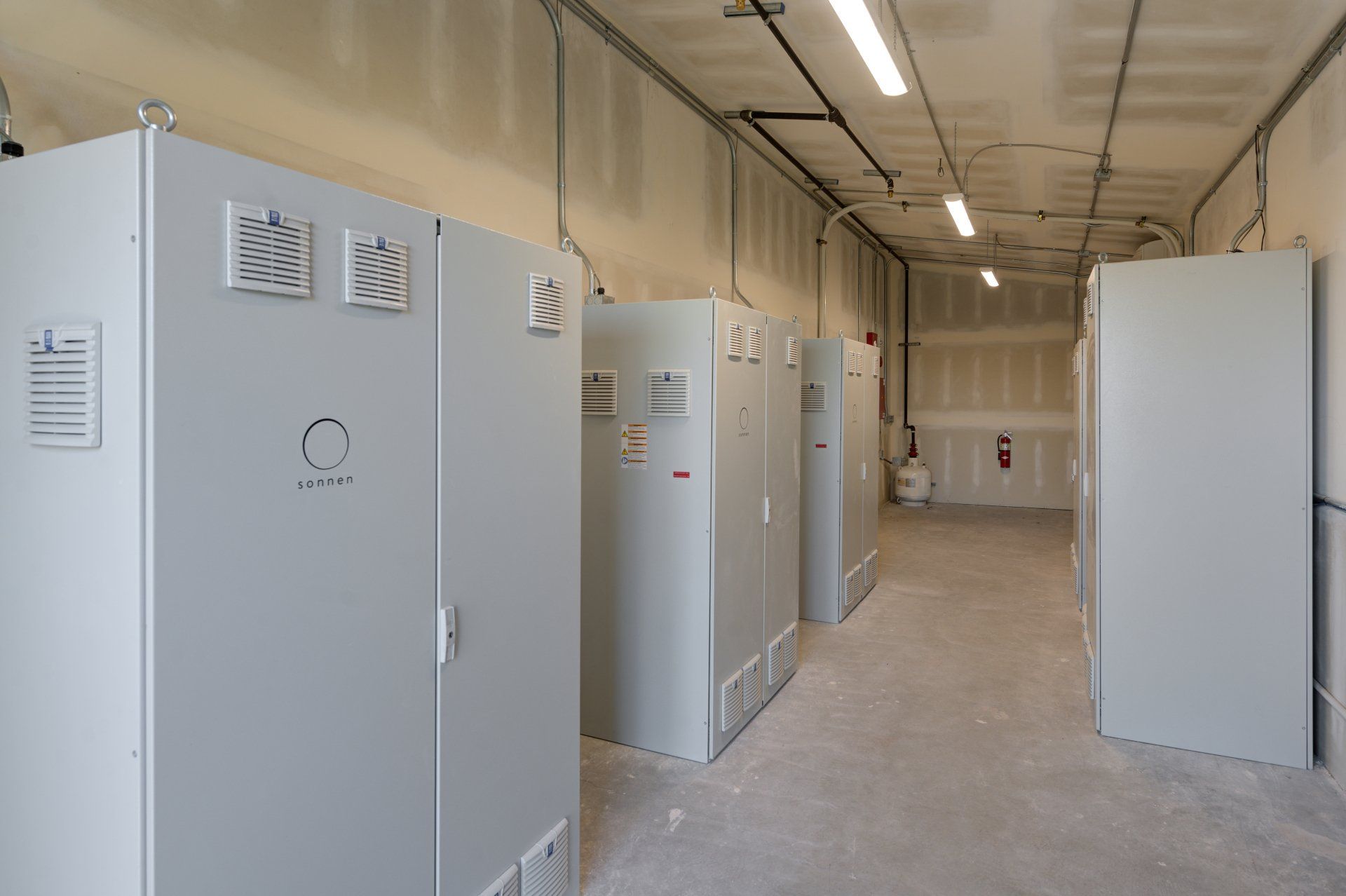
Then came the finishing touches—a full complement of solar panels and batteries. But Soleil Technology Park won’t be entirely solar powered, despite the absence of gas infrastructure.
Big-D Signature has summited mountain peaks and treacherous terrain, building luxury residences and stellar resorts across the West over the last 25 years. By Taylor Larsen
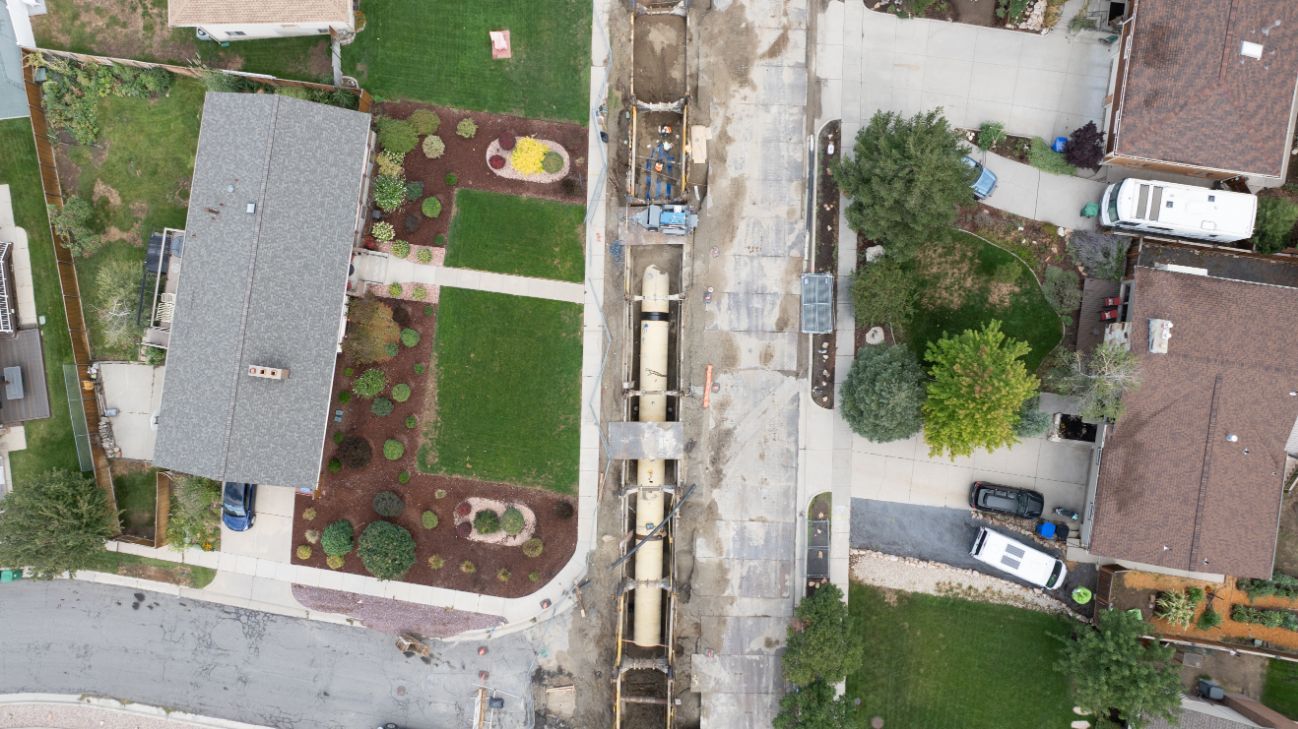
Whitaker Construction tackles myriad challenges including deep excavations, a massive steel pipeline, and a maze of existing utilities on this generational $57 million project connecting Big and Little Cottonwood Water Treatment Plants. By Bradley Fullmer
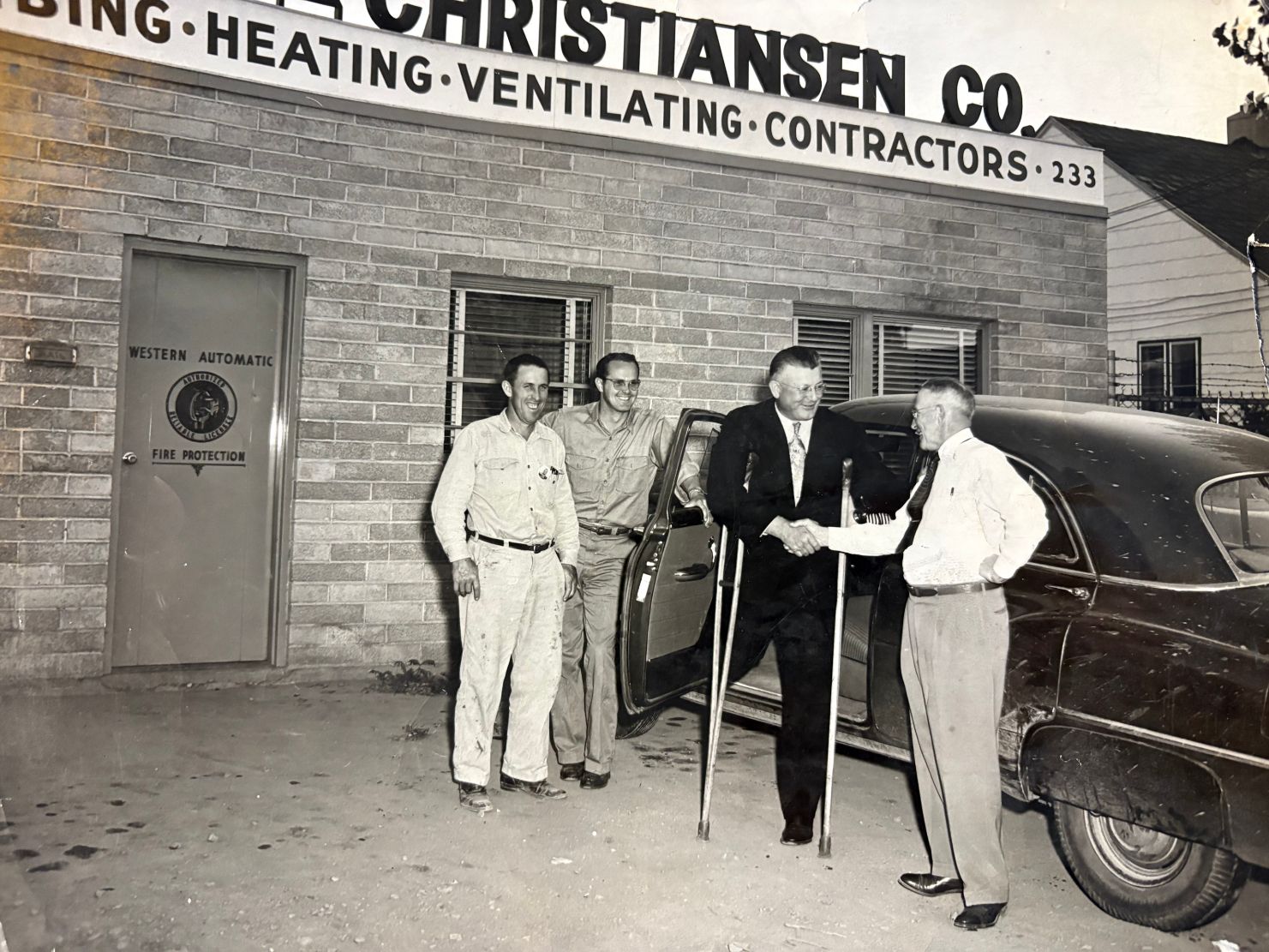
Palmer-Christiansen marks 80 years of mechanical excellence. By Bradley Fullmer
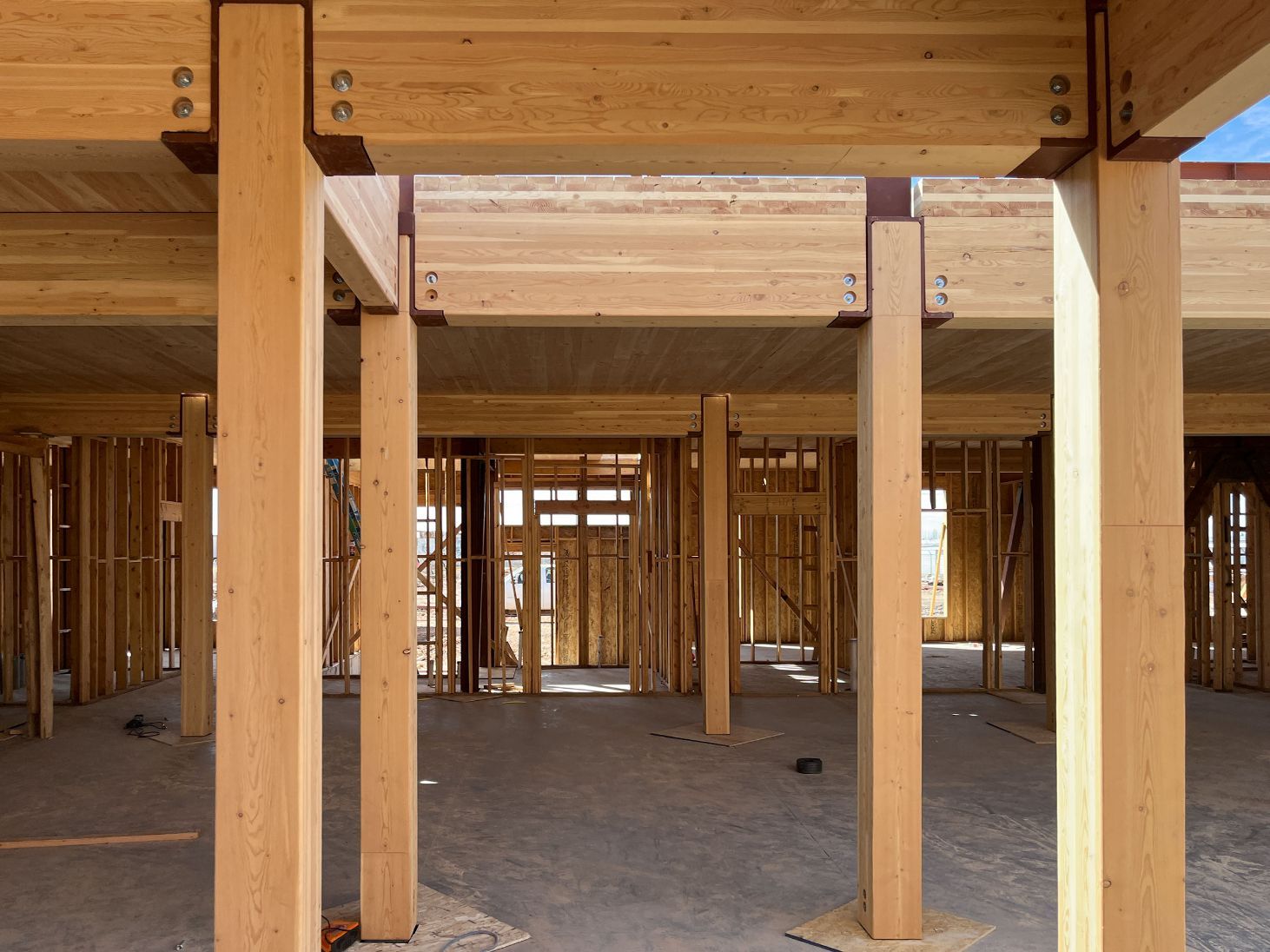
Well over a decade since mass timber began gracing Utah’s commercial projects, the question remains: what will it take for mass timber to become commonplace? By Taylor Larsen
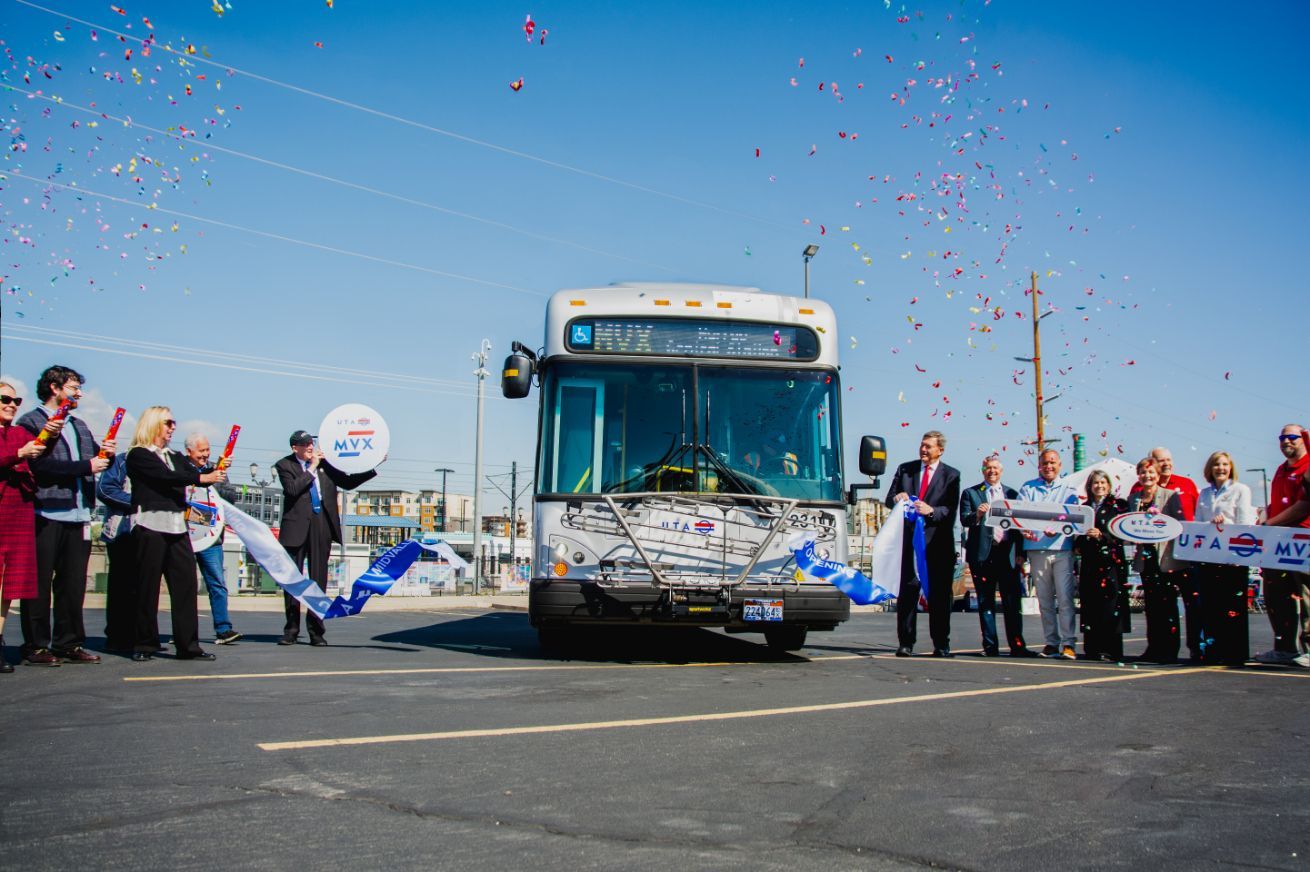
New Midvalley Express BRT line showcases the impressive collaboration required to deliver 25 stations and further connect the mid-valley to an expanding public transit network. By Taylor Larsen
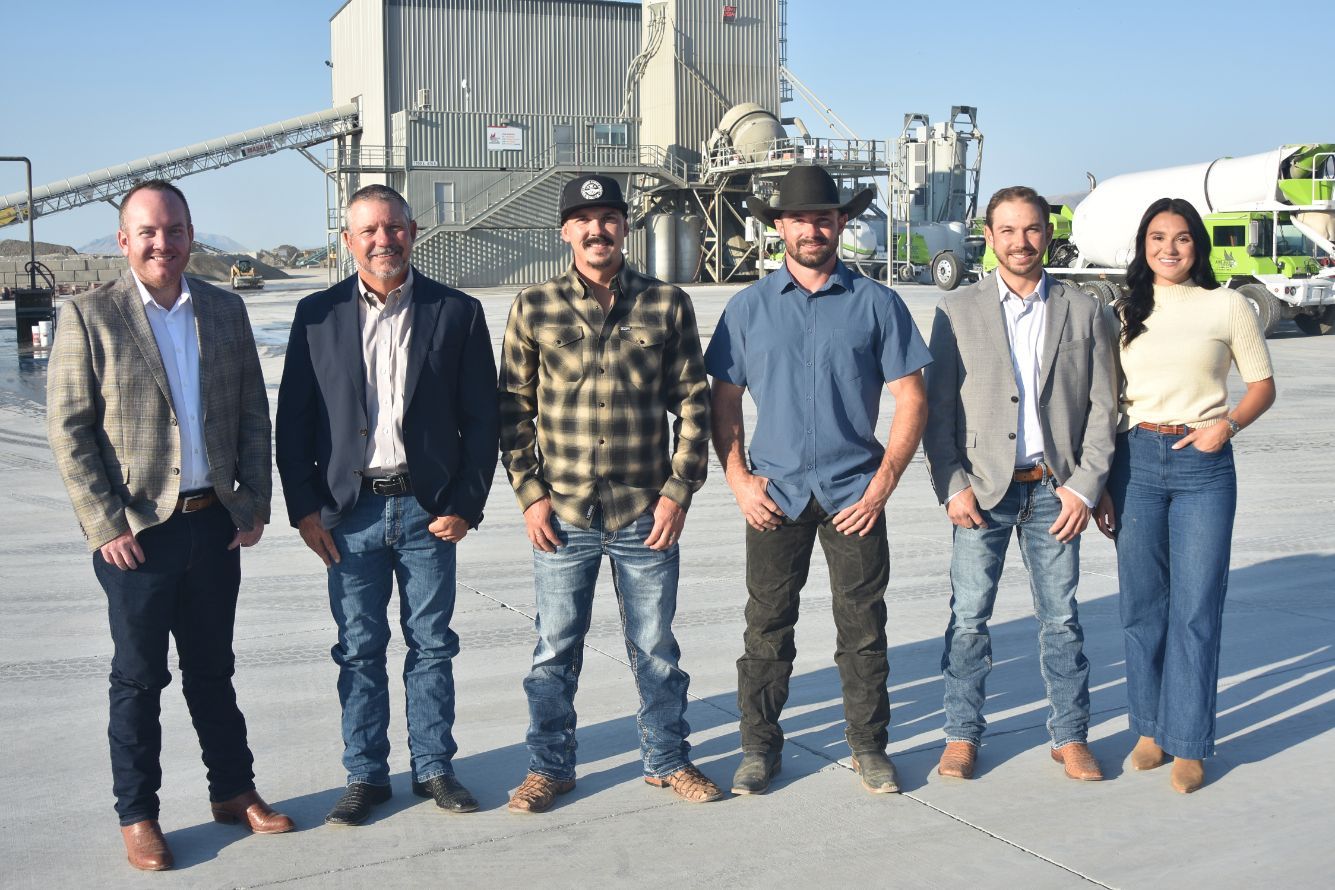
As American Eagle Ready Mix marks its 10th anniversary, founder Doug Clements' competitive nature and drive to succeed has the company well-positioned for future success. By Bradley Fullmer
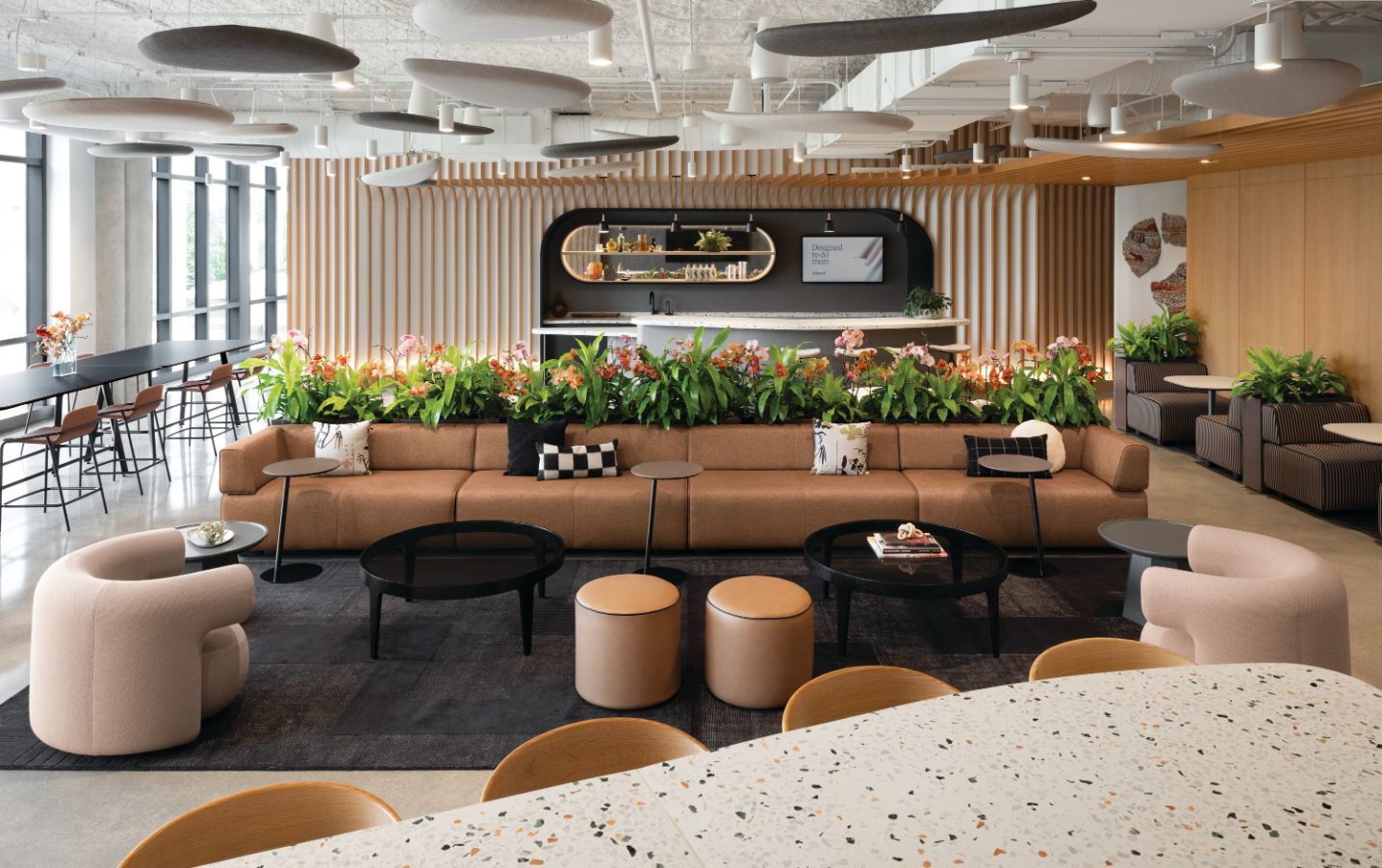
Commercial furniture dealers and manufacturers continue to adapt to ever-changing market conditions. By Milt Harrison
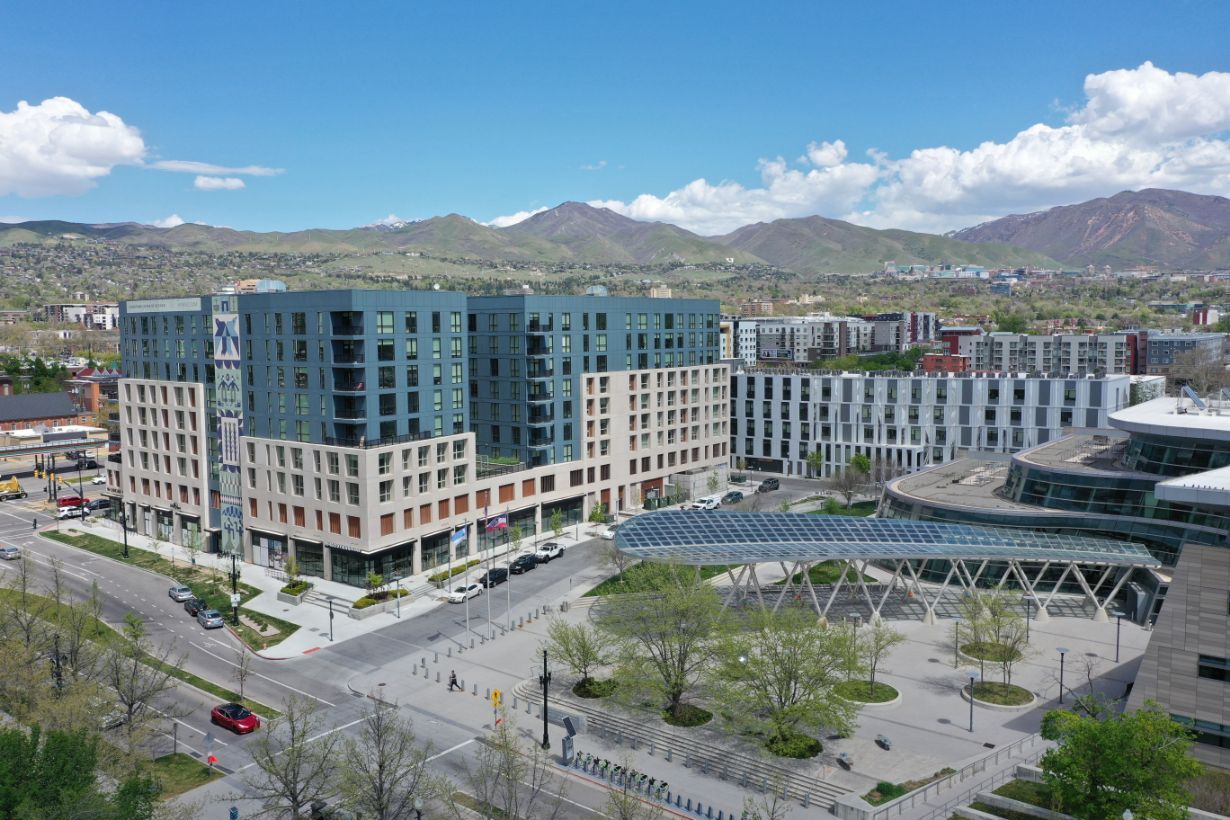
Wadman Corporation has been delivering great builds for 75 years, but company leadership are most proud of the people-building legacy created in the process. By Taylor Larsen
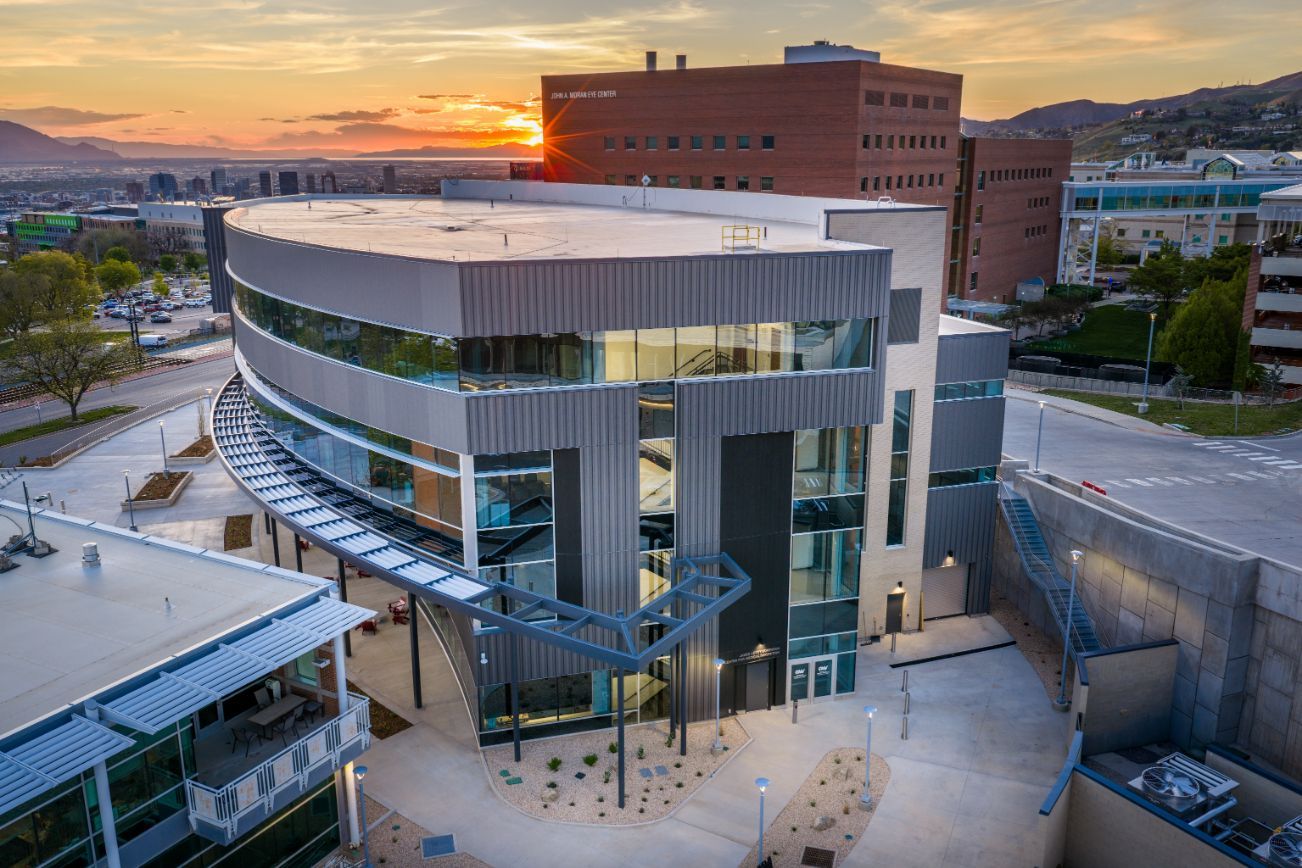
The University of Utah's James LeVoy Sorenson Center for Medical Innovation is redefining the journey from idea to patient care. By Bradley Fullmer
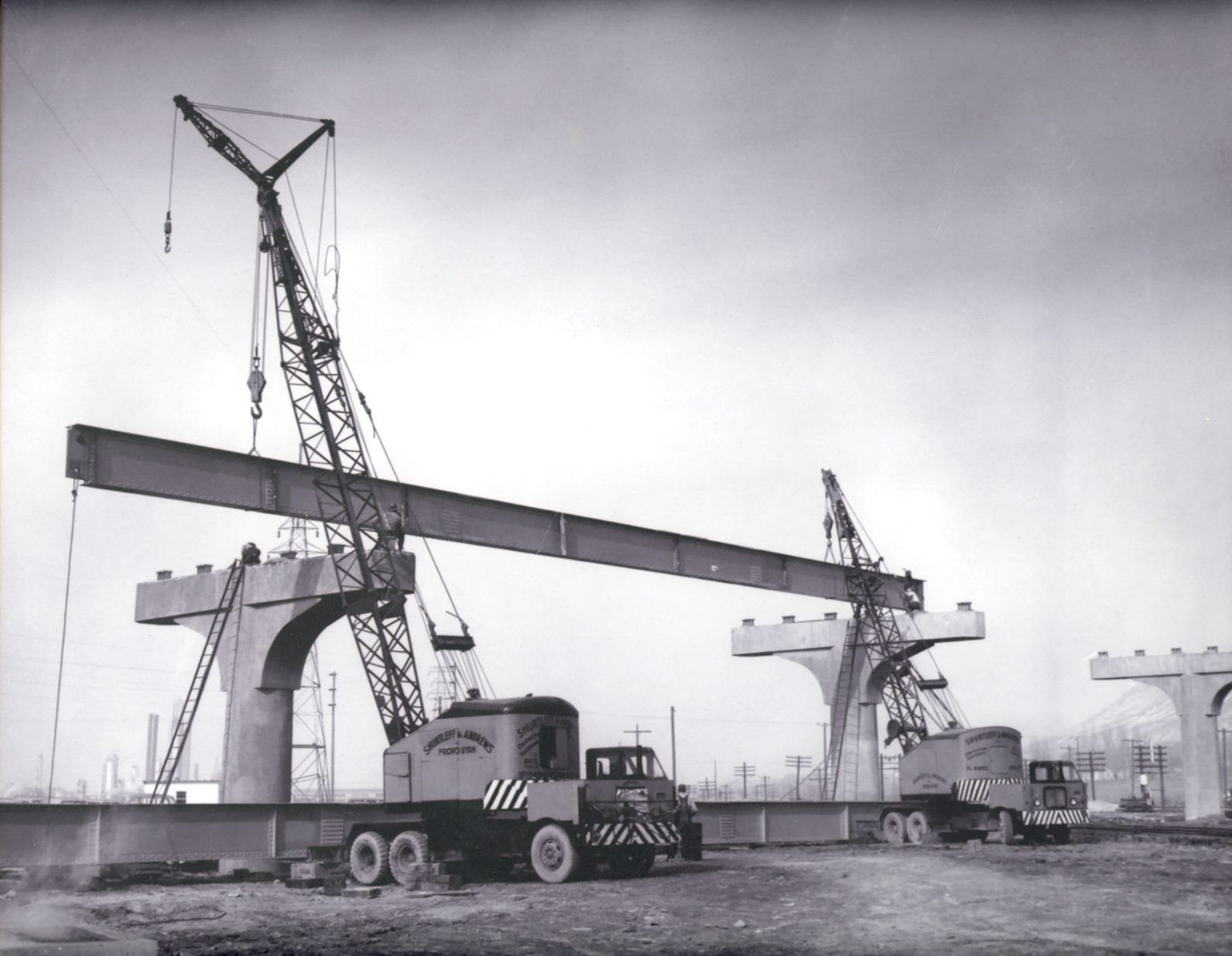
As Clyde Companies marks 100 years since the founding of W.W. Clyde & Co. in Springville, past and current leaders reflect on a legacy of excellence and a commitment to always embrace the unparalleled ethics and hard work instilled by those who came before. By Bradley Fullmer