Ogden-based firm has established itself as a respected general contractor across numerous vertical markets along with being one of the premier multifamily builders in Utah the past 15 years.
By Bradley Fullmer
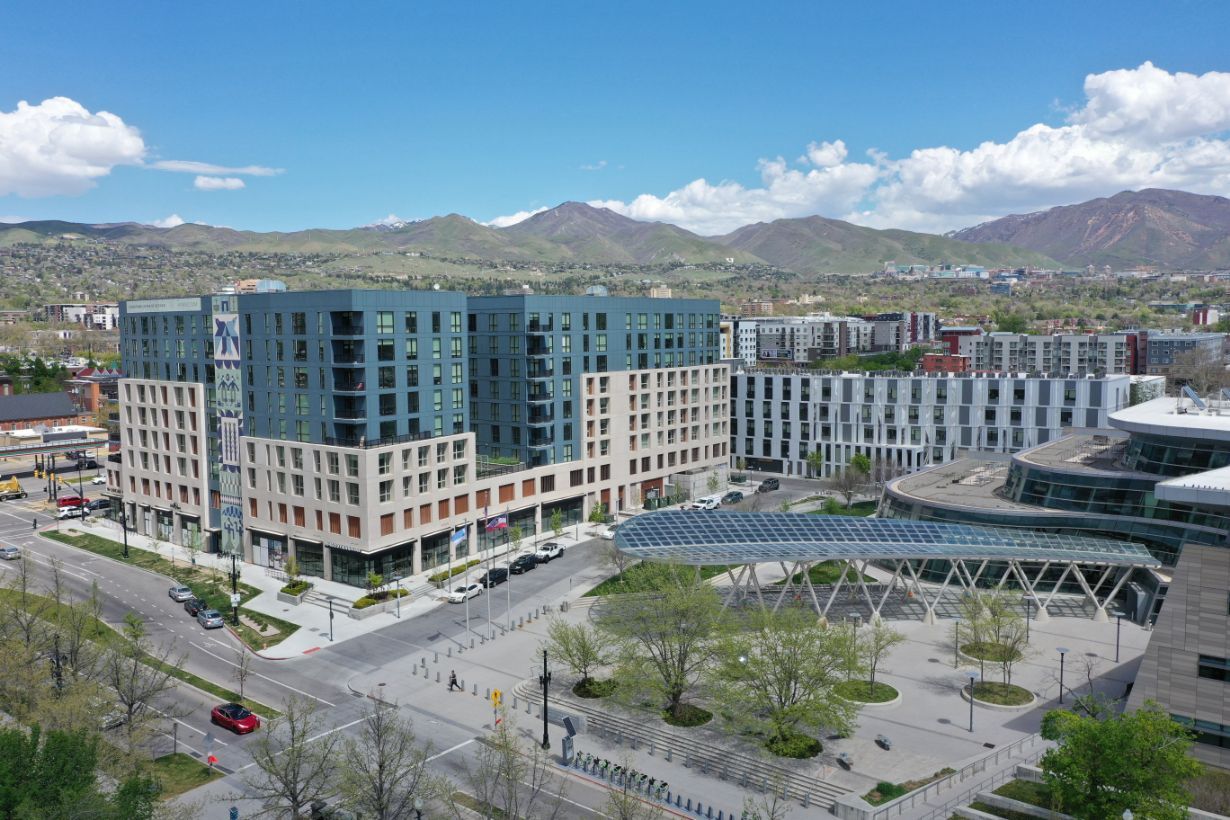
For four decades, Ogden-based KIER Construction has established itself as one of the most recognizable names in Utah’s A/E/C industry. What began in 1986 as a small, family-rooted general contractor has grown into one of the premier multifamily housing builders in the Intermountain West, backed by a deep and diverse resume of commercial projects spanning numerous vertical markets.
Founded by brothers Steve and Scott Kier, the company marks its 40th anniversary in 2026 with a $200 million bonding line, a team of more than 80 professionals, and a portfolio of more than 2,000 completed projects across nine Western states.
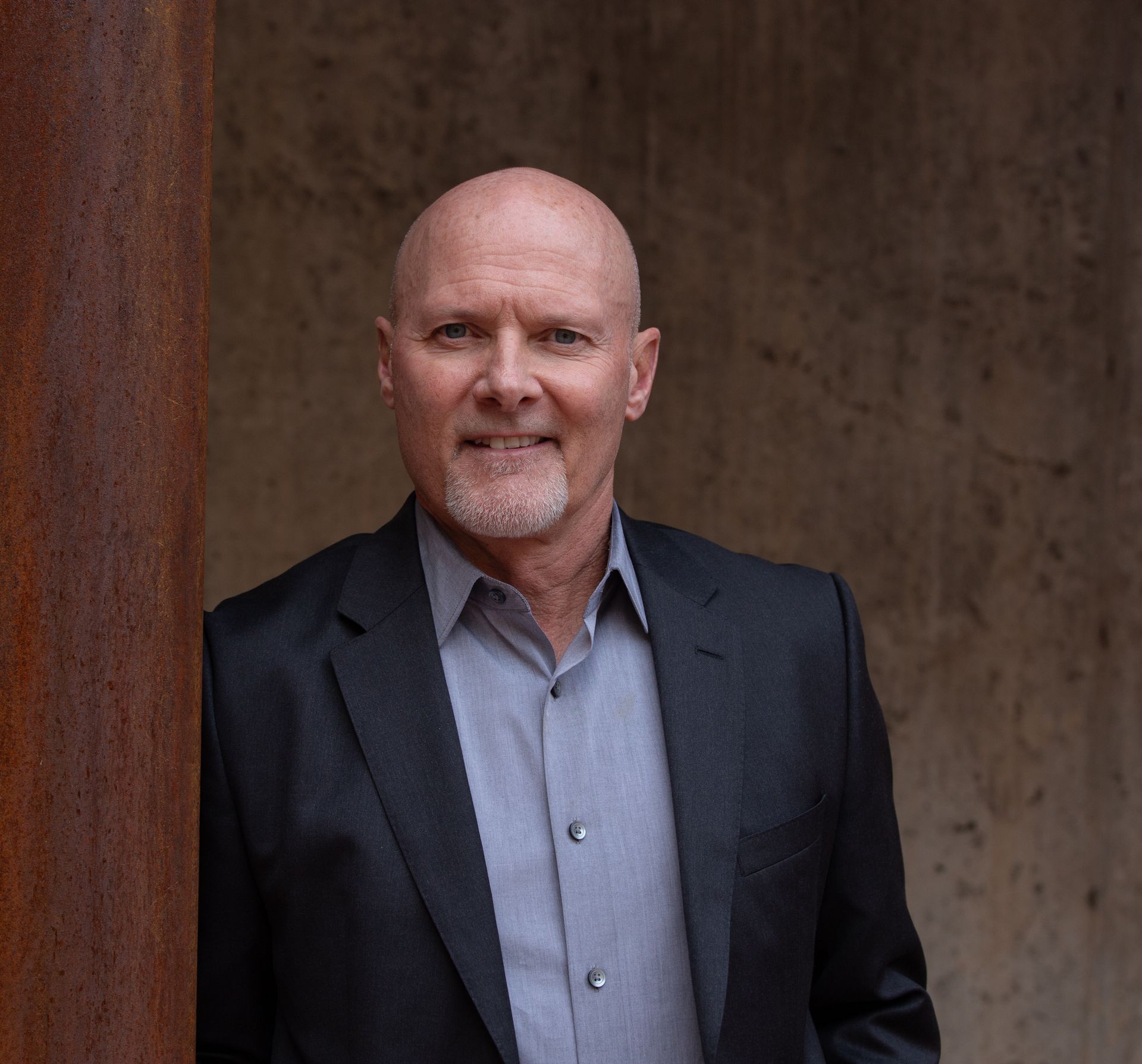
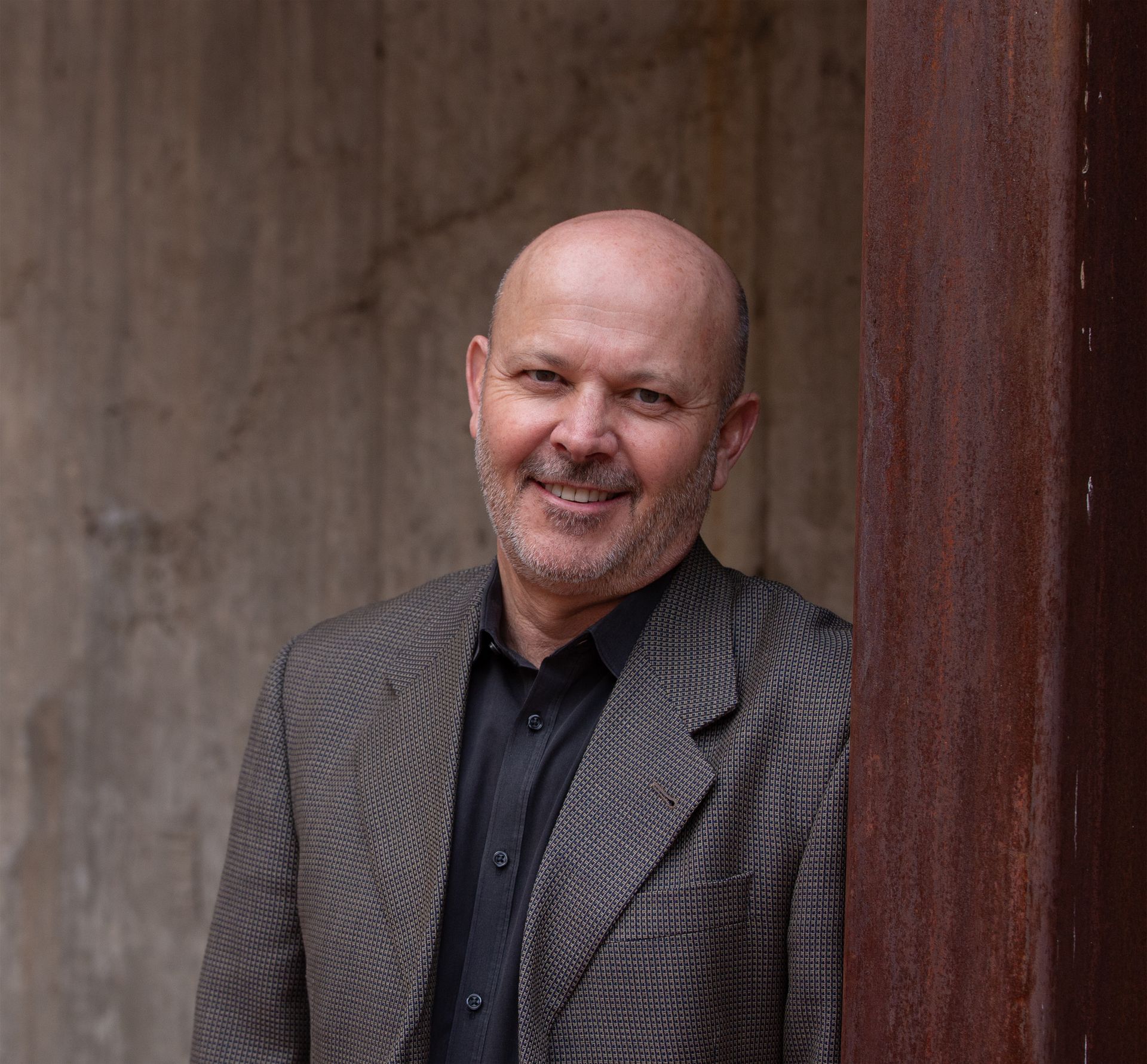
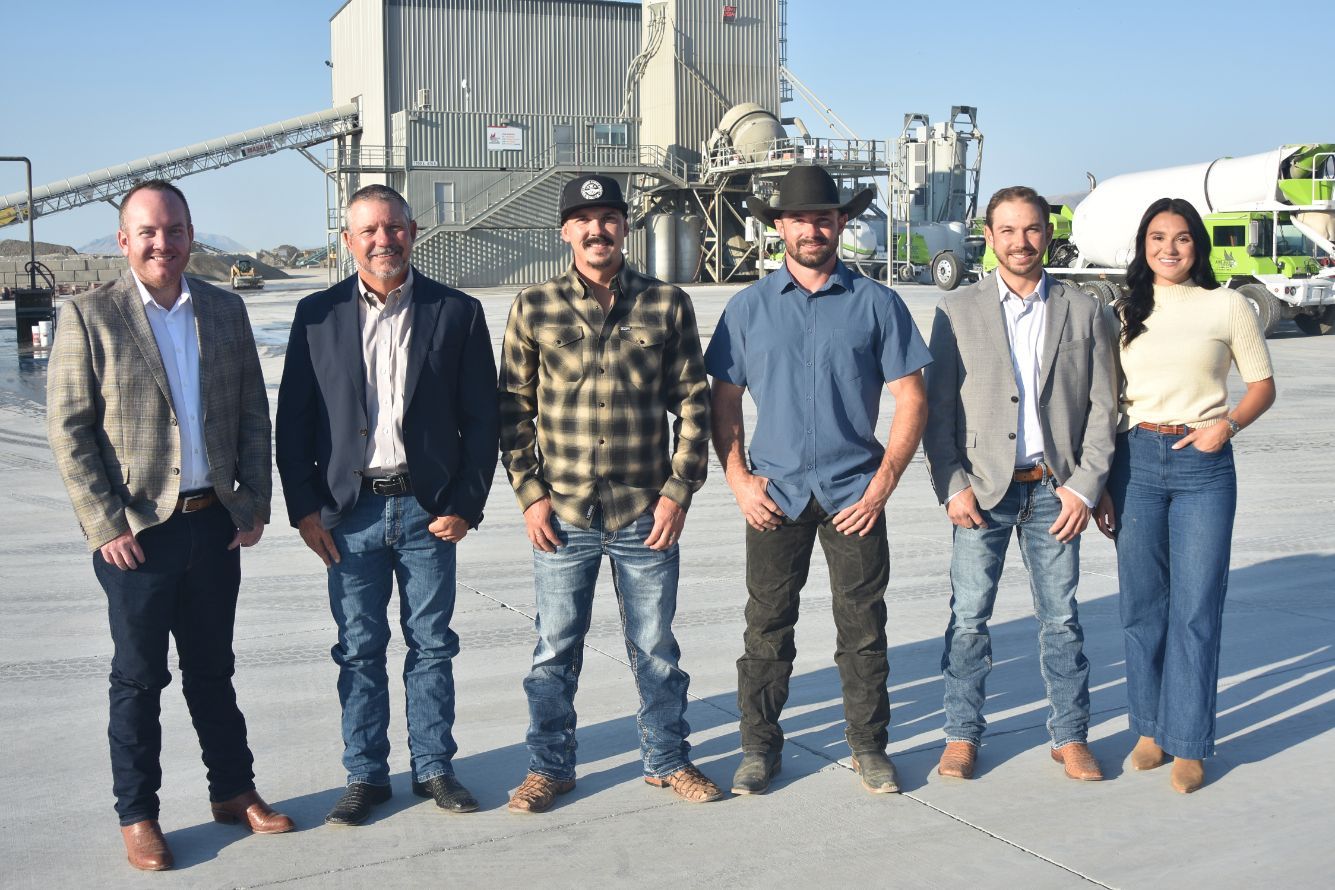
Steve and Scott led KIER Construction for 36 years before stepping back from day-to-day operations and retiring in 2022. Long before that, they had begun preparing the next generation of leadership, spending over a decade grooming that transition and retired with full confidence in the team they left in charge: Clint Costley took the reins as President in 2018, and Andrew Smith assumed the role as Vice President of Operations in 2019.
“These guys know what they’re doing—they’re doing a great job,” said Steve, who served as President from the company’s founding before later becoming CEO. “We can’t run that fast anymore—we might get run over.”
“No need to get in their way,” added Scott.
Humble Beginnings: A Company Reborn in '86
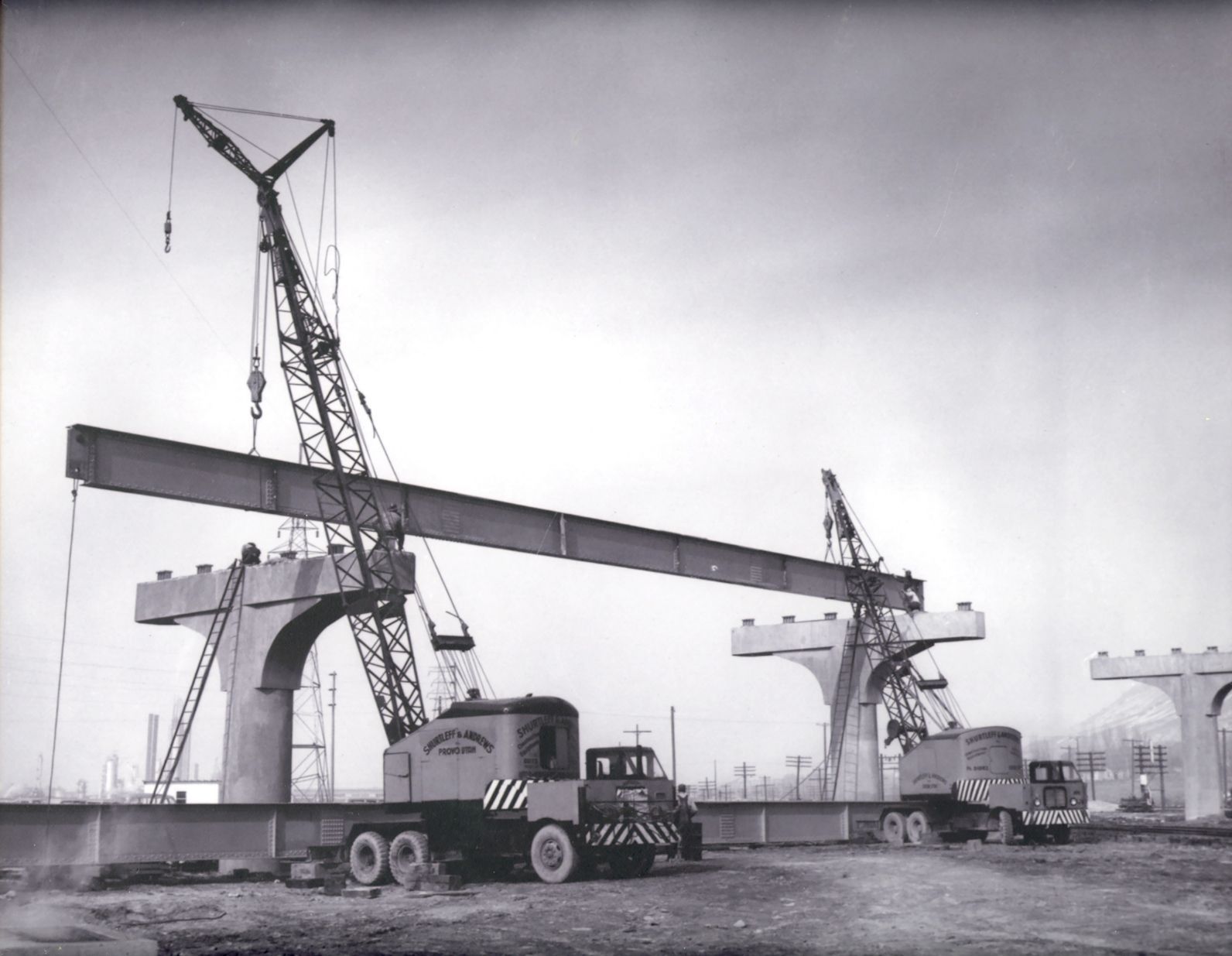
KIER Construction traces its roots to the first generation of Kiers, Canada natives Jim and Norma, who moved their family from Toronto to Ogden in 1956. Jim founded the original Kier Construction in 1961, building homes across Northern Utah. He incorporated the business as Kier Corporation in 1972, shifting his focus to developing multifamily projects—primarily affordable housing through the U.S. Department of Housing and Urban Development (HUD).
By the late 1970s, both Steve and Scott had joined their father, quickly developing a love for the fast-paced contract construction industry.
“When we came into the picture, having grown up in that atmosphere—we just loved construction,” said Steve. “Dad pretty much gave us our wings to go out and pursue contract work, which he never really did. He was a developer that did his own construction. So, Scott and I started bringing in more and more work under his umbrella.”
By 1985, Jim’s bonding company had grown concerned that the brothers’ contract work and Jim’s speculative development projects were operating under one roof. The solution was a clean separation, and on June 30, 1986, KIER Construction was reborn as its own company—led by Steve and Scott, then just 27 and 25, respectively.
“He turned it over to us and gave us the option of naming it,” said Steve. “We decided to take advantage of the brand that had already been created and stick with KIER Construction.”
“Dad setting us up in construction also freed him up to just focus on development, because that was his love,” said Scott.
To get started, Jim loaned his sons $300,000 at 10% interest—incentive enough to work hard and pay off the debt, which they did in year two. Jim’s development work accounted for roughly half of the company’s revenues in those early years, with the balance won through competitive bidding and sheer hustle. He also proved a tougher client than any outside owner, a trial that paid dividends.
“He put us through the gauntlet,” Steve chuckled. “He gave us some very simple, but effective and meaningful pieces of advice that really became our core values.”
“We learned a lot from being treated roughly, because that made us who we are—as far as facing issues and problems within our own business,” said Scott.
The late 1980s were notoriously difficult for contractors, but Jim’s steady development work carried his sons through margins that were often razor-thin elsewhere.
“It was dog eat dog back then, with as many as 10 bidders on every project. A lot of projects we acquired just because people liked us,” said Steve. “We practiced fair play and were fun to work with. We didn’t necessarily have to be low bid, just in the competitive area.”
Though Jim passed away in 2005, the business philosophies he instilled in his sons still guide the company today.
Slide title
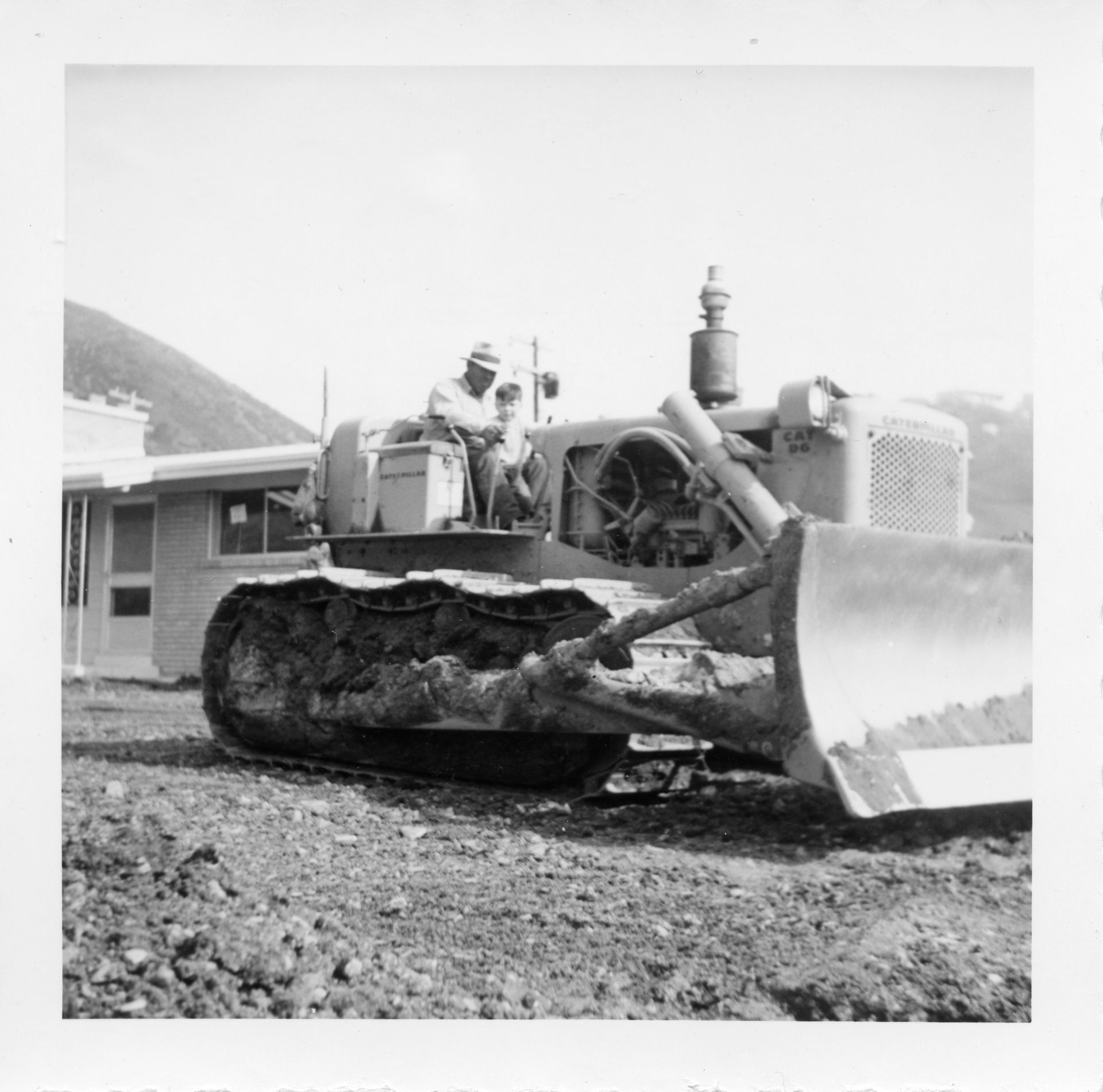
Jim Kier teaches a young Steve from atop a bulldozer in the 1960s.
(all photos courtesy KIER Construction)
Button
Steady Growth Through the 1990s and 2000s
KIER Construction soldiered on through the 1990s and into the 2000s, with revenues reaching the mid-$30 million range late in the decade before gradually climbing to $60 million by the time the recession hit in 2007–08.
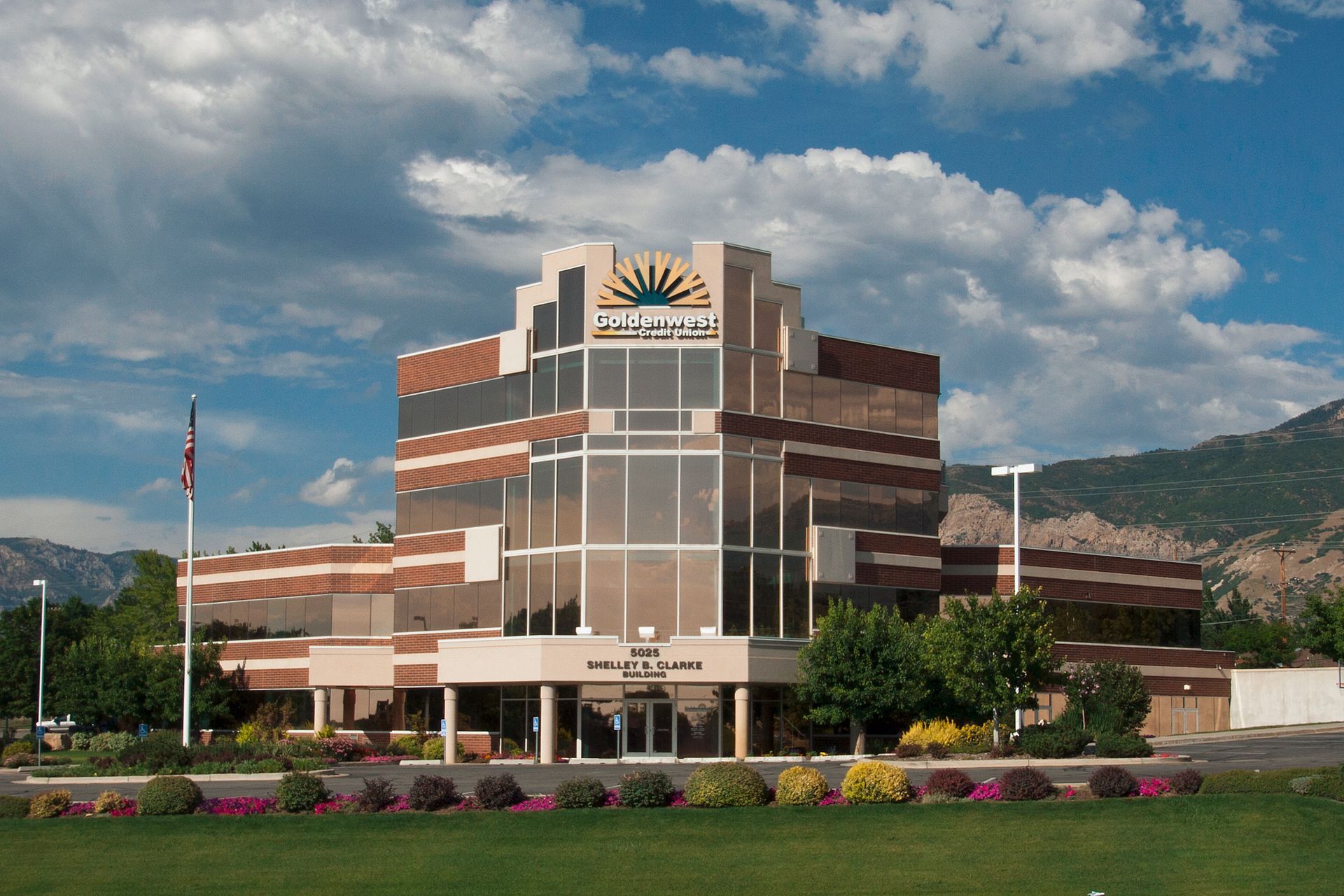
One standout from this era was the four-story, 41,000-SF Goldenwest Credit Union Operations Building in South Ogden, completed in 2000. The building remains a community landmark, renowned for its golden glass exterior and spacious three-story lobby.
The company also built lasting relationships with repeat clients, including defense manufacturer ATK—which acquired Hercules Aerospace in 1995 and Thiokol in 2001—leading to more than a decade of industrial projects at its Promontory site. In 1996, KIER began building timeshare resorts for Trendwest Resorts (later WorldMark by Wyndham), a profitable line of work that continued for more than a decade.
The firm hired Clint Costley in 1998 to assist Scott with estimating and eventually Steve with business development.
When the Great Recession arrived, KIER weathered it by consciously focusing on municipal, religious, and non-profit housing developments, work that kept the doors open through a difficult three-year stretch. The firm’s reputation for quality, combined with Steve and Scott’s amiable approach, made it a go-to contractor.
“We were able to acquire projects because of our brand,” said Steve. “[Owners] wanted our services over the next guy. When the Great Recession started to fade, all the pent-up demand for multifamily appeared and developers were knocking at our front door. “
Riding the Multifamily Wave
While revenues had been cut in half during the recession, Utah bounced back faster than most states, and KIER Construction’s fortunes turned sharply for the better as the multifamily boom ramped up. After leaving in 2006, Costley rejoined the company in 2012, and it didn’t take long for KIER to establish itself as a major player in the booming multifamily market.
“Utah’s had a huge uninterrupted in-migration since 2011,” said Costley. “Urban infill became a thing in the late 2010s, and we’ve ridden that wave now for the last 15 years. By project count, it’s closer to equal between multifamily and other commercial work—we just have bigger multifamily jobs than we do commercial jobs.”
Multifamily housing can be lucrative, executives said, but it carries outsized risk when mistakes are made. “When you’re building multifamily, if you miss one component, you miss it 50 times or 100 times, or however many units there are,” said Scott.
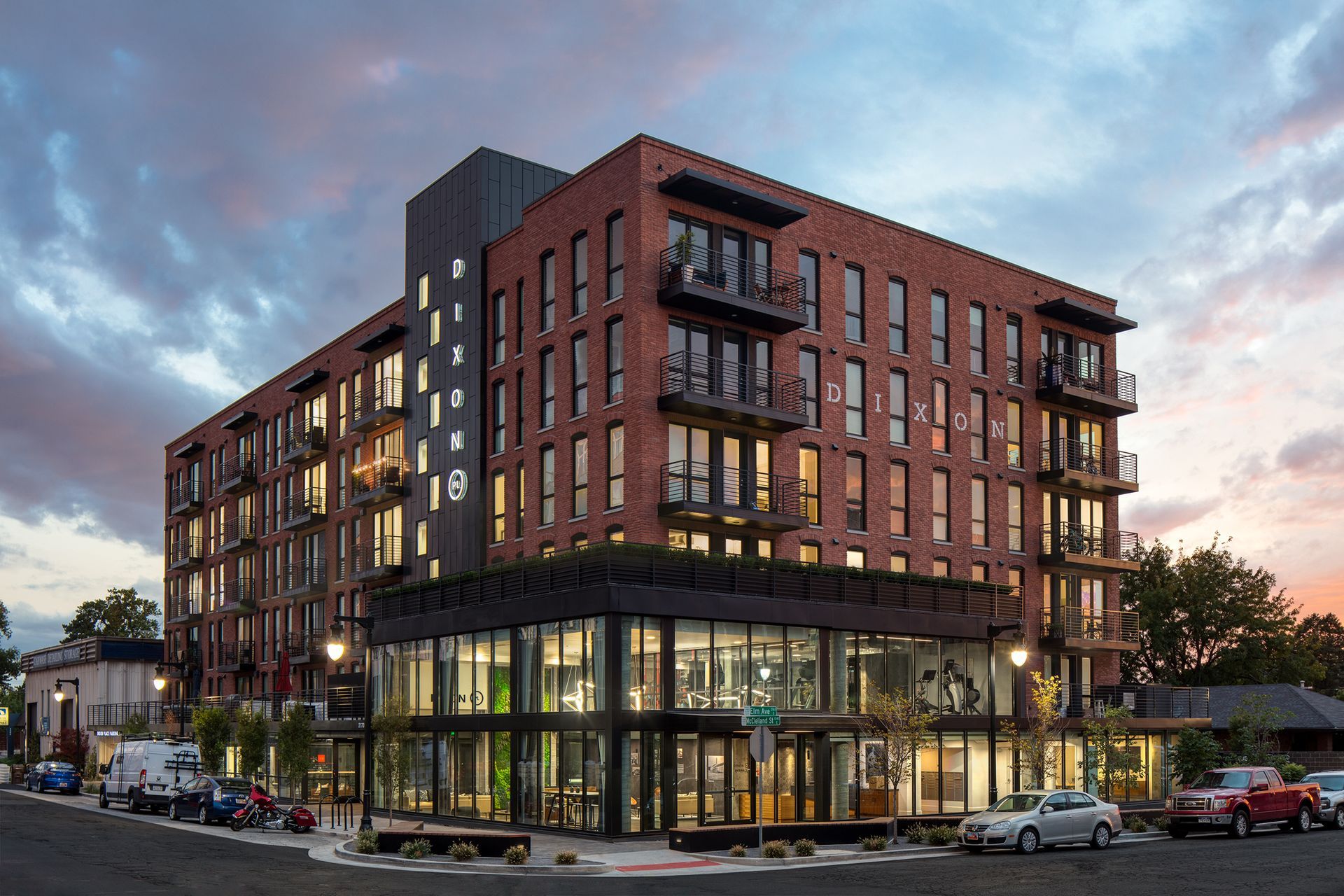
“There’s inherently a lot more risk in multifamily than in other verticals,” added Costley. “The size and complexity of these projects today is extremely different than what would normally be viewed as an apartment in the old days of garden-style walk-ups. We do seven- and eight-story structures that have super complex systems, on zero lot line sites.”
Smith has helped refine that complex multifamily playbook since joining KIER in 2013—turning hard-won lessons into repeatable systems.
“Multifamily at this scale comes down to execution and sequencing—the difference between a good project and a great one is how well your team and your subcontractors perform, day in and day out,” said Smith. “We’ve spent years building the processes that let us deliver that consistency, and that’s what allows us to take on the most complex projects in the market.”
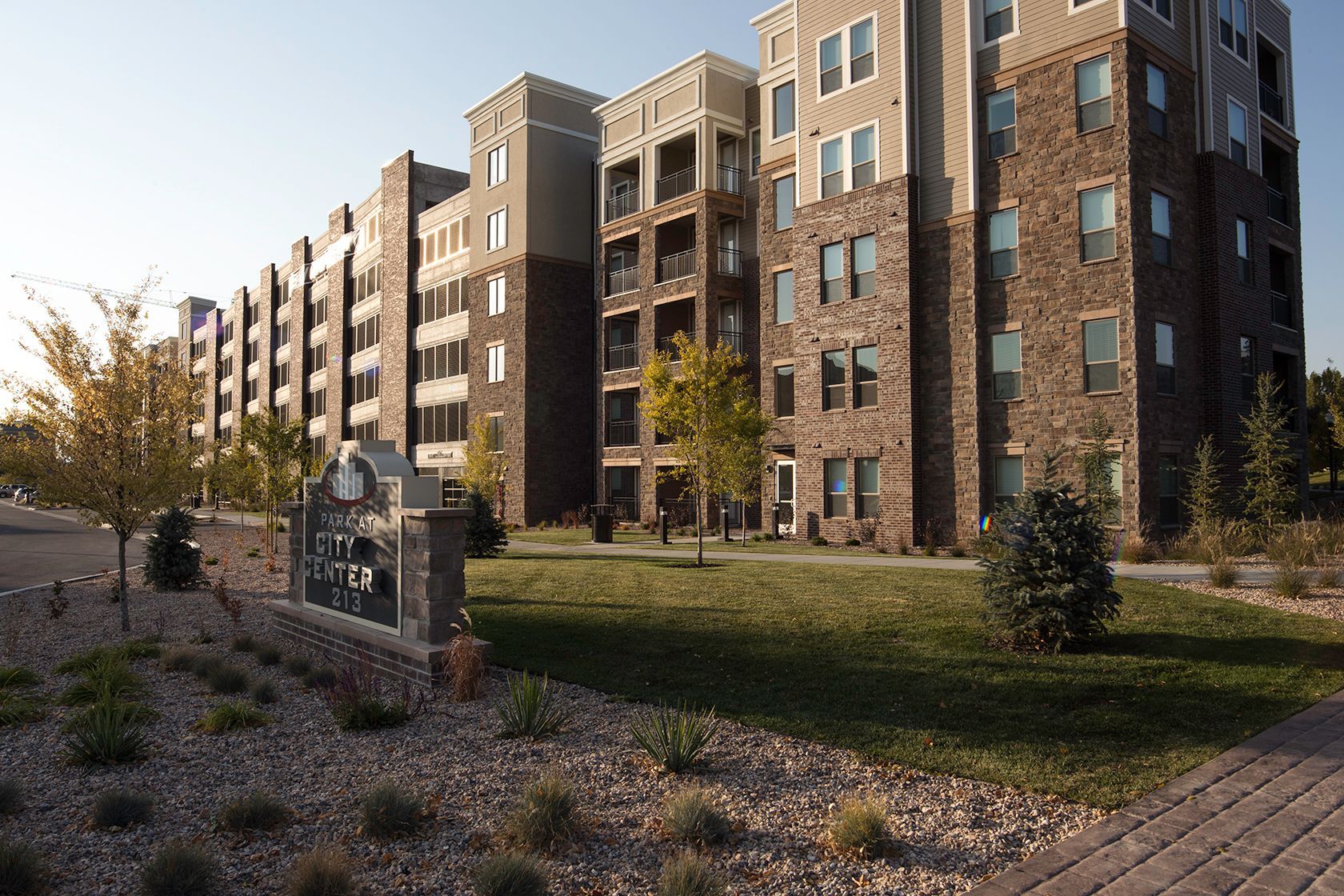
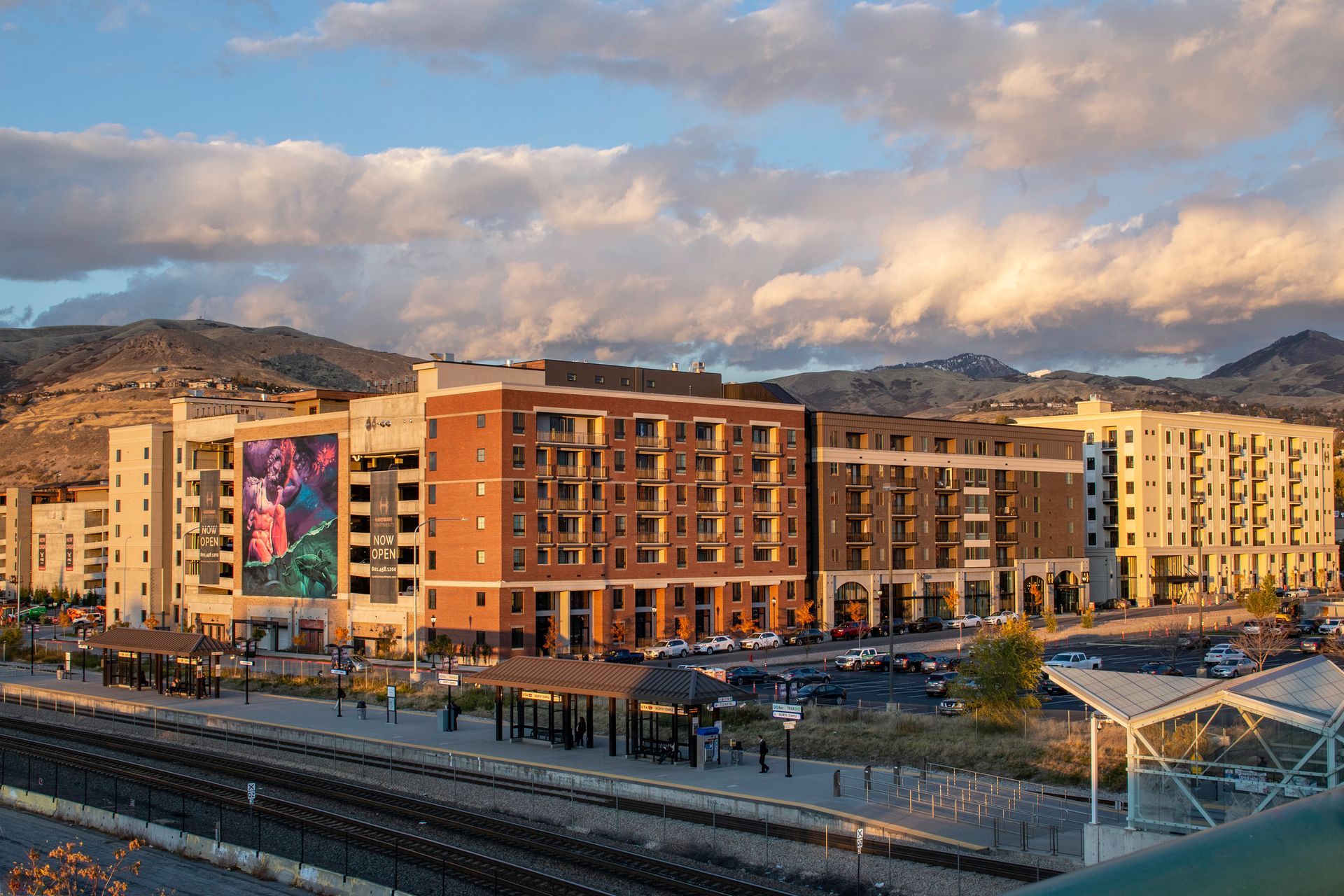
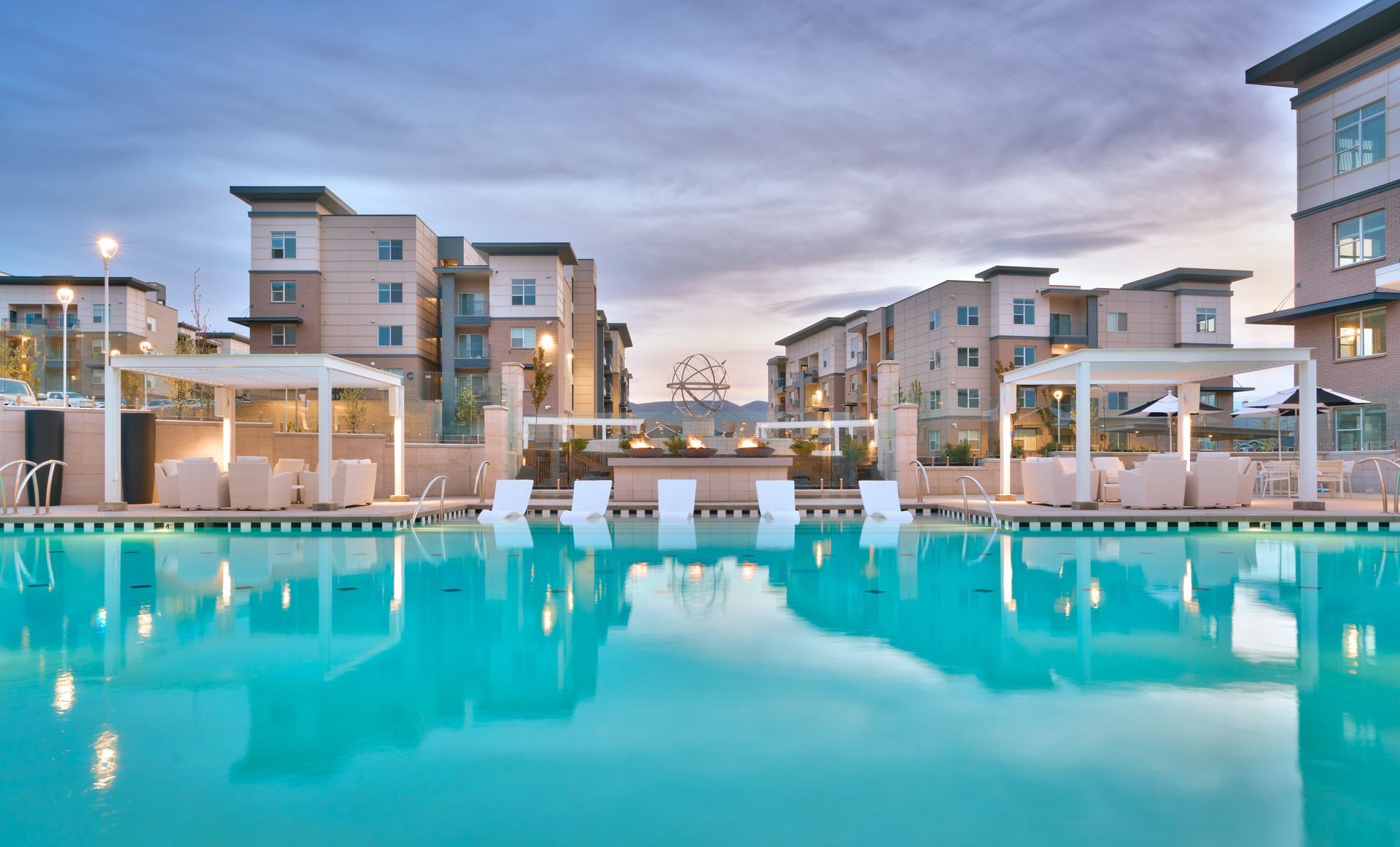
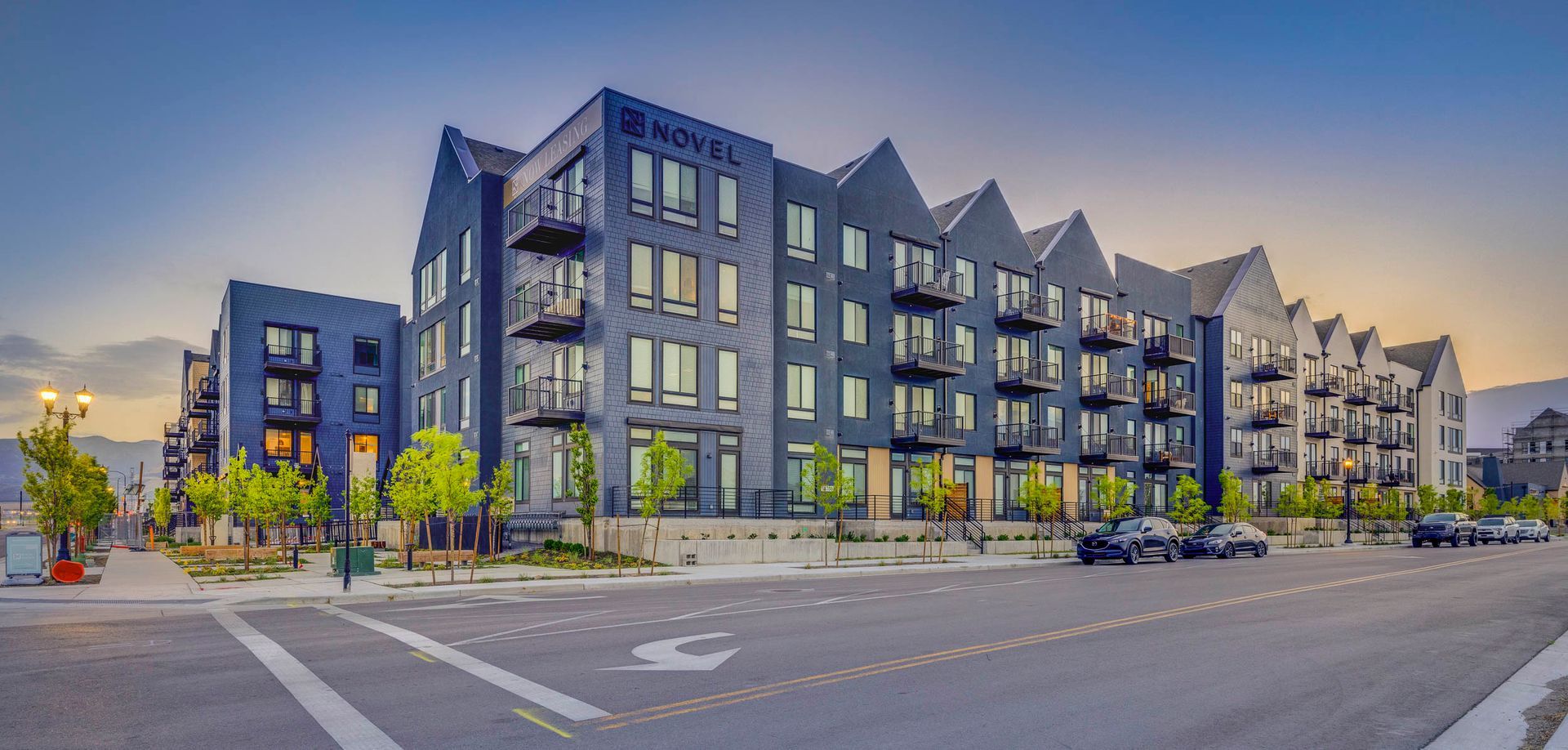
The firm’s growing expertise showed in projects like the 330-unit, 410,000-SF Park at City Center in Sandy, completed in 2015. The high-end, market-rate complex features resort-style amenities and a six-level parking garage.
Slide title
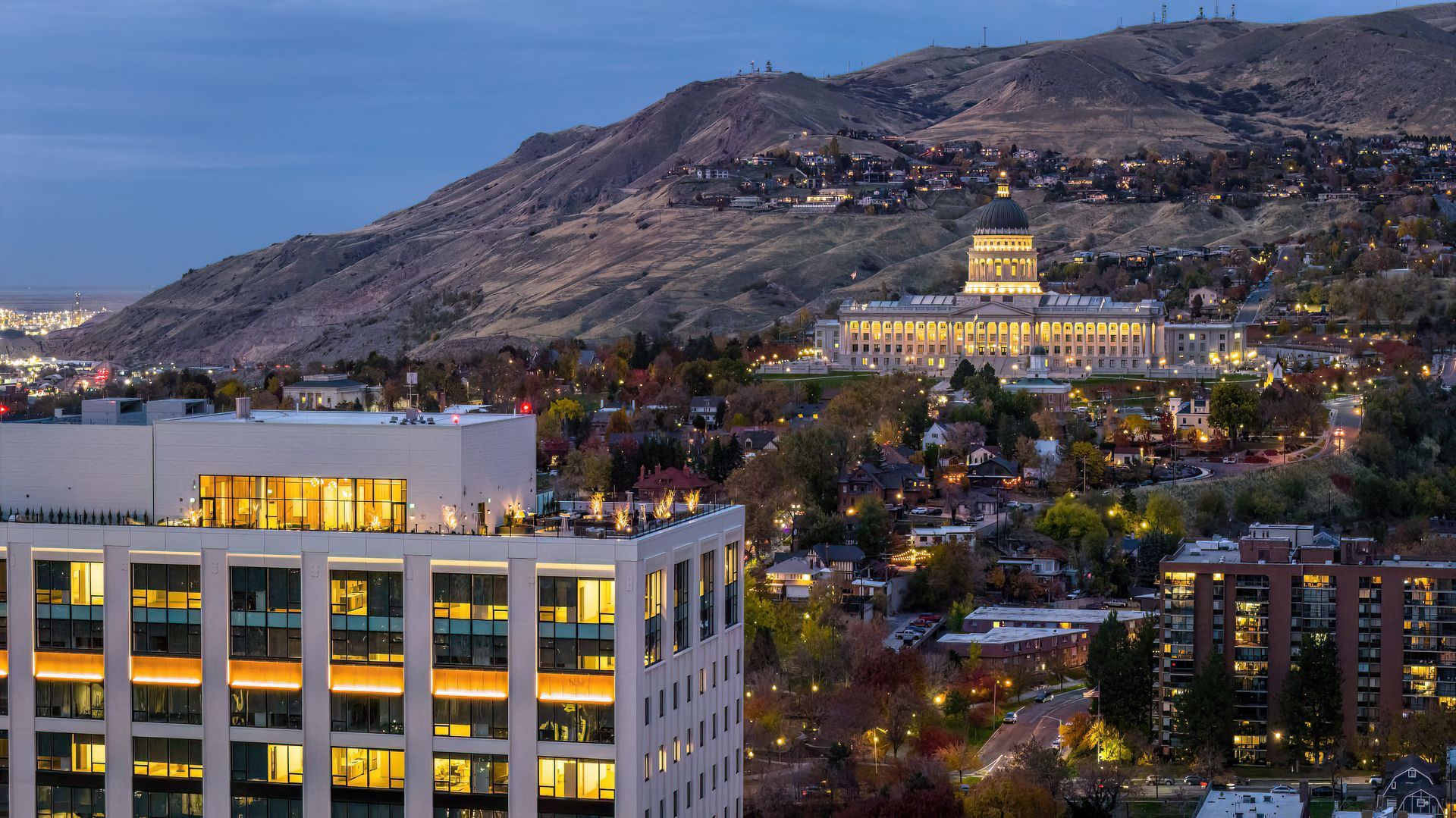
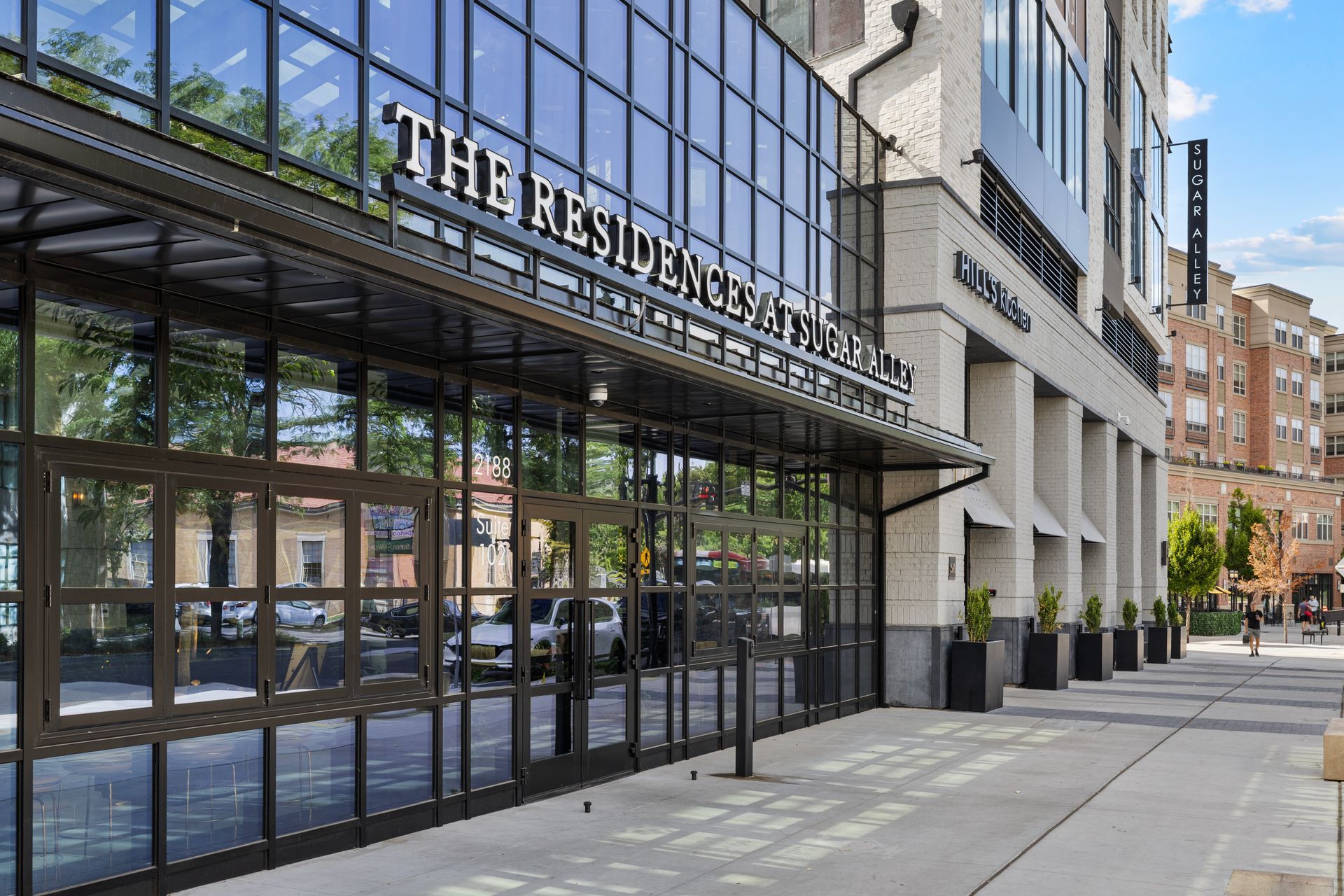
The Residences at Sugar Alley, in the heart of Salt Lake’s Sugar House neighborhood, is a defining multifamily project in the firm’s history.
Button
Slide title
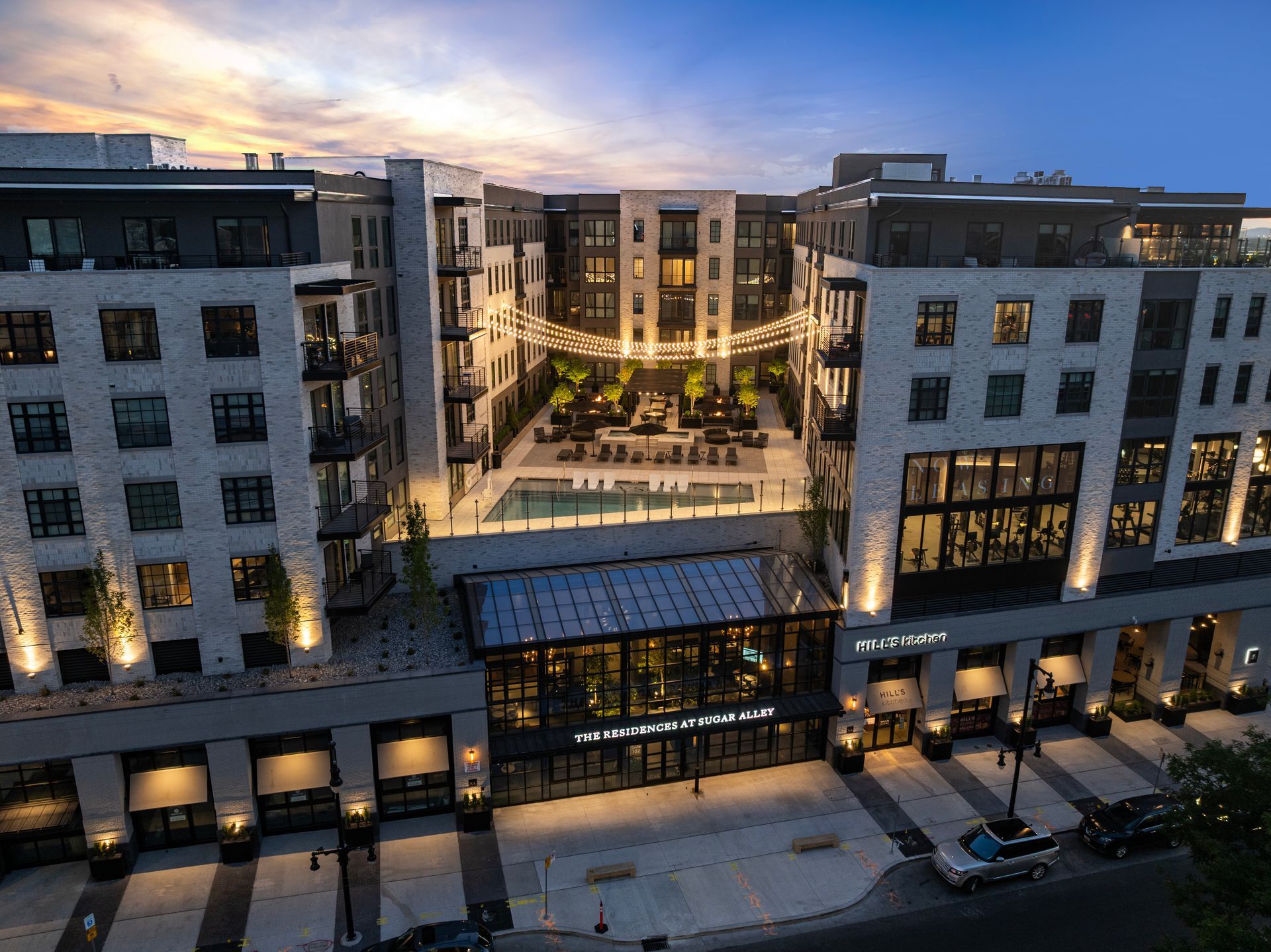
The Residences at Sugar Alley
Button
Slide title
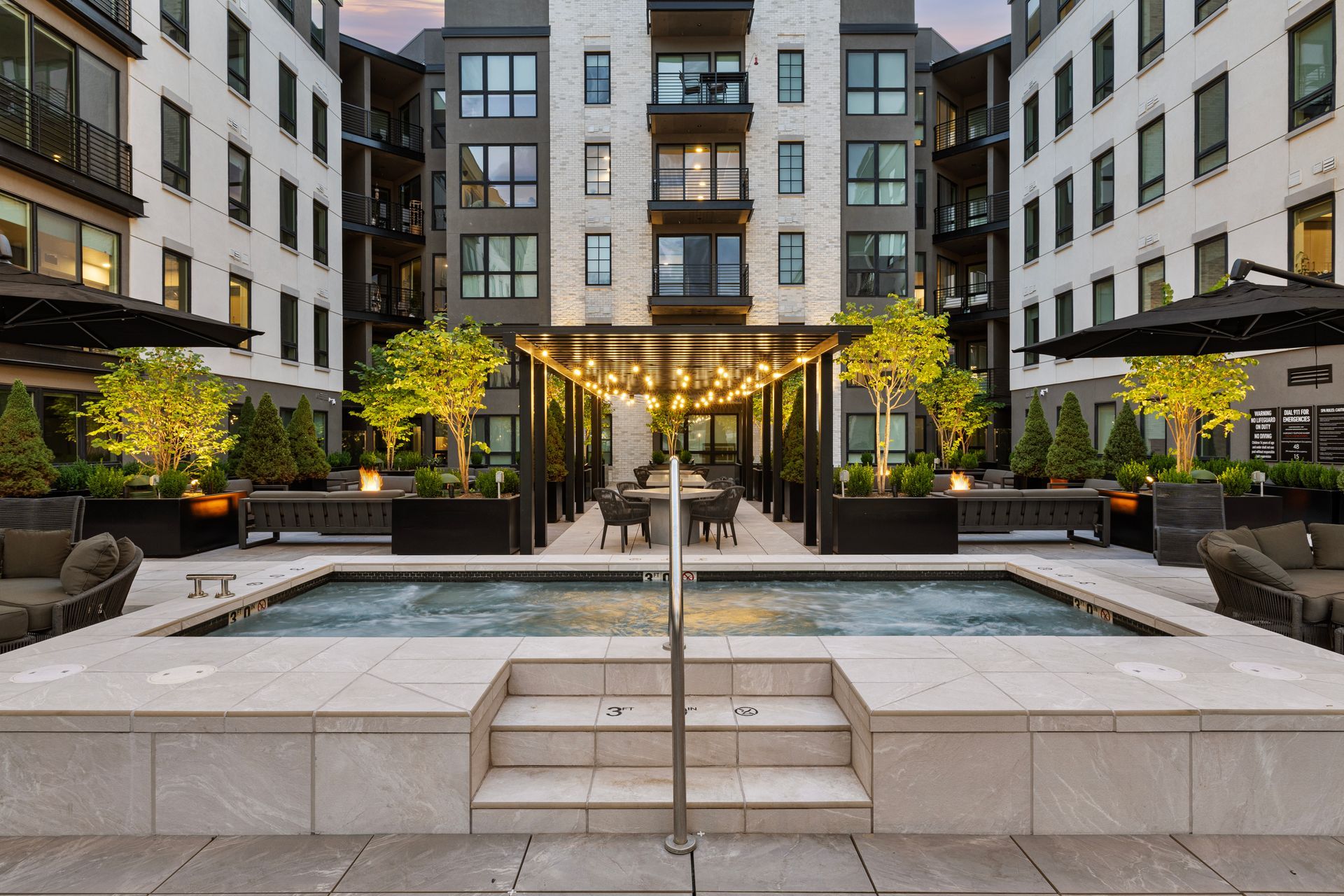
The Residences at Sugar Alley
Button
Sugar Alley: A Defining Moment
Perhaps the most prominent multifamily project in the firm’s history is also one of the most dramatic building stories in Utah.
In the early morning hours of October 26, 2022, a massive four-alarm fire, the single largest blaze in Salt Lake City’s history—destroyed the eight-story, 193-unit Sugar Alley apartment complex, a $61.7 million project that was more than 80% complete. Devastating as it was, the fire became a defining moment in the company’s leadership transition.
“The night of the fire is probably the best example of KIER’s leadership transition,” said Costley. “Steve and I got to the scene at relatively the same time. Salt Lake City’s fire chief was there and asked Steve, ‘Are you in charge?’ And Steve said [pointing to me], ‘He’s in charge.’ At that moment, standing on a Sugar House street corner and watching our project burning to the ground, I felt the weight of the company on my shoulders and wondered if I was ready for the magnitude of what was to come. Fortunately, Steve and Scott allowed us a ton of grace in navigating leadership lessons on our own.”
After a months-long investigation, the 210,000-SF project resumed and was completed in April 2025, earning awards and recognition as one of the most striking multifamily projects in Salt Lake's vaunted Sugar House neighborhood.
The Kiers’ confidence in Costley runs deep. Steve recalled a conversation from 2006, shortly before Costley left to work for a rival firm: “I asked him, ‘Where do you see yourself in 20 years?’ And his response was, ‘I want your job'. The funny thing is, it pissed me off at the time. But when we started our succession planning, he was the first person I thought of.”
Built to Last: A Diversified Future
Forty years in, KIER Construction’s track record tells the story of a contractor that has always been diversified. Post-recession, revenues more than doubled from $58 million in 2012 to $128 million in 2016—the firm’s first year eclipsing the $100 million mark—followed by $134 million in 2017. After dipping to $113 million in 2020, the past five years have been consistently strong, ranging from $137 million to a 2024 peak of $192 million, with $154.6 million in 2025 and designs on exceeding $200 million in 2026.
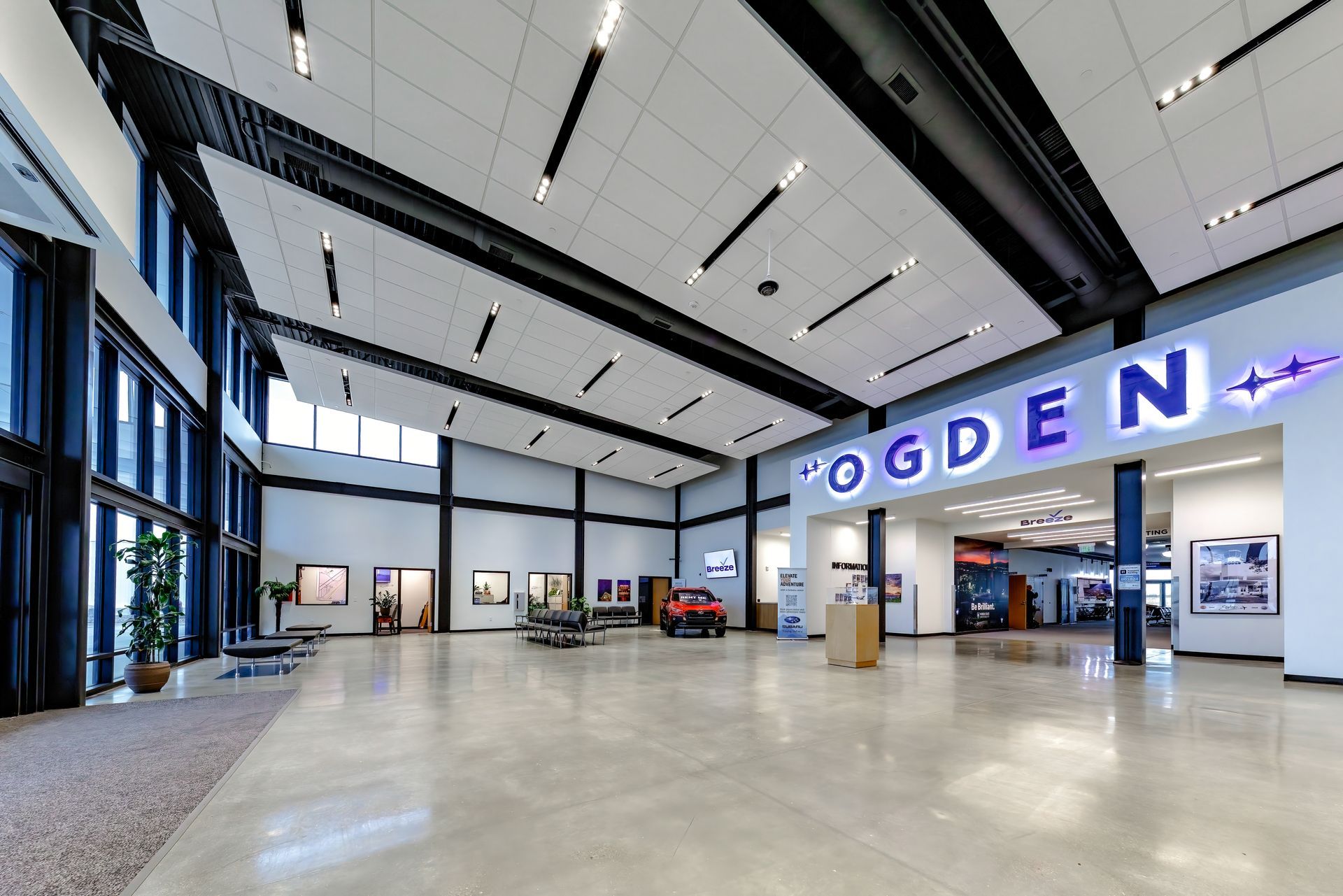
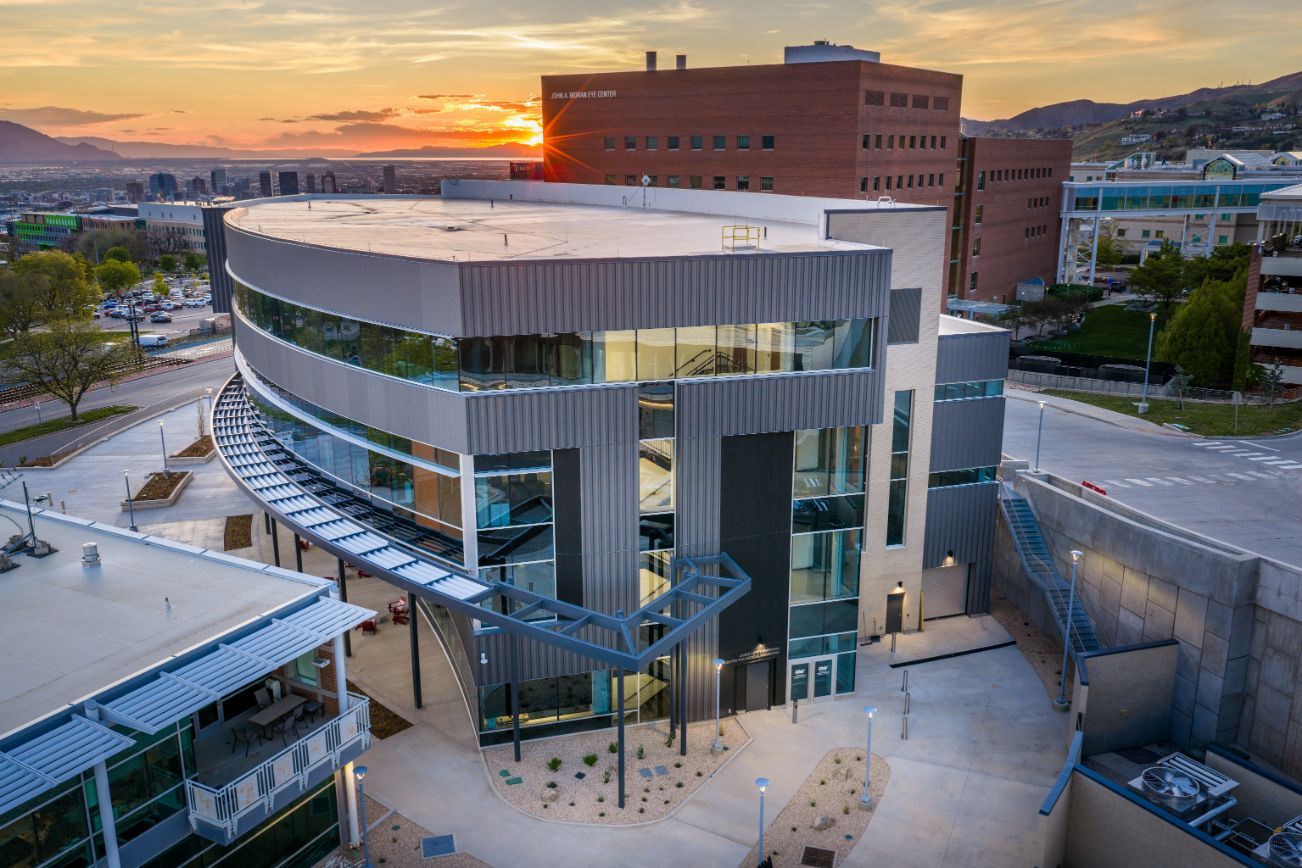
While multifamily remains a cornerstone, the firm continues to deliver across a wide range of markets—municipal, institutional, industrial, hospitality, healthcare, financial, and retail. Recent commercial highlights include numerous projects for Weber State University, the Ogden-Hinckley Airport terminal expansion, and ongoing public safety work such as fire stations. The firm also recently commenced its first project for The Church of Jesus Christ of Latter-day Saints, a stake center in Etna, Wyoming.
In addition to Costley and Smith, a third generation of Kier family members have roles at the company. Scott's sons, Jason and Carson, are Project Superintendents, while Steve's son, Jaxon, is a Project Engineer Intern.
Costley and Smith are optimistic about where the firm is headed—confident in continuing to excel in multifamily while expanding its commercial footprint, all as KIER sets its sights on another revenue benchmark and its next 40 years.
“We’ve always been a diversified builder—that’s part of what’s made us durable for 40 years,” said Costley. “Multifamily has been a huge part of our growth, but we’ve never stopped building the commercial, municipal, and institutional work that’s in our DNA. Projects like Weber State, the Ogden airport, and our public-safety facilities show the breadth of what this team can do, and that diversity is exactly what positions us for a strong, sustainable future.”