








The new $36 million USDC Comprehensive Therapies Building offers myriad services within one facility for individuals with extreme physical and behavioral health challenges, enabling them to lead independent, authentic lives. By Milt Harrison
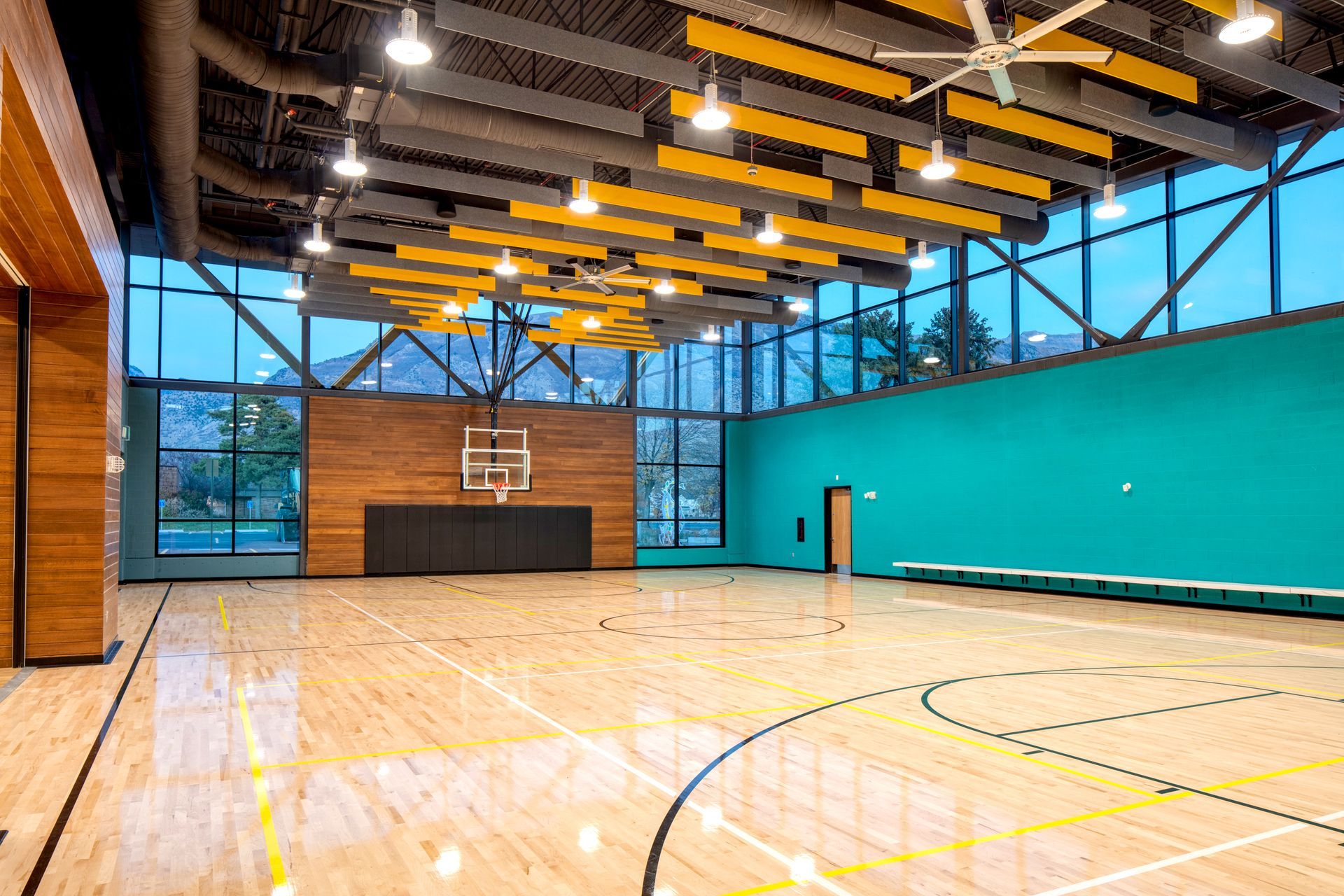
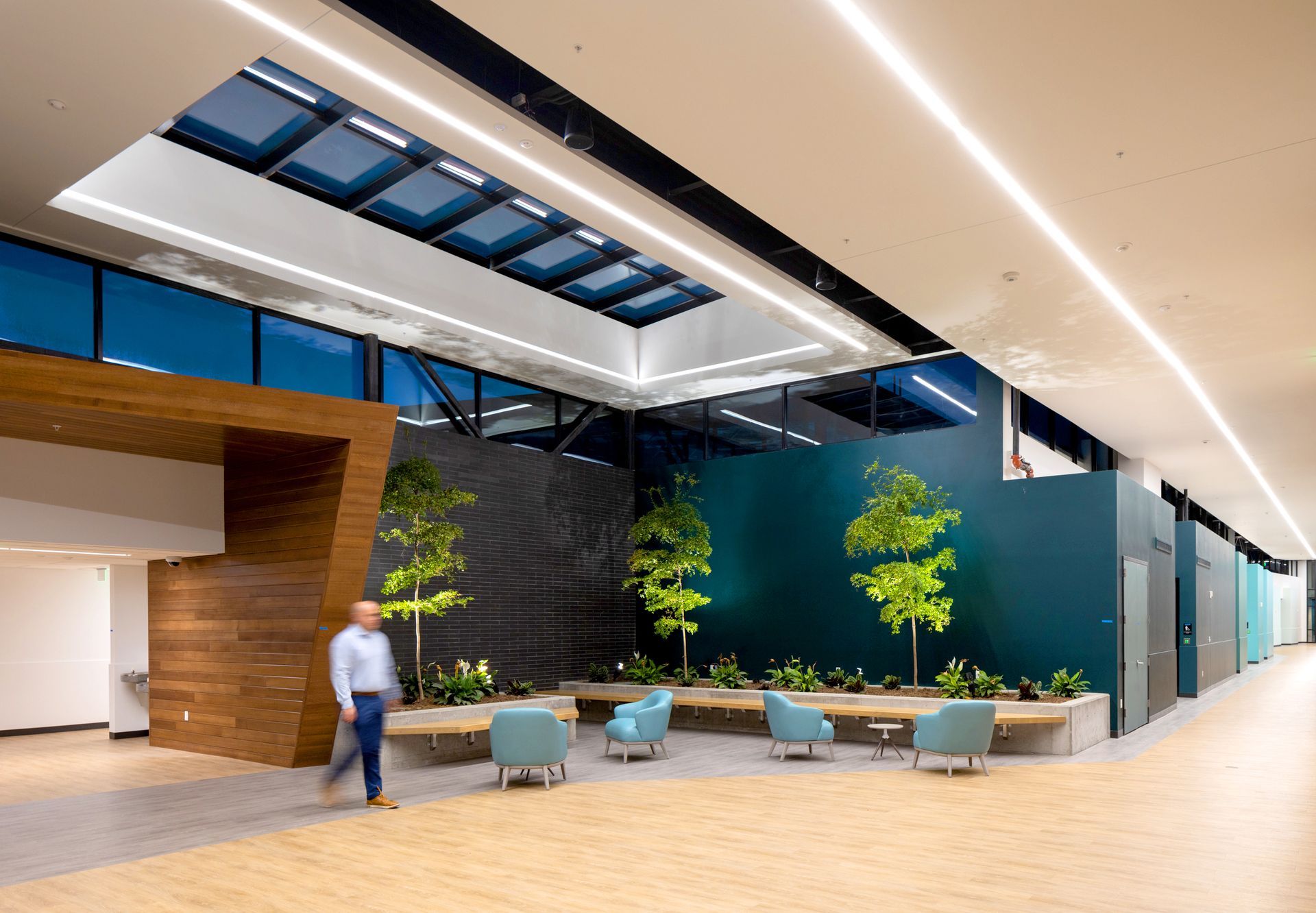
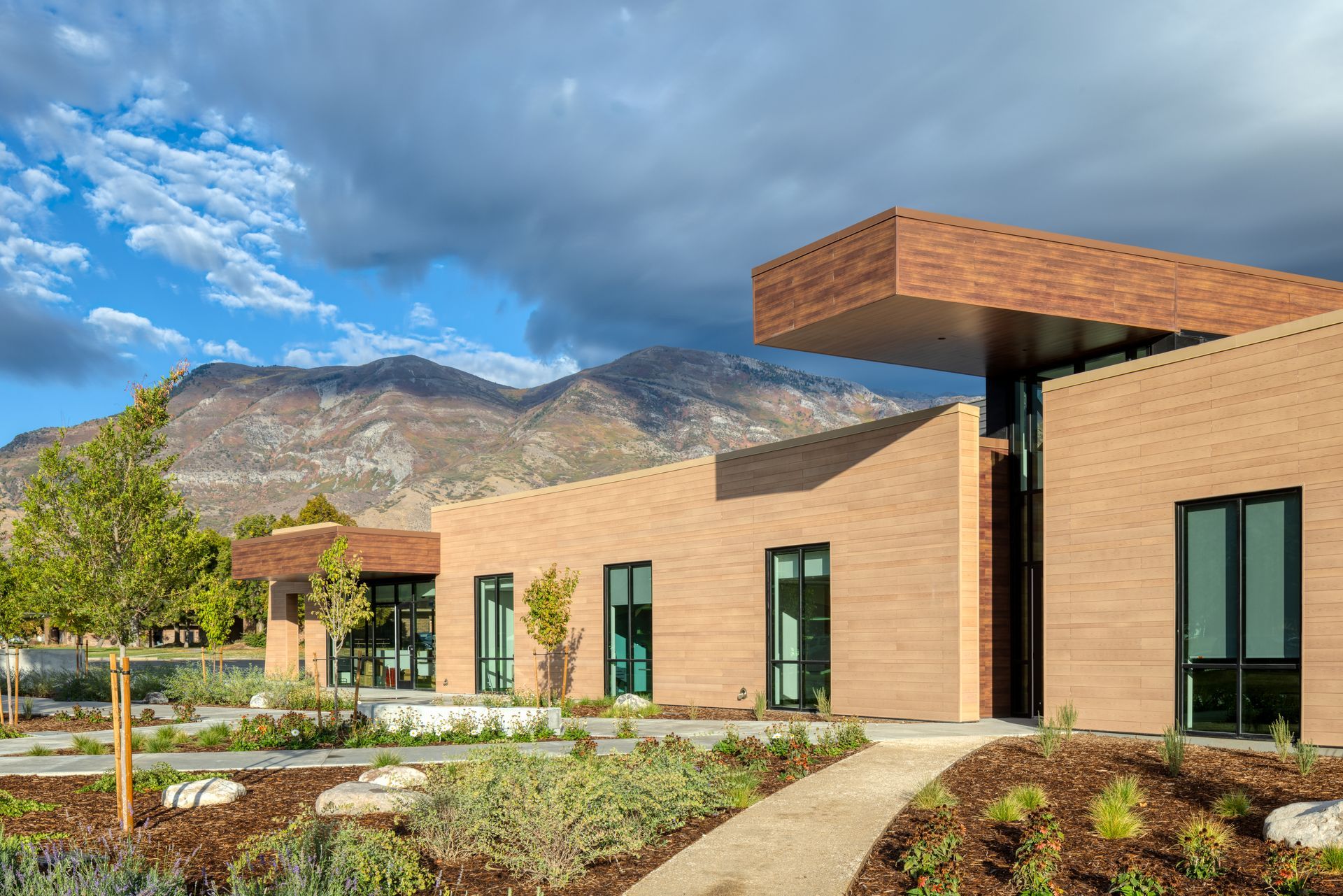
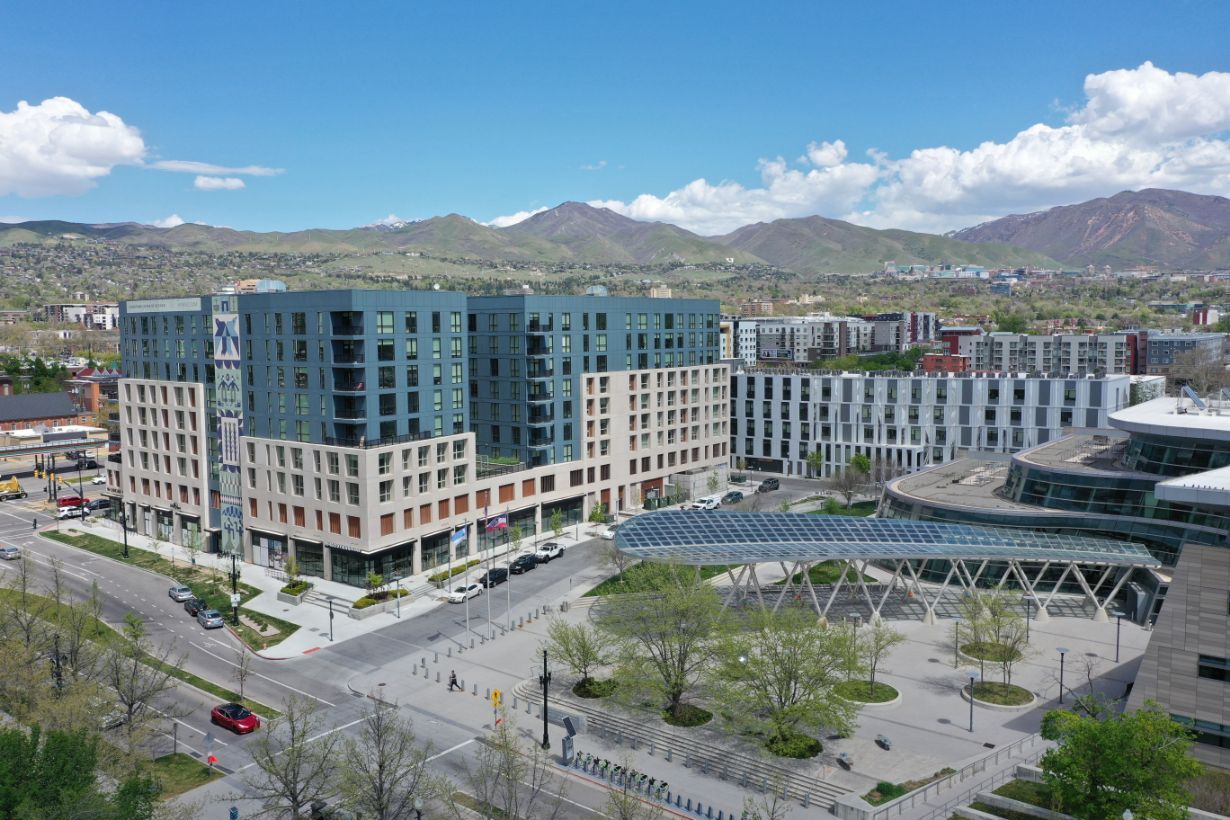
The facility includes a full-size basketball court and spacious, well-designed public areas, with drought-tolerant landscaping adding to the aesthetics. (top left, center photos courtesy Jacoby Architects; exterior photos by Paul Richer, courtesy Layton Construction)
Life Skills Apartments, Vocational Training Allow for Growth, Functionality
A fully furnished, residential-style space enables residents to practice daily living activities such as cooking, cleaning, and personal care in a safe, supportive environment that fosters greater independence. Alongside it, a vocational training room provides hands-on opportunities for residents to develop job skills—such as crafting, assembly, or customer service—to prepare them for meaningful work and community engagement.
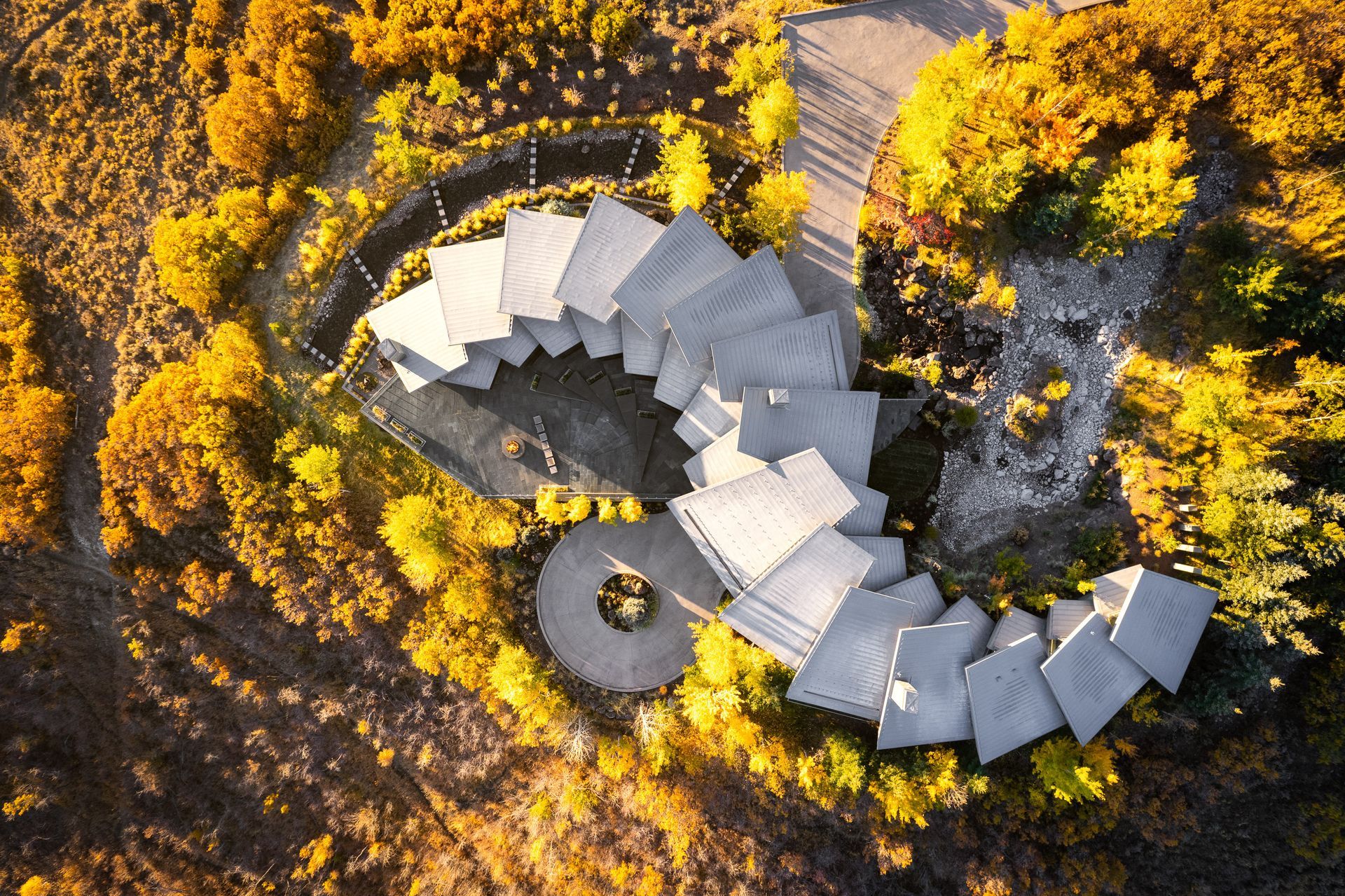
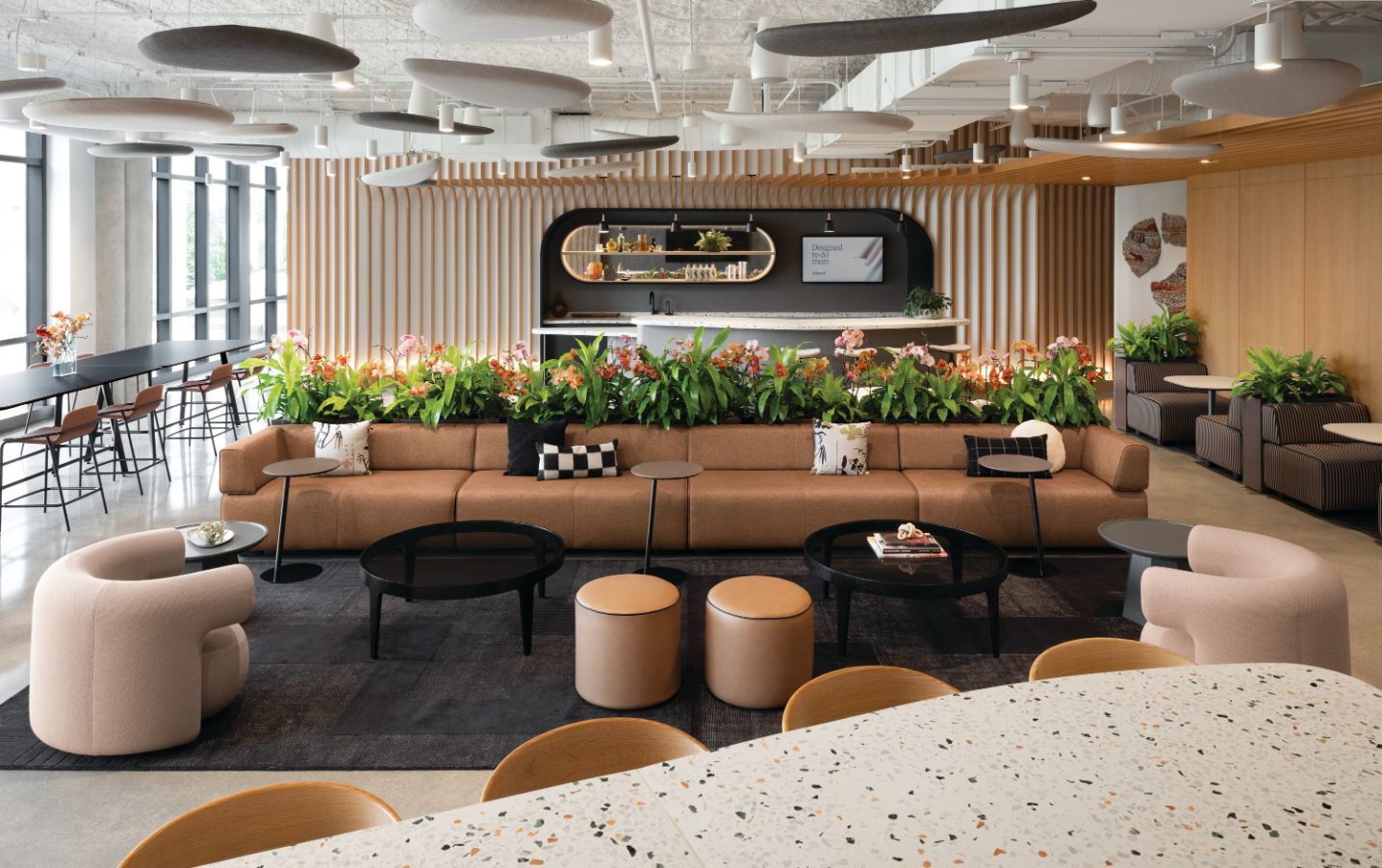
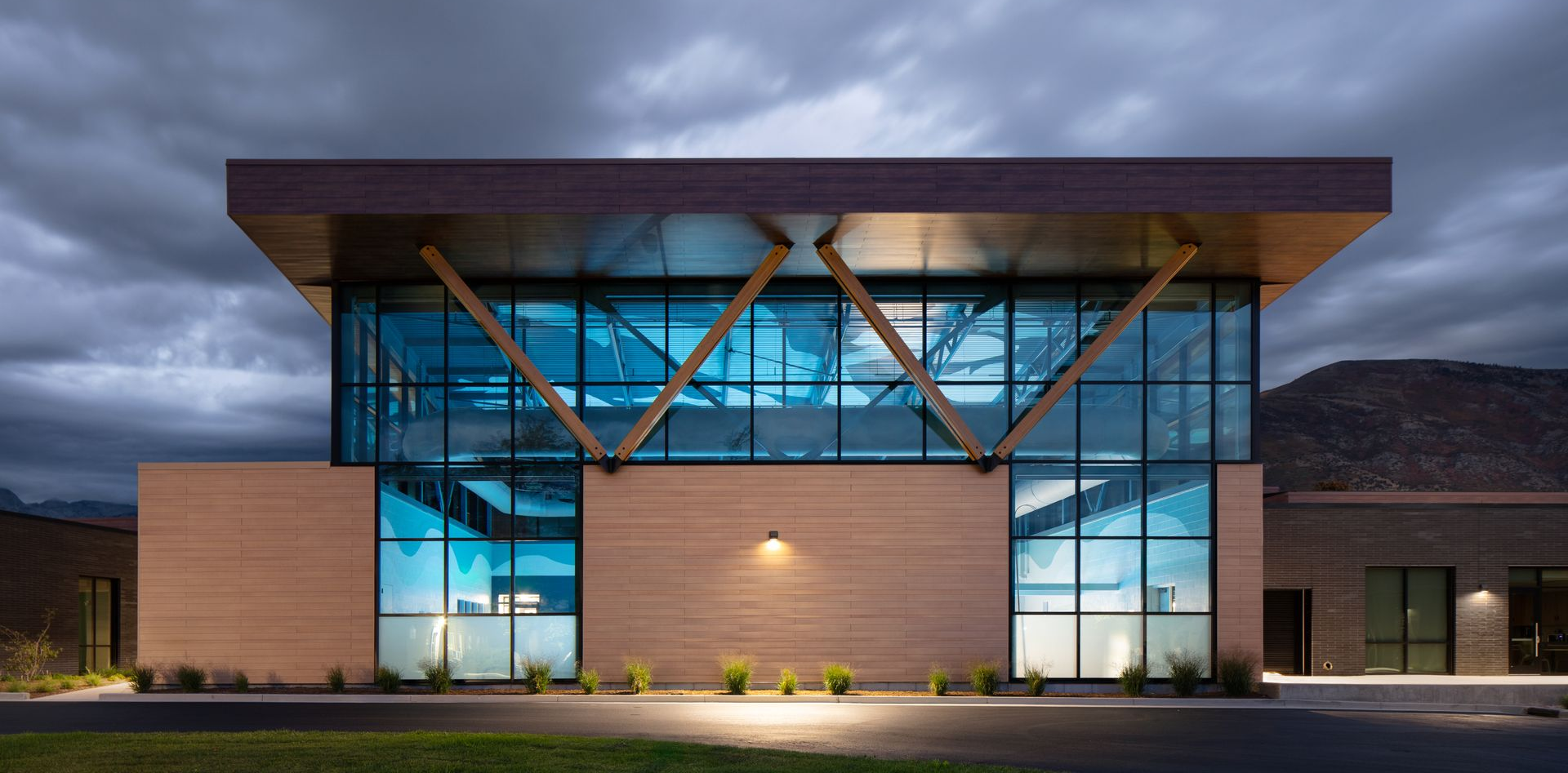
The building's design aimed to foster a positive, healing atmosphere rather than a traditional institutional feeling by dynamically forming site plan, floor plan, and building sections with angles, notches, and volumetric stepping to embrace natural light and playful forms throughout every space. The chosen exterior materials, with walnut and oak tones, resemble the warmth and coziness of a “Hope Lodge”. The interior materials, colors, and textures utilized color theory to create a healing environment with warm wood tones and an array of soft blue and teal tones.
An outdoor sculpture garden with playful, uplifting designs—including animals and musical elements—offers visual interest and a connection to the outdoors. The site includes xeriscape art gardens, stormwater retention basins, and accessible pathways.
The indoor natatorium therapy pool is one of the stars of the facility. Beyond ADA changing areas and support spaces, a customized lift mechanism with a built-in ramp and rail system accommodates residents with severe accessibility and mobility issues, allowing staff to safely hoist residents in and out of the pool. Mechanical systems maintain a warm environment (both water and humidity) and prevent room humidity from impacting other parts of the building.
The gymnasium is another great amenity, with an attractive regulation basketball court that opens to the physical therapy room, which features state-of-the-art equipment. Both spaces offer sweeping views of the Wasatch Mountains to the east.
On-site medical and dental facilities provide optimal healthcare for residents, with an adjacent port-a-cochere for ambulances, offering urgent care, diagnosis, treatment planning, and preventative care.
Jacoby, with extensive experience designing facilities for people with disabilities, said a project like this brings out the best in design and construction team members, where everyone involved realizes its importance to those with overwhelming physical and mental challenges.
"There is a direct correlation with the architecture assisting people with their needs," said Jacoby of both the aesthetics and functionality. "You see [previous] spaces that they were operating in, and most of them were inadequate. We find opportunities to help [residents] through the use of design, furniture, [and] appropriate colors, and there is an immediate [positive] result that is enhancing their lives the second they move in. That's pretty cool, not only for the architect, but the contractor and even the subcontractors. I feel like the whole team gets on board with an attitude that we're doing something special that makes their lives better."
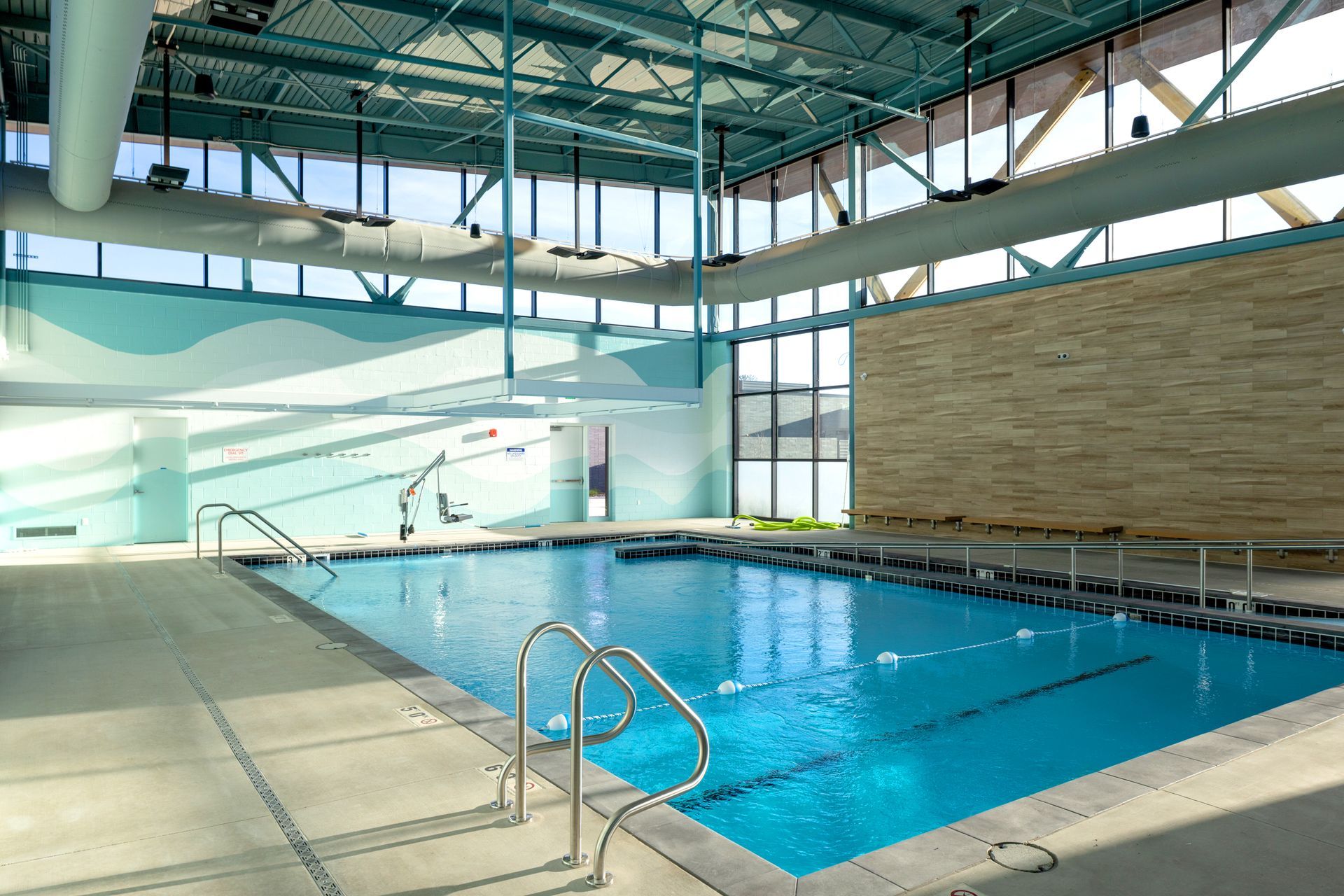
The natatorium is an important amenity, replete with a customized lift mechanism to accommodate residents with severe mobility issues. (photos courtesy Jacoby Architects)
Utah State Development Center
Comprehensive Therapies Building
Location: American Fork
Start/Completion: November 2023/August 2025
Cost: $36 million
Delivery Method: CMAR
Stories/Levels: 1
Square Footage: 65,000 SF
Owner: DFCM
Design Team
Architect: Jacoby Architects
Civil: Meridian Engineering
Electrical: Envision Engineering
Mechanical: WHW Engineering
Structural: TBSE
Geotechnical: GSH Geotechnical, Inc.
Interior: Jacoby Architects
Landscape: Landmark Design
Construction Team
General Contractor: Layton Construction
Concrete: AK Masonry & Concrete
Plumbing: **
HVAC: **
Electrical: Copper Mountain Electric
Masonry: IMS Masonry
Drywall: CSI Drywall
Flooring: Town & Country; Croft-Beck Floors
Roofing: Superior Roofing and Sheet Metal
Glazing/Curtain Wall: Linford Contract Glazing
Waterproofing: Insulation from Hale
Landscaping: Western Meadows Landscaping
Demolition: TID Inc
Pool: CEM Aquatics