






Multi-Family M-A-N-I-A

Developers, designers, and builders competing in Utah's multi-family market remain bullish about the future—especially along the Wasatch Front—even though interest rates and other headwinds are temporarily pausing some of the momentum.


By Harrison Wright
Rising interest rates, 18-month material and equipment lead times, and continued pressure on construction labor across all trades might seem like daunting headwinds, but nothing can slow down the multi-family market in the Beehive State.

"It's an interesting place to be," said Carl Tippets, President of Salt Lake-based Pentalon Construction, who has seen it all in this market as a prominent multi-family contractor throughout his firm's 30-year history. "There is still a ton of interest in the market, although financing has become the major challenge for everybody. We've got all the work we want—the demand is there—it's making the financial end work. [Developers] will keep finding ways to get creative. It would be a real challenge to be a developer right now."

Clint Costley, President of Ogden-based Kier Construction, echoed Tippets' sentiments that projects in the multi-family arena will continue to be plentiful for the next few years in Utah, simply because demand for new housing remains high, particularly among the four major Wasatch Front counties—Salt Lake, Utah, Davis, Weber. 

"We're happy to be known as a multi-family builder," said Costley, citing his firm's commitment to the market the past dozen years. "We used to be a lot more diverse but coming out of that recessionary period, the opportunity [in multi-family] was there. Our attitude is to make hay while the sun shines. The sun's still shining." 

The state's sizzling economy and steady population growth are among the primary factors continuing to drive multi-family development. 

In April, Utah ranked No. 1 for economic outlook by ALEC-Laffer State Economic Competitive Index for the 16th consecutive year, which prompted Utah Governor Spencer Cox to remark "Utah's economy continues to lead the nation. Strategic policies, smart fiscal decisions, and forward-thinking reserve funds—combined with the hard work of Utahns across the state—have placed Utah on top once again. Utah is just getting started." 

In May, U.S. News & World Report put Utah first in its 2023 Best States rankings, as it ranked within the top 20 in a decisive seven out of eight categories, including No. 1 in economy and fiscal stability, No. 4 in infrastructure, No. 5 in education, and No. 7 in health care. In addition, from 2010-20, Utah's population grew 18.4%, 2.5 times the U.S. average of 7.4%. 

According to a 2022 report by CBRE on the multi-family market, despite the thousands of MF housing units added in the past decade, Utah is still short 20,000 units—and that's with a low vacancy rate of just over 3% market wide. 

Costley said developers who are building "affordable" apartments—micro-units are becoming increasingly popular as a way to combat rising housing rates—are having success.

"For us, affordable projects are pretty steady," he said. "Market rate deals are happening along the Wasatch Front. We're seeing a lot of deals get done. Some have been held up, but developers who have money or have allocations to funds are getting their deals to work."

Costs are not coming down anytime soon, either, although some materials are starting to flatten out post-pandemic. Material procurement, Costley added, "is plaguing the entire industry. We're having some procurement challenges with different trades—it ebbs and flows."

Developers large and small that have had success in the MF market remain optimistic that they'll find more opportunities for at least the next 3-5 years, perhaps even through the end of this decade. 

"Multi-family is a great market for us," said Ryan Bevan, Director of Construction for Salt Lake-based Gardner Group, adding the firm has over 10,000 MF units currently entitled—it's just a matter of getting future projects to pencil, which is expected to happen in due time.

  • Slide title

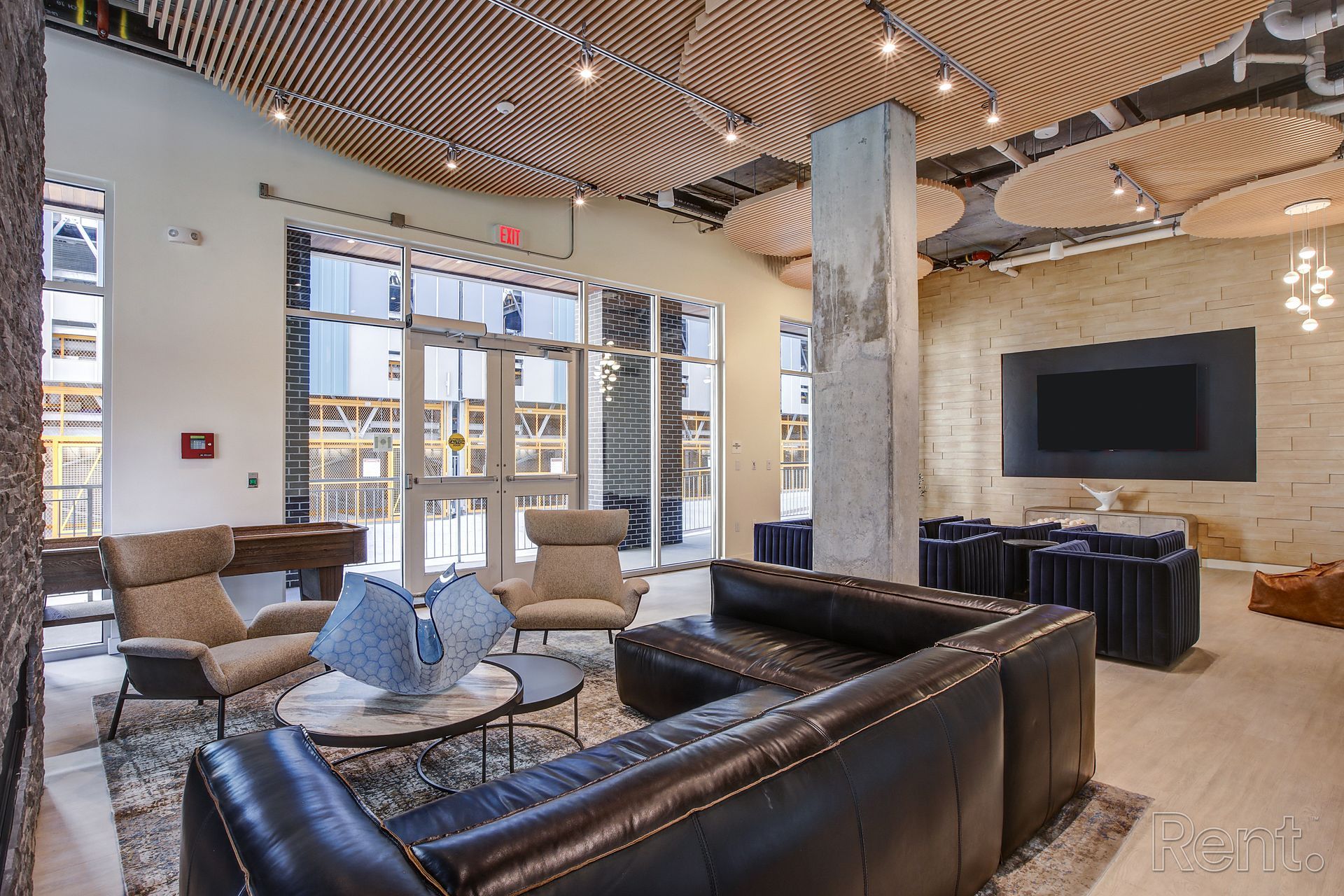
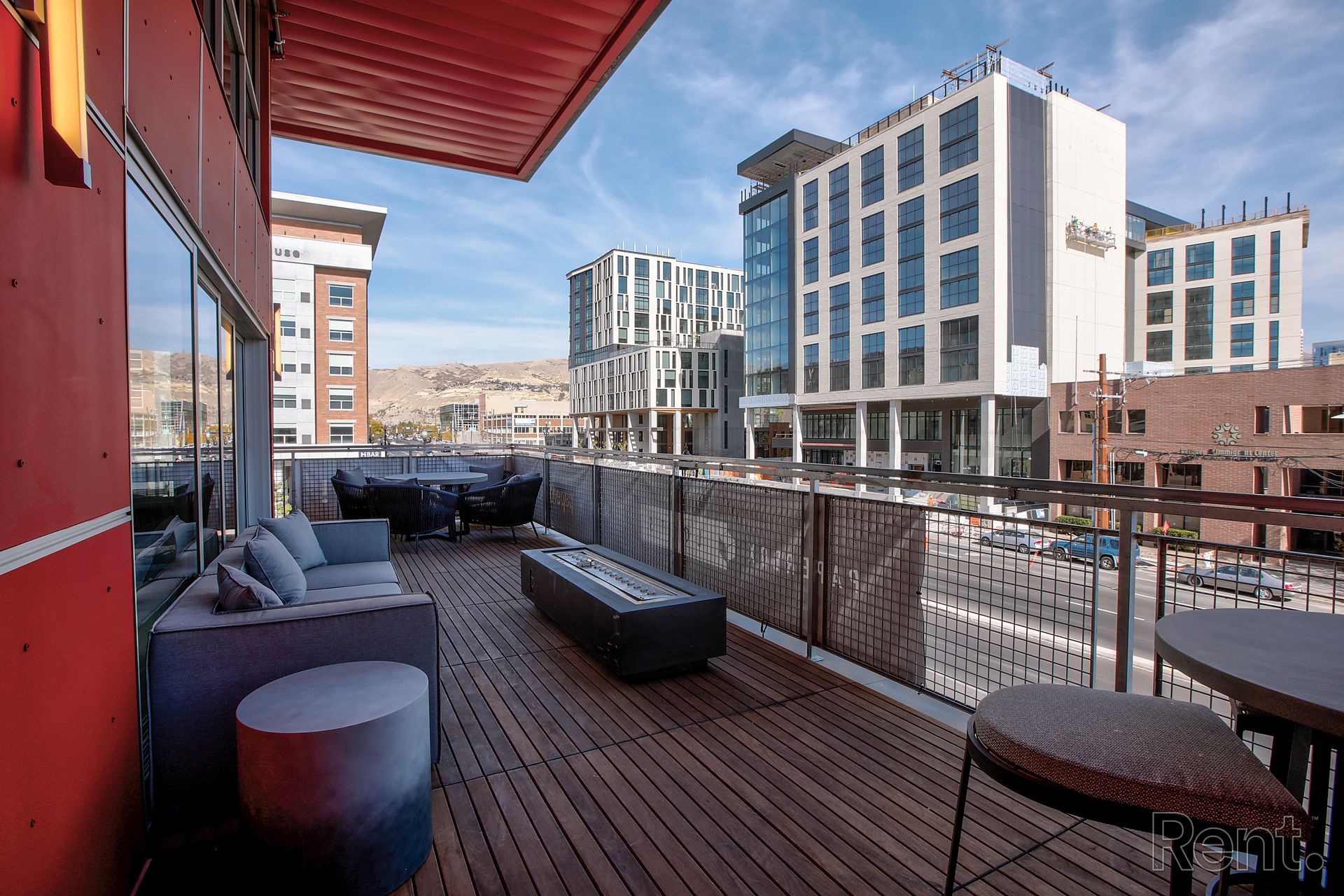
    Paperbox Lofts in SLC

    Button
  • Slide title

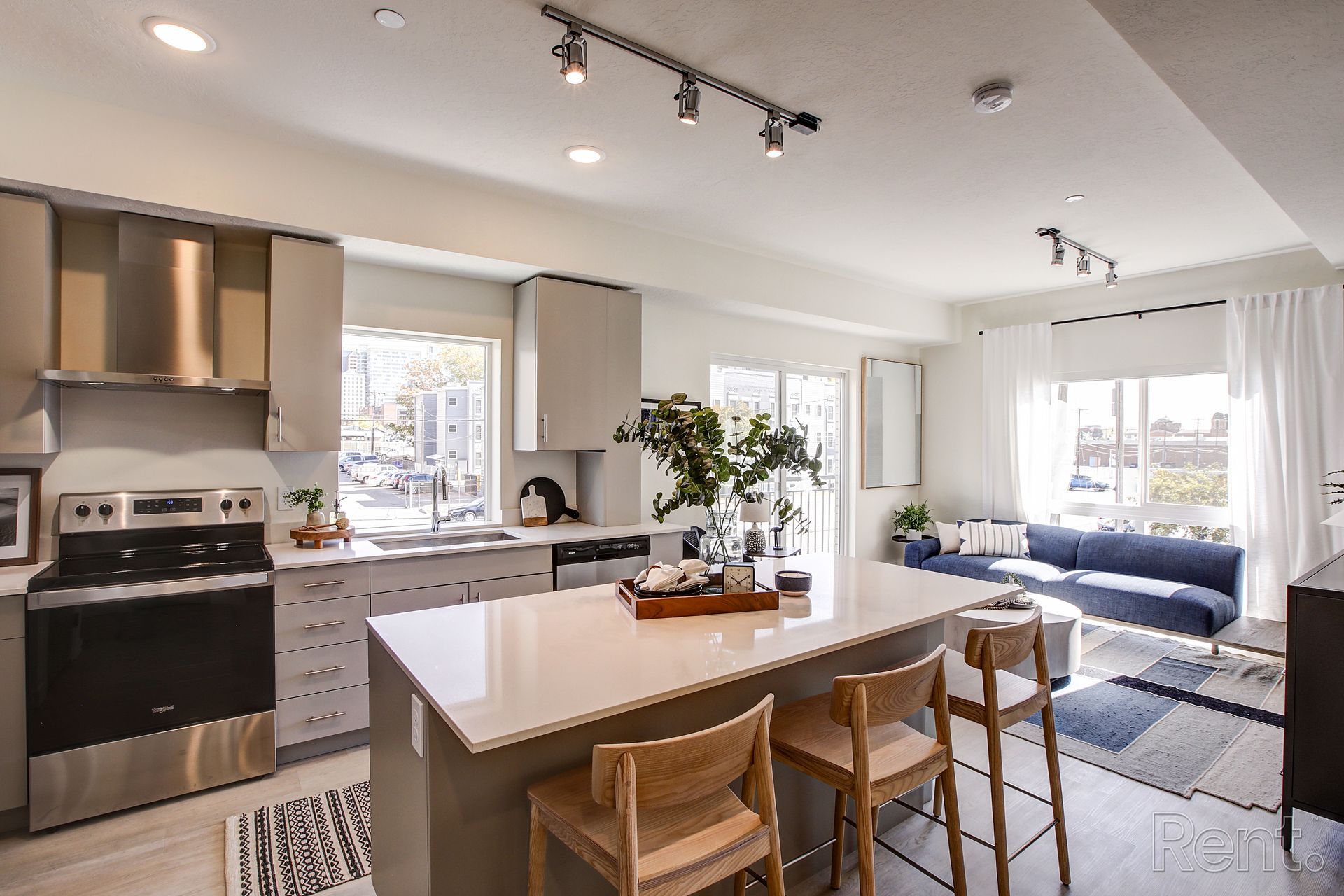
    Paperbox Lofts in SLC

    Button
  • Slide title

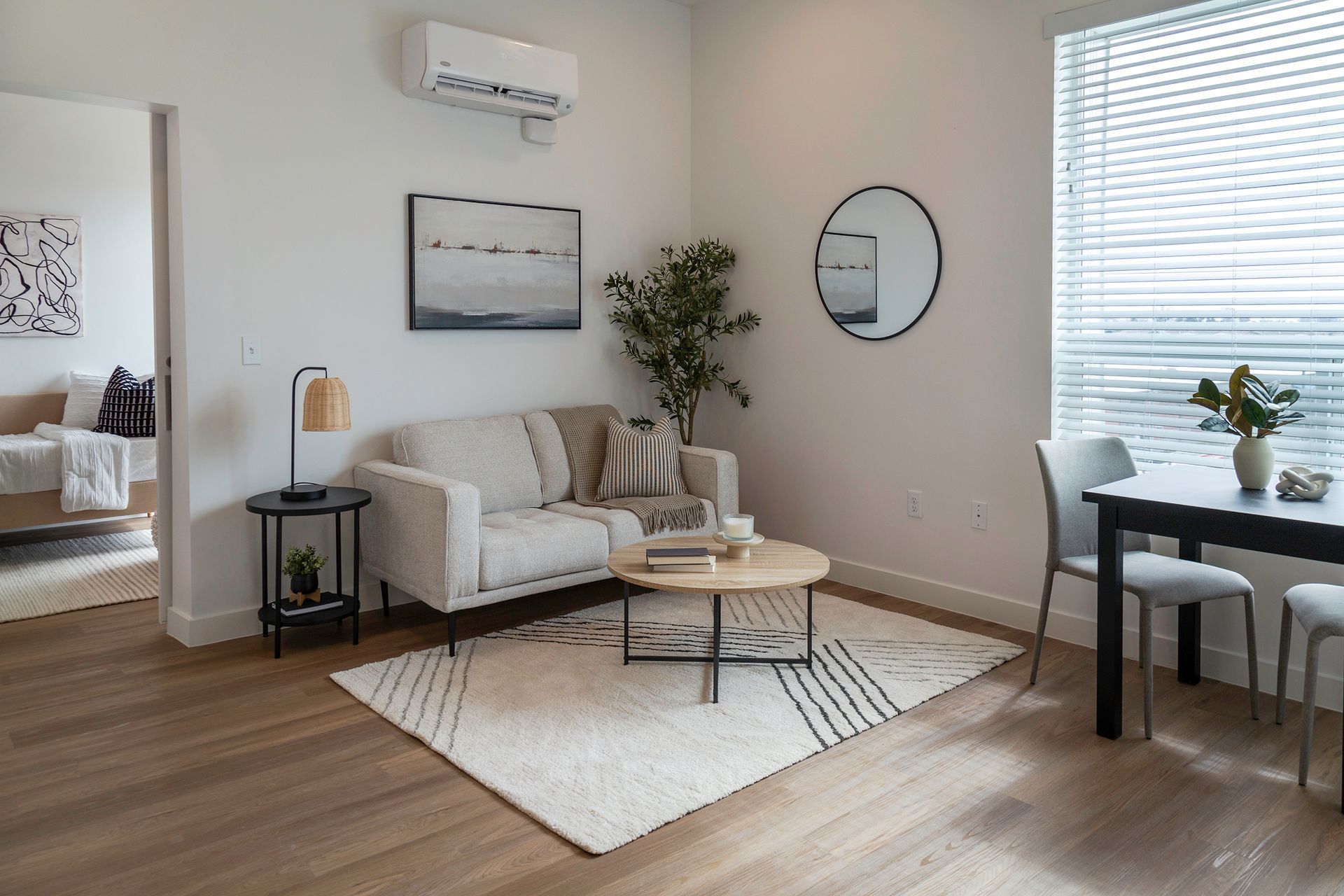
    Paperbox Lofts in SLC

    Button
  • Slide title


    Button

Cameron Gunter, Founder/CEO of Provo-based PEG Companies, said firms in the multi-family arena that have good financial flexibility and strong capital partnerships will always look to capitalize during volatile, or perhaps unfavorable, market conditions.


"We believe that financial crises in markets always create opportunity if you’re looking in the right places and positioning yourself appropriately," said Gunter, whose firm has developed several MF projects including recently completed downtown Salt Lake projects Seven 02 Main Apartments and Paperbox Lofts. "As we analyze trends and forecast the future, we recognize many potential acquisition opportunities on the horizon with over one trillion dollars’ worth of debt coming due that a lot of owners/operators won’t be able to pay. Because we are a vertically integrated firm, we are nimble, able to pivot when necessary, and can operate our properties with absolute efficiency. We are also able to effectively convert properties such as hotels and office buildings into multifamily properties, strategizing around cap rate arbitrage as a hedge against inflation."


Kamron Barr, Owner of Clinton-based Barr, Co., said "we have definitely seen the market slower due to bank requirements; it is not to say that good deals can't be done. It is just working through the complexities."


Barr has a townhome project under construction and is looking to break ground on four MF projects in Utah this year, with another six apartment complexes planned for 2024.


Architecture firms working in this market are also doing all they can to keep up with expanding developer wish lists and cutting-edge design trends. 


"The only people developing are those with deep pockets," said Jory Walker, President of Salt Lake-based Beecher Walker Architects. "Banks are much tighter, interest rates are so high [...] some developers are having to wait." 


Walker illustrated how much costs have risen in recent years as well, saying a developer could build a multi-family project for $185,000 per door pre-pandemic (3-4 years ago); now that same project is $300,000 per door, a 60% jump. "It's not that they don't want to develop, it's right now it doesn't make sense until banks come around and interest rates get better."

Walker said his firm pivoted from office to multi-family several years ago, which proved challenging initially given the different nature of projects. 


"It's a harder product to design for many reasons," he said, "but I enjoy doing it because I love solving a problem. It's important as an architect to shuck and jive and learn how to modify what you're doing to follow what the market is doing." 

Walker said all multi-family projects are unique in and of themselves, so it's hard to implement any kind of "cookie-cutter" measures in the design process. In addition, building codes change often and frankly, developers are "getting more sophisticated" with their expectations, making designers adjust as needed. 


Walker also cited an increase of and better overall amenities within multi-family projects as a primary design hot button for developers. "That's what has changed the most in the apartment business: people will live in [a smaller] apartment if it has more of a resort lifestyle on site. It's the benefit of having an entire resort around you—you can live like a rock star."
By Bradley Fullmer April 30, 2026
The new St. George City Hall is a shining example of a collaborative process between owner, architect, and general contractor, producing a world-class facility that will serve the community for the next 40-plus years.  By Bradley Fullmer
By Bradley Fullmer April 30, 2026
After more than a half century designing buildings, 73-year-old Jim Child remains a fixture in Utah’s architectural community, with a genuine passion for his craft that inspires those around him.  By Bradley Fullmer
By Taylor Larsen April 30, 2026
Three Salt Lake City projects showcase the immense talent of the local A/E/C industry to achieve supreme levels of sustainability through adaptive reuse, turning drab offices into vibrant housing. By Taylor Larsen
By Taylor Larsen April 30, 2026
Design and construction teams working at “ludicrous” speeds delivered more than the Utah Mammoth’s new practice facilities, but also a fitting tribute to Utah’s strong hockey culture.
By Bradley Fullmer April 30, 2026
The passage of HB 355 in 2025 provided stability for Utah's construction aggregate producers. The question moving forward is: How long will the finite supply of materials last at existing operations along the Wasatch Front?
By B. Garn April 30, 2026
The new Deseret Peak High School delivers out-of-this-world design for a welcome addition to the growing Tooele Valley. 
By Taylor Larsen April 30, 2026
The eight-year odyssey to deliver Cyprus High was worth the voyage, as designers and builders created a stellar learning environment for Magna’s growing community.
By Taylor Larsen April 30, 2026
Engineers note the emerging trends among Utah’s different transit modes and how evolving technology and partnerships set the state up for success.  By Taylor Larsen
By Bradley Fullmer April 30, 2026
UC+D profiles four new firms who aim to make a name for themselves in an A/E/C market that refuses to slow down. By Bradley Fullmer
By Bradley Fullmer April 30, 2026
Led by the City of St. George, Washington County has experienced explosive growth of more than 50% over the past 15 years, ranking in the top 5% of all U.S. counties and fueling strong demand for commercial construction projects.  By Bradley Fullmer