








FFKR Architects celebrates its 50th Anniversary with fond reverence for its past and a sharp focus on its future.
By Bradley Fullmer
What started out as a bold, brash venture between four talented, strong-willed architects—Robert Fowler, Franklin Ferguson, Ray Kingston and Joe Ruben—has blossomed over a half century of time into one of the most prolific and diverse architectural design firms in the Intermountain West, with Salt Lake-based FFKR Architects boasting four regional offices spanning three states and 170 employees.
In addition to being the largest Utah-based architect by number of employees—with its SLC headquarters and St. George branch office having 160 combined people—FFKR has consistently been one of the top revenue-producing firms in the Beehive State, ranking first or second every single year since 2015, per annual UC+D Top Utah Architect Rankings.
The firm's diversity and sheer ability to design some of the largest and most technically challenging projects across virtually every building market makes it a force to be reckoned with. As it celebrates milestone anniversary No. 50, past and current leaders weighed in on what makes FFKR special and primed for success now and well into the future.
“It’s common for architecture firms not to survive to the next generation of ownership, so reaching 50 years is remarkable," surmised Roger Jackson, 69, a 42-year veteran of the firm who served as President for seven-plus years from 2013-21 and still works on a part-time basis. "In my mind, it’s a tribute to the founders [...] for building something sustainable that could be passed from one generation to the next.”
Combining Four Strong
Personalities Under One Roof
The roots of FFKR Architects dates back to 1970, when Ferguson and Kingston worked for ENTELEKI Architecture, Planning and Research, a multi-disciplinary practice with offices in Salt Lake and San Francisco. The firm made a name for itself designing ambitious civic projects, including substantial work at Snowbird Resort, with Kingston serving as principal planner for 25 years.
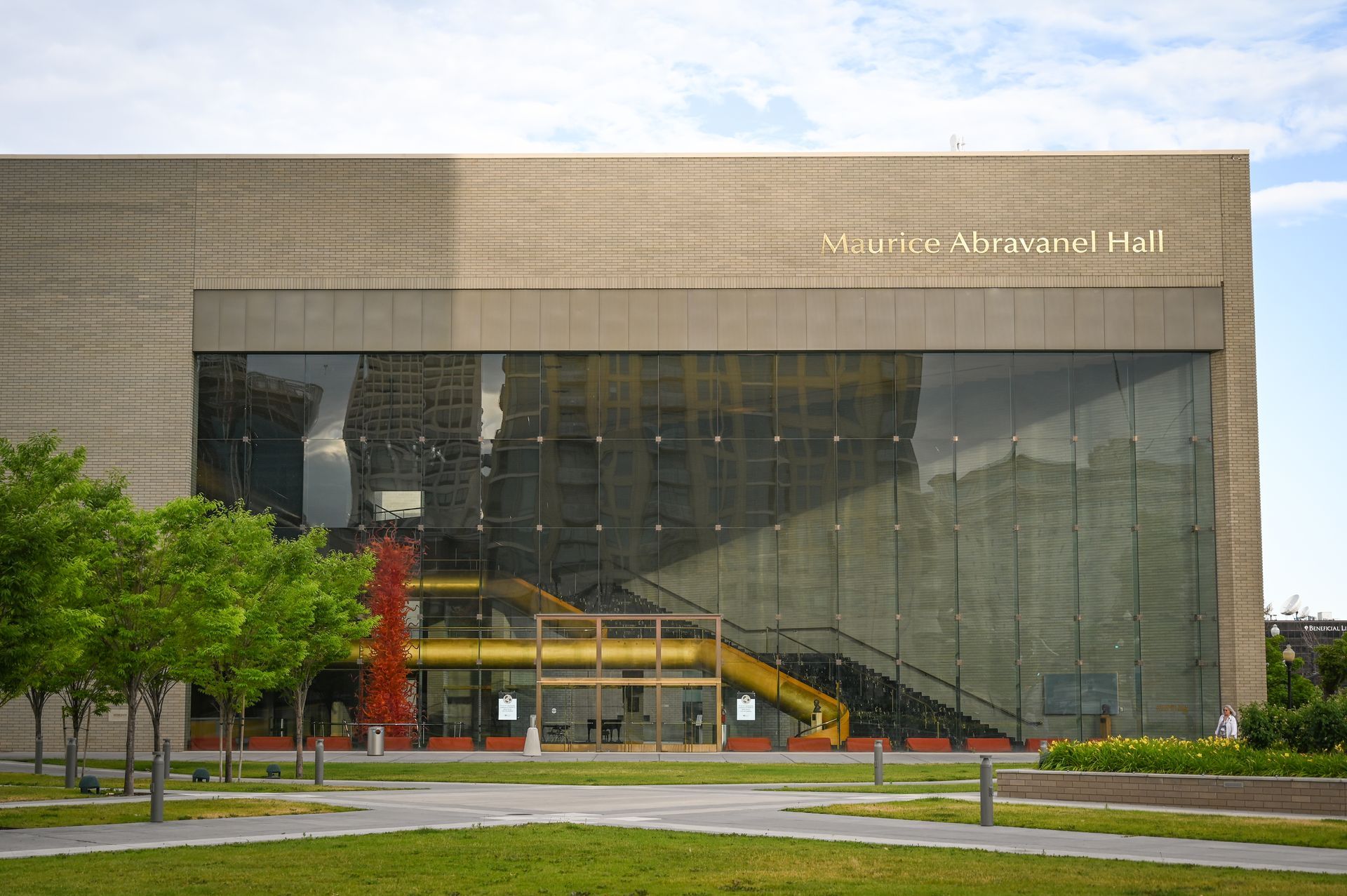
An improbable turning point came when Frank and Ray were invited to team up with Robert Fowler Architects, which Fowler had founded in 1966, on the Salt Lake City Bicentennial Center for the Arts—which ultimately became the historic Abravanel Hall and Salt Lake Arts Center (completed in 1979). Fowler's firm had been commissioned for the project, beating out ENTELEKI, among other firms. Ferguson reportedly sent Fowler a congratulatory note, with Fowler then inviting the rival firm to collaborate on the project. The unique chemistry of the two firms was evident on the highly visible, pressure-packed project, which proved highly successful and prompted the creation of Fowler, Ferguson, Kingston & Ruben in 1976.
“It’s common for architecture firms not to
survive to the next generation of ownership,
so reaching 50 years is remarkable. In my
mind, it’s a tribute to the founders [...] for
building something sustainable that could
be passed from one generation to the next.”
— Roger Jackson
Each of the architects was talented, with a strong sense of their respective strengths:
—Fowler brought a strong background in commercial and institutional architecture, along with historic work in downtown Salt Lake City.
—Ferguson drove K-12 educational and large public-sector projects.
—Kingston was an expert master planner, with a specialization in resort design.
—Ruben had expertise with religious and institutional design, in addition to having sharp project leadership skills.
It created an immediate synergistic culture, with modern design and planning capabilities spanning most major building markets, a hallmark that continues to this day.
"The firm wasn't expected to last long because the personalities of the four founders were so different," said Jeff Fisher, 72, who retired in 2020 after a stellar 43-year career. "They set the tone and had high expectations for anyone who worked here. I have huge respect for Bob and Frank's design talent. Joe was just a good guy, very pleasant. Ray was intense, but a great mentor. I wouldn't be at the table if it wasn't for Ray. Somehow we all made it work."
Fisher, Jackson Among 2nd and 3rd Generation of FFKR Leaders
Fisher, who had previously worked for Habitat Design Group in Salt Lake, joined the firm in 1977, having been hired within a week after returning from an LDS Mission to Greensboro, North Carolina. He worked initially under Kingston and Ruben on projects like Mountain View High School in Orem and Northwest Energy office building at the University of Utah's Research Park in Salt Lake.
Fisher quickly proved his mettle, and when the firm was commissioned to design a couple of ambitious projects for retail grocery magnate Sam Skaggs—including the American Stores office building and Skaggs Telecommunications building—he essentially became the primary designer for all of Skaggs' projects.
"Sam asked Ray (Kingston) if anyone wanted to work on grocery stores," Fisher recalled. "Nobody wanted to do them, but I said I would and took over grocery store design around 1982. We ended up designing more than 260 Skaggs Alpha-Beta stores in 19 states. Some prototypes repeated for a while, but every community had different design standards, so we constantly adapted them."
Fisher's work with Skaggs proved profitable and helped carry the firm through the economic drudgery of the mid-80s, and he was made a Principal in 1986 for his efforts.
“They set the tone and had high expectations for
anyone who worked here. I have huge respect for
Bob and Frank’s design talent. Joe was just a
good guy, very pleasant. Ray was intense, but a
great mentor. I wouldn’t be at the table if it
wasn’t for Ray. Somehow we all made it work.”
—Jeff Fisher
Jackson was hired in 1984 immediately after graduating from the University of Utah and spent his formative years under the tutelage of Ruben initially, and later Fisher, after the former passed away from cancer at age 57 in January 1993.
Jackson's first project was done in tandem with Ruben—converting the historic Hotel Utah into the Joseph Smith Memorial Building for the Church of Jesus Christ of Latter-day Saints—a nearly seven-year endeavor and set the course for his career as a religious and institutional design guru. Ruben gave Jackson ample opportunities to figure things out on his own, which proved invaluable.
"He would encourage me to study [solutions] and come back with recommendations," said Jackson. "He was teaching me to solve problems, how to figure it out and make the right decisions."
Ruben's death at a relatively young age had a profound impact on Jackson, who made a point to be a strong mentor to those around him throughout his career.
"When Joe Ruben died, I realized how important mentorship really is," said Jackson. "I felt badly that I was not able to extract from him all he knew. I then tried to teach the people working for me what I knew."
Temples to Casinos: Creating
a Firm Capable of Designing
a Range of Diverse Projects
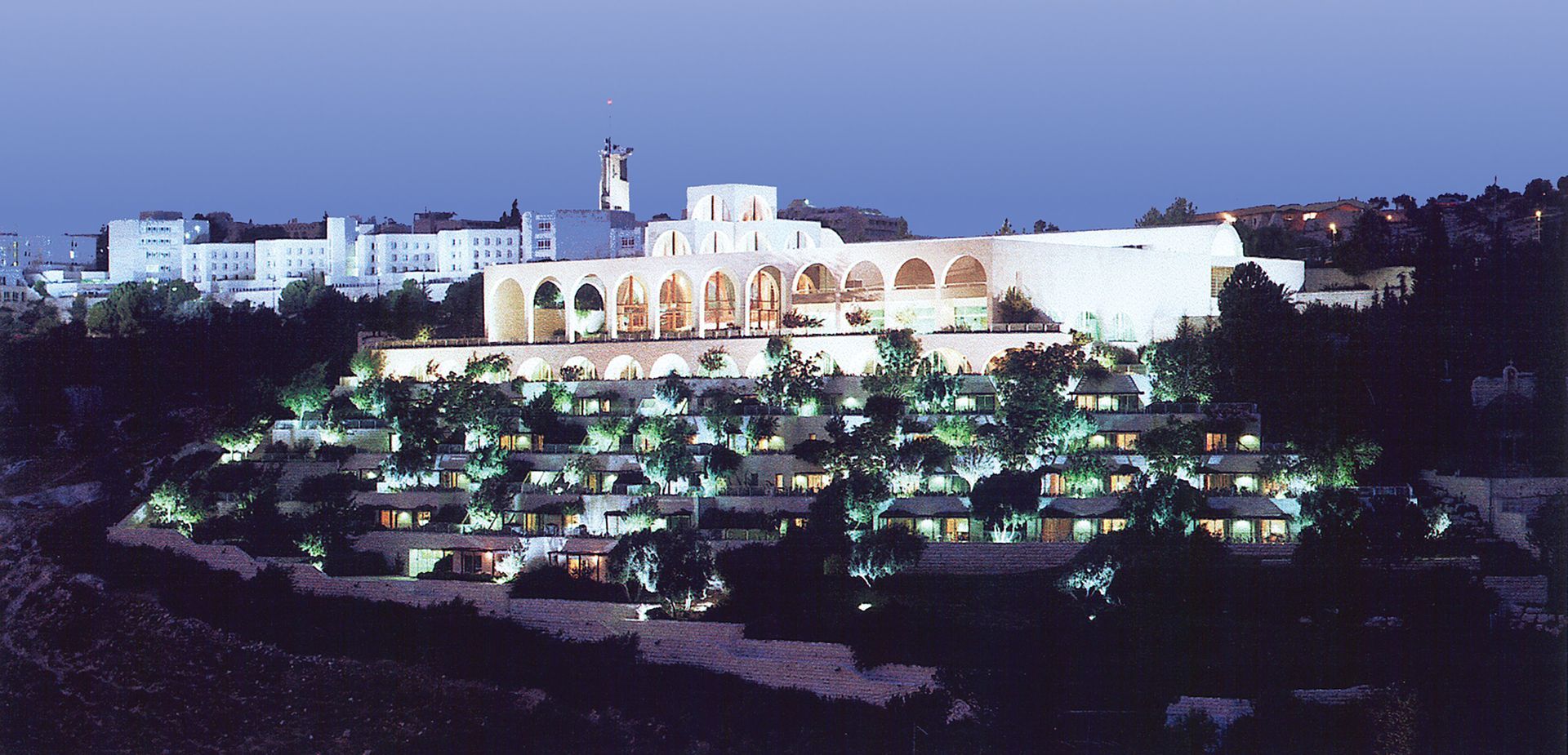
A glance at FFKR's portfolio from each of its five decades reveals a tantalizing mix of large, diverse, highly challenging projects, from opulent religious projects for the Church of Jesus Christ of Latter-day Saints—the Brigham Young University Jerusalem Center for Near Eastern Studies, the remodel of the Salt Lake Tabernacle, and a slew of majestic temples—to glitzy casinos including Talking Stick Resort in Scottsdale, Arizona, as well as Tachi Palace Casino Resort in Lemoore, California.
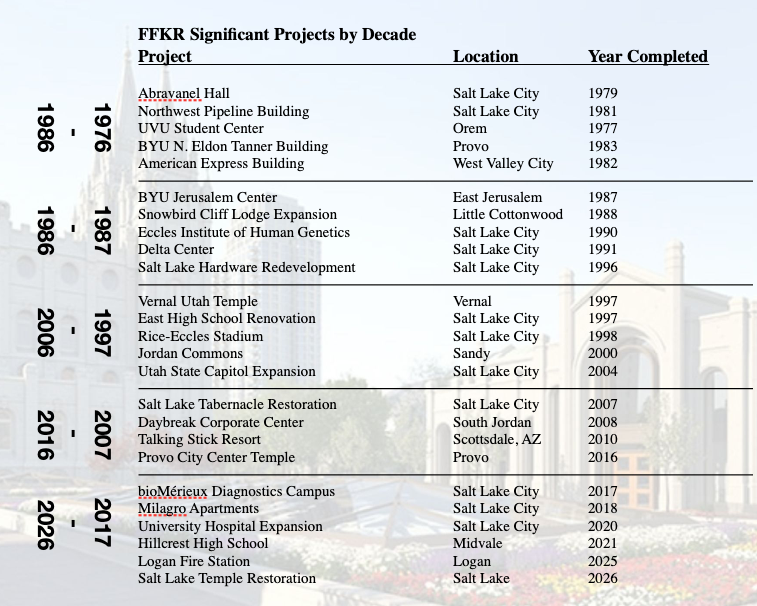
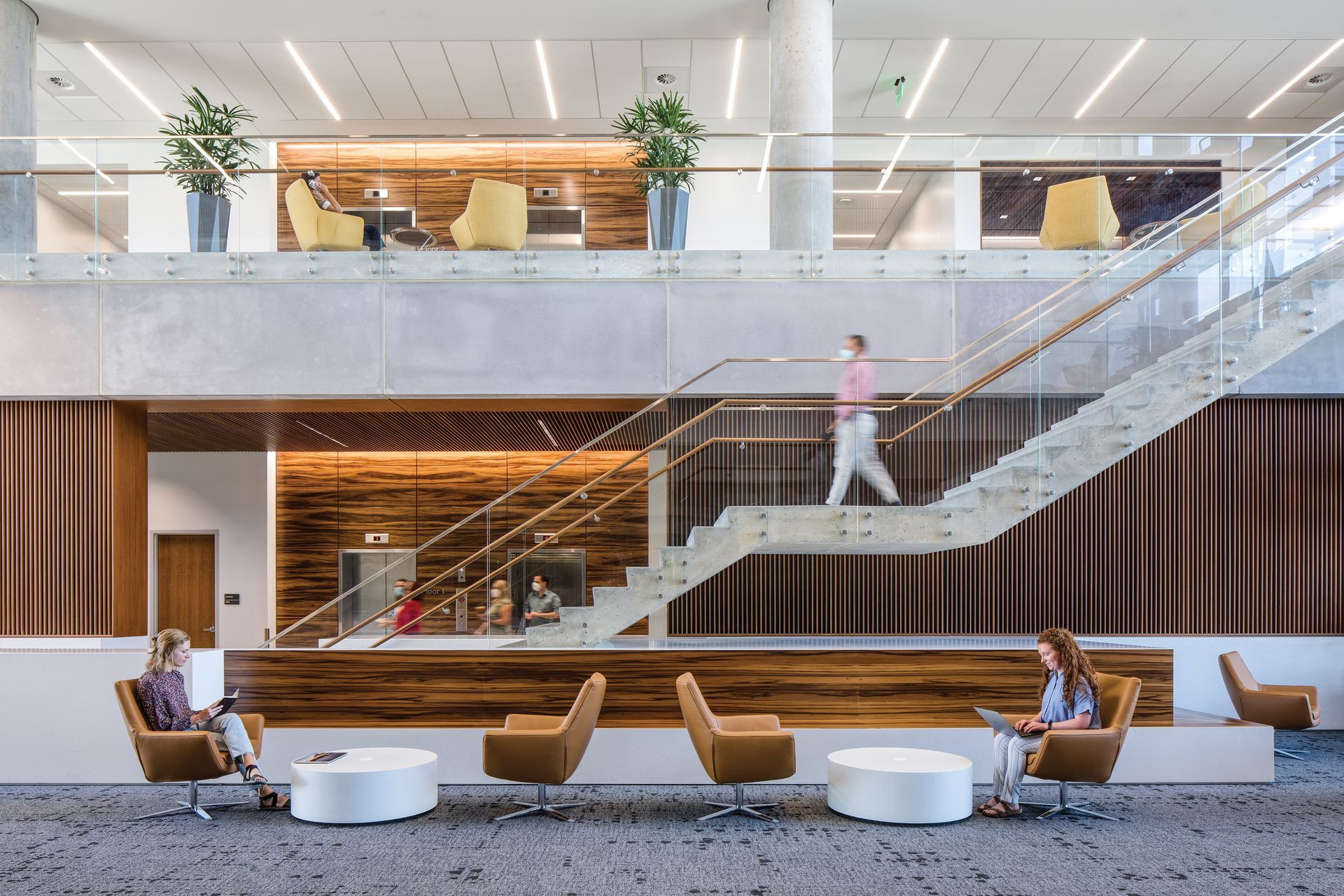
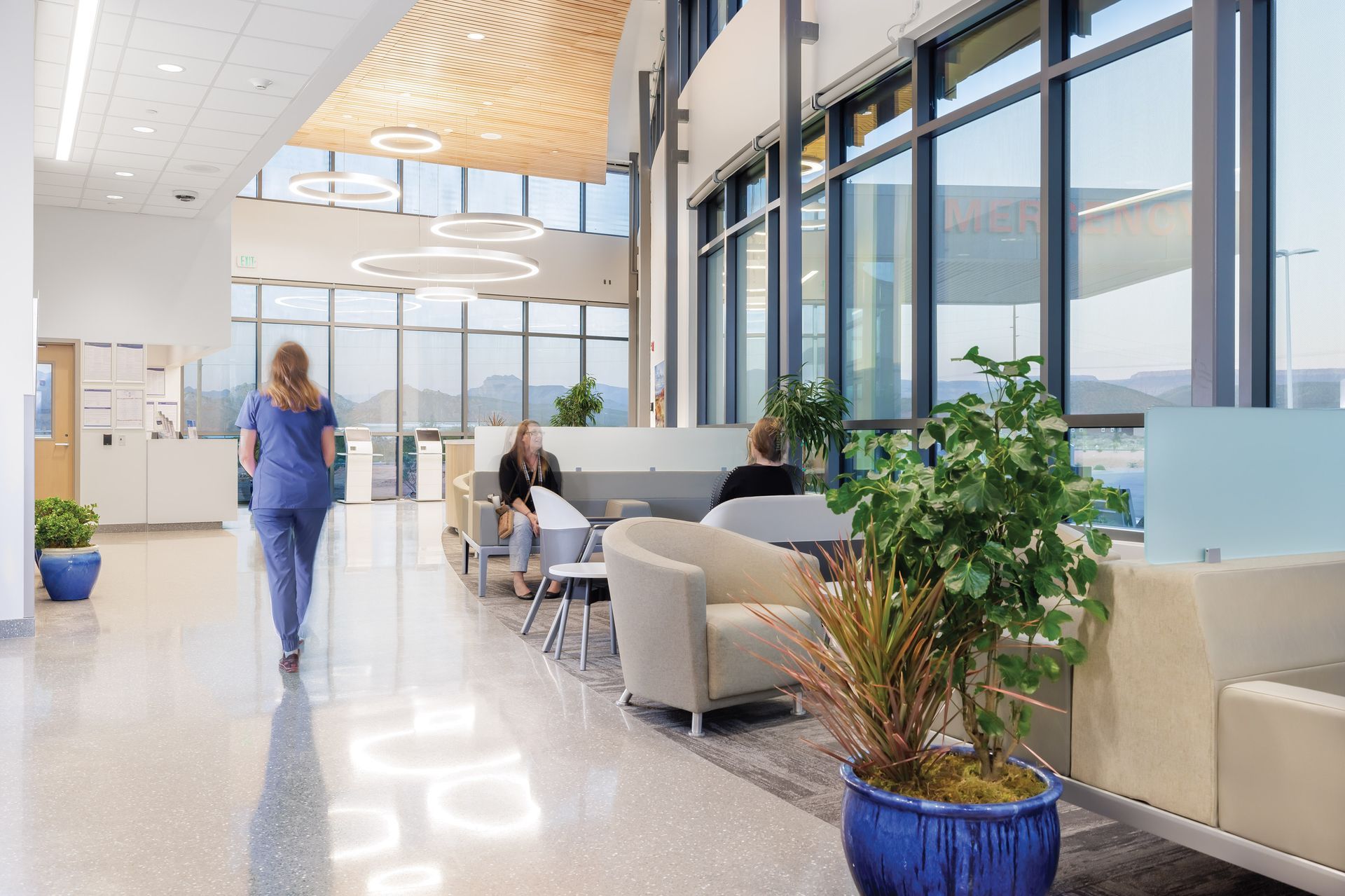
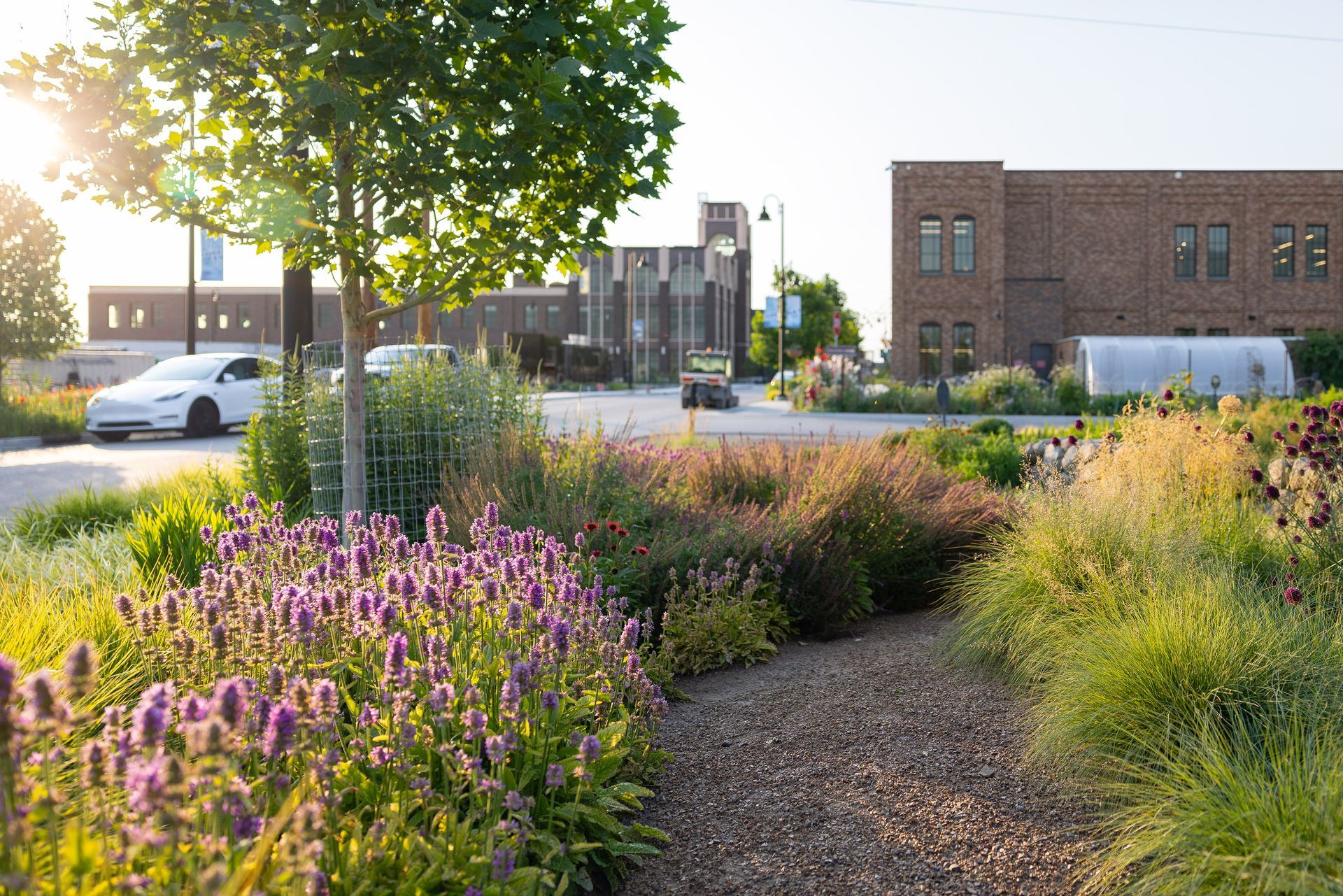
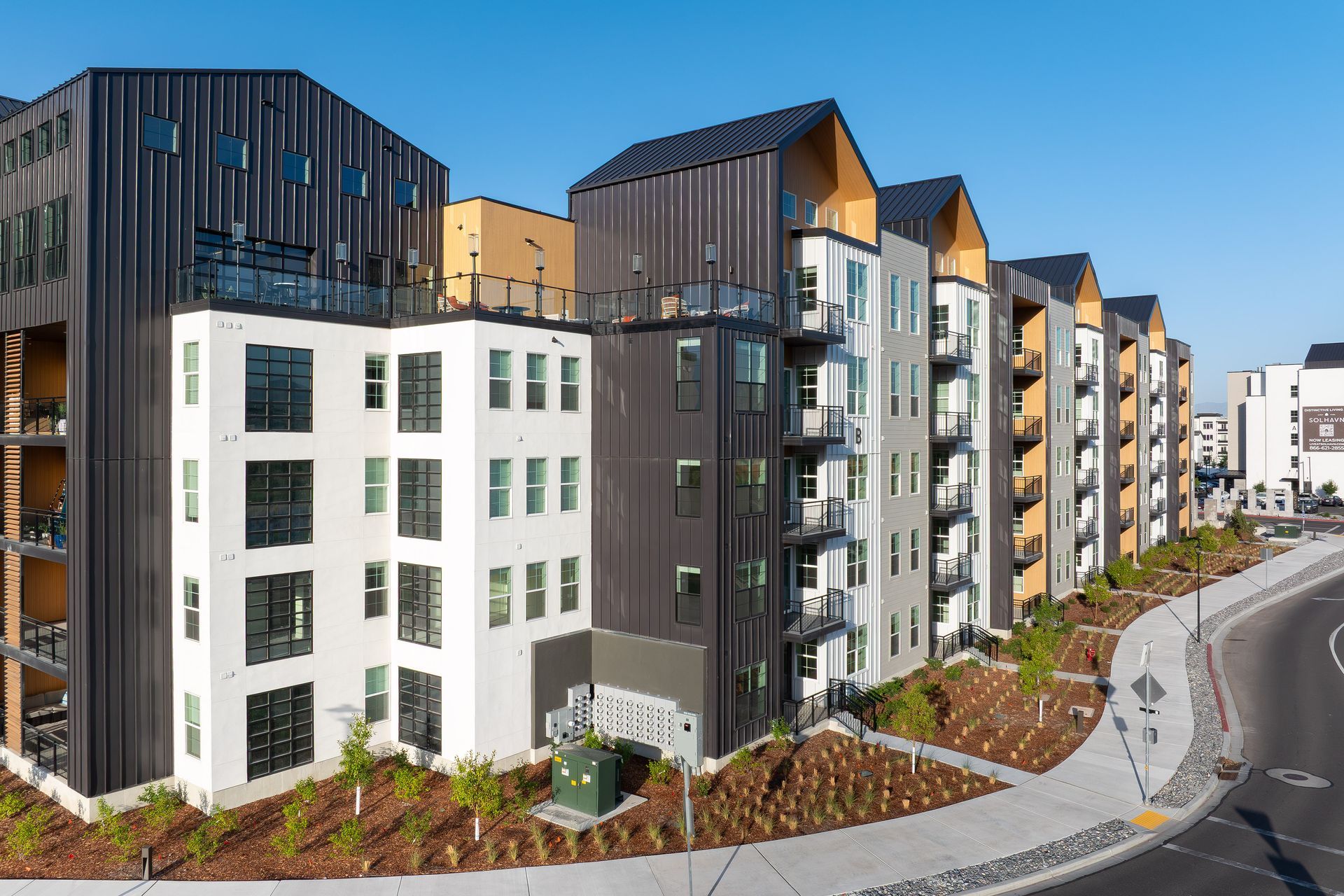
Those opposite ends of the spectrum projects are supplemented with significant projects in every major building market—institutional, civic, municipal, office, retail, K-12, higher education, healthcare, multifamily, and sports and recreation. It’s an impressive mix, a veritable smorgasbord of high-level, top-shelf offerings. (see FFKR Top Projects list at the end of the article)Being able to work on these types of projects is an strong perk when trying to attract prospective new architects to the firm, Jackson admits.
"We're fortunate to be able to work on some really amazing projects," he said. "I've had great opportunities to work on some wonderful buildings, as have many of our people. I've had a bunch of once-in-a-lifetime projects; some of the biggest we've ever done. It's a great opportunity for our firm to be involved in something grand. We've always done the best we could, and we put the best people we could find on these projects."
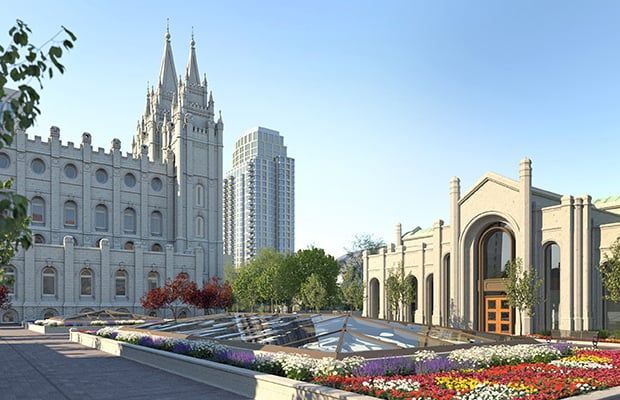
Perhaps Jackson's most impressive project all-time is serving as the Architect for the restoration of the Salt Lake Temple, a seven-year construction project that is slated to finish at the end of 2026
“The Salt Lake Temple restoration is probably the biggest project the firm has ever done and perhaps the largest project the Church has ever undertaken," Jackson said. “When you work on temples, you can feel the significance of the work. The Church deliberately wants these buildings to be beautiful and built with noble materials—stone, marble and high-quality finishes. That’s a tremendous privilege as an architect. It’s certainly been the capstone of my career.
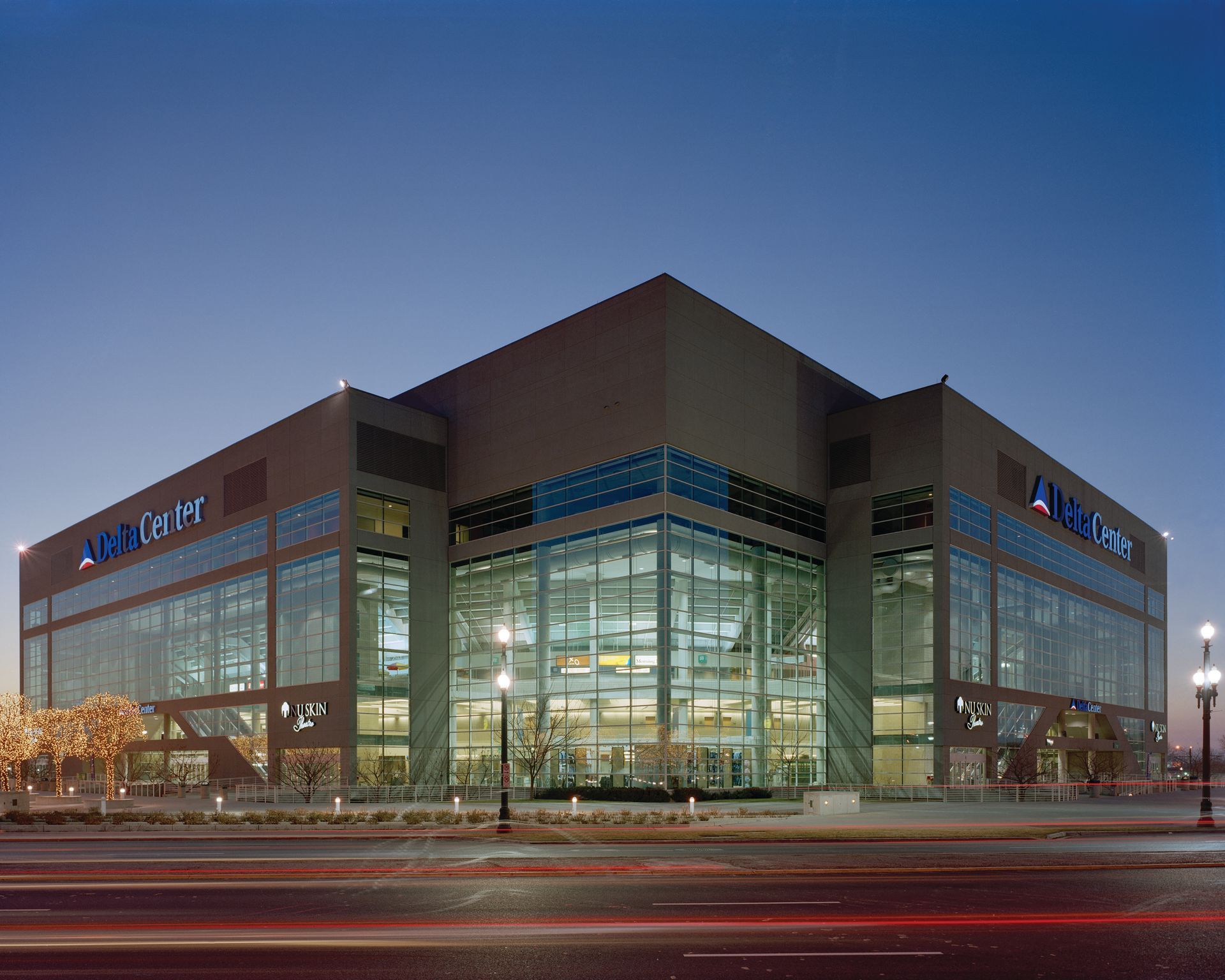
”Fisher also concurred that the opportunity to work on iconic projects is special, as he helped design a bevy of generational projects, including the Delta Center from 1988-1991 and the University of Utah's Rice-Eccles Stadium expansion from 1996-1998.
On the Delta Center, Fisher teamed up with Ferguson, who had developed a relationship with Larry Miller on a remodel of the Salt Palace. They traveled around the country looking at NBA arenas for inspiration, then spent 16 months on the design-build project, which ultimately turned out fantastic. The success of the Delta Center led to a host of work for Miller as he gradually built his expansive car dealership and entertainment empire.
"It was a big deal," Fisher said of designing the Delta Center. "I formed a close relationship with Larry as a result of that project. He asked me and Frank to design his house in Federal Heights. We ended up doing 64 projects for Larry." That included several auto dealerships, along with the Jordan Commons entertainment complex in Sandy, which included the unique Mayan Restaurant, a 10-story office building, and Larry H. Miller's first-ever Megaplex Theater."
Fisher said he enjoyed developing client relationships as much, if not more, than actually designing their projects. "That's been the greatest part of my career—the relationships and meeting interesting people," he noted.
Consistency in Maintaining
Revenue Base a Priority
for Current Leaders
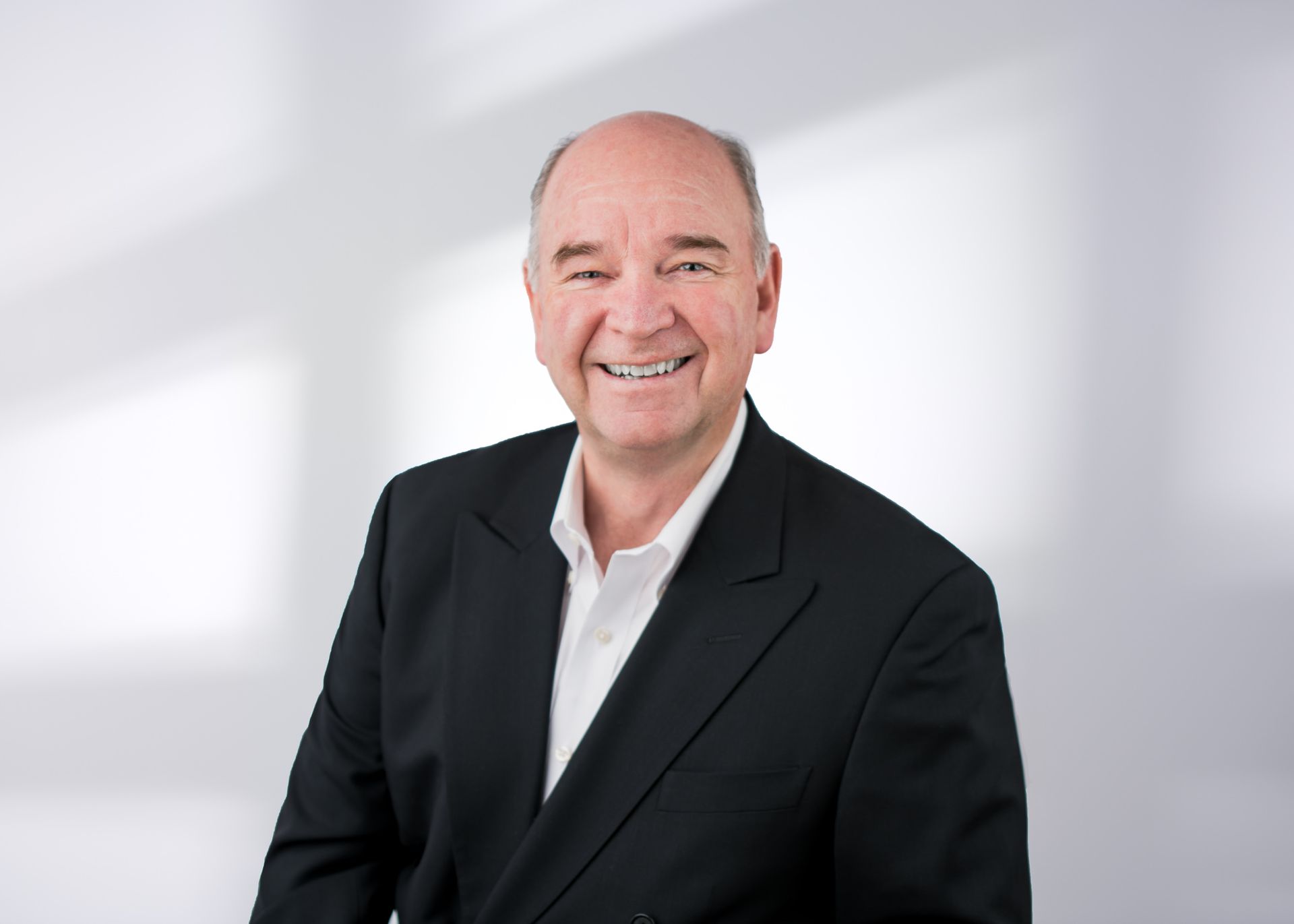
Current President Mike Leishman, 54, joined FFKR in 2007, a year before the Great Recession hit, which was a challenging period for the then 31-year-old firm. "We weathered it fairly well," he recalled. "I was working with Jim Lewis on the BYU Jerusalem Center, and we had Talking Stick Casino going. Those two projects pushed us through that period pretty well. We had to reinvent ourselves; had to go knock on some doors. We did a lot of commercial [tenant improvement] work."
Leishman said that period reinforced the importance of market diversity and maintaining irons in many fires.
"We're diverse enough in various market sectors—we seem to weather things pretty well," he said of market segment fluctuations. "That's still our philosophy. We're really all about our clients—it's been that way for a long time now."
Leishman represents the fourth major generation of leadership at the firm, having been mentored by Fisher, Jackson, and Lewis from the previous generation.
Fisher, who served for five years as Chief Financial Officer, tutored Leishman on the financial side of the business, as well as human resources, paving the way for him to serve as Treasurer under then President Kevin Mass in 2021, and then President in February 2024.
Of the firm's 170 employees, FFKR boasts a healthy mix of 22 Principals, 31 Senior Associates, and 40 Associates, with people progressing through the ranks as they prove their overall worth.
In the past 10-plus years, FFKR's revenues have more than doubled from $23 million in 2015 (tops among Utah-based architectural firms) to an average of over $45 million the past six years, with the biggest jump coming from 2018 to 2019 ($28.9 million to $40.3 million), and stout marks of $45.8 million in both 2020 and 2022. The firm ranked No. 1 in revenues in seven of the past 11 years and No. 2 the other four years, with a blistering, record-high $57.2 million in 2025.
Leishman is bullish on the firm's outlook both in the short term and looking ahead into the next decade.
"I see a lot of opportunities for the people in the firm," he said. "I get excited for the advancement of people on my team and other teams. We're trying to position the company for a slew of future generations. People can have a career and do what they want—that's where my focus is. Jeff, Roger, and the generation before set that precedent, and it's my job to keep FFKR going in that direction. My first goal is to find, mentor, and train the next generation of leaders."
Keeping a Vibrant Culture; Expansion to St. George In Line with Growth Strategy
Two others holding prominent roles among the current leadership team are: Christina Haas, the current Chair of the Board of Directors and a Principal since 2020, and Ben Rogers, 58, Principal and Manager of the St. George office, which acquired Rogers' and Principal Scott Gilberg's firm—Desert Edge Architecture—in January 2025, giving FFKR a robust Southern Utah presence with a dozen employees.
“People can have a career and do what they want—that’s
where my focus is. Jeff, Roger, and the generation before
set that precedent, and it’s my job to keep FFKR going in
that direction. My first goal is to find, mentor, and train the
next generation of leaders.”
— Mike Leishman
Haas joined the firm in 2010 and helps shepherd the firm's Healthcare Studio. She cites the firm's schedule flexibility and employee empowerment as key drivers to FFKR's long-term success.
"We treat people like adults," she said, noting that the office has kept is hybrid work policy since 2020. "We were already super mobile. There are some basic tenants how you manage people, but it has worked out well to have a hybrid work policy with people being able to balance work and life. We've learned a lot in six years and will continue to evolve. It's evolve or die—we're always learning, always getting better."
She says having a dynamic culture remain a top focus of the current leaders and believes it's one of the factors that separates the firm from the competition.
"We like to say, ‘I love coming to work because I get to hang with my friends and do cool stuff.’ We have a fun environment, with personal growth and learning,” said Haas. “I love that we do so many different types of architecture and have different things going on in the office. We really are a place that cares about people and every team member, and we make sure everybody is feeling happy so they're doing their best work. When people feel like they enjoy what they do, it works with their personal life.
"We can do hard things and have fun doing it. We can work on hard projects in a collaborative effort—that's what drives us."
"We're only as good as our teams," added Leishman. "We want our employees to have opportunities and try had to offer great benefits and salary. It's paid off—we have a lot of people who have been here a long time."
“We have a fun environment, with personal growth
and learning. I love that we do so many different types
of architecture and have different things going on in
the office. We really are a place that cares about people
and every team member, and we make sure everybody
is feeling happy so they’re doing their best work.”
— Christina Haas
Rogers heads the St. George office, which is thriving utilizing the expanded resources and capabilities that happen naturally with a large firm.
“A couple of years after starting Desert Edge, we quickly became aware of our limitations in terms of project scale," said Rogers, noting the pursuit of a Hilton Curio hospitality project. "It became clear that we were simply too small to deliver that type of project on our own.”
Rogers and Gilberg had been in conversation with FFKR about an acquisition, and at the beginning of 2025 the timing was right.
"FFKR was looking for geographic expansion, while we were looking for larger project opportunities," said Rogers. "Even during what we jokingly called the ‘dating relationship’, we could already see the benefits. We won projects together that neither firm likely would have secured alone.”
Rogers added: “I’ve known Mike Leishman and [Principal and Treasurer] David Brenchley for 25 years, so there was already a strong level of trust there. As conversations progressed, it became obvious our philosophies about clients, employees, and practice management were very aligned. Now, if we land a major project, we have access to 160 people across the company who can help support the work.”
Both Hass and Rogers say it's great being a part of a firm with 50 years of history.
“It’s so cool to be part of this legacy," said Haas. "The foundational projects, like Abravanel Hall, Cliff Lodge; so many beautiful and iconic projects. [...] It's great to see how this firm has grown with the city, with Utah, and with our clients."
“To me, FFKR reaching 50 years is significant because very few firms successfully transition from the first generation to the second and third generations of leadership," said Rogers. "FFKR has figured out how to manage growth, leadership succession, and client relationships. Repeat clients are the foundation of a successful practice. When you serve clients well and build lasting relationships, it gives you the stability to pursue meaningful projects and weather downturns in specific market sectors.”
“When you serve clients well and build lasting relationships,
it gives you the stability to pursue meaningful projects
and weather downturns in specific market sectors.”
— Ben Rogers
Jackson is confident the current leaders have the firm pointed in the right direction.
"We've been busy charging ahead all along," he said. "We always had the thought and intention of growing the company. That's our mindset."