








Engineers note the emerging trends among Utah’s different transit modes and how evolving technology and partnerships set the state up for success.
By Taylor Larsen
There is more than one way to skin a cat, and more than one way to get around the Beehive State—if Utah’s transportation engineers have anything to say about it. Emerging trends in transportation keep Utah’s engineering community on its toes as they ensure the network—rail, trail, highway, and even skyway—continues to grow to support any and all transit styles.
Partnerships Remain Key
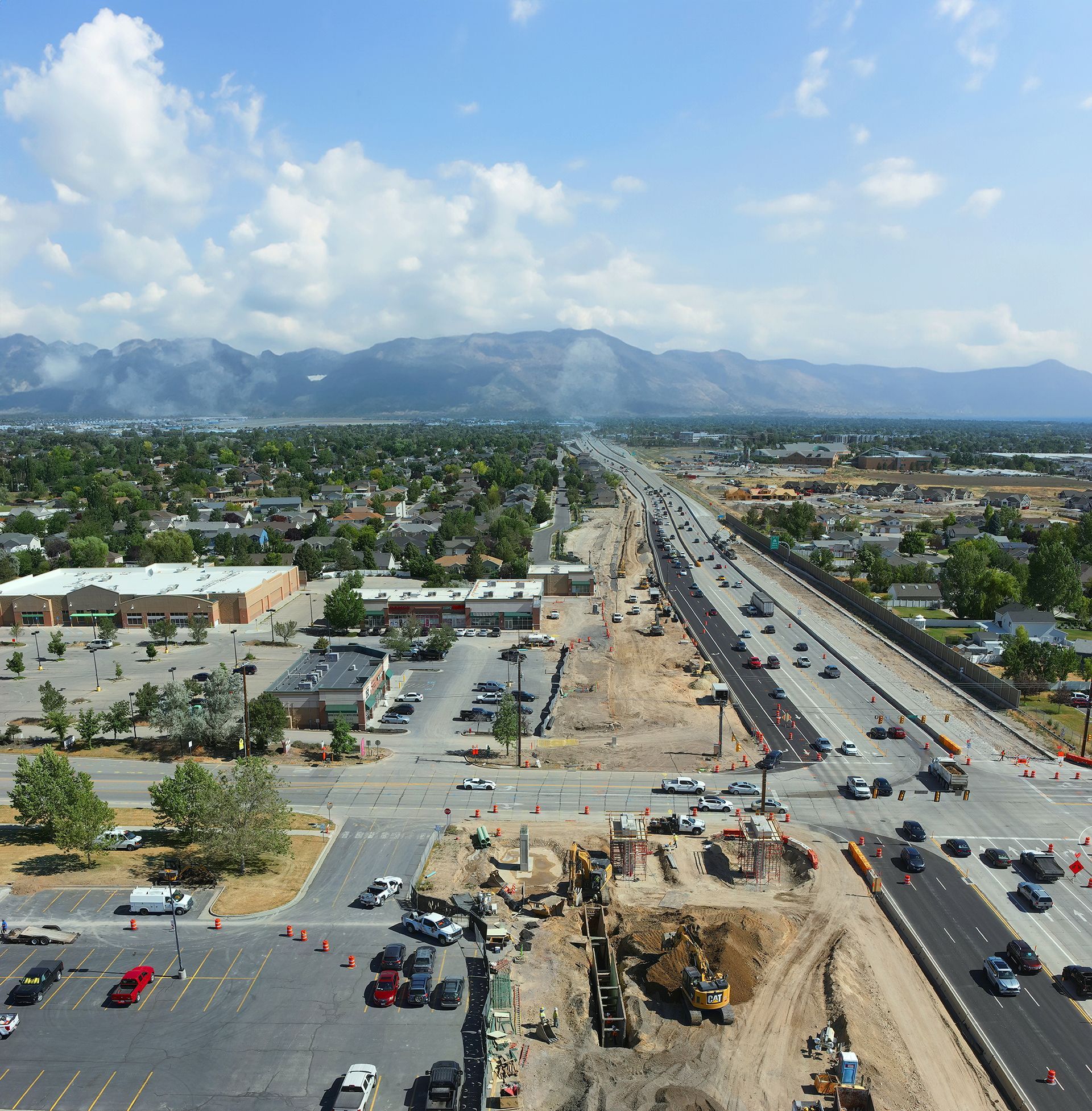
It starts with partnerships on the big-ticket items—highways.
Gary Horton, Project Manager for Wall Consulting Group, said that partnerships forged through alternative project delivery are an encouraging trend, where engineers and contractors team up to deliver the best highway projects across Utah
State regulations and project complexity go toward determining what delivery method is chosen, but one constant to expect is this: “The more technical the project, the more advantageous the alternative delivery.”
Horton said that current practices seemingly favor the largest firms, especially when program management is involved. While this chosen group may have the
local experience in capital intensive and complex projects, Horton said there are plenty of firms that have experience in alternative delivery or project complexity elsewhere, but may be overlooked.
Tyler Larson, a VP and Technical Director for Digital Delivery in WSP’s Denver office, said that the Illinois Tollway project provides a case study to potentially follow. There, owners incorporated a small business initiative to bring in smaller contractors to work on $5 million project scopes, outfitting them with new software to bring them up to speed to ensure a highly skilled and competitive contracting environment.
Larson said, “You want to make sure that that even your small businesses can keep working on your projects as they move forward into this digital delivery realm.”
Horton agreed with the sentiment: finding smaller projects with more technically complex elements to open up the competition to help the industry flourish.
On the mass transit side, the same emphasis on partnership remains—with a twist. Three years have passed since the Utah Legislature directed UTA and UDOT to partner on fixed guideway projects like FrontRunner, TRAX, and BRT—with UDOT leading under the terms of H.B. 322.
Fixed marriages don’t always work out—romance is hard to mandate, especially with joint custody. That sentiment bore out in a September 2025 report from Seattle-based Fehr & Peers that detailed how further “couples counseling” (my words) and “further collaboration” (their words) can improve the partnership. To make the partnership more challenging, the report noted, “There is not an identical model in the US whereby the state legislature mandated state DOT management of fixed guideway delivery.”
Each entity is confident that the arranged marriage will last. UTA representatives said in the report that they are confident UDOT will learn UTA’s native tongue—transit—as UDOT continues to build out its transit division. UDOT’s clout with the legislature and the higher degree of trust from the public can be leveraged for more transit funding, and this is especially important the further mass transit projects move through the development life-cycle.
David Hancock, a UTA team member for nearly two decades before joining WSP as Sr. VP and Program Manager, said the ongoing partnership is a step in the right direction, especially as mega-projects like TRAX Forward and FrontRunner 2X move forward. With these projects underway and more bus rapid transit (BRT) projects expected, Hancock said the two organizations can work in sync to accomplish transit-friendly goals while, he concluded, “leading the state in how transit will look in the future.”
Another partner in all of this is the controller of the purse strings, the Utah Legislature. While Utah and the nation await what’s next from the current federal administration, state legislators have been thoughtful in how to fund transportation of all stripes, according to WSP’s Matt Sibul.
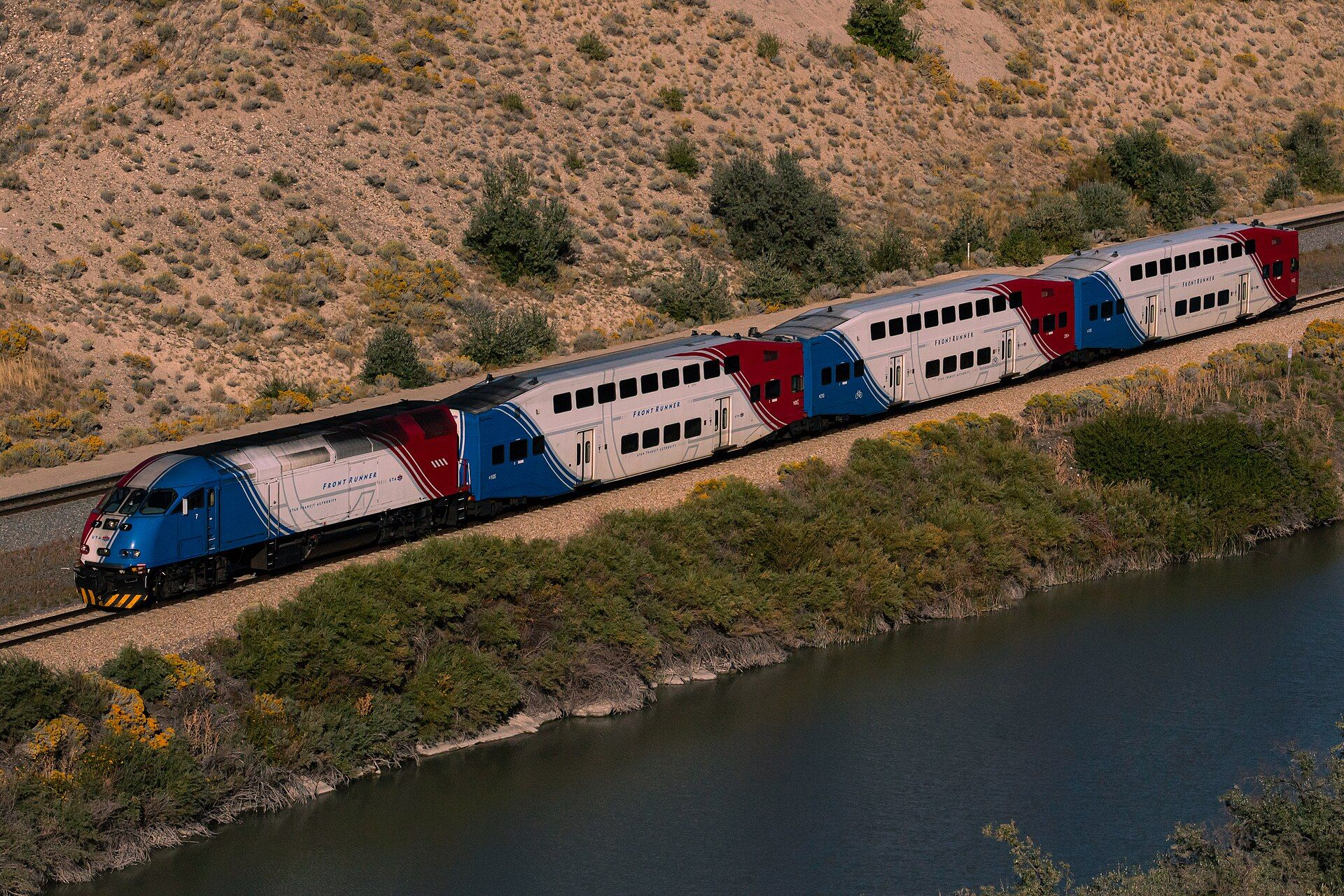
“[Utah leadership] put a lot of money into highways and expanding the system to new capacity. [Now] they’re funding the modernization of our FrontRunner system,” said Sibul, WSP’s Sr. VP and Southwest Mountain Transportation Lead.
FrontRunner 2X is that modernization—a $3 billion job that will also double track portions of the commuter rail line. While the state hopes for federal dollars to help fund it, “The [Utah Legislature] has skin in the game,” said Sibul. “The state legislature has stepped up to do that because it's not a political issue, and they realize that transit is embedded as a part of the transportation system.”
Mass Transit Advances
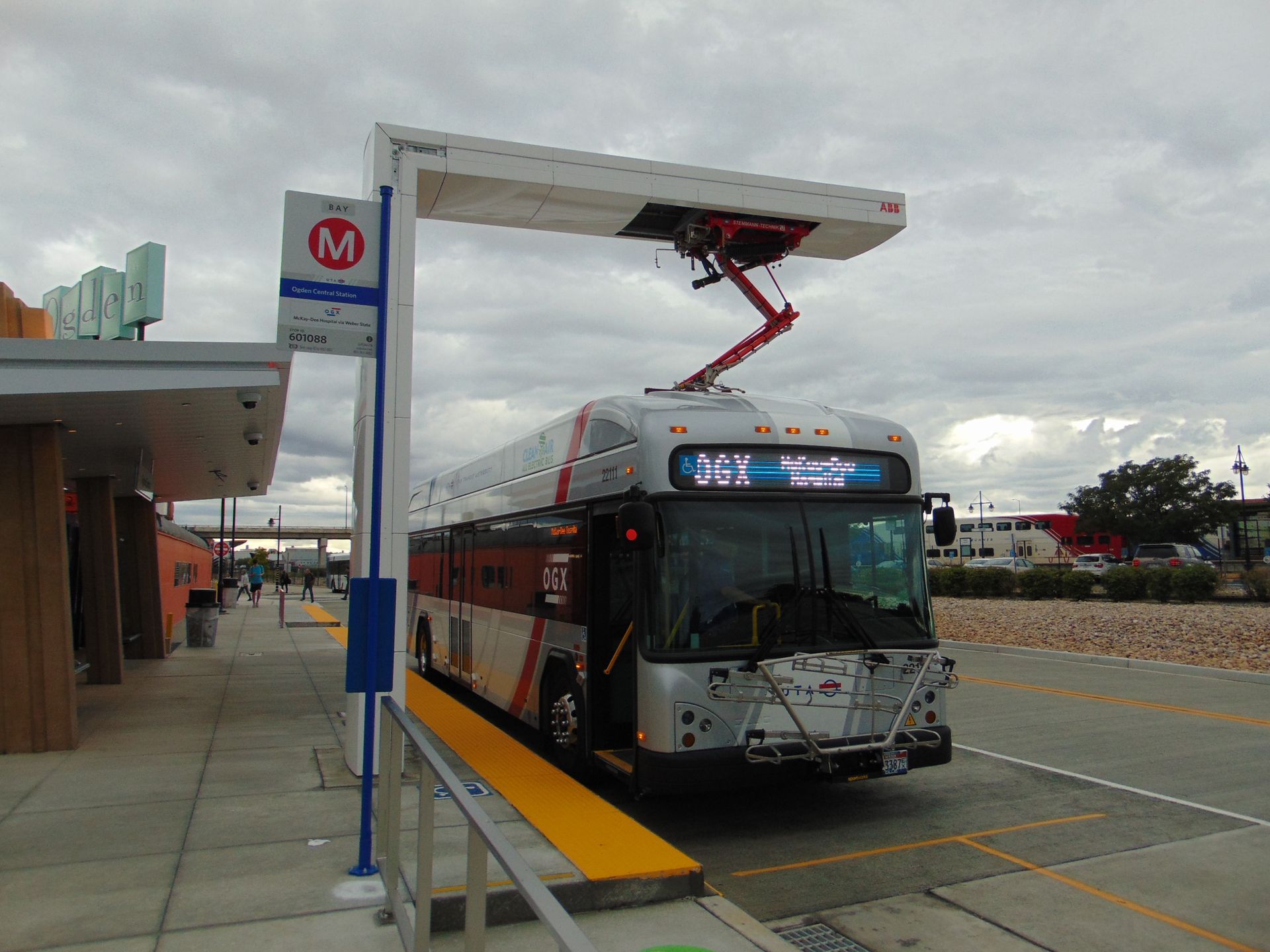
Kristi Shinall, Sr. PM and AVP at HNTB, said Utah has significantly diversified and expanded its transit network over the past decade. FrontRunner and TRAX may earn the lion’s share of attention and ridership of UTA’s reported 40 million boardings, but BRT is one of Utah’s fastest growing transit modes.
How’s it working so far? Utah Valley Express (UVX) has a weekly ridership of 14,000 and the Ogden Express (OGX) carried just over a million riders in each of its first two years of operation.
UTA’s Midvalley Connector (50X) just opened in April 2026 to take riders between Murray, Taylorsville, and West Valley City, and BRT is coming to the Wasatch Back, too.
High Valley Transit began road widening efforts in April 2026 to prepare for dedicated bus lanes for the Bobsled Express, or “The Bob”—a new seven-mile BRT route between the Kimball Junction Transit Center and Park City Old Town Transit Center.
More to come from BRT? Shinall affirmed it, saying, “With dedicated lanes, signal priority, and strong performance metrics,” Shinall said. “BRT offers Utah cities a cost-efficient way to increase capacity and connect dense housing, retail, healthcare, and education centers.”
With well over half of Utahn’s living within a half-mile of transit service, she added, “sustained growth requires expanding access, not just expanding roads.”
Technological Revolution Here to Stay
The only two sure things and life, the saying goes, are death and taxes. I’d like to add a third—artificial intelligence slipping its way into conversation.
AI continues to dominate the zeitgeist, and Hancock said that attending Procore’s Groundbreak 2025 conference in Houston reaffirmed how generative AI can revolutionize the field. He and other leaders are figuring out where new tech works best.
“Everything is figuring out the next AI agent that can help with this phase of the work,” said Hancock, “whether that be scheduling, project management, quality management, contract management—everything has an AI agent that somebody is creating.”
Outside of AI, Larson said that UDOT is doing an excellent job bringing in software companies, contractors, and engineers to run pilot programs to test emerging technology, with digital delivery key among them. But, he cautioned, more must be done in digital delivery to develop accurate and repeatable workflows to reduce design and construction risk.
“This can be best accomplished by having all stakeholders involved in the development of the digital delivery program so that we all understand the goals, and challenges,” he said. “That allows us to develop a common set of workflows that we all understand and benefit from.”
Other tech, like smart signaling, statewide, LiDAR-based traffic analytics, and vehicle-to-everything (V2X) systems continue to advance. With many longtime user organizations across the state, Utah is emerging as a national leader in integrating this tech for an intelligent transportation system (ITS), according to Shinall.
In February, UDOT announced plans to further equip 1,275 intersections and 259 vehicles with V2X to enable realtime communication between snowplows and signals. While this winter was a bit of a dud, at least by Utah standards, these tech integrations will ensure critical corridors are safe and clear in future snowy seasons.
“Taken together,” Shinall said, “these investments position Utah at the forefront of ITS deployment.”
Active Transportation Paves New Trails
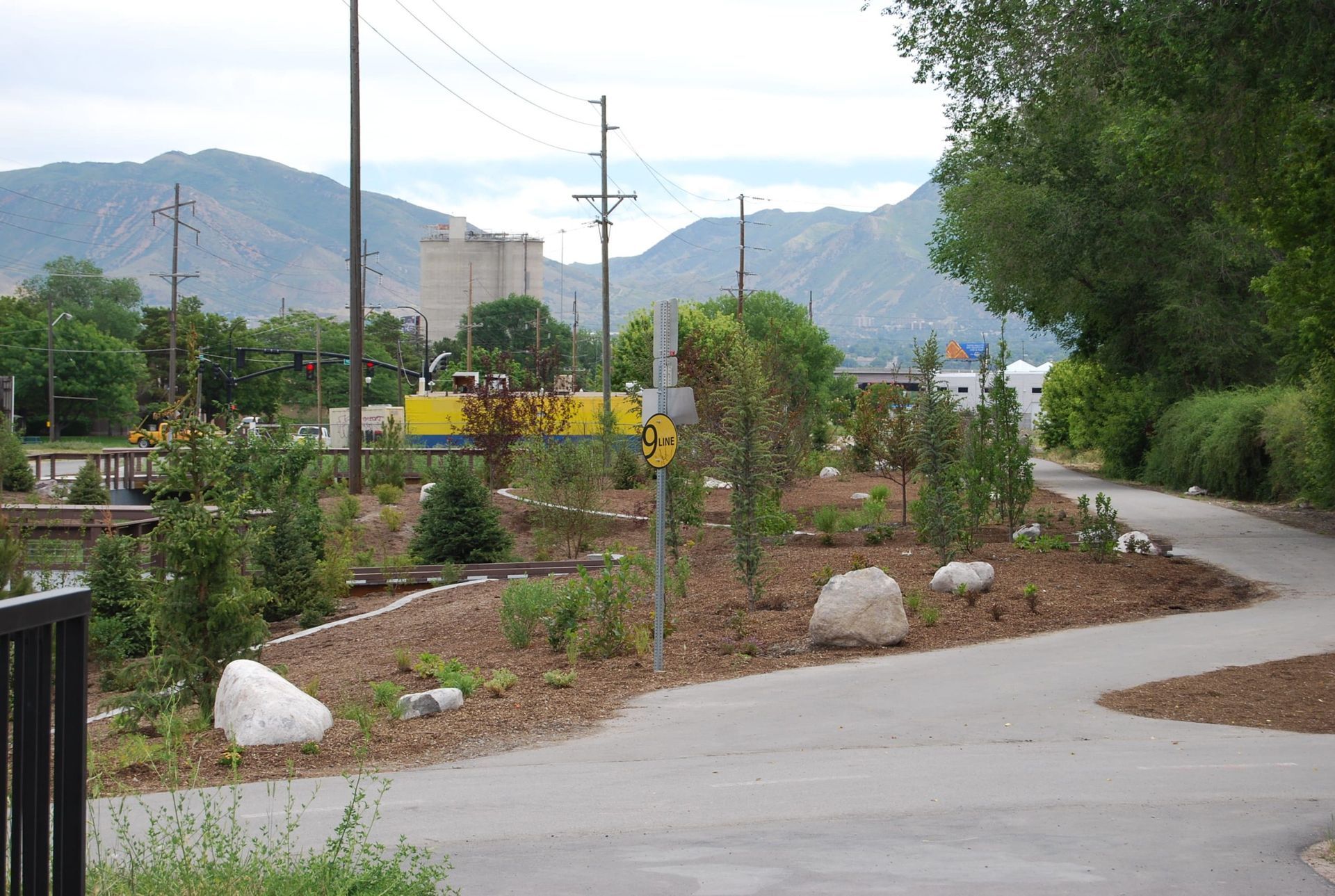
Last year, Governor Spencer Cox had an announcement that was news to the ears of the state’s many recreationists: 2,600 miles of new trails to go with the 500 miles currently existing for a fully connected Utah Trail Network (UTN) across the state.
The UTN will be overseen by UDOT, said David Simmons, Structures Engineer at Horrocks.
“It made sense for the state to take that responsibility,” he said. “[UDOT] can find the funding sources and rally different cities and communities together to connect the trails.”
For the engineers involved, including Horrocks’s Simmons and Jared Olsen, Principal Engineer and Bridge Practice Lead, their work involves wearing two hats.
One is setting up UTN design standards for UDOT, Olsen said, “where [designers] cane come in knowing what they’re doing, where they don’t have to think through every single decision.”
What decisions are they looking to unify? Trail widths, infrastructure specifications, trail crossings—and ensuring everything follows standards determined by AASHTO, ADA, and UDOT’s Structures Design and Detailing Manual.
“We’re taking the project goals and balancing all these things together,” said Simmons.
Their second role is working as engineers and designers on the actual trail projects funded by UTN’s $45 million annual budget. Since budgets, needs, constraints, and locations are different for each trail, these engineers use a design matrix to determine the best fit, which Olsen detailed from his work on the Colorado River Trail near Moab. Stakeholders wanted a trail that delivered unencumbered views of the river. Since railings were required, Olsen designed for a unique, thin, railing that safely preserved the views of the mighty Colorado, helping advance one of many projects that will further connect the rest of the state through active transportation.
Back in the city, Horton sees further active transportation trending positively.
“These are discussions we’re having with owners and clients,” said Horton, identifying municipal work done with public ownership in Salt Lake, Ogden, and Park City. “We’re trying to figure out the best and safest way to fit into the transportation network.”
Finding the public right of way remains challenging with so much development already calcified in the bigger cities—and they don’t have the imminent domain bulldozer to do what they want. But Horton is confident that active transportation development is headed in the right direction.

More to Come
As highways, trails, and rail lines expand, aeronautics have landed, too. The U.S. Dept. of Transportation selected Utah and seven other states for a three-year pilot program for Electric Vertical Takeoff and Landing (eVTOL), meant to safely integrate highly automated aircraft into the national airspace with planes that use electric propulsion for vertical takeoff and landing.
“This partnership puts Utah at the forefront of the next generation of aviation technology while creating new opportunities for economic growth, research and workforce development across our state,” Gov. Spencer Cox said in a statement.
It’s just another way that Utah, often through great work done by UDOT—always by great engineering teams—continues to be a leader in transportation development. Whether personal vehicle or just the person, active or mass transit, by land or by sky, Utah engineers continue to match the momentum of these transportation trends to keep Utah moving.