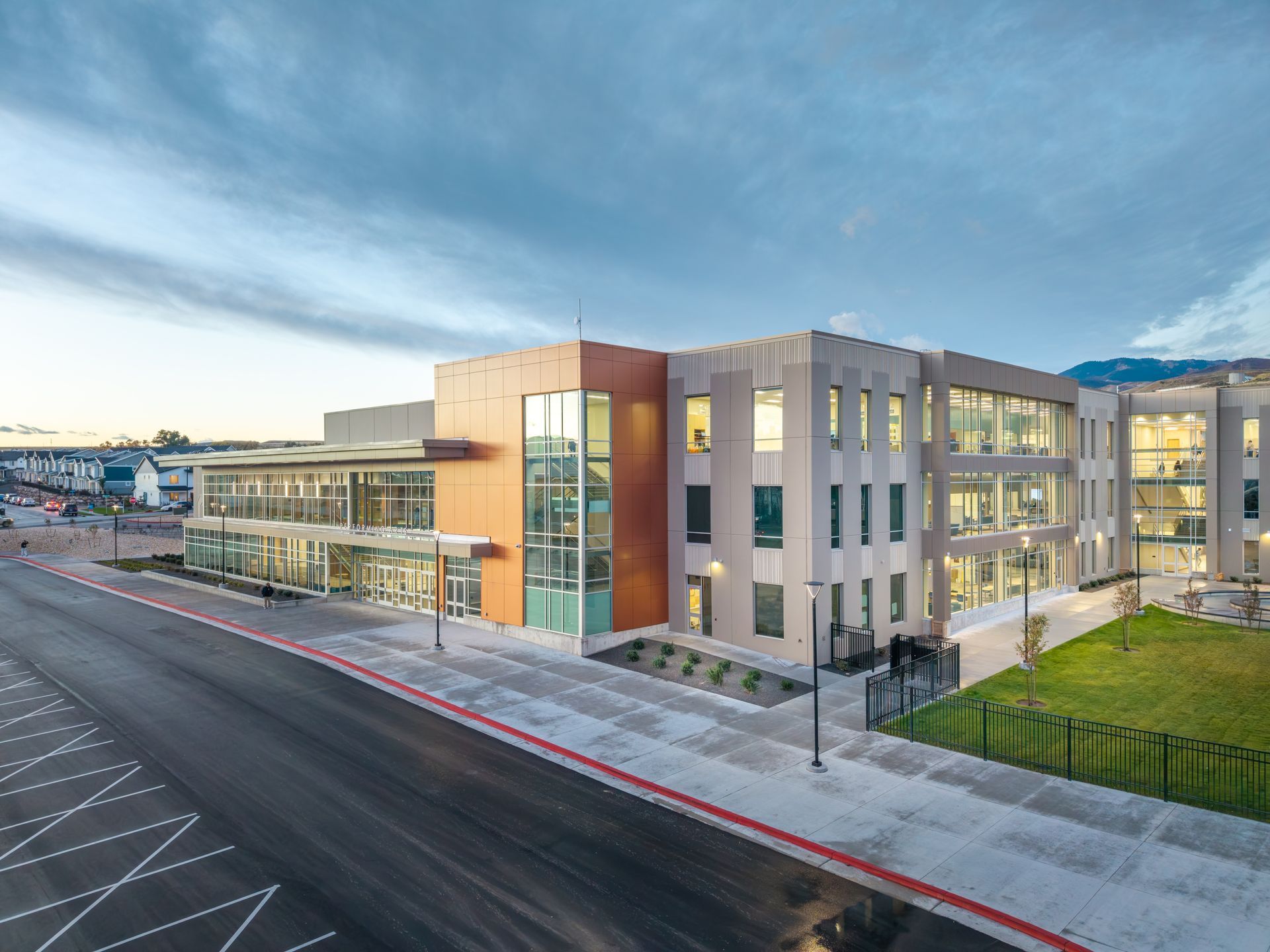
The eight-year odyssey to deliver Cyprus High was worth the voyage, as designers and builders created a stellar learning environment for Magna’s growing community.
By Taylor Larsen | Photos by Jared Kenitzer
$238 million.
That’s not the cost of a Utah high school—not yet, at least—but the amount Granite School District bonded for in 2017. Most of that voter-approved amount was set for designing and building new “sister” high schools at opposite ends of the Salt Lake Valley—Skyline High in Millcreek and Cyprus High in Magna.
While each school’s trajectory diverged to meet their respective community’s wants and needs, both schools would be guided by modern educational principles for state-of-the-art learning environments, with Cyprus High to rise from a new site on Magna’s southwestern boundary.
Thus began the eight-year odyssey to bring Cyprus High to port for the beginning of the 2025/2026 school year.
Early Engagement and Partnerships
The ELEVATE design team, consisting of Salt Lake-based Naylor Wentworth Lund Architects (NWL) and Ohio-based Fanning Howey, engaged extensively with students, faculty, school district reps, and community members starting in 2017. Their goal was to design a school befitting Magna, a community that has historically played a major role in the nearby mining operations of Kennecott and Rio Rinto.
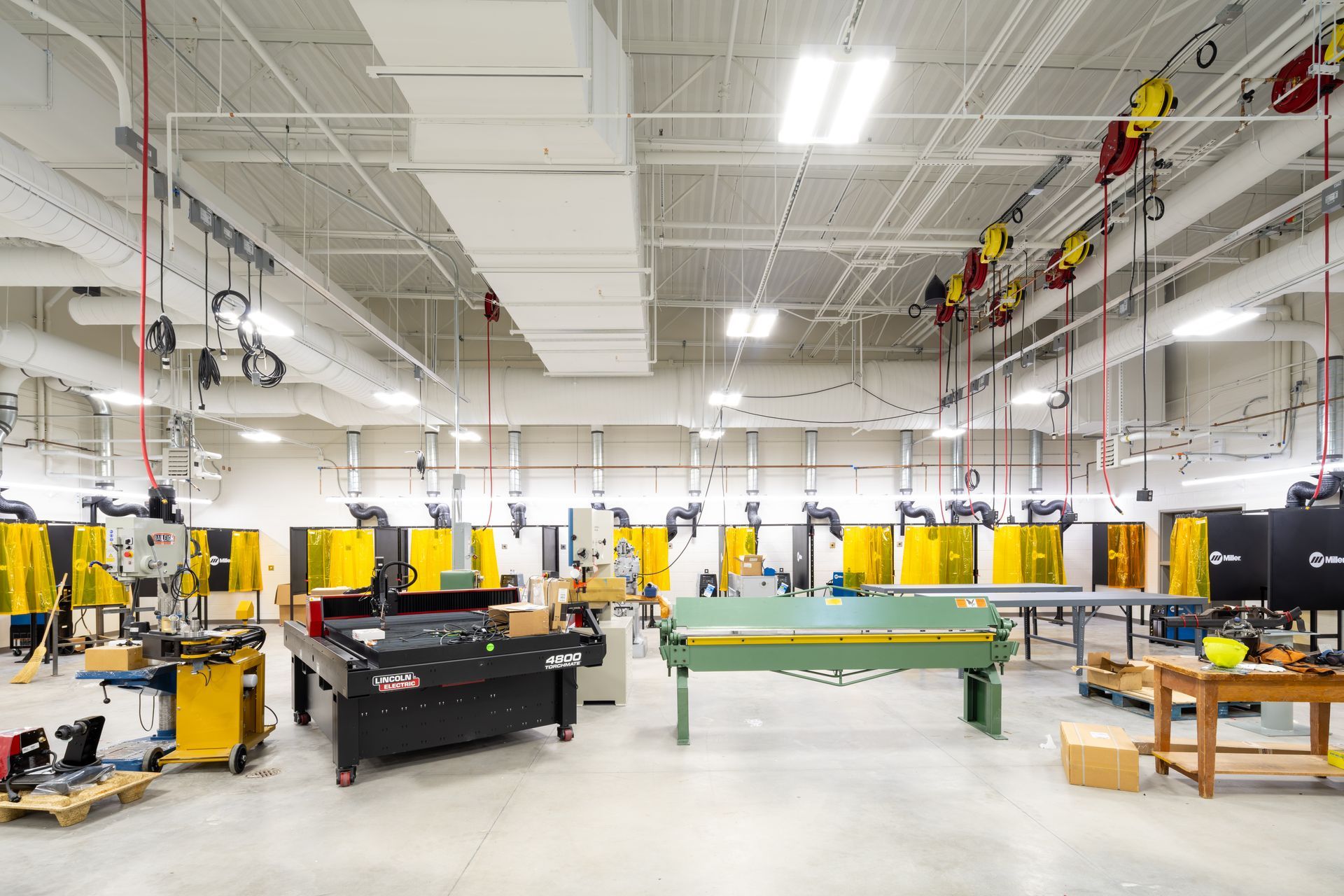
Michael Hall, now retired, was the Sr. Project Executive/Educational Planner for Fanning Howey, and served as ELEVATE’s Key Knowledge Leader. He mentioned how feedback in these early meetings led directly to key design features for Cyprus. Those included adaptable learning spaces and robust career and technical education (CTE) areas with fully outfitted automotive, welding, wood shop, and culinary arts labs for students to get an early taste of potential professional interests.
Hall praised the partnership between the two design firms, crediting the NWL team for its extensive background in school design and willingness to bring in Fanning Howey to take Granite School District to the next level with an innovative, modern approach to learning environments.
“We could put a lot of ideas on the table that NWL could kick around and run with,” said Hall, saying that he and fellow Fanning Howey teammates looked to deliver national insights that NWL team members could filter through a local lens. “[NWL] told us what works and what doesn’t work across Salt Lake County—it was a good sharing type of relationship.”
Construction Challenges
The team began a new leg of the journey in 2020, as construction crews, led by Orem-based Westland Construction, readied the site for the Cyprus Pirates’ new school.
The school’s 57-acre site may have seemed like a dream in terms of spatial availability, but posed plenty of challenges. The site required the full environmental remediation of lead-contaminated soil from its past life as a gun range, and future reinforcement to certain walls due to the school’s proximity to an explosive ordinance facility, two of multiple site-related challenges that the Westland-led construction team overcame.
“One would think a large site would make the project logistically easier, but that is not always the case,” said Scott Davies, Westland’s Project Manager. “This site had soil conditions that were mostly dealt with prior to the beginning of construction, but there were still areas where the restored materials did not perform as expected in the geological reports.”
Unstable soils reached 10 feet deep in certain areas, requiring extensive earthwork, soil stabilization, and phased site development to create suitable building pads for what would be the largest high school in Utah.
Once the site was ready for vertical construction, Westland’s Davies and Project Superintendent Darin Farnworth emphasized careful logistical coordination for material staging, trade access, and utilities infrastructure. Through strategic sequencing and close collaboration among civil engineers and trade partners, the team successfully transformed a difficult site into a functional, organized campus environment.
Workhorse Materials and Systems
ELEVATE designed with a material palette that was practical and durable; ready for inspiration and flexibility to meet student and faculty needs for generations to come. Glass, metal panels, and concrete combine brilliantly to achieve the design goals, the latter material being a key structural and architectural element.
During a tour of the school, Farnworth pointed around the site, mentioning how the concrete teams built and rebuilt tilt-up casting beds across 12 locations. These casting beds were the genesis of Cyprus’s 600-plus individually engineered concrete tilt-up panels, each requiring specialized and individual attention to coordinate electrical, mechanical, and plumbing elements. Form liner patterns in the casting beds created more visual interest and an aesthetic character and texture in the building’s façade. Adding architectural flair turned the structural element into a key part of the school's modern identity—strong, resilient, and built to last .Metal panel accents complement the tilt-up structure by adding a contemporary character, while expansive glazing systems introduce natural daylight into academic spaces and build upon a central theme of transparency and connection throughout the campus.
In hallways, concrete flooring, acoustic ceiling systems, wood accents, and unique, Cyprus-specific graphics and wall art combine for a cohesive and resilient environment for students and staff navigating between classes. Other high-performance flooring systems installed throughout learning commons and breakout areas further accommodate shifting furniture and heavy student traffic.
CTE spaces contain stainless steel fixtures and industrial-grade materials to reinforce functionality while maintaining a refined, professional appearance. The exposed structure and accessible utility routing in these areas allow equipment to be upgraded or reconfigured in the future as technologies advance and new needs arise.
The high school’s massive, 505,000-SF footprint is buoyed by an impressive main floor mechanical room with two boilers and plenty of space for maintenance teams to keep facilities operating smoothly. A large chiller outside, a ground source heat pump system, and a total of 21 air handlers in other mechanical rooms throughout the building combine to deliver heating and cooling efficiently across the school.
The school even includes seismic-resistant structural elements that were requested long before a 5.7-magnitude earthquake rattled Magna in 2020. Those structural elements and durable materials ensure longevity and resilience, especially as enrollment is set to grow to 3,000 students—600 more than what was originally planned—as residential development boomed around the campus. These decisions, and the school’s emphasis on flexibility, all go toward limiting renovations and operational costs for Granite School District in the future.
Slide title
Write your caption here
Button
Slide title
Write your caption here
Button
Slide title
Write your caption here
Button
Slide title
Write your caption here
Button
Slide title
Write your caption here
Button
Slide title
Write your caption here
Button
Slide title
Write your caption here
Button
Flexibility and Connection at Volume
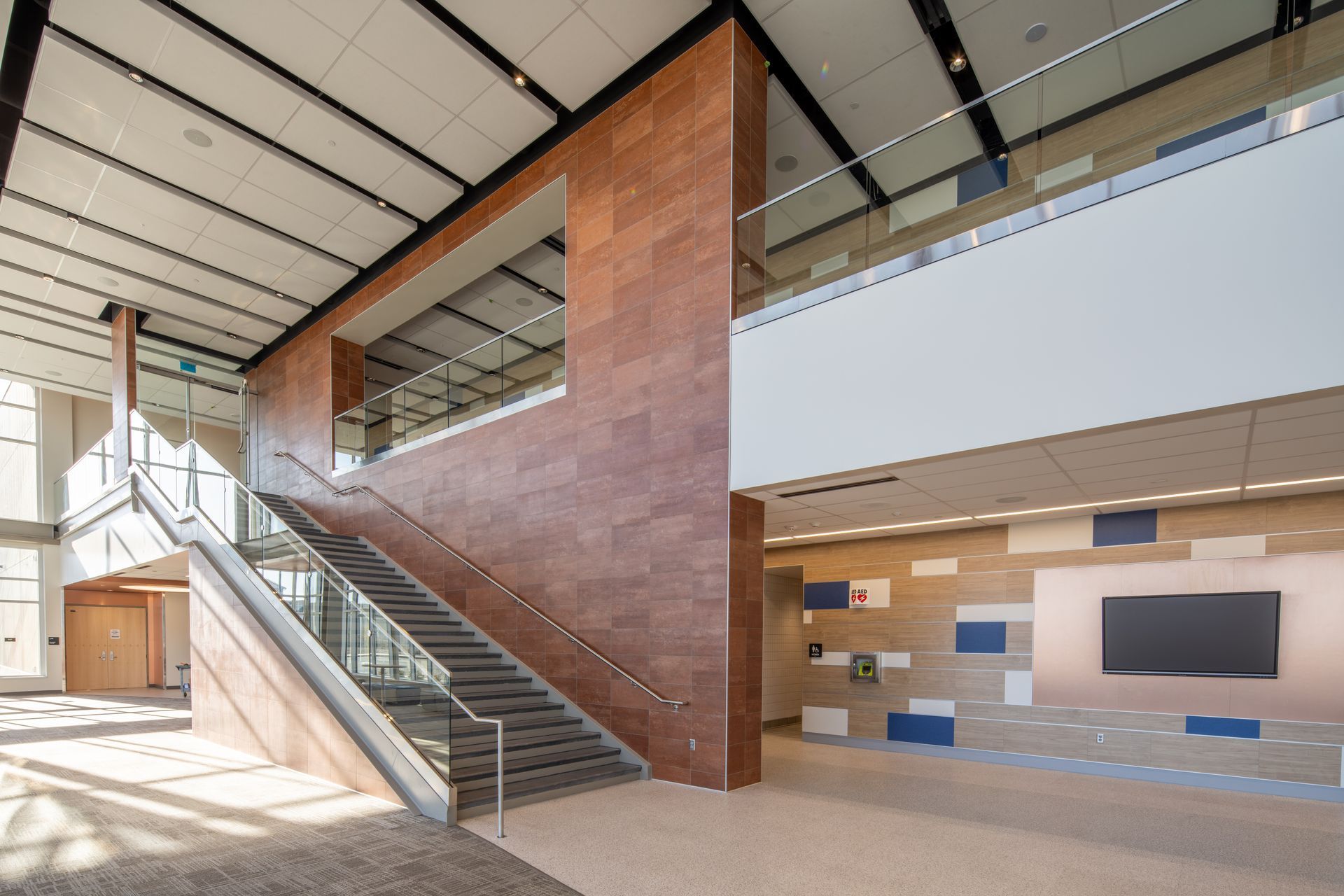
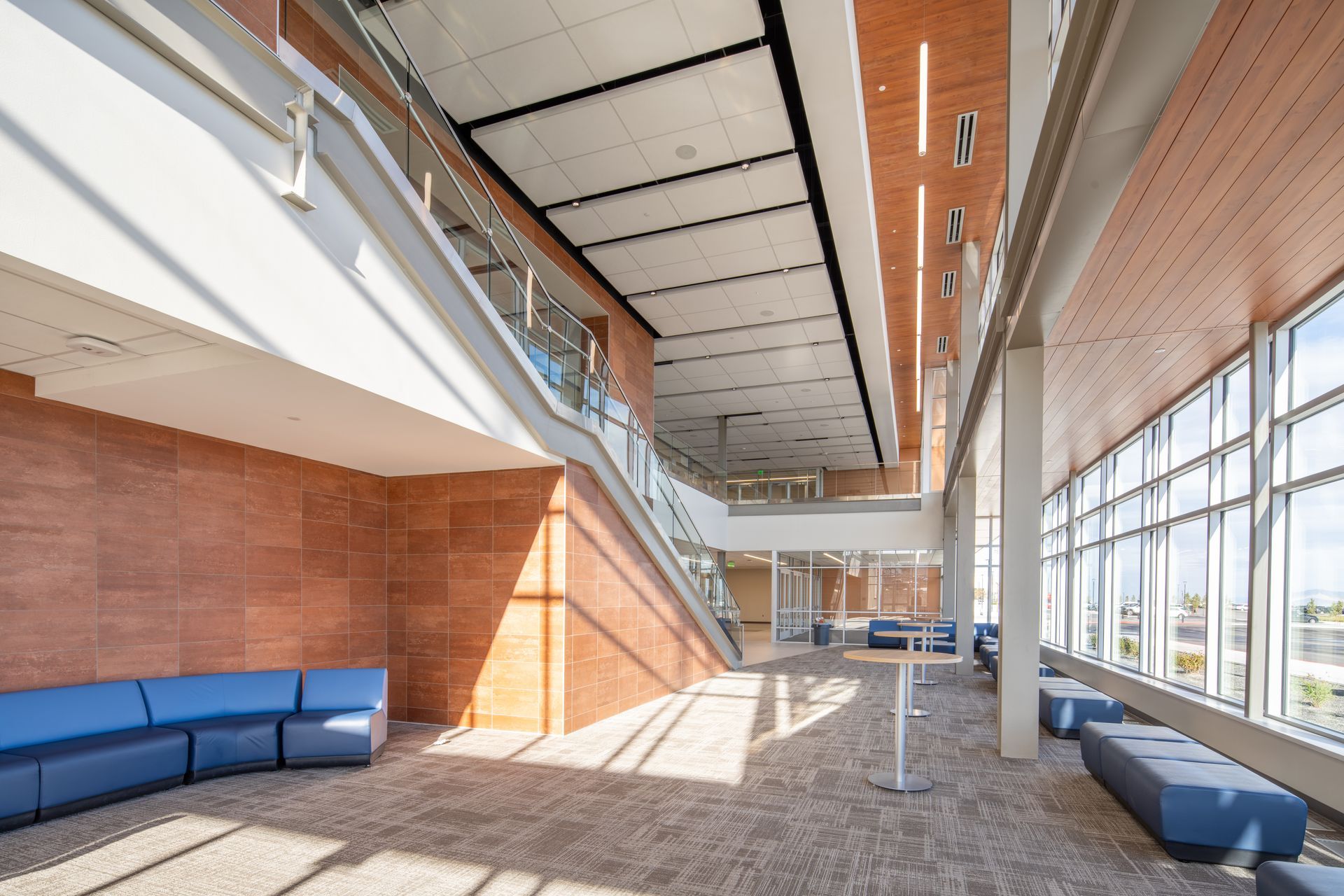
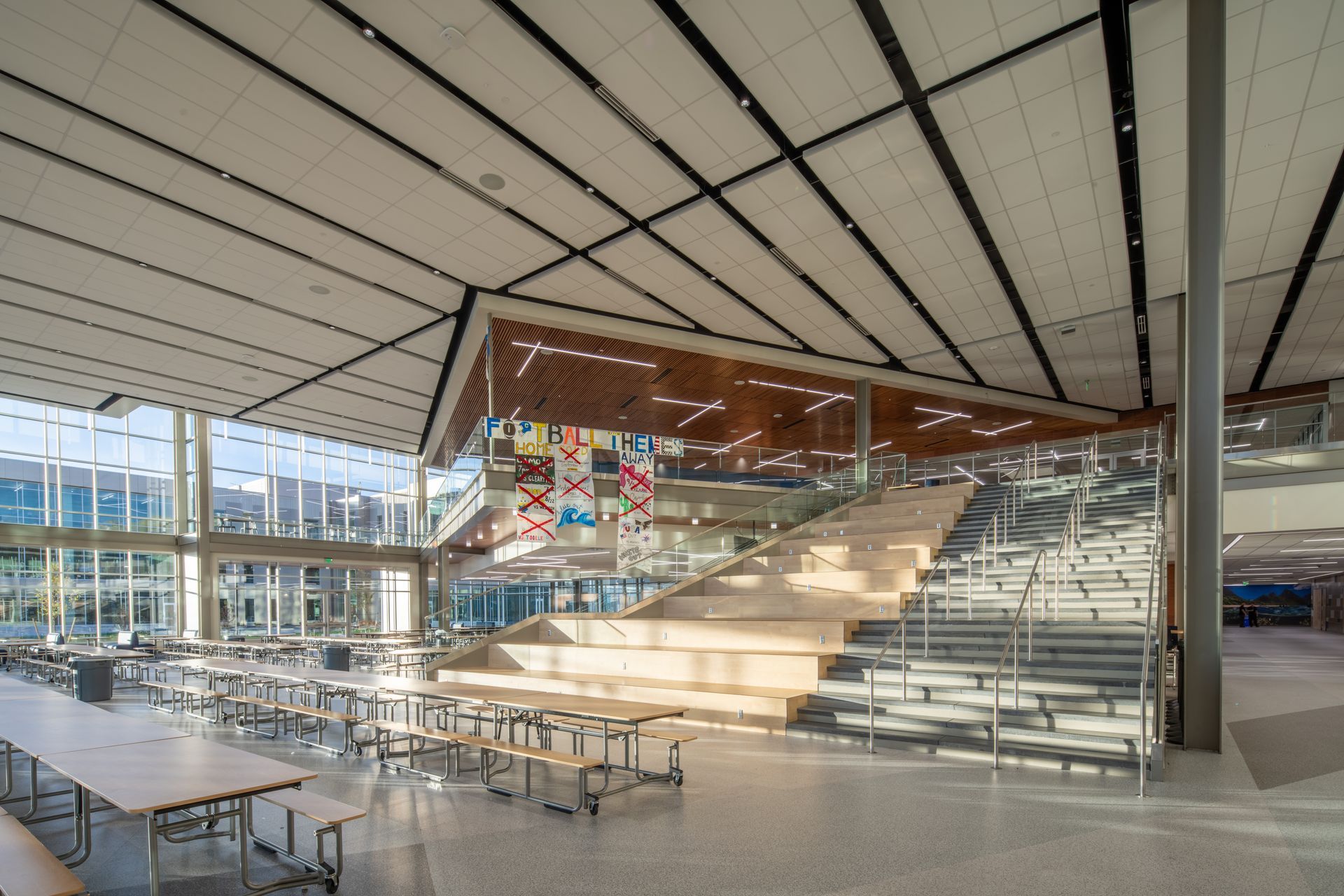
Maximizing the flexibility of large spaces was a key design feature across Cyprus High and shines in multiple areas. It starts at the main entrance and the two-story student commons and its expansive curtain wall installed by Springville-based Skyview Glass. This gathering space remains Erin Youngberg’s favorite of the design features.
“We ended up doing a lot of glass in the student commons, with deep overhangs at the roof level for some intermediate shading,” said Youngberg, NWL’s Sr. Project Architect. “But the interesting thing is how the student commons connects upstairs with a view between the two that carries on.”
There’s a degree of grandeur in the volume of space at play in this common area—the views east to the Wasatch Mountains from the second floor are tremendous. The main floor area wraps around a staircase and adjoining learning stair that slowly tapers with each step in elevation. At the second level, students can turn left to enjoy a study hall overhang that connects to the library, or turn right from the stairs to look out from the “crow’s nest”—a must for the Cyprus Pirates—which rests above the school’s administrative offices.
Design elements, rather than walls, create degrees of delineation where, Youngberg said, “You get the volume, but its differentiated in a way to feel separate.”
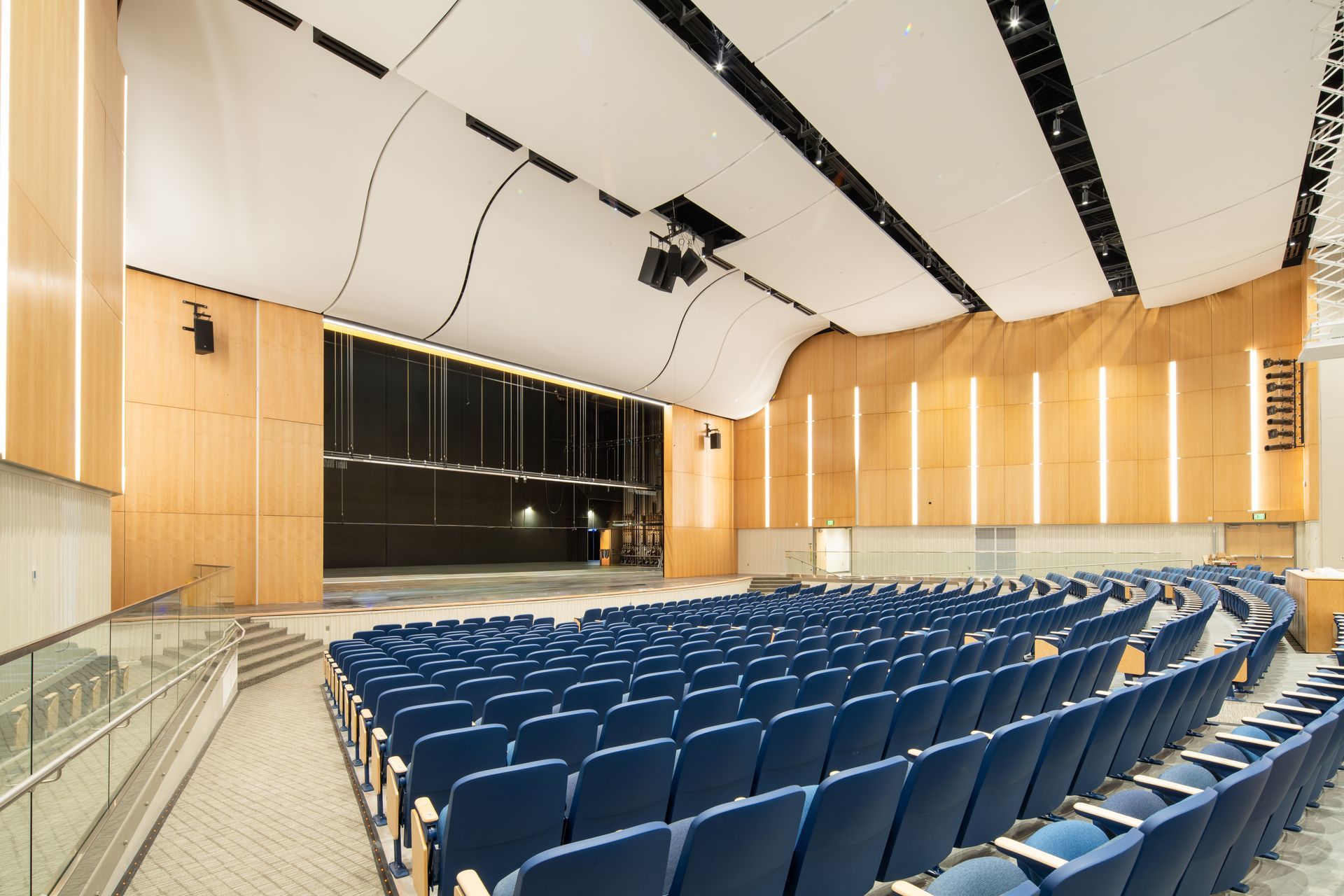
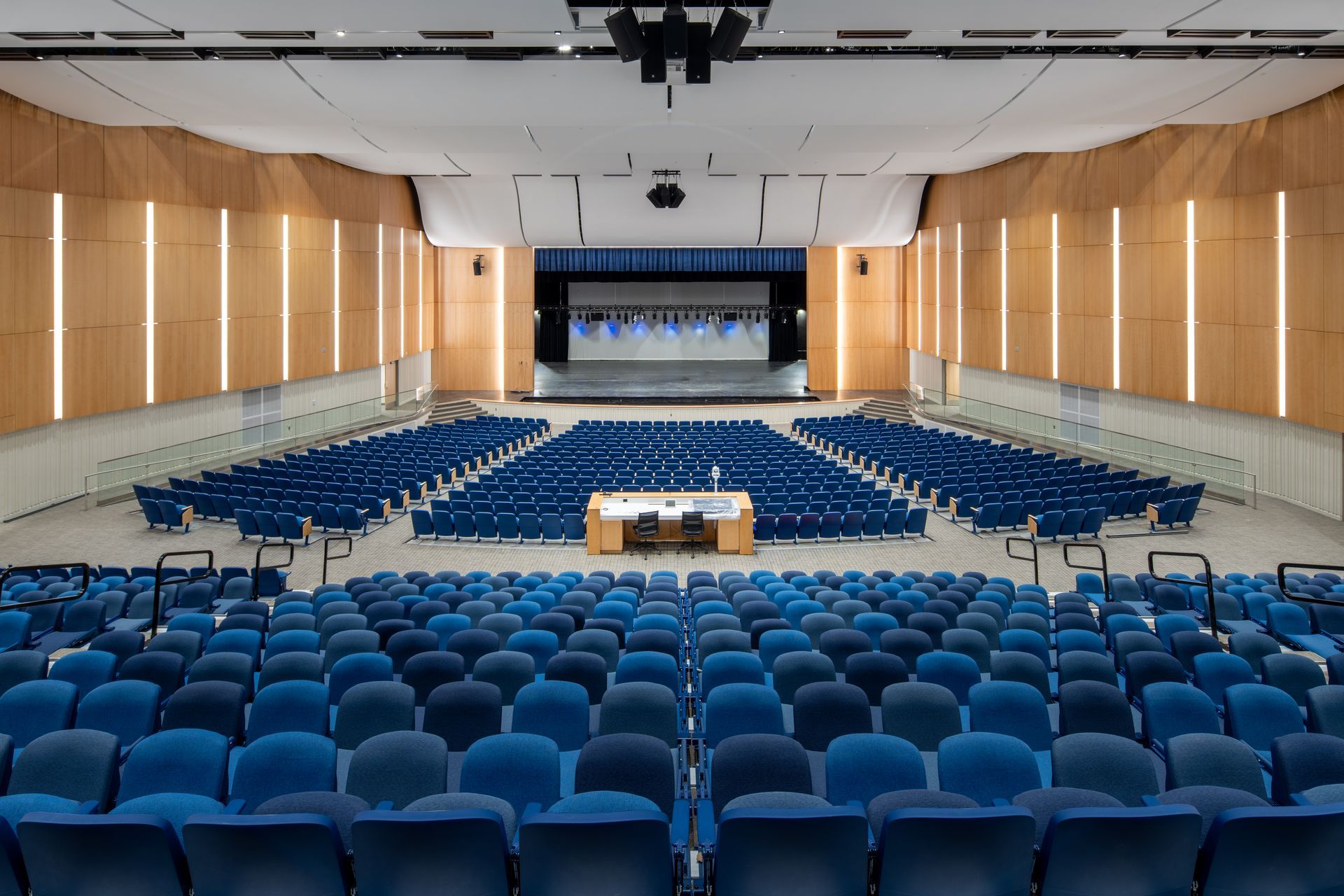
The performing arts wing on the south side of the school is another example of flexibility and connectivity at scale. The two-part auditorium can seat a total of 1,110 people and contains arguably the best example of a prescriptive program designed for performance, flexibility, and resilience. Farnworth explained that, due to the auditorium’s sloped floor and enclosed nature, the construction team built a “dance floor” scaffolding system high above the ground to aid the different trade partners building auditorium infrastructure.
“We built the dance floor to where [workers] could access their scopes with 10-foot ladders,” he said. Doing so allowed the electrical, mechanical, lighting, and fire sprinkler teams to complete their scopes without having to use ground level boom lifts. As those trades finished, acoustical teams utilized carts on the dance floor scaffolding as they shaped and installed the different ceiling treatments. Their combined efforts delivered an auditorium with 564 fixed seats, expert millwork, acoustical treatments, and finishes that rival professional venues.
The flexibility component of this space involves the auditorium’s split, one of Philip Wentworth’s favorite features. A retractable wall at the back of the sloped auditorium reveals not just 546 seats in collapsible bleachers, but a level-plane multi-purpose area with concrete floors.
“When they’re not using the full seating capacity of the auditorium, they can close off that area to work as a dance studio or cheer space, a banquet area, or for a robotics or STEM competition,” said Wentworth, Principal/Vice President for NWL who served as ELEVATE’s Project Design Architect.
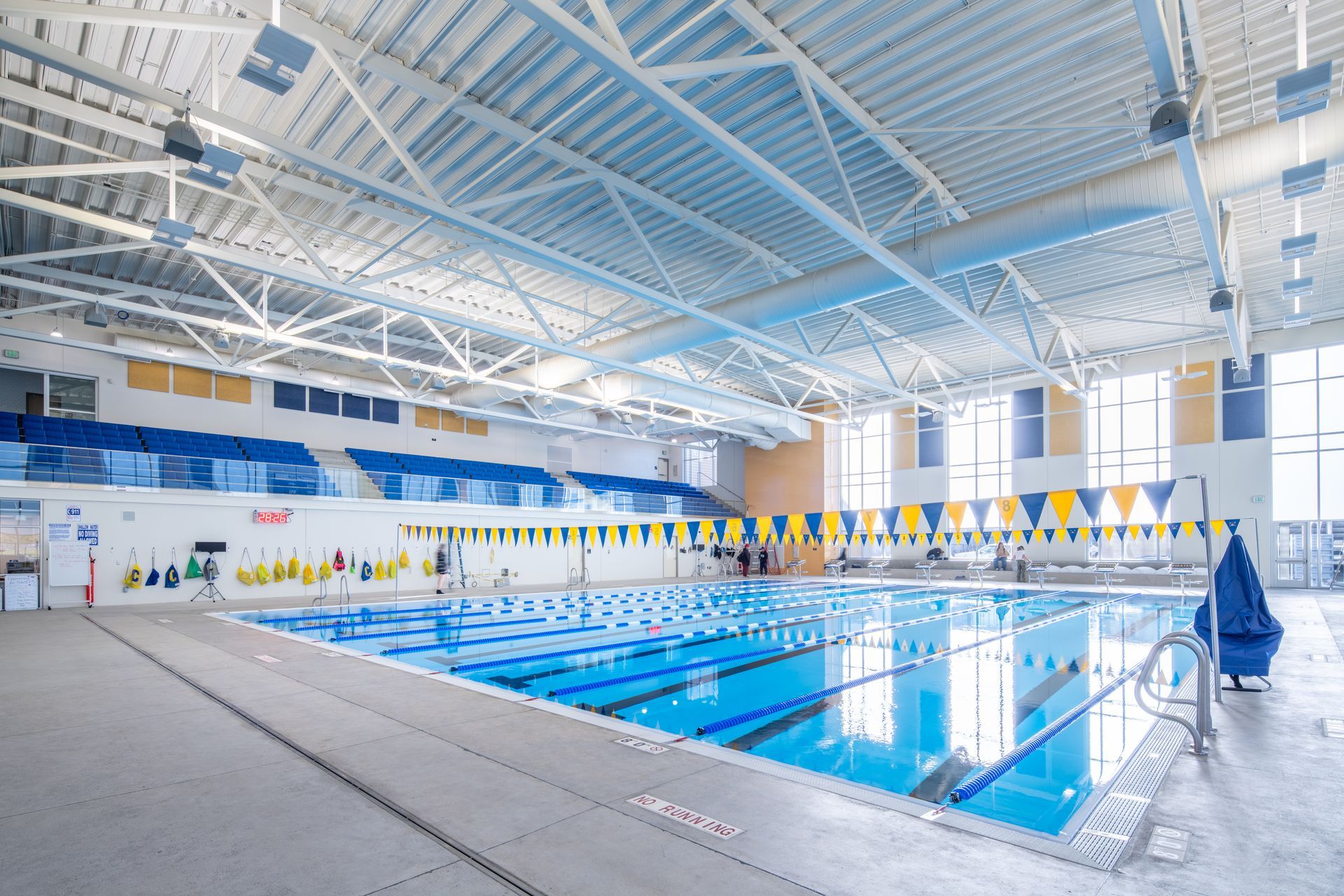
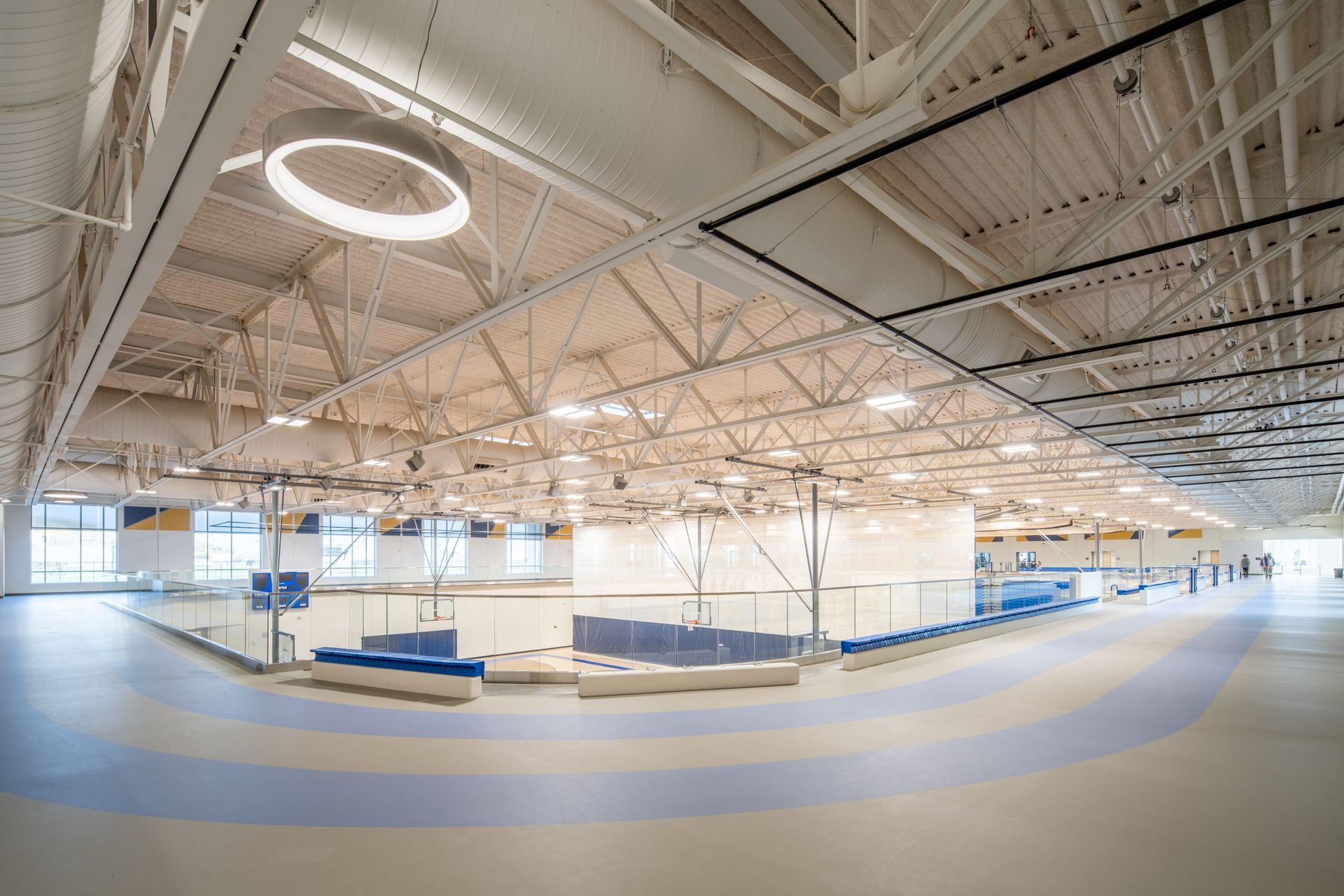
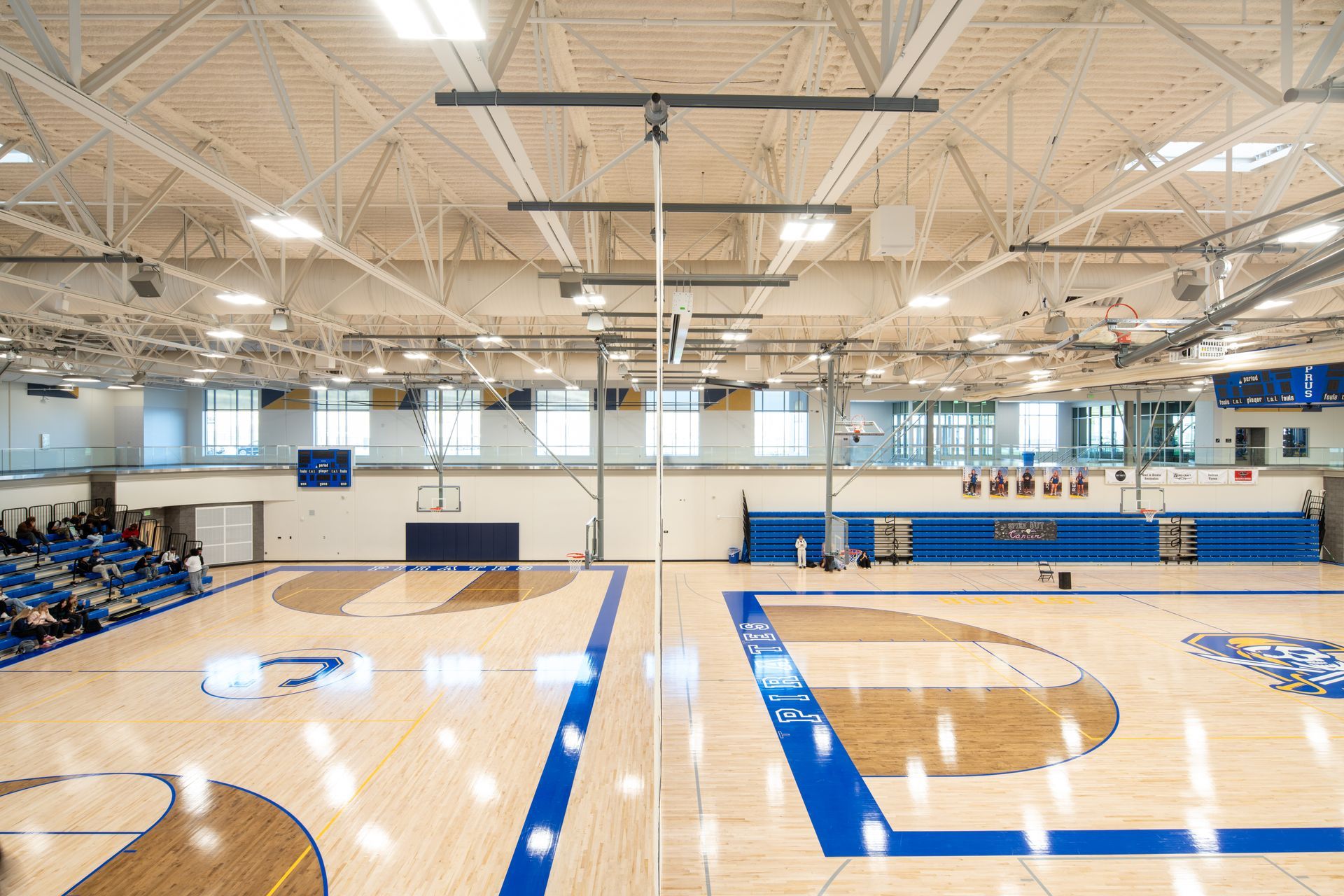
Sailing down the hall to the north and west takes students and faculty to the athletics wing, where one way leads to an indoor natatorium and an eight-lane pool. The other way leads to an elevated walking track above an expansive gymnasium recessed below ground level. The hardwood basketball court there can be further divided for multiple sporting uses, with locker rooms close by on the same basement floor.
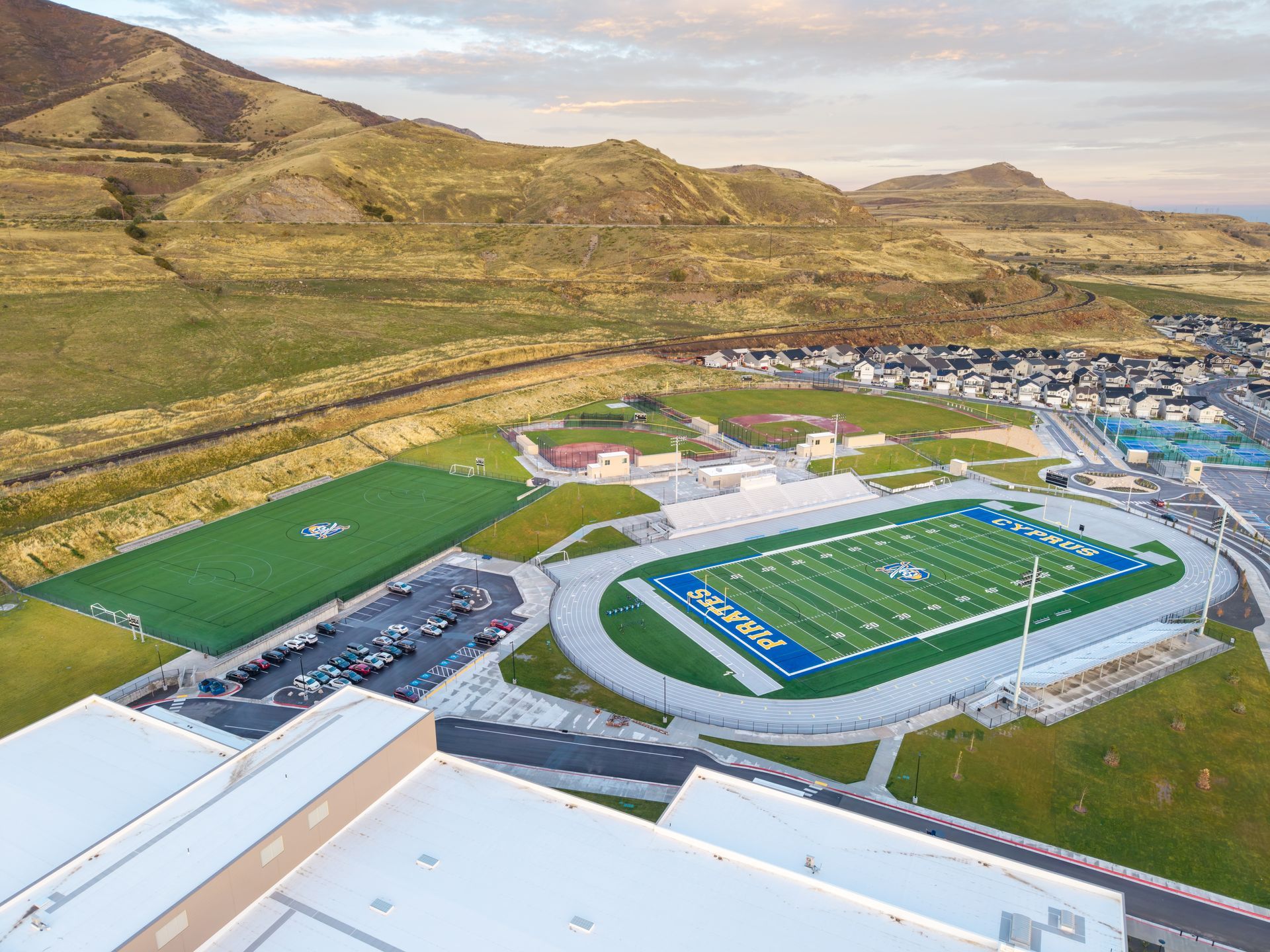
A few steps beyond the west vestibule back at ground level leads to all of the outdoor athletic facilities that function for student and community use. There are baseball and softball diamonds, a football field, six tennis courts, and a soccer field—each with plenty of bleacher seating for family and friends to watch on.
Ross Wentworth, the Project Leader for ELEVATE and since-retired NWL Principal, said watching a recent softball game reiterated how special it was to design such a transformative campus. He recalled watching on as the sun set, mesmerized by the sky and how Cyprus High was seemingly carved into the Oquirrh foothills.
Slide title
Write your caption here
Button
Slide title
Write your caption here
Button
Slide title
Write your caption here
Button
21st Century Learning and Safety Environment Takes Shape
Collaboration spaces, and maybe collaboration itself, is entering buzzword status, but designers sought to deliver buzz-worthy spaces that would host the interactions that turns students into learners.
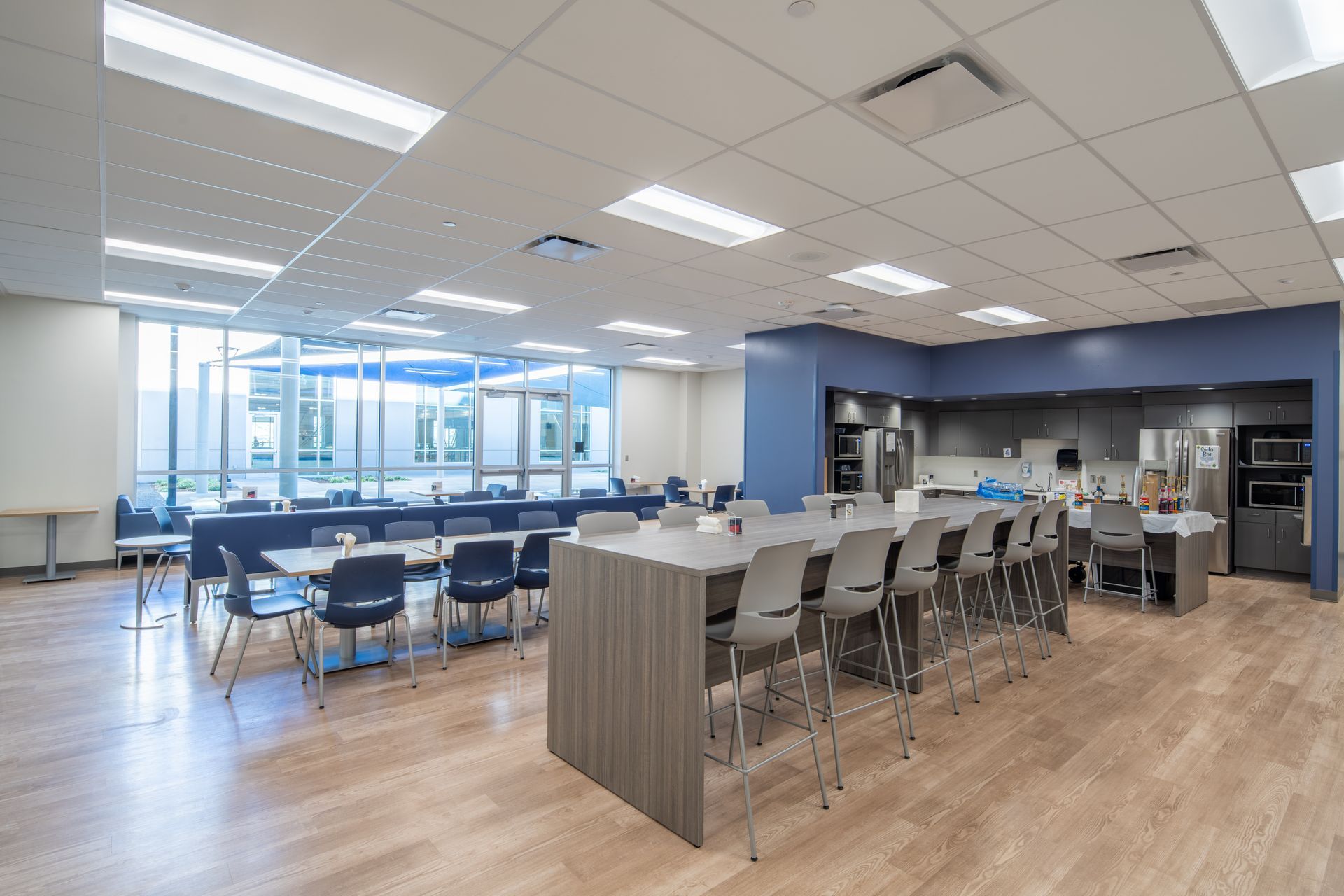
School design has long since moved away from the siloed classrooms and “egg crate” designs of yesteryear, according to Hall. In their place have come learning communities, a welcome and functional design element in Cyprus’s spatial organization. These smaller, flexible clusters of classrooms and collaboration spaces are specifically designed to support interdisciplinary teaching, adaptable learning, and teacher interactions, where partitions and adaptable casework systems further support evolving learning environments.
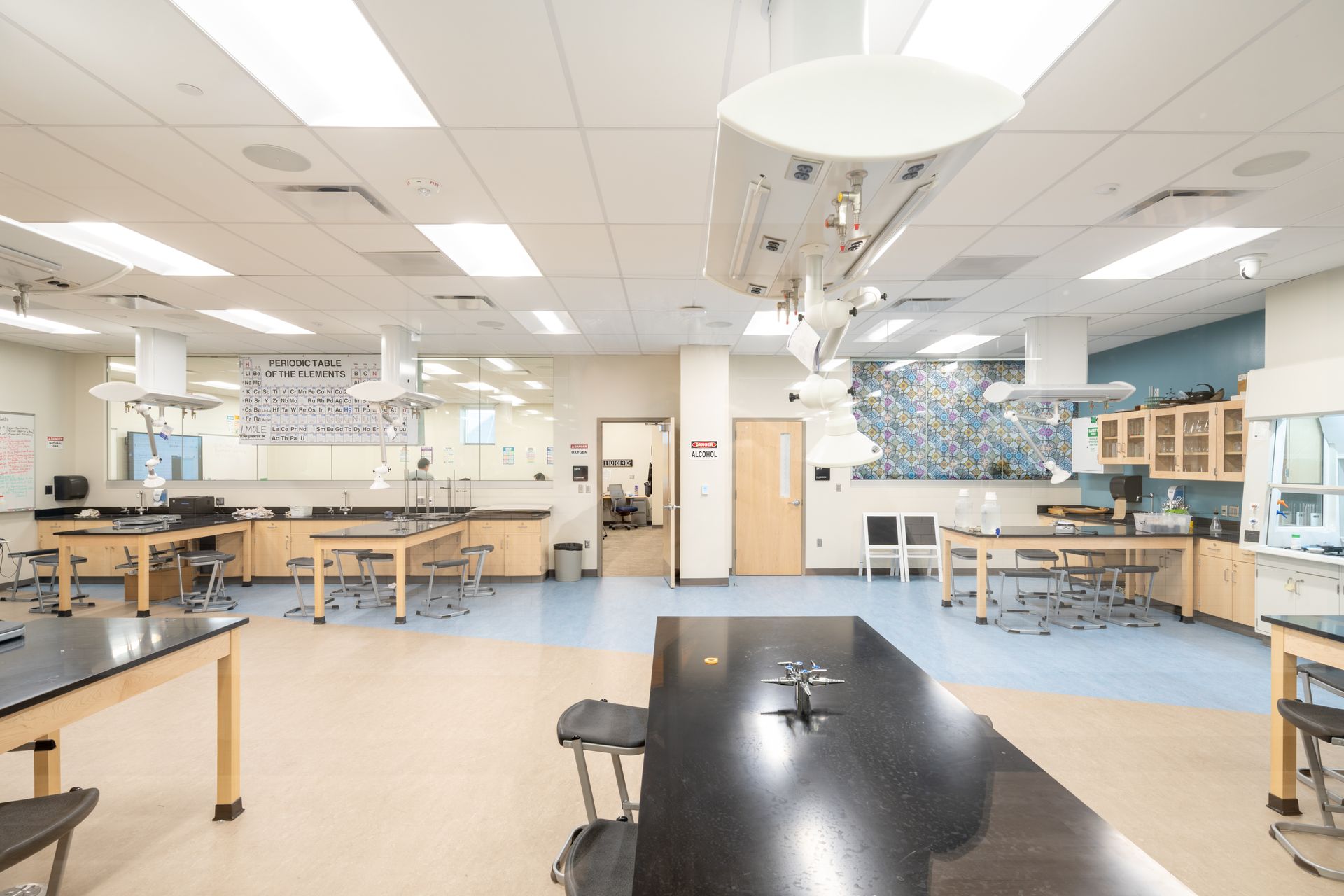
The NWL team explained how the school district was willing to commit a significant part of its square footage to collaborative spaces within the learning communities. In science-related spaces, labs with modular floor systems connect to two classrooms, while other learning communities have four or five classrooms that connect to the breakout areas. Interior and exterior-facing glass brings light in while providing a degree of visibility between classrooms and breakout areas.
“If I were a teacher that had kids that are working ahead of the rest of the class, I can send them out to work in that [breakout] area where I can still see them,” said Wentworth. “Whereas when I was in class, you just got sent to the back of the room.”
Farnworth said teachers are still coming to grips with the visibility from classrooms out to shared breakout zones and open circulation paths—paying attention is hard for adults, let alone high school students—and Cyprus High educators and administrators will need time to acclimate to a contemporary learning environment. However, creating a larger learning area separated into smaller spaces holds plenty of promise as the school prepares students for modern life, one where focus is still expected amidst a plethora of distractions.
Slide title
Write your caption here
Button
Slide title
Write your caption here
Button
Slide title
Write your caption here
Button
Slide title
Write your caption here
Button
Working to Help Students Build an Enduring Legacy
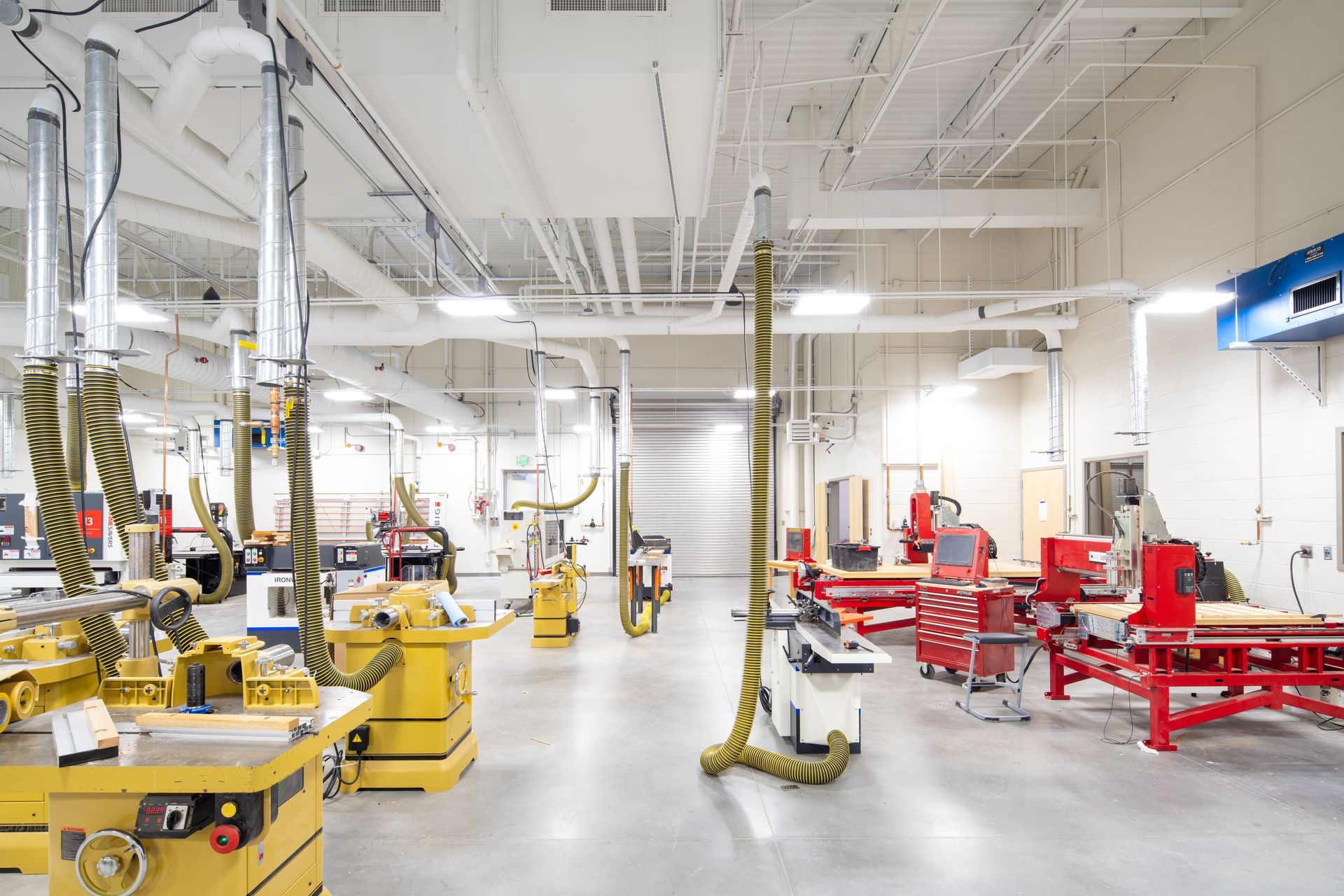
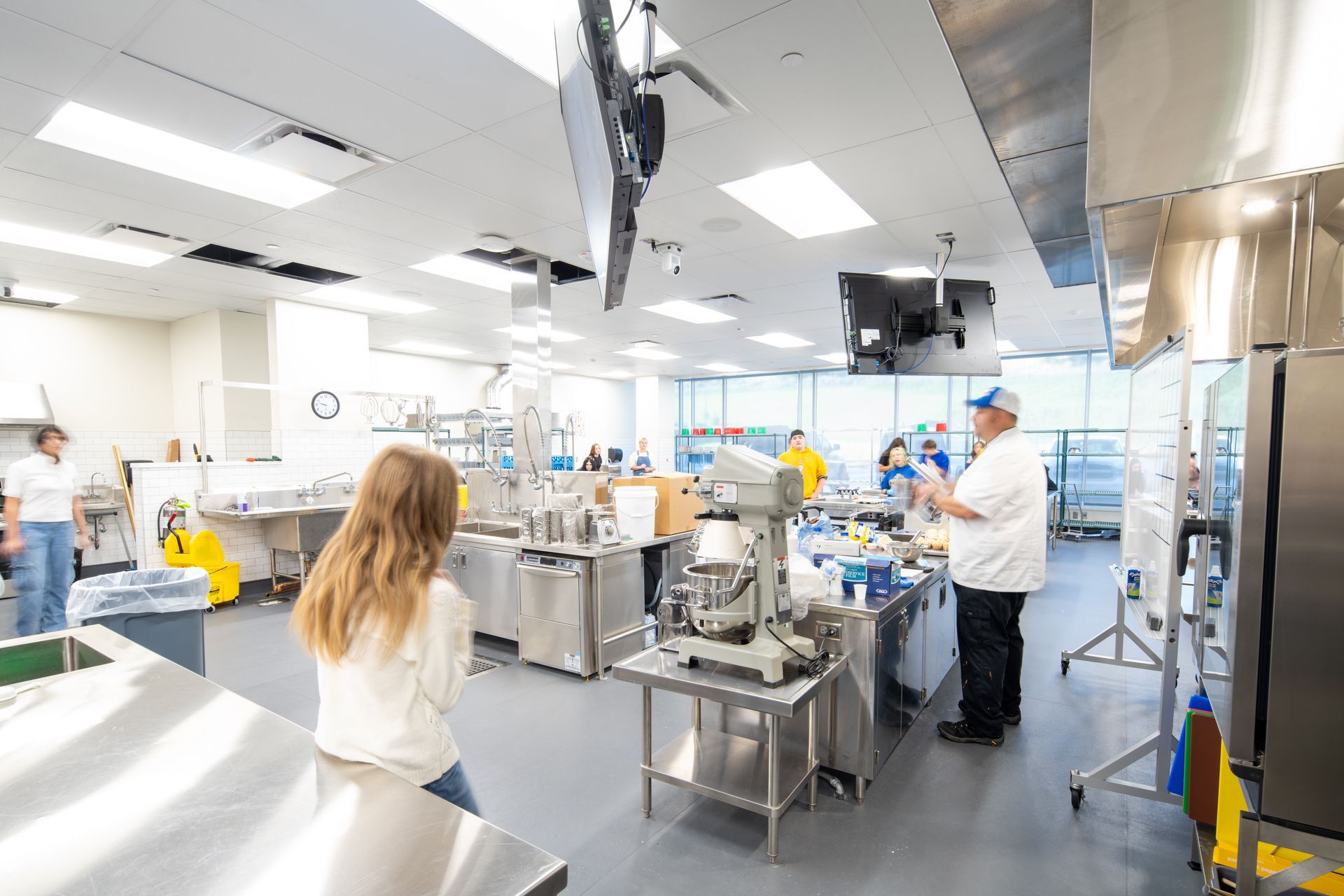
Cyprus High’s dedicated CTE facilities are another major design strength, which the NWL team said both the school district and the Magna community emphasized in their desire to help students navigate their respective futures.
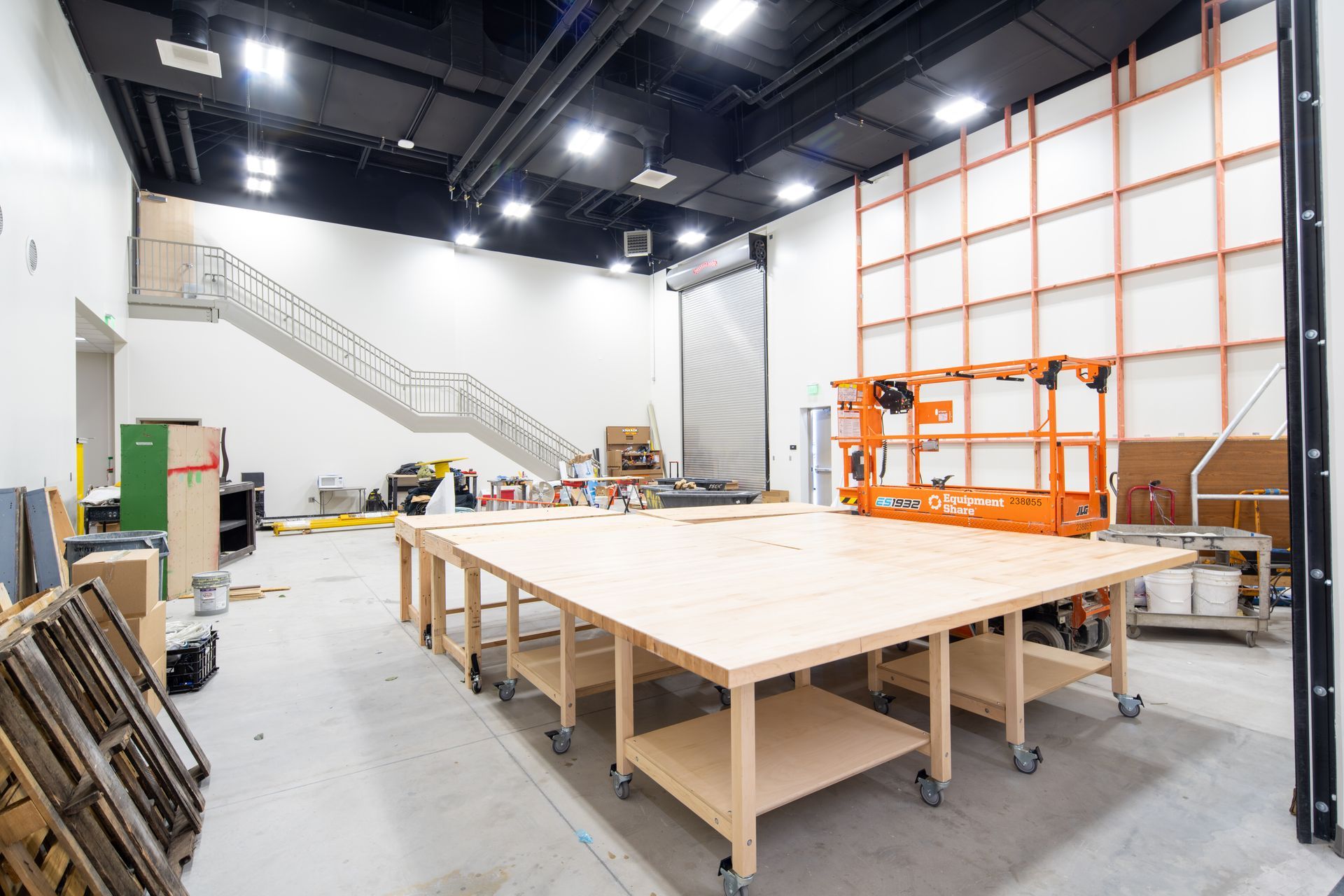
The inclusion of purpose-built, industry-grade labs for welding, carpentry, automotive repair, and culinary arts reflects a commitment to hands-on, real-world learning. Construction teams answered the design call with reinforced slabs, ventilation systems, and commercial utility infrastructure to support each trade-specific space, delivering a supporting infrastructure that Cyprus students and staff deserve; potentially advancing the next generation of top-notch craftspeople, mechanics, and chefs.
“These spaces are not only functional, but designed with professional-level finishes and layouts to simulate real industry environments,” said Philip Wentworth. Designing to this level, he continued, is less about designing a K-12 environment. Instead, “it’s having the expertise and experience of designing these spaces at an industry level, then bringing it into these CTE classrooms.”
These spaces may be far different than the other classrooms, but an unsung part of these trade-specific classrooms is that they reside within the school’s footprint. Keeping them as part of the main structure may be an obvious financial and student-safety choice, but doing so helps to reinforce a philosophy that values all types of learning, where practice and hands-on education is just as important as theory and research.
CTE spaces are just one of many examples of how alignment across ownership, design, and construction leads to future-ready learning environments. Whether in these trade-based classrooms or across the many examples of spatial flexibility and adaptability, Cyprus High students, captained and championed by educators and administrators, can anchor down within a modern school built for their success.
The project timeline may have been an odyssey that began in 2017, but what each member of the project team delivered will help the Cyprus High Pirates embark on a bright new future.