








The passage of HB 355 in 2025 provided stability for Utah's construction aggregate producers. The question moving forward is: How long will the finite supply of materials last at existing operations along the Wasatch Front?
By Bradley Fullmer
Utah’s growth trajectory remains solid, from the Wasatch Front to fast-expanding secondary markets, as the state continues to add population, housing, and infrastructure at a pace few regions can match. Roads are widening, subdivisions are multiplying, and commercial development remains steady despite broader economic fluctuations.
But beneath that momentum lies a critical—and often overlooked—constraint: access to construction aggregates.
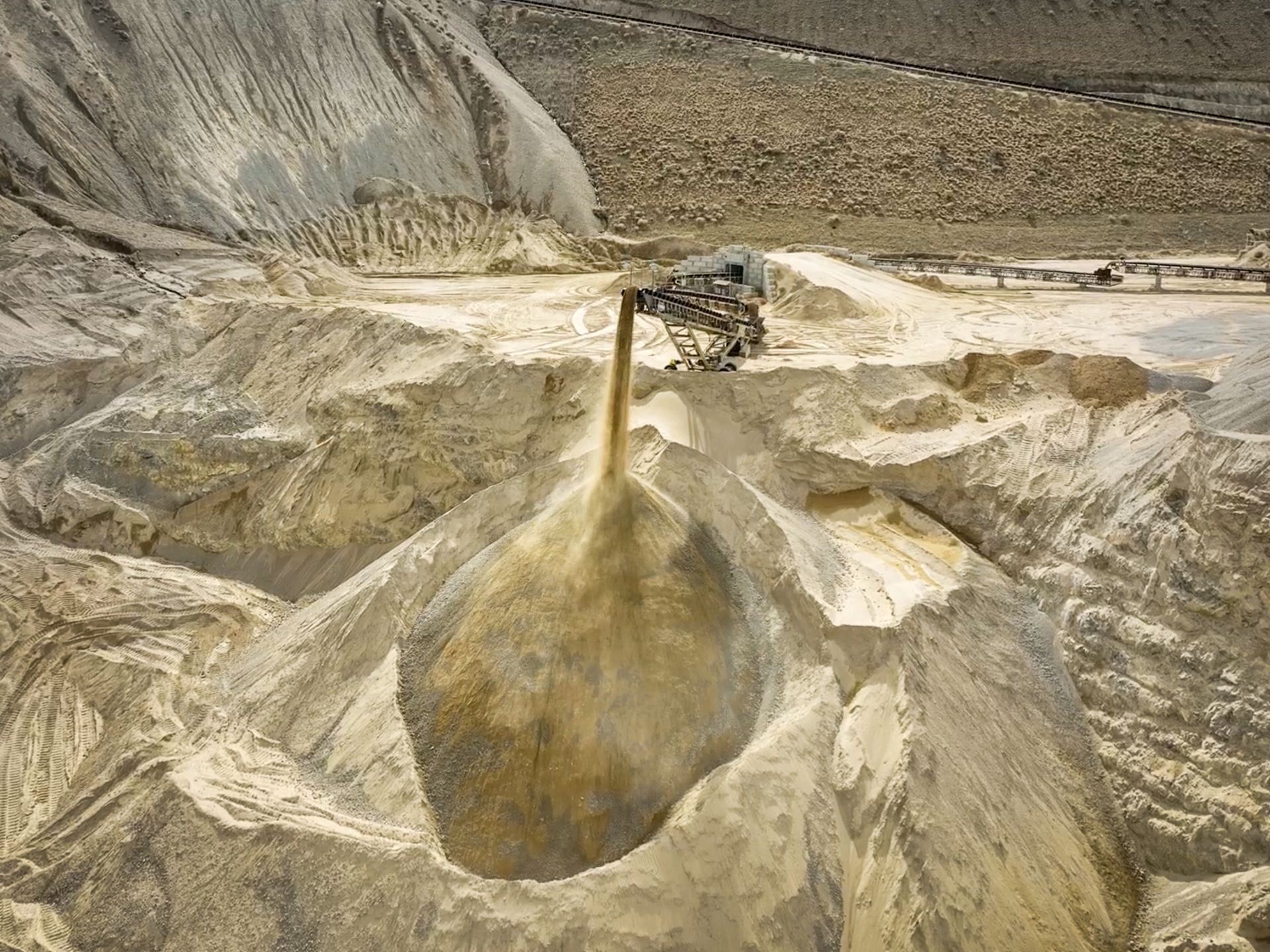
Sand, gravel, and crushed rock are foundational to nearly every project type. But as development intensifies, the industry that supplies those materials is
facing increasing pressure from land-use conflicts, regulatory complexity, and simple geography.
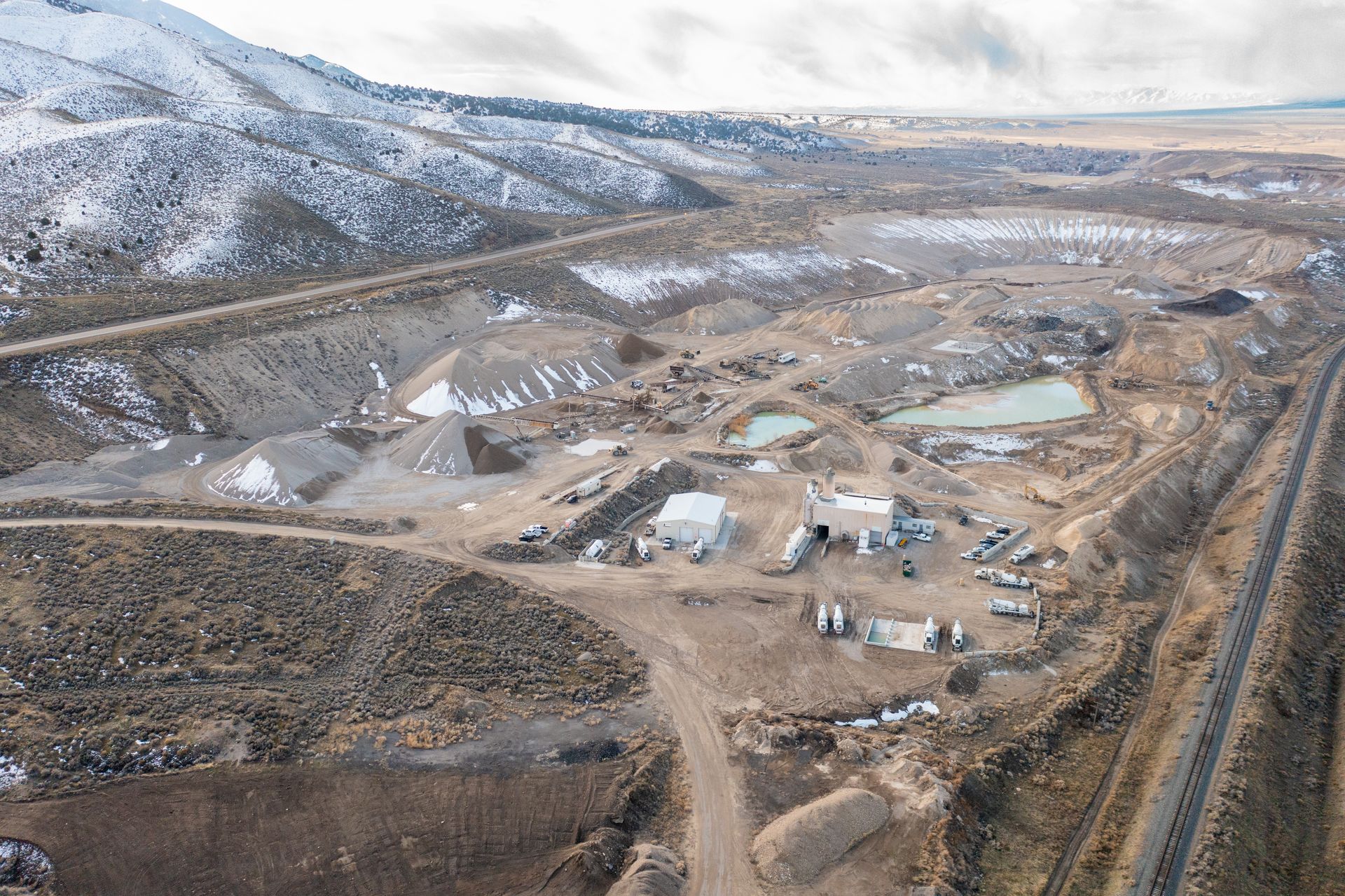
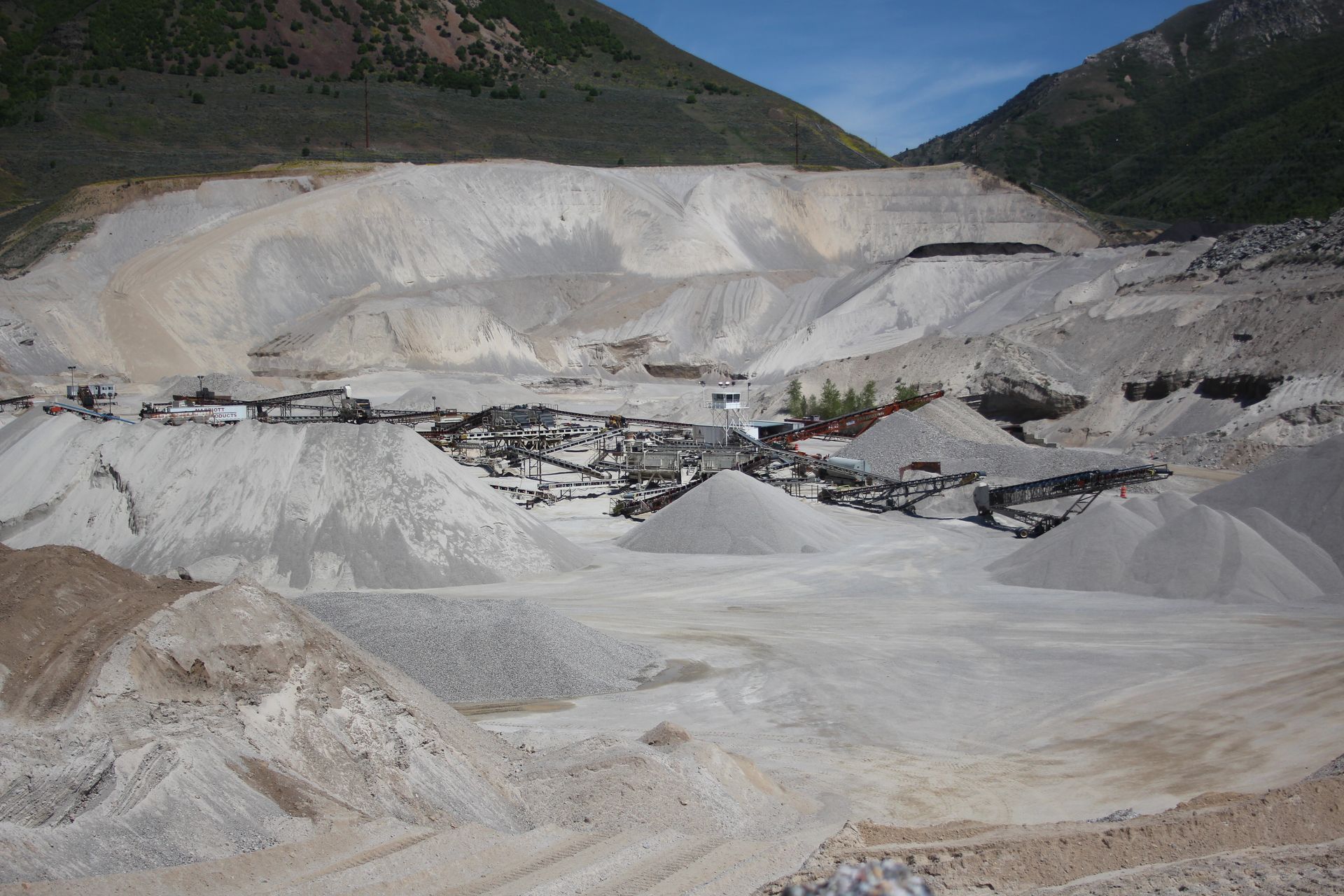
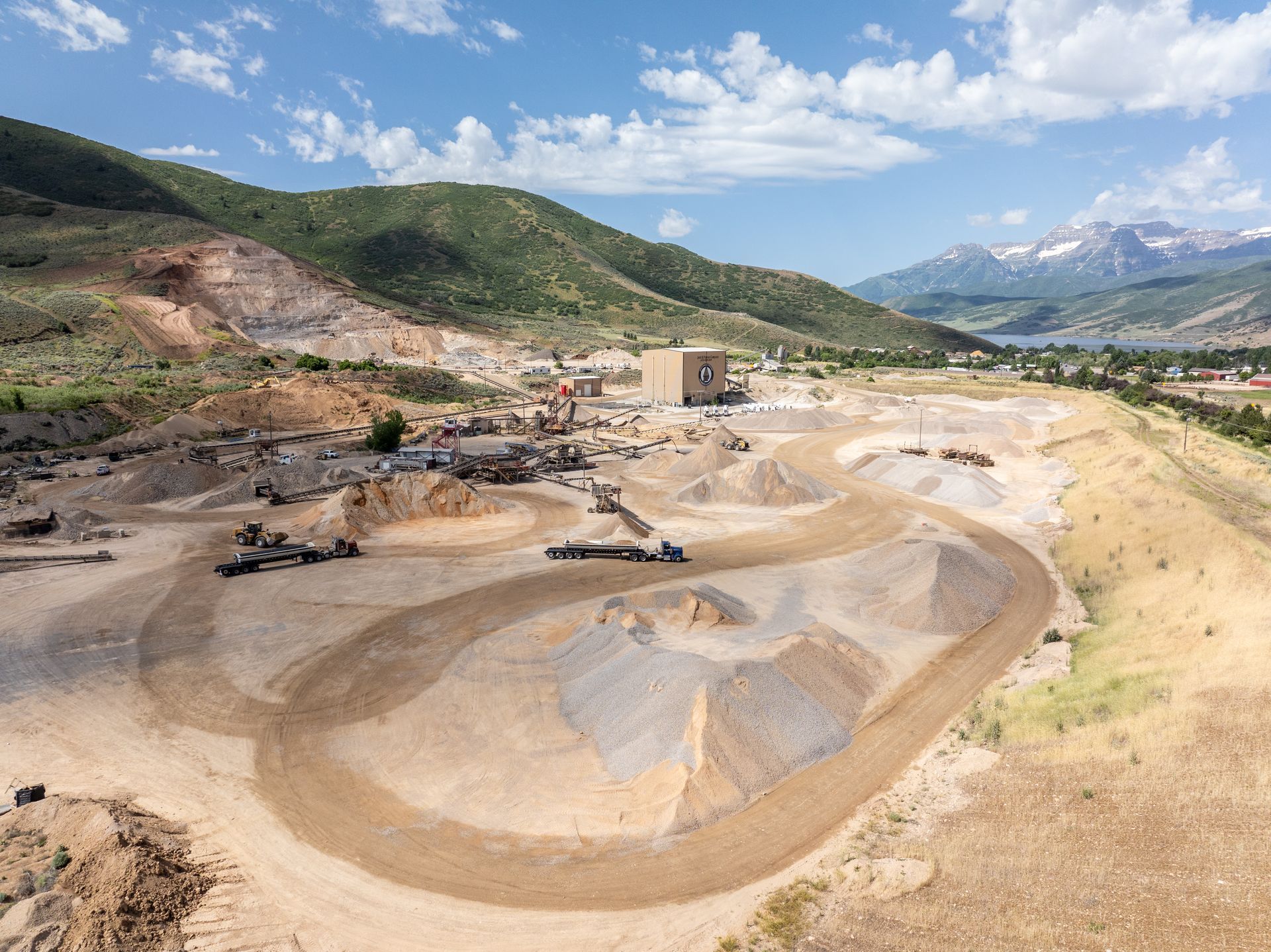
“About 90% of aggregates are consumed within 40 miles of where they are mined,” said Dave Kallas, owner of Lobby Utah and Executive Director of the Critical Infrastructure Material Coalition. “That means there’s real interaction between growing cities and aggregate operations—many of which have been in place for decades.”
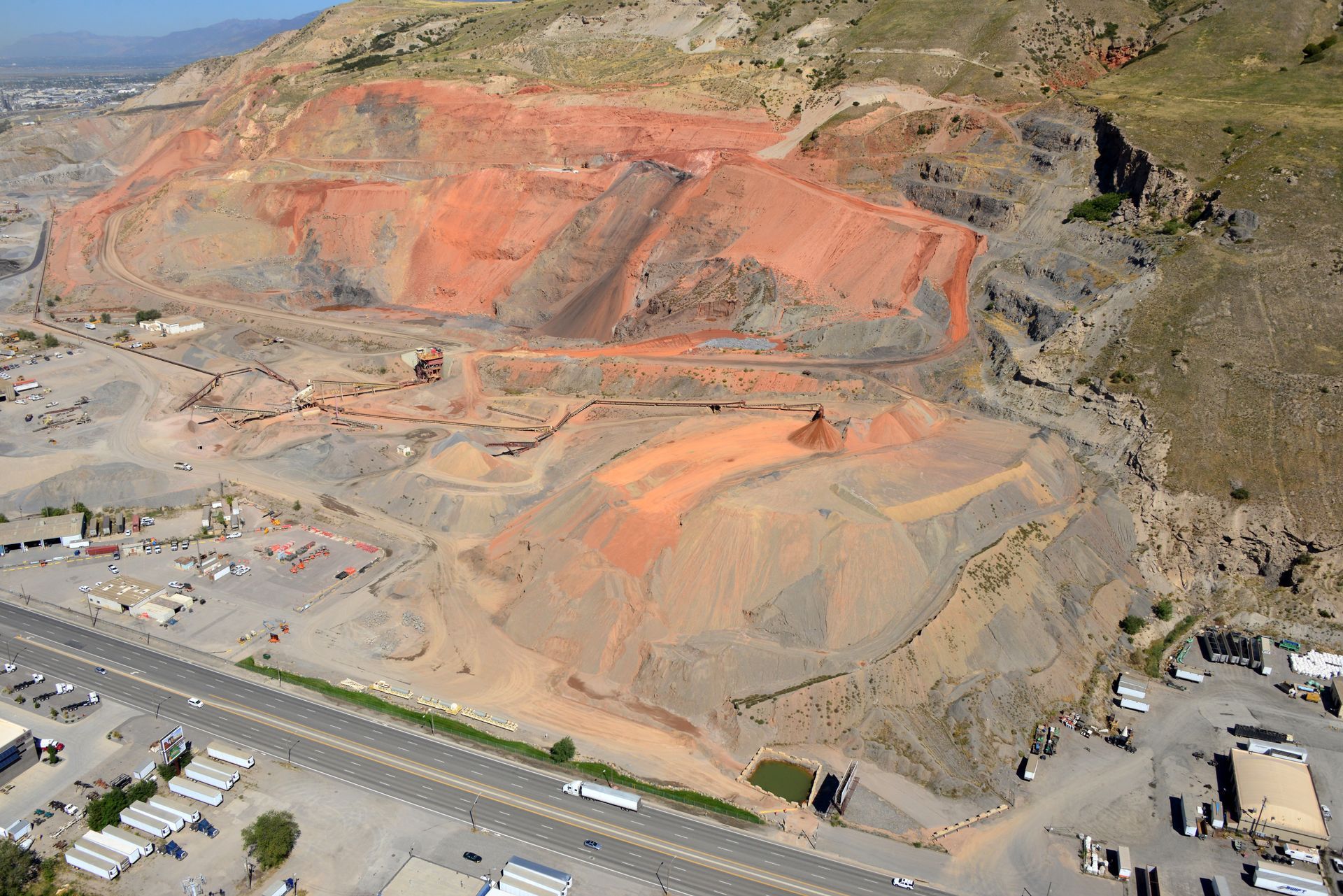
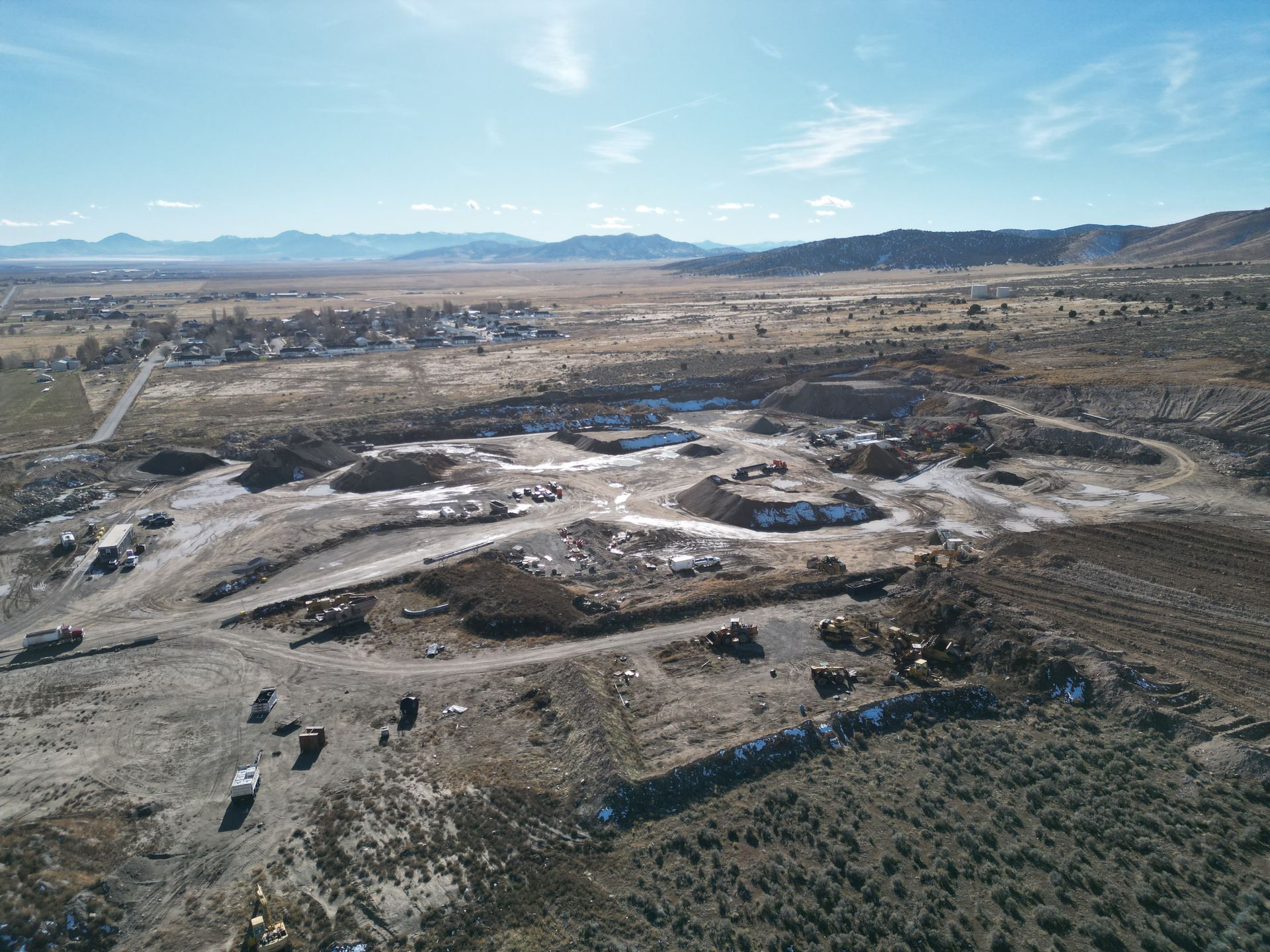
Those “legacy” operations, once located far from population centers, are now being encroached upon by residential and commercial development. The result is a growing tension between the need for local material supply and the realities of urban expansion.
When Growth Meets Geography
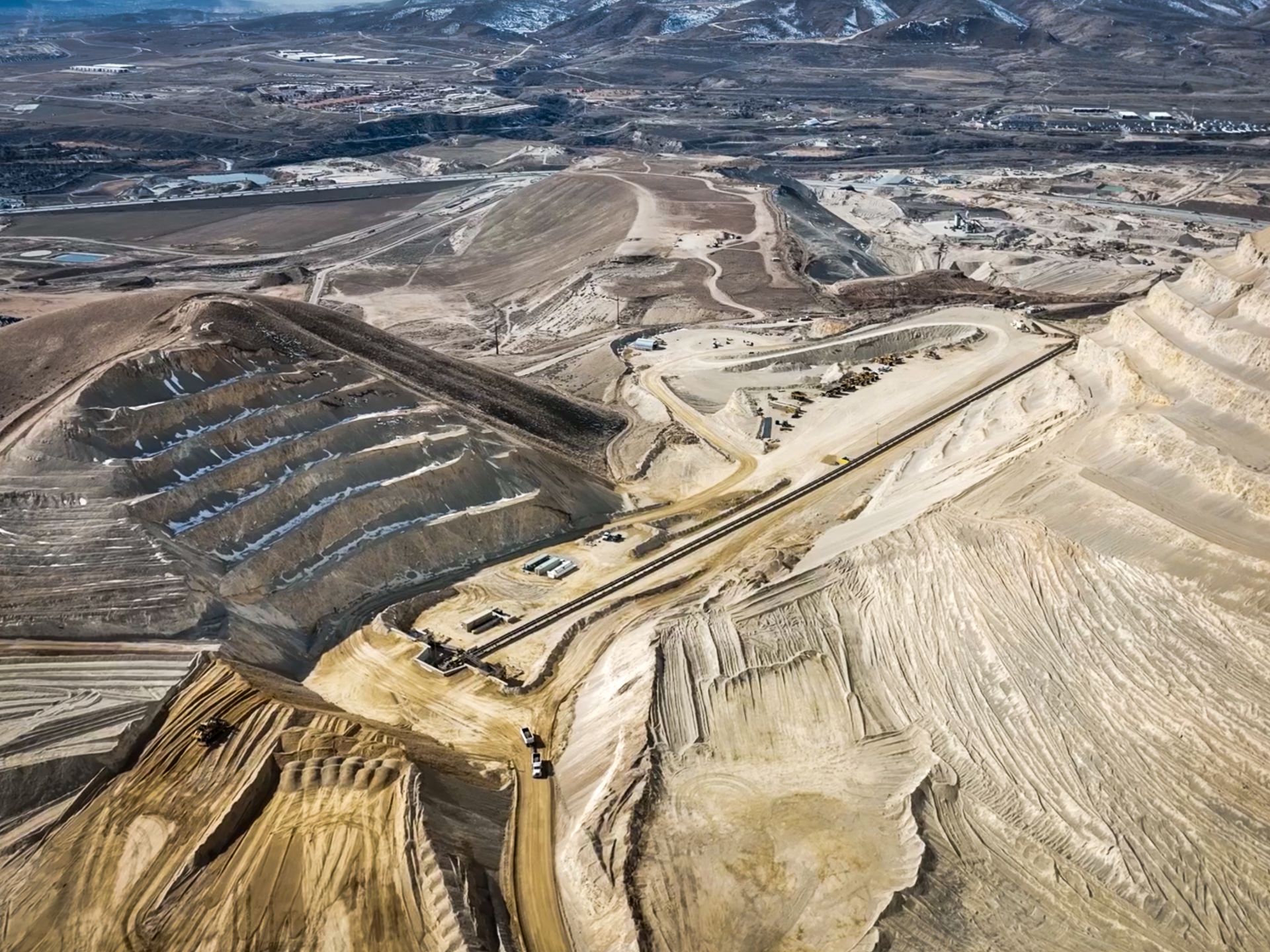
Utah is not short on aggregate resources. In fact, by most measures, the state is geologically well-positioned to support long-term construction demand. The problem isn’t what exists—it’s where it exists and whether it can be accessed.
“In terms of supply, Utah has abundant rock, sand, and gravel statewide,” Kallas said. “But along the Wasatch Front, we’re looking at 10 to 20 years before local supplies are effectively exhausted.” That projection stems not from resource depletion, but from land-use constraints. Many high-quality deposits are in areas where mining is no longer permitted—or where zoning conflicts make new operations difficult to establish.
“It’s not that the material isn’t there,” Kallas said. “It’s that there’s a huge discrepancy between where the resources are and where mining is allowed.”
If that gap continues to widen, the implications are significant.
“As we move operations farther out—into areas like the west desert—you’re going to see direct impacts on the cost of housing, roads, and commercial construction,” he said.
The Economics of Distance
Few industries are as sensitive to geography as aggregate production.
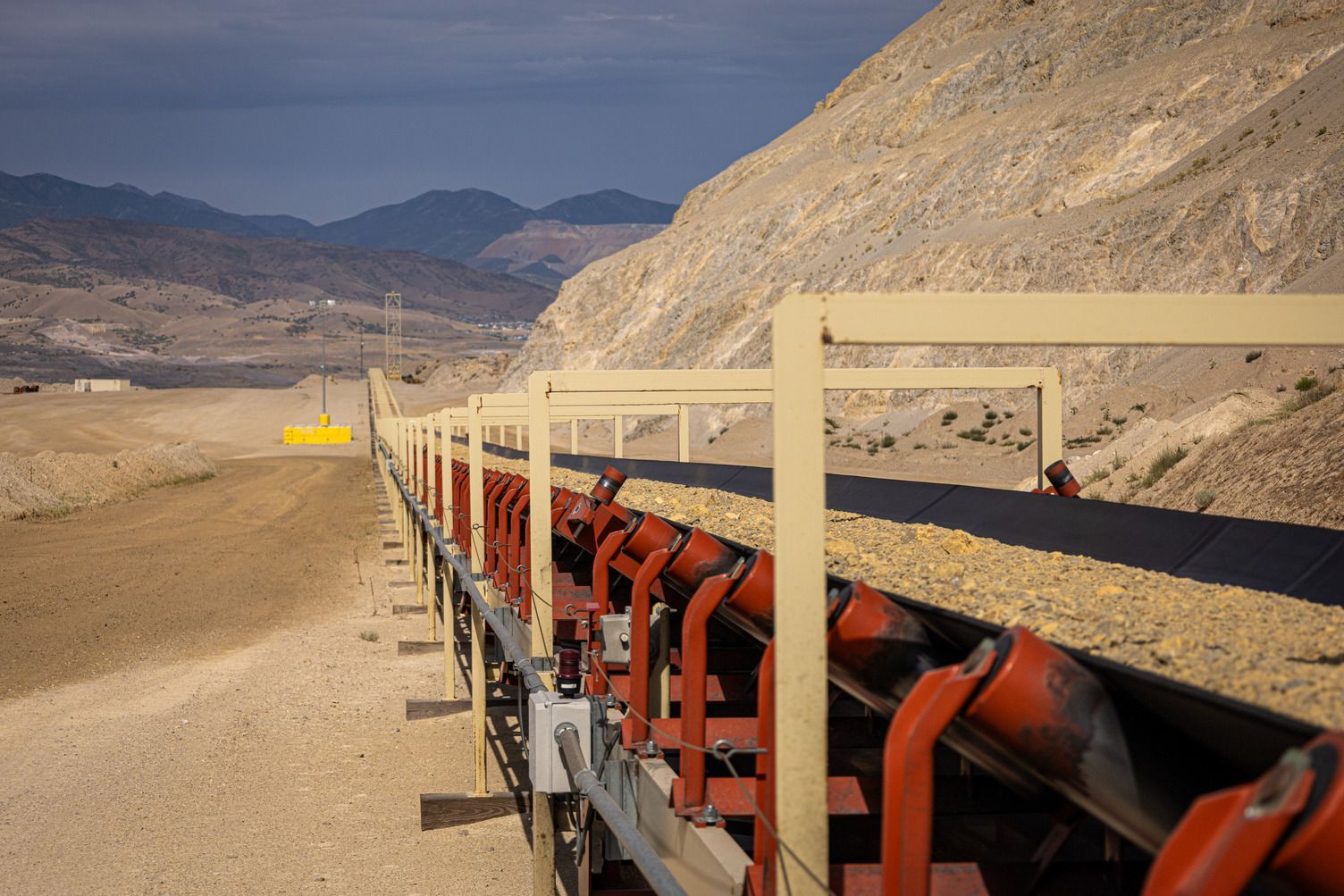
Transportation is the dominant cost factor, and even modest increases in hauling distance can dramatically affect pricing.
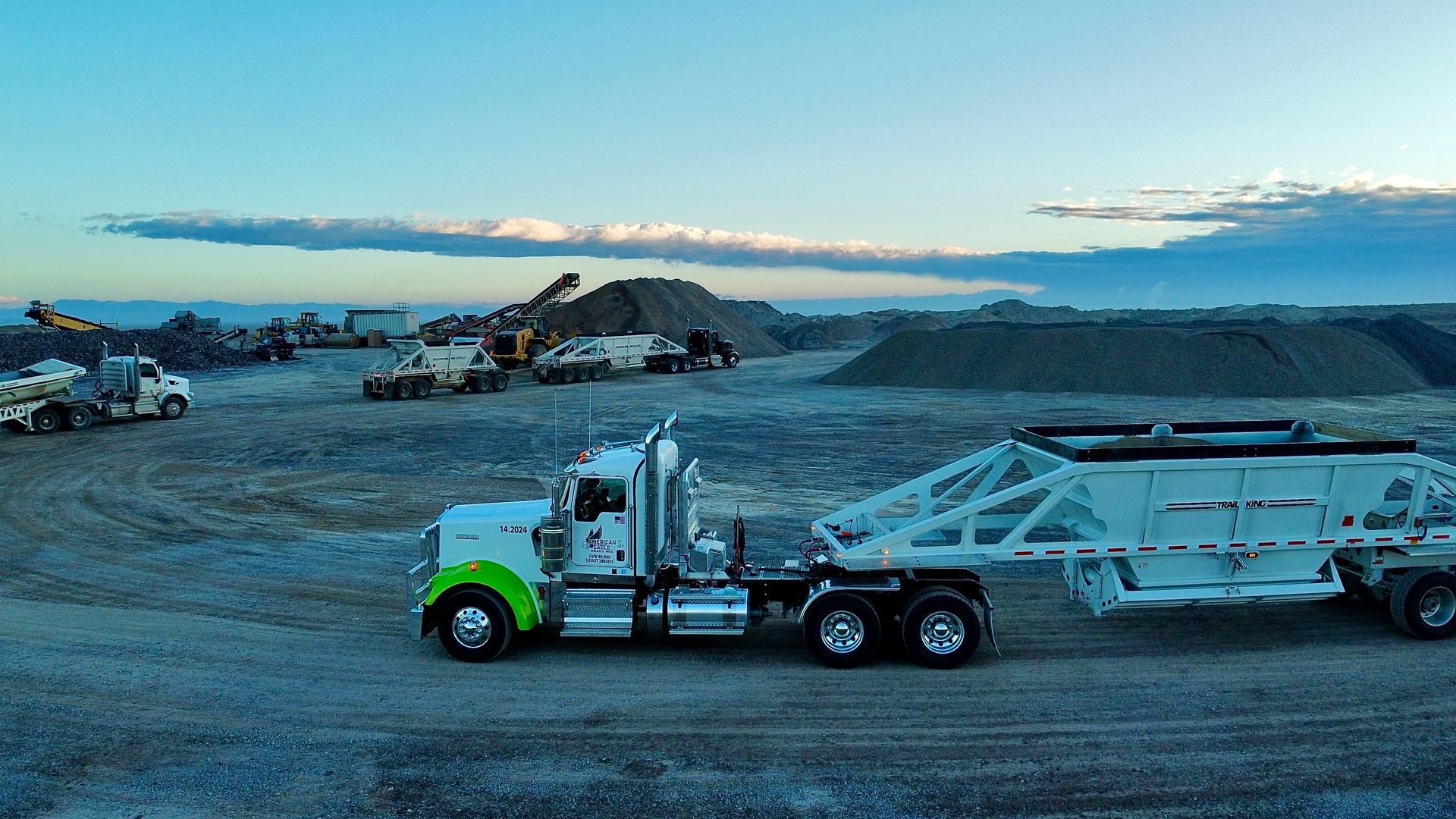
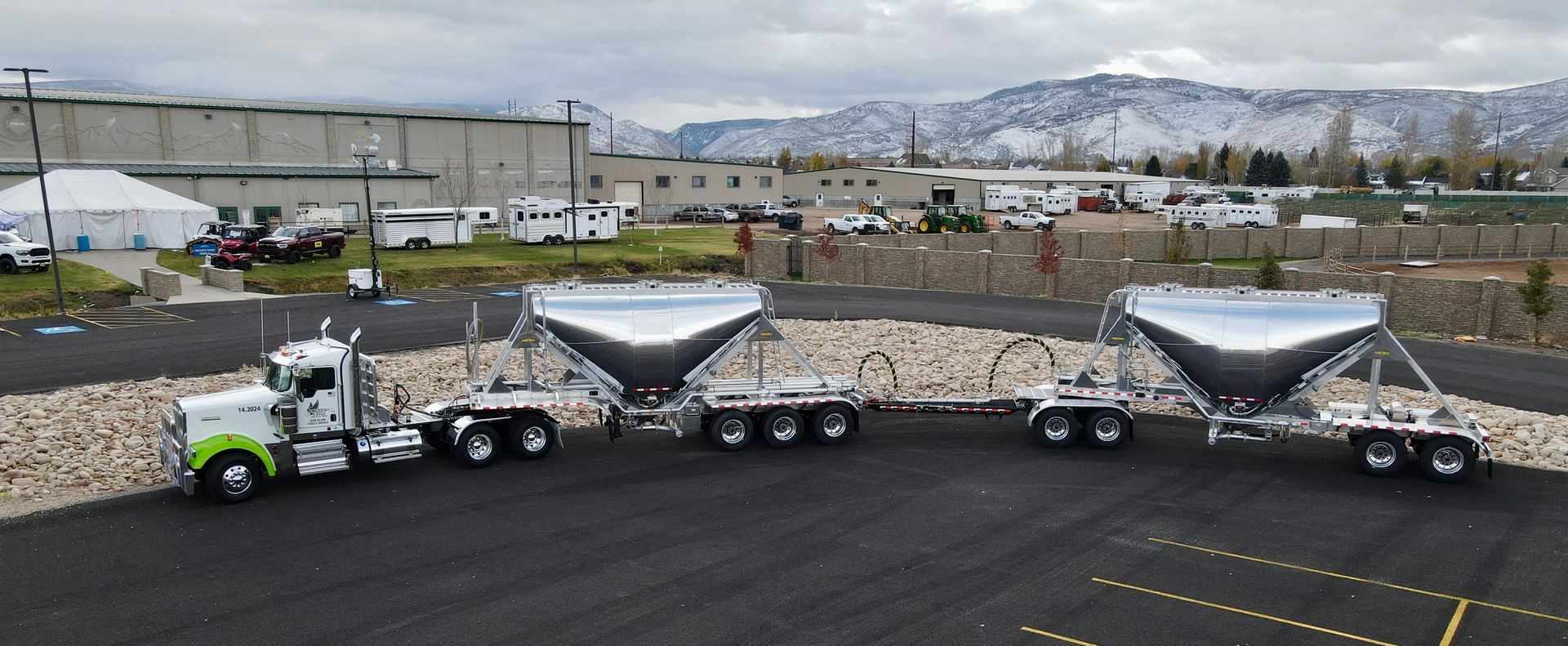
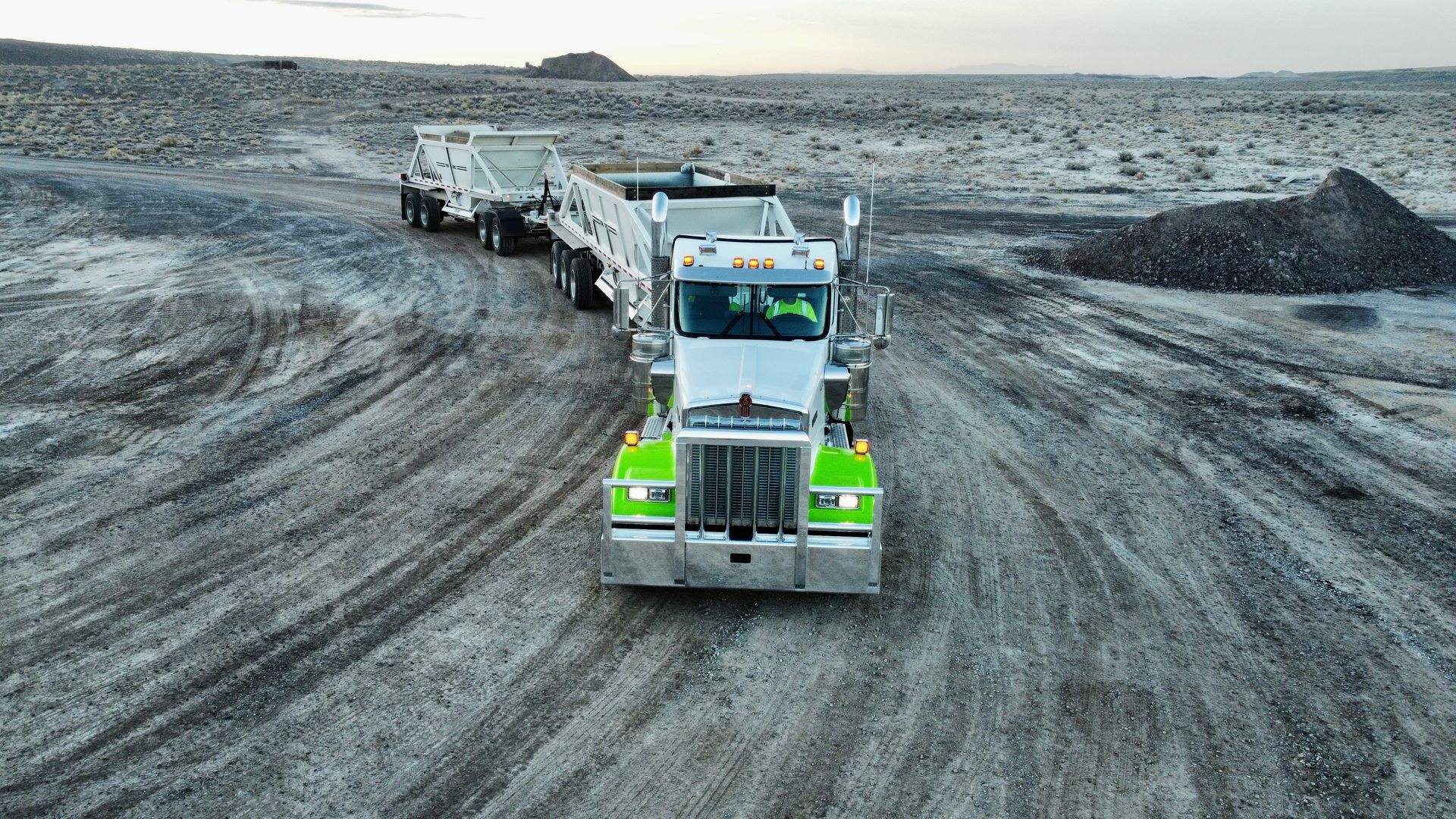
“Our biggest concern is access to quality materials in close proximity to the Wasatch Front,” said Bill Gammell, Associate VP of Properties and Environmental at Clyde Companies. “It’s not just a business issue—it’s a community concern. If we have to truck aggregate in from farther distances, you're putting more trucks on the road, increasing wear and tear on infrastructure, and driving up costs."
Gammell pointed to a simple but powerful metric.
“About every 30 miles you haul material in a semi, the cost of that commodity essentially doubles,” he said. “If you take a billion-dollar road budget and source aggregate from 30 miles farther away, you’re dramatically increasing that cost.”
Those dynamics influence everything from bid competitiveness to overall project feasibility.
“The producer closest to the project typically has the advantage because transportation is the biggest expense,” Gammell said. “Whether it’s infrastructure or vertical construction—especially on sites requiring significant structural fill—the farther you are from aggregate sources, the more expensive the project becomes.”
Those pressures are already being felt across the industry.
“Utah’s construction materials market remains strong, driven by growth and infrastructure investment, but we’re operating in a more constrained environment,” said Joey Gilbert, President/CEO of the Associated General Contractors of Utah. “The issue isn’t demand—it’s access to reliable, local supply. As local access tightens, those pressures ripple through the entire system.
Beyond Cost: Infrastructure and Environmental Impacts
The implications of longer hauling distances extend beyond project budgets.
“When local pits close, it doesn’t just increase costs,” Gilbert said. “It also means more truck traffic on our roads, added wear and tear on infrastructure, and higher overall emissions. Sourcing materials farther away can create greater environmental impacts than responsibly operating local sites."
That reality complicates the narrative around aggregate operations, which are often viewed through a purely local lens.
“There’s an important public understanding here,” he said. “These materials are essential to everything we build—they have to come from somewhere.”
A Legislative Turning Point
Recognizing the growing disconnect between supply and policy, industry leaders turned to the Utah Legislature for solutions.
“We needed hard data,” Kallas said. “So, we went to the Legislature as a coalition and asked for a comprehensive study.”
That effort resulted in the passage of HB 502 in 2024, directing the Utah Division of Oil, Gas and Mining to conduct the state’s first-ever statewide aggregate study, led by consultants from Stantec's Murray office. The study pulled from a wide range of sources, including U.S. Geological Survey data, state geological data, industry input, and feedback from municipalities.
“For us, the findings were eye-opening,” Kallas said. “It illustrated that, within about 20 years, we could face an aggregate shortage in the Salt Lake Valley."
Just as important, the study reframed the conversation.
“It elevated the discussion beyond individual projects and local disputes,” said Tyler Thorn, Vice President of Ready Mix at American Eagle Ready Mix. “It gave us a data-driven understanding of regional supply gaps and future demand."
Thorn added that aggregates are essential materials on every single construction project but not always fully considered in early planning discussions.
"Incorporating aggregate resource protection more formally into municipal and regional planning efforts would help balance community concerns with infrastructure needs," said Thorn. "It reduces conflicts later in the process and allows producers to plan investments that span decades rather than years."
HB 355: Stabilizing the Present
Armed with that data, lawmakers took the next step in 2025 with the passage of HB 355.
The legislation addressed two primary issues, according to Kallas.
“First, it allows legacy operations—legal non-conforming uses—to continue operating and expand onto land they already own,” he said. “That breathed life into these operations and gave them the ability to plan for the future.”
For long-standing producers, that certainty is critical.
“HB 355 was extremely beneficial in recognizing the importance of legacy operations and providing a practical path to continue serving Utah’s construction needs,” Thorn said. “It allows responsible expansion on already-disturbed properties, which helps preserve local supply and reduces the need to open new sites elsewhere.”
The second component of the bill focused on local control.
“It gave clarity to local governments so this isn’t a runaway train,” Kallas said. “They still have authority over public health and safety, building permits, and environmental oversight.”
Importantly, the bill does not exempt operators from air quality or environmental regulations. “It strikes a thoughtful balance between community interests and the realities of maintaining a reliable aggregate supply,” Thorn said.
The Gap: Planning for Future Supply
While HB 355 addressed existing operations, it did not solve the broader issue of future supply.
“If you want to start a new aggregate operation, you’re not vested,” Kallas said. “You don’t have a history. So while HB 355 is great for existing operations, it doesn’t address greenfield development.”
That leaves a critical question unanswered: where will the next generation of aggregate supply come from?
Industry leaders point to a common issue—lack of integration into long-term planning.
“We’re talking about transportation, water, and housing,” Gammell said. “But you rarely hear, ‘Where are we going to get the aggregate to support that growth?’”
He argues that resource planning needs to be incorporated into comprehensive plans at both the local and state levels.
“We should be identifying and preserving high-quality aggregate deposits before they’re built over,” he said. “Once they’re gone, they’re gone.”
Other states, he noted, have taken a more proactive approach.
“Arizona got ahead of this,” Gammell said. “If we could go back, we would have done a much better job planning for the growth we’re seeing today.”
Workforce, Awareness, and Industry Evolution
Beyond supply constraints, the industry is also navigating workforce challenges and shifting public perception.
“This is a great industry for people who want hands-on work and a solid career,” said Jonas Staker, Performance Manager for the Mountain West Region at Staker Parson. “But we need to do a better job bringing in new workers as others retire.”
He also emphasized the importance of education.
“As an industry, we need to help people understand how aggregates play an essential role in their everyday lives,” Staker said. “That awareness helps build stronger partnerships with communities and policymakers.”
At the same time, the industry continues to evolve.
“There’s significant opportunity to streamline land use, permitting, and long-term resource planning,” Staker said. “Investing in innovation, technology, and workforce development will help us meet the demands of a growing state.”
Environmental Stewardship and Permitting Challenges
Environmental considerations are increasingly central to the conversation.
“It can take years to get all the necessary permits,” Kallas said. “We’re working to improve that process while maintaining strong environmental standards.”
The coalition is actively engaged with state agencies, including the Department of Environmental Quality, to streamline permitting timelines without compromising oversight.
At the same time, companies are investing in sustainability.
“There’s a strong focus on improving air quality, reducing community impacts, and using water more efficiently,” Kallas said. “With concerns around the Great Salt Lake, we’re looking at ways to recycle and reuse water wherever possible.”
Life After Mining
One of the industry’s lesser-known strengths is its ability to transform sites into thriving developments after materials are exhausted.
“When these mines close, there is great use for the land,” Kallas said, citing examples such as Quarry Bend and the South Towne area in Sandy and a current transit-oriented development underway in Lehi.
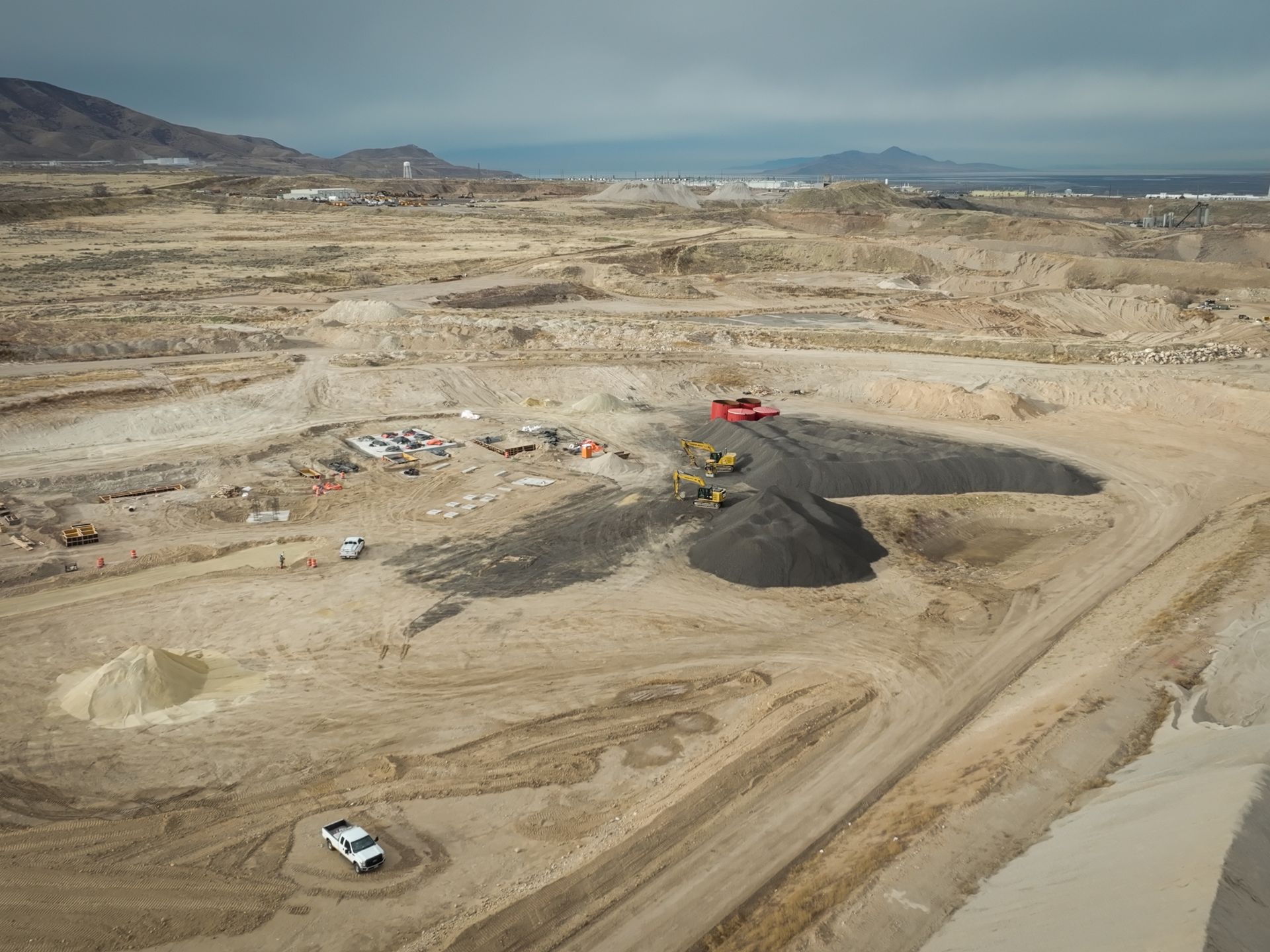
At Geneva Rock’s Point of the Mountain operation, Gammell said reclamation is already underway, with two phases that are fully reclaimed, where the company is building a mix of multifamily and commercial projects.
“It’s the largest producing aggregate pit in the state, but we’re also planning for its future,” he said.
A Critical Moment
Despite current challenges, industry leaders remain cautiously optimistic.
“The state of the industry is still healthy,” Gammell said. “Demand is steady, even if it’s softened slightly.”
Kallas agreed, adding, “We're working collaboratively with local governments. This is an industry that’s engaged and community-minded.”
Utah has the materials it needs—at least for now. The question is whether the state can align policy, planning, and public understanding quickly enough to ensure those materials remain accessible where they’re needed most.
“These materials are essential to everything we build,” Gilbert added. “The opportunity is to plan ahead so Utah can continue to grow without putting unnecessary strain on our infrastructure, environment, or economy.”