








UC+D profiles four new firms who aim to make a name for themselves in an A/E/C market that refuses to slow down.
By Bradley Fullmer
If anyone is wondering how Utah’s architectural, engineering, and construction (A/E/C) industry is faring one quarter into the 21st Century, look no further than four relatively new firms who have set up shop within the past 18 months in the Beehive State, each looking to carve out their own niche among more well- established firms.
Indeed, executives from Sandy-based LERA Consulting Structural Engineers ,Salt Lake-based general contractor Built Contractors, Salt Lake-based Straightline Architecture, and Sandy-based concrete subcontractor VMG NeXT, are bullish on their future prospects, while keenly aware how competitive their respective markets can be and how hard they’ll have to work to make hay while the sun shines.
UC+D sat down with each of the firms’ main leaders on what prompted their decision to open a Utah-based office, and what they expect to accomplish both now, and well into the future.
LERA Consulting Structural Engineers
A quick glance at LERA's website illustrates the firm's dynamic international range, as it boasts offices in the following world-class metropolitan cities: New York, NY (firm headquarters; 2026 population 19.2 million); Mumbai, India (pop. 22.5 million; Jaipur, India (pop. 4.5 million); Shanghai, China (pop. 31 million); Hong Kong, China (pop. 7.5 million); Seoul, South Korea (pop. 10 million). That's a staggering combined population of (checks notes) 94.7 million, give or take a couple million.
Now, add up-and-coming, punching-above-its-weight Salt Lake City (Sandy, technically) to the mix (pop. 1.24 million in Salt Lake County). The decision was spurred by Principal Jason Stone, who uprooted his family in 2021 in the midst of the pandemic, moving with his wife and three young children from bustling Harlem, NY—a historic neighborhood within the mighty borough of Manhattan—and headed for greener pastures under the shadow of the towering Wasatch Mountains.
"In 2021, I started remote work—I was designing projects in Korea and all over the east coast," Stone, 46, recalled. "We had lived in New York City almost 20 years—we're city people and loved living in Harlem. When Covid hit, we had children in second grade, kindergarten, and an infant (born in July 2020). It was crazy at the time."
Living in a small apartment during the pandemic soon became stifling, and Stone and his wife's stress level gradually rose. "We found ourselves wanting to do something different," he said. "We love the mountains, so the idea of moving out here became real. [Salt Lake] is a vibrant city that has all the big city amenities—but doesn't have the traffic and challenges of the biggest cities."
Stone continued: "We moved here primarily for personal reasons. When I looked at Utah, it was also intriguing to me as a business market, but it wasn't my main purpose for coming here. After being here for two years—digging into the market, meeting more people [...] and understanding more about the vision the city has for itself—I was really impressed. It felt like a great place to open an office. I made a pitch to the other partners and [Salt Lake] became our first branch office in the U.S."
Stone, who hails from the Chicago area, said there was initially some hesitation within the firm about opening an office in Salt Lake City. However, since officially launching in July 2024, LERA has quickly gained traction in the market. That momentum includes securing the first vertical building at The Point development in Draper—Convergence Hall, an approximately 160,000-SF, $150 million project (construction-related costs) that is envisioned as a state-backed innovation hub with conference space, 200+ dorm-style units and space for startup companies, corporate partners and academic programs.
“While there was some initial skepticism, every indicator I looked at pointed to the strength of Utah’s economy and the significant growth over the past decade,” Stone added. "There's a long runway ahead of us. I look at the improvements the city has made; the airport, The Point, a potential Convention Center expansion [...] it's this very smart, forward-thinking mentality of, 'we're going to grow and we're going to manage it well and expand our infrastructure'. This is a well-run, smart city that has a very bright future."
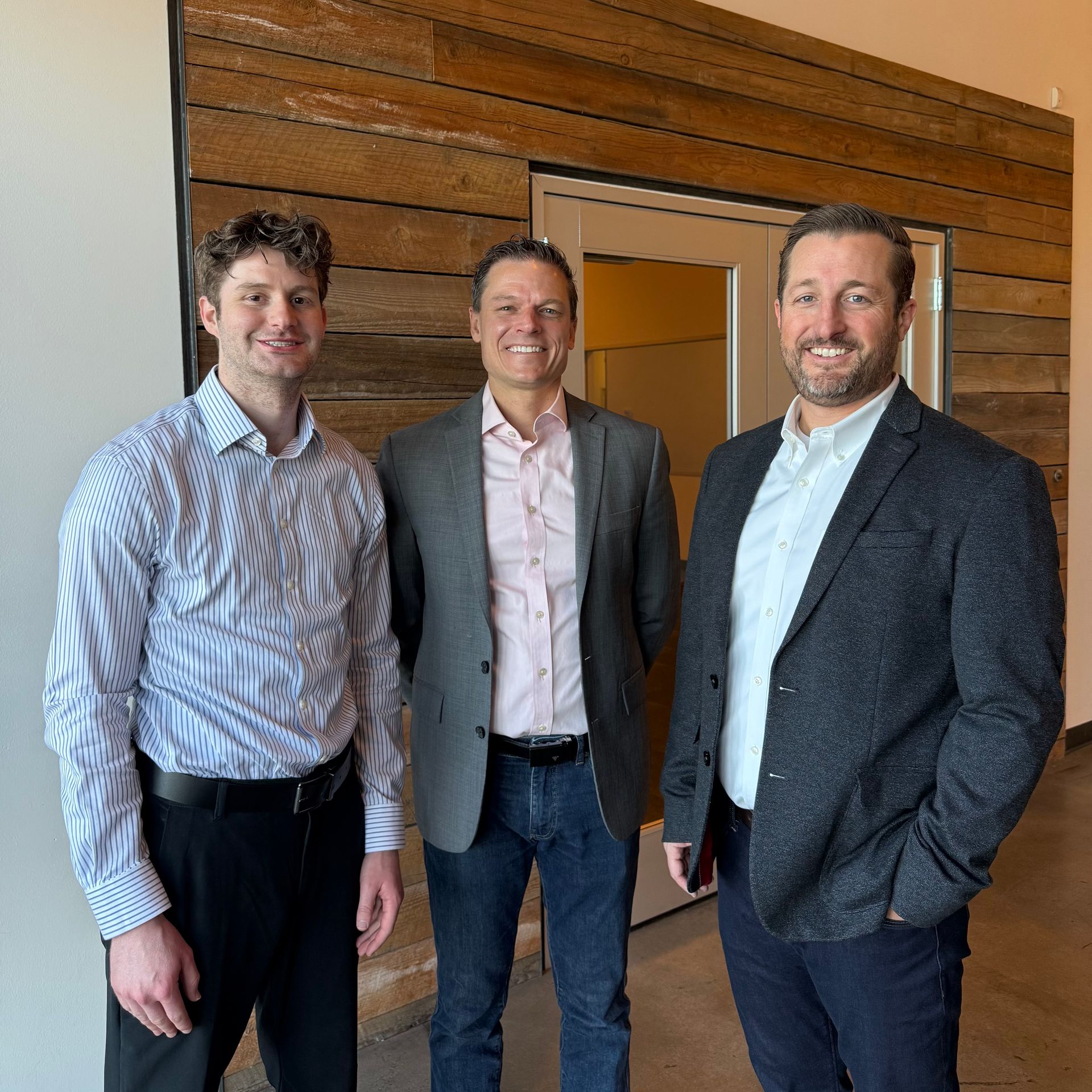
In addition to Stone, the Utah office includes Matthew Melrose, 46, an Associate Partner, and Bryson Cheshire, 26, a Senior Design Engineer.
Stone and Melrose met at Stanford while pursuing their Master of Structural Engineering and ended up working together at LERA's New York office for nearly 20 years. Melrose decided to join Stone in Utah in 2022 and couldn't be happier with the decision.
"It's been amazing—the business environment in Utah is so strong," said Melrose. "Working on Convergence Hall, designing something that is new and innovative like this, is super exciting."
Melrose spent significant time working on educational, civic, and cultural institutions across the US, including more than nine years on the Lucas Museum of Narrative Art project, a sprawling 300,000-SF building on an 11-acre campus in Los Angeles' Exposition Park.
He believes his experience on California projects, where seismic awareness is such an essential part of every building design, can help owners better address the importance of designing seismically sound projects while enabling architectural expression.
"Utah is small enough that we feel like we can make a difference in attitudes toward architecture while implementing seismic design," said Melrose. "Part of our design ethos is taking proven technologies and using them in innovative ways. We try and be creative is in how we design structures. It's not just being a numbers guy, it's being able to create a design in a way that is narratively compelling and expressive while being performant, constructable, and cost effective."
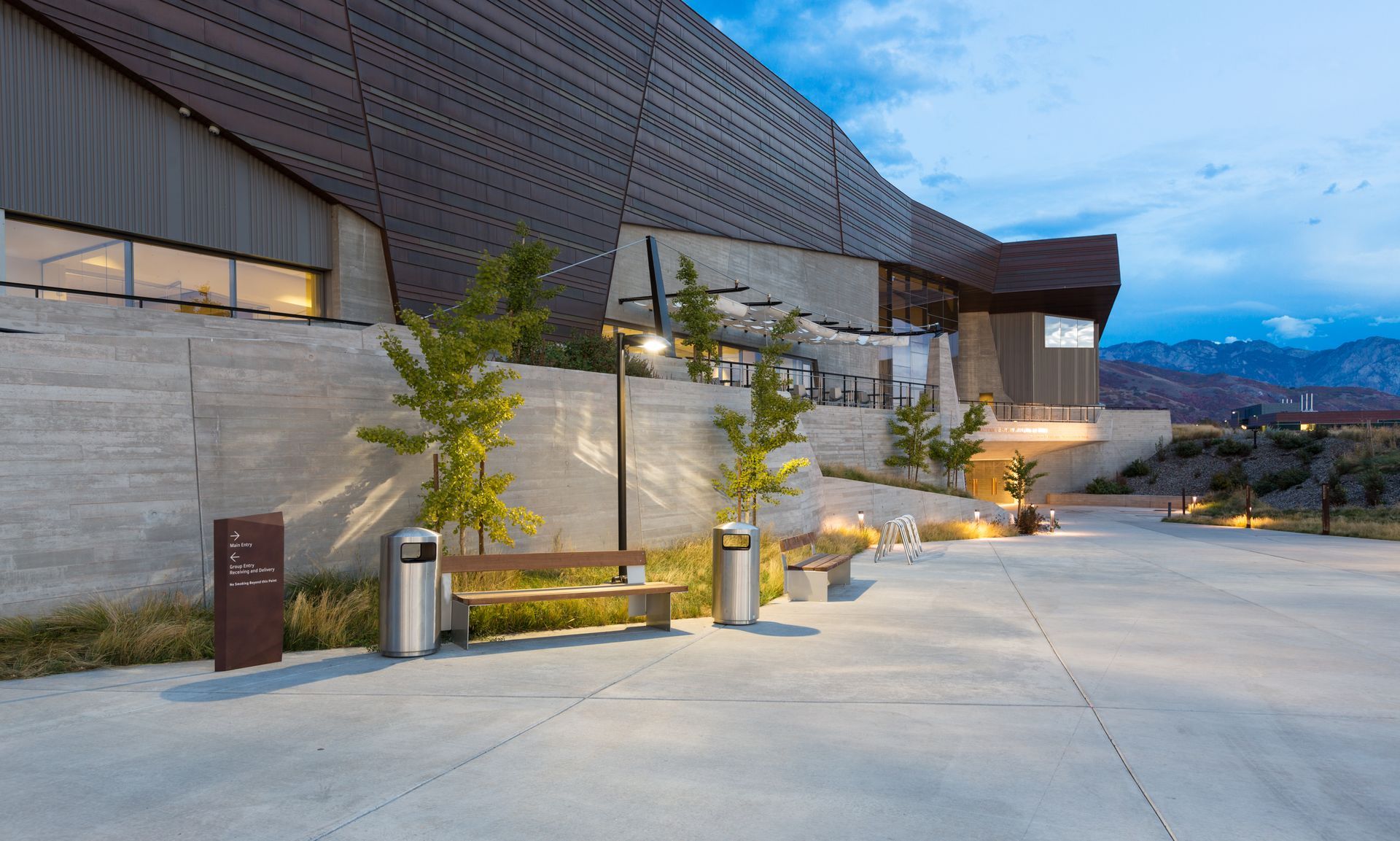
The firm was the lead structural engineering designer for an impressive project in Utah that finished in November 2011—the Rio Tinto Center, home of the Utah Museum of Natural History, near the University of Utah campus.
Stone said the firm had a solid 2025, with nearly $1 million in revenues, with a modest goal of 10% (or more) growth annually through the end of the decade as it ramps up its client base and further establishes the LERA name. .
Built Contractors
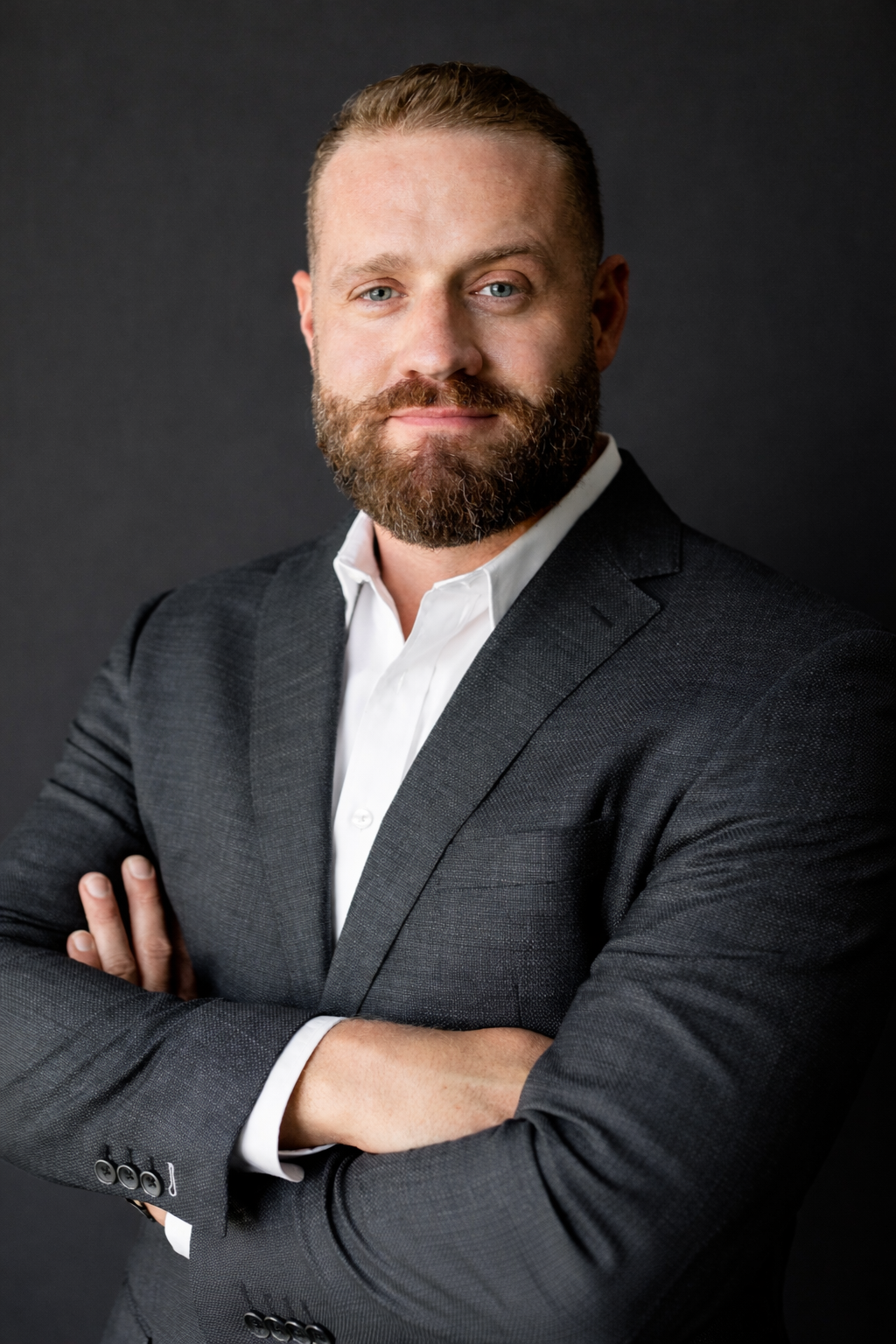
The story of Built Contractors begins with founder Richard Sones, whose vision for quality construction and strong client relationships has become the foundation of the company’s success.
A native of Mississippi’s Gulf Coast region, Richard Sones grew up in Kiln—just across the Louisiana border and notably the hometown of NFL Hall of Fame quarterback Brett Favre.
While pursuing a Bachelor of Construction Engineering from the University of Southern Mississippi, Sones started working for Robins & Morton, a large Alabama-based healthcare contractor, where he worked on healthcare projects. One assignment took him to Illinois to help build a replacement hospital. While there, he transitioned into helping run a smaller masonry company, Young Masonry of Carthage.
That experience proved pivotal. The company generated about $5 million annually and employed roughly 30 workers and Sones was able to understand the value of day-to-day productivity.
"One of the most important things for me, as a builder, is understanding the value of productivity metrics," said Sones. "In masonry, everything is blocks and bricks. You study and you calculate; everything is unitized so it makes the estimating process simple. Later in my career, I've applied that in so many ways to understand how each trade has some level of productivity and every schedule is just a big math problem."
In 2012, on the heels of the recession, Sones, relocated to Utah. He landed work at a large Utah based General Contractor initially starting in a Project Management role and then electing to take a more hands on approach as a General Superintendent.
Working as a superintendent proved pivotal to his construction experience, quickly realizing that being a project super is where the "rubber meets the road in the field," he said.
"I've always loved the superintendents, the field guys. Every dollar spent, every scheduled activity, every major decision is done by superintendents. They make the decisions that make or break a project."
Sones spent three years as a superintendent, and every project he ran "finished on schedule, on budget. I loved every minute of it."
In August 2017, a good friend lured him to Sandy-based Sequoia Development to run its construction group, where he oversaw an office building in South Jordan and a hotel in Pleasant Grove. That led to an 18-month stint at SALT Development, where he further gained knowledge about real estate development. Three years in the development world was like getting another degree, Sones said, particularly learning about financial pro formas and the business side of real estate.
When the pandemic hit in 2020, Sones returned to his previous GC firm, helping launch a light commercial division, while also serving as Director of Multi-family. Reflecting on his myriad career moves, he noted they were never driven by compensation. “I’ve never left a job for more money—it’s always been about chasing opportunities.”
In May 2024, Sones was given an opportunity to take over three active Makers Lines projects, which led to the founding of Built Contractors. By the end of 2024, Sones had acquired a majority ownership and full control of the company.
Over the course of that first year, Sones undertook a comprehensive restructuring process, which involved replacing nearly all employees remaining after Makers Line's exit from the market.
“It was tough,” Sones admitted, but he was hardly swayed by the challenge ahead.
Two projects have since been completed, with a third slated to wrap up in June. He has focused his efforts on rebuilding the team and reshaping the company culture, distancing it from prior iterations and establishing a new operational identity.
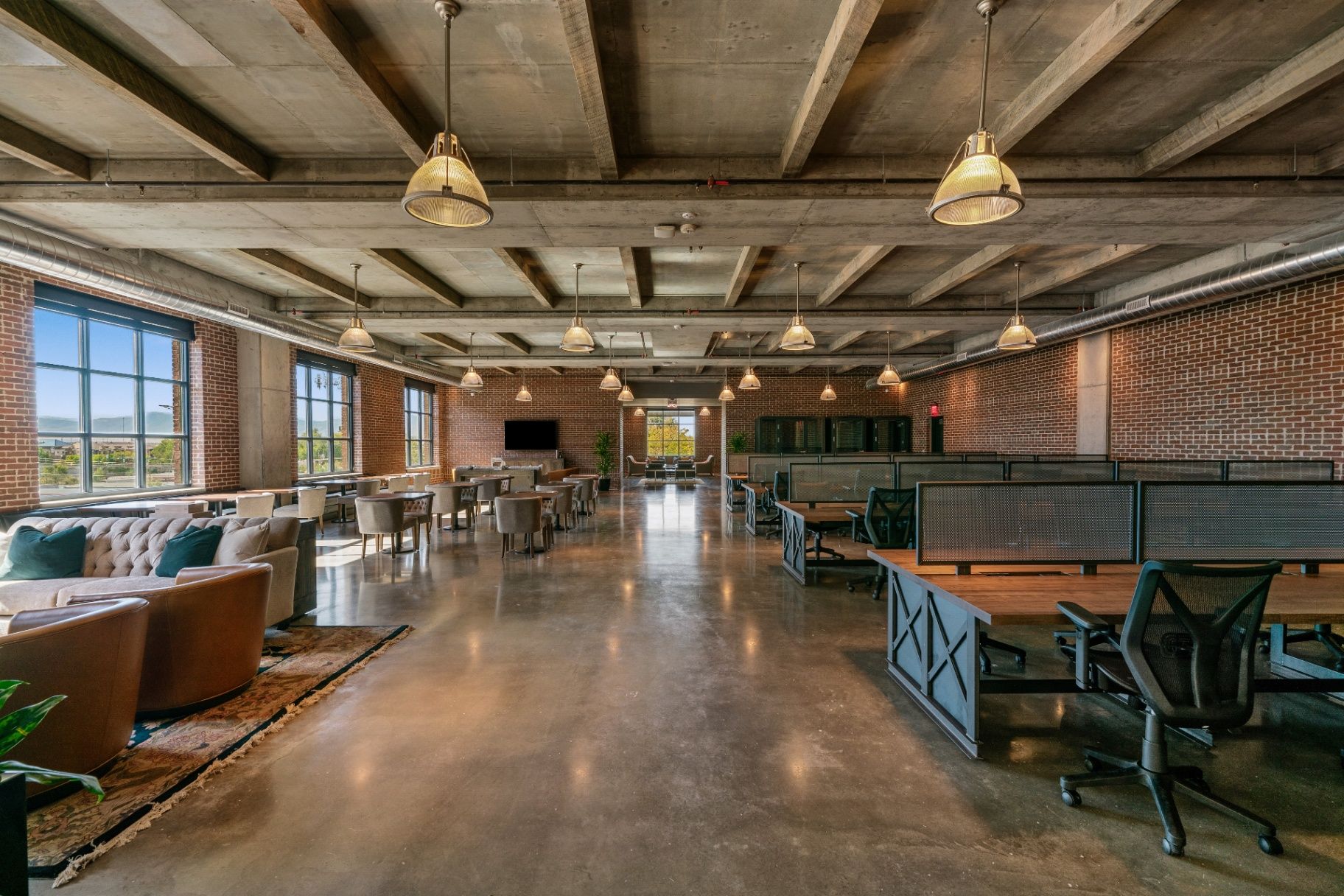
Today, through Built Contractors, Sones is involved in building a steady pipeline, including preconstruction on several major project while also completing tenant improvement work, including a co-working space at Salt Lake Crossing.
Other projects include: Montair South and Montair North (scheduled for June completion) in Sugar House; Unite Student Housing and additional work in collaboration with BKV Group in Minneapolis.
Looking ahead, the company is preparing to break ground in July on a joint-venture multi-family project in West Jordan—eight buildings totaling approximately 425 units, in partnership with a Utah-based group.
While multi-family remains a core focus, Sones is intentionally diversifying into office, tenant improvement and warehouse/tilt-up construction. “Multifamily is one of the most complex project types,” he said. “Rooftop decks, pools—if you can build that successfully, you can build just about anything.”
His broader philosophy is straightforward: “If you want to make money, do what others can’t—or won’t—do.”
He emphasizes the importance of scheduling flow, subcontractor management and a deep understanding of construction systems, particularly wood framing and multi-story structural coordination. He notes that many large-scale projects—often spanning two to three years—are only possible because of strong owner relationships built on trust and transparency.
“Too many projects are plagued by change orders, incomplete design, and underqualified subcontractors,” he said. “The best projects come down to people and transparency.”
Having worked across all sides of the industry—from contractor to superintendent to developer—Sones brings a cradle-to-grave perspective. He believes the industry too often lacks alignment and trust among stakeholders, something he is actively working to change within his organization.
A major priority for Sones is workforce development. He points to the robust training programs at Robins & Morton—where employees were required to attend multiple training sessions annually—as a model he hopes to replicate. “In Utah, I don’t see that same level of intensive training,” he said. “That’s one of my goals—building a strong, ongoing training program focused on real-world challenges.”
Two years into building his current platform, Sones is focused on disciplined growth. The company is reinvesting earnings to expand bonding capacity and scale strategically, while maintaining a lean team structure.
“There’s something powerful about staying lean,” he said. “It pushes people, creates accountability and becomes a proving ground.”
Sones maintains high expectations—and holds himself to the same standard.
“I reward my team well, and I stay close with them and their families,” he said. “They know I care—but performance matters.”
Ultimately, Sones is focused on building a culture of high performers. “A players want to work with other A players,” he said. “That’s one of the biggest lessons I’ve learned.”
Looking forward, his emphasis remains on hiring forward-thinking individuals who can anticipate challenges rather than simply react to them. “You don’t win by solving today’s problems,” he said. “You win by thinking ahead.”
Straightline Architecture
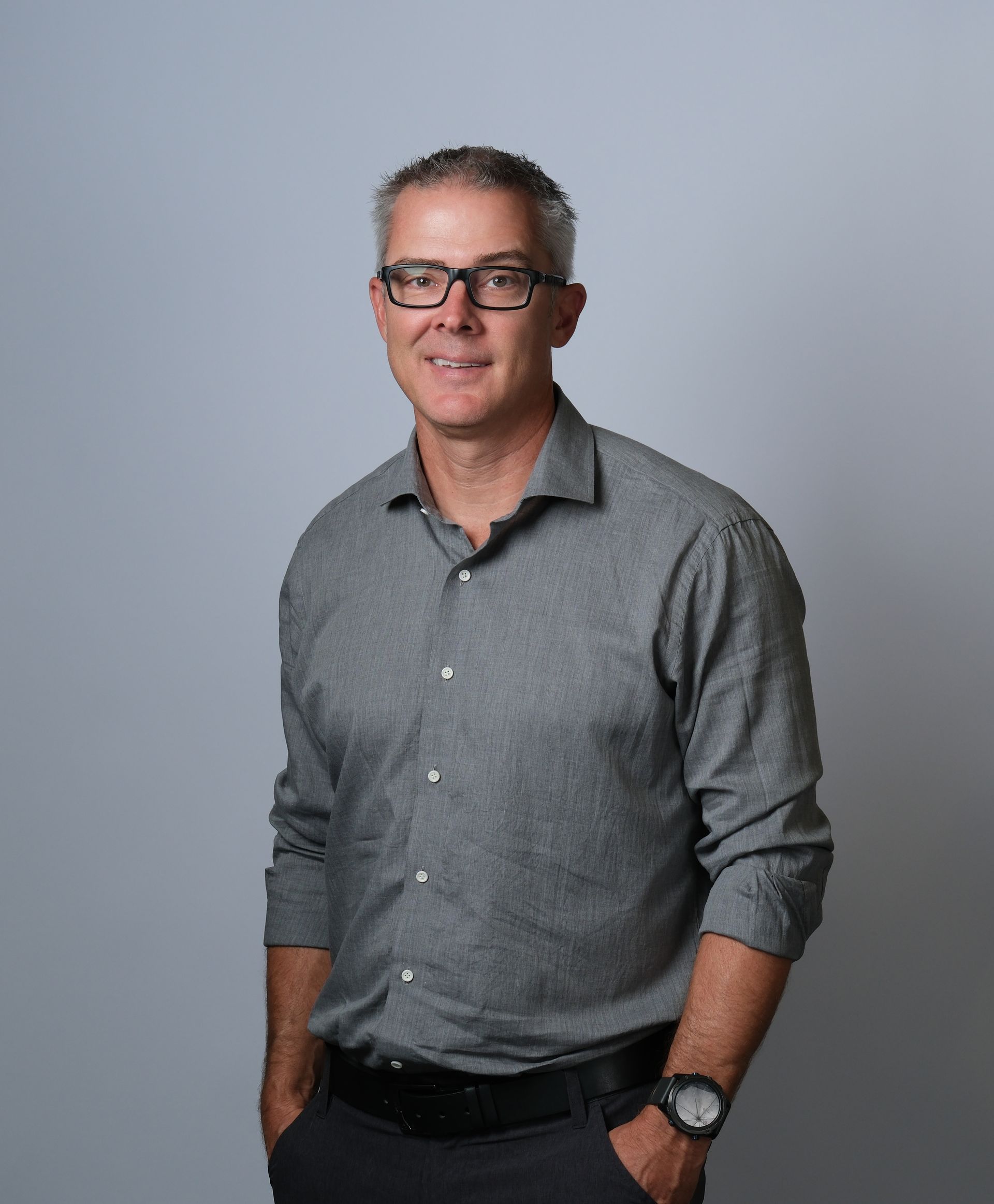
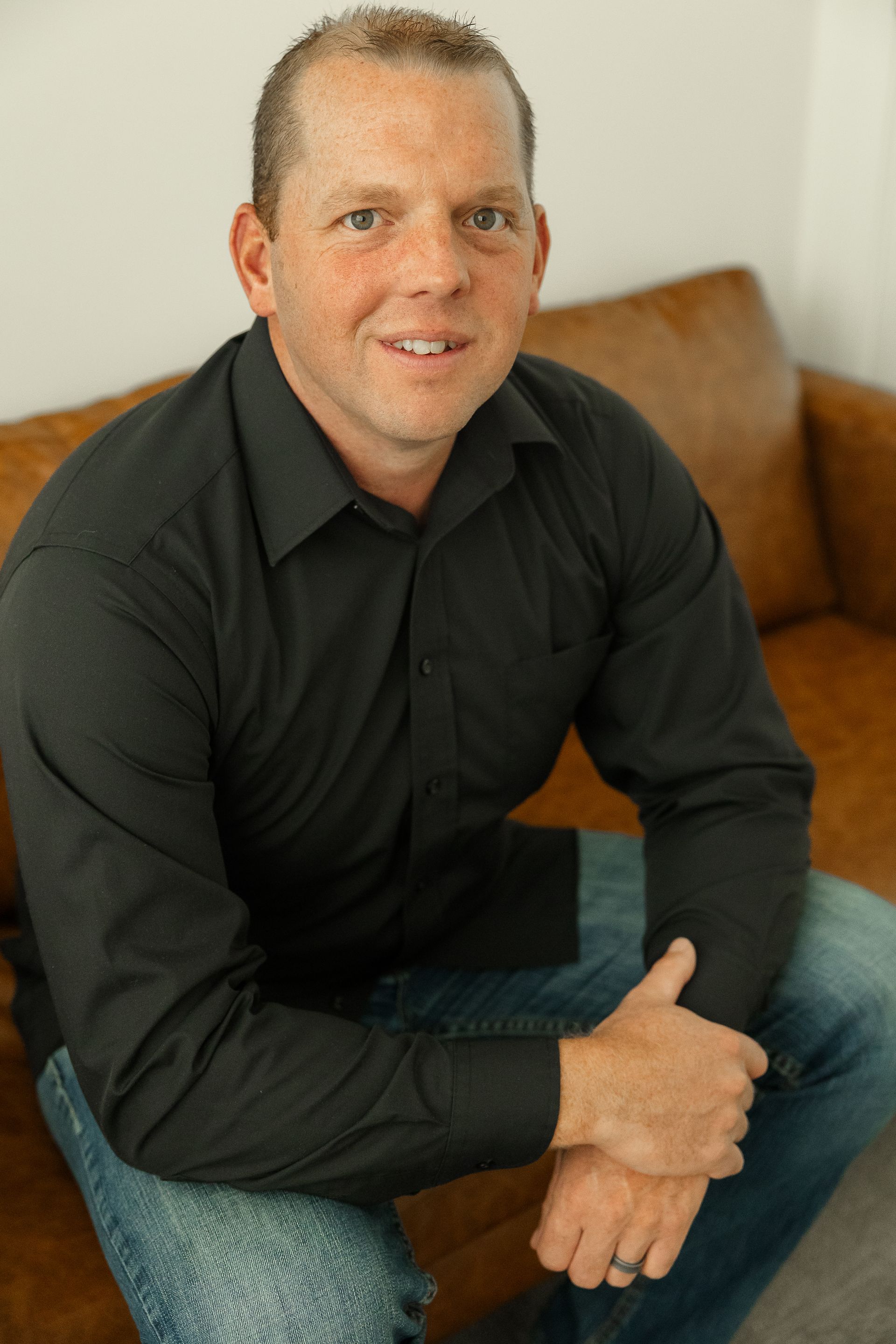
When David Vaughan and Chad Beus decided to launch Straightline Architecture in May 2025, they did so with the kind of confidence that comes from experience, strong relationships and a clear sense of how they wanted to build a firm.
Less than a year later, that confidence is paying off in spades.
The young architecture firm has already grown from its two principal owners to a staff of nine, with plans to add more employees by the end of this year. Also notable, Straightline has quickly established a meaningful footprint in both Northern Utah and Southern Utah, a dual-market presence that many firms spend years trying to build.
For Vaughan, 47, and Beus, 40, Straightline did not emerge out of impulse. The two previously worked together at a Salt Lake City-based architecture firm, where they developed a shared approach to design, client service and firm culture. Over time, it became clear they saw the profession similarly — not just in terms of what good design looks like, but in how a practice should operate.
“We always saw eye-to-eye,” Vaughan said of Beus. “What we thought good design was, and how a firm should be run, we were aligned on.”
That alignment gave the two a foundation when the opportunity finally came to launch their own firm. What may have seemed like a leap from the outside felt surprisingly natural from the inside.
In fact, both men said the transition has been better than expected. Clients stayed in touch. Some came calling with new opportunities. Others were looking for an architect that offered a more nimble, collaborative alternative to larger shops. What Vaughan and Beus initially thought might be a slow build quickly accelerated.
“We thought it was going to be more tough sledding,” Vaughan said. “It might be him and I, and maybe a couple other staff for a year or two. But when we jumped on the train, it left the station.”
That early momentum helped define Straightline’s first year. Today, the firm’s primary sectors include multifamily, industrial and hospitality, though its project list is already broader than that might suggest. Straightline is also working on tenant improvements, restaurant projects and office work, with an emphasis on serving private-sector developers.
That focus is intentional.
Both principals said they are drawn to projects that require a careful balance of design and financial reality — developments that need to “pencil” in the real world, not just look good on paper. In that sense, Straightline’s value proposition is not rooted in flashy architecture for its own sake, but in helping clients arrive at smart, efficient, buildable solutions.
Vaughan describes the firm’s approach as less about telling clients what a project should be, and more about showing them what it could be.
“We approach it as a partnership,” he said. “We collaborate with them to get the right project for them.”
That philosophy appears to be resonating, especially with repeat clients and relationship-driven developers.
In Northern Utah, Straightline is pursuing larger multifamily and industrial opportunities while building out a reputation for hands-on principal involvement. Vaughan said that is one of the firm’s distinguishing traits. Rather than handing projects off and reappearing only when problems arise, Straightline’s principals remain actively engaged throughout the design and construction process.
Clients, he said, hire the firm for its experience, and they intend to stay close to the work.
That same relationship-centered approach has also helped Straightline gain ground in Southern Utah, where Beus has helped establish a strong presence in the St. George market. He has lived in the region for about six years and said the area’s development climate is both active and highly relationship based.
“St. George is pretty hot everywhere,” Beus said.
Industrial work in particular, has become a major driver in the greater St. George area, although multi-family, office and tenant improvement work are also part of the mix. Beus said Southern Utah can be difficult to break into at first, but once trust is established, opportunities tend to follow.
“You’ve got to commit to it,” he said. “You’ve got to throw lots of proposals at it, throw lots of time at it, and just kind of wait until you get your shot.”
That commitment is paying off. Straightline is involved in multiple industrial buildings near the St. George airport and has additional projects moving through permitting and construction. Some smaller tenant improvement projects and remodels have already wrapped up, while several of the firm’s larger assignments remain in the pipeline or under construction.
Even with that rapid growth, Vaughan and Beus say they are trying to be deliberate about what kind of firm Straightline becomes.
They are not interested in taking every project or working for every client. Instead, they want to build around a core group of quality relationships and repeat customers. They also want to avoid the kind of overextension that can strain both staff and service.
“We want to execute well,” Vaughan said. “If we set our teams up for failure, it’s hard to repair that.”
Internally, the firm is also trying to create something they believe is uncommon in architecture: a clear and transparent path to ownership. Vaughan said one of the frustrations many architects share is the vague promise of advancement without a tangible roadmap. Straightline is trying to change that from the start by discussing ownership potential early with employees and building succession into the firm’s DNA.
That long view may be unusual for a company less than a year old, but it fits the mindset behind Straightline’s launch. This was never just about opening doors and chasing projects. It was about building a firm in a more intentional way — one rooted in experience, openness and a willingness to do things differently.
For now, the market seems to be rewarding that approach.
Straightline may still be young, but in less than a year, Vaughan and Beus have shown that a small, seasoned team with strong relationships can gain traction quickly. With growing momentum in both Northern and Southern Utah, the firm is already carving out a clear identity — and a promising lane of its own.
VMG NeXT
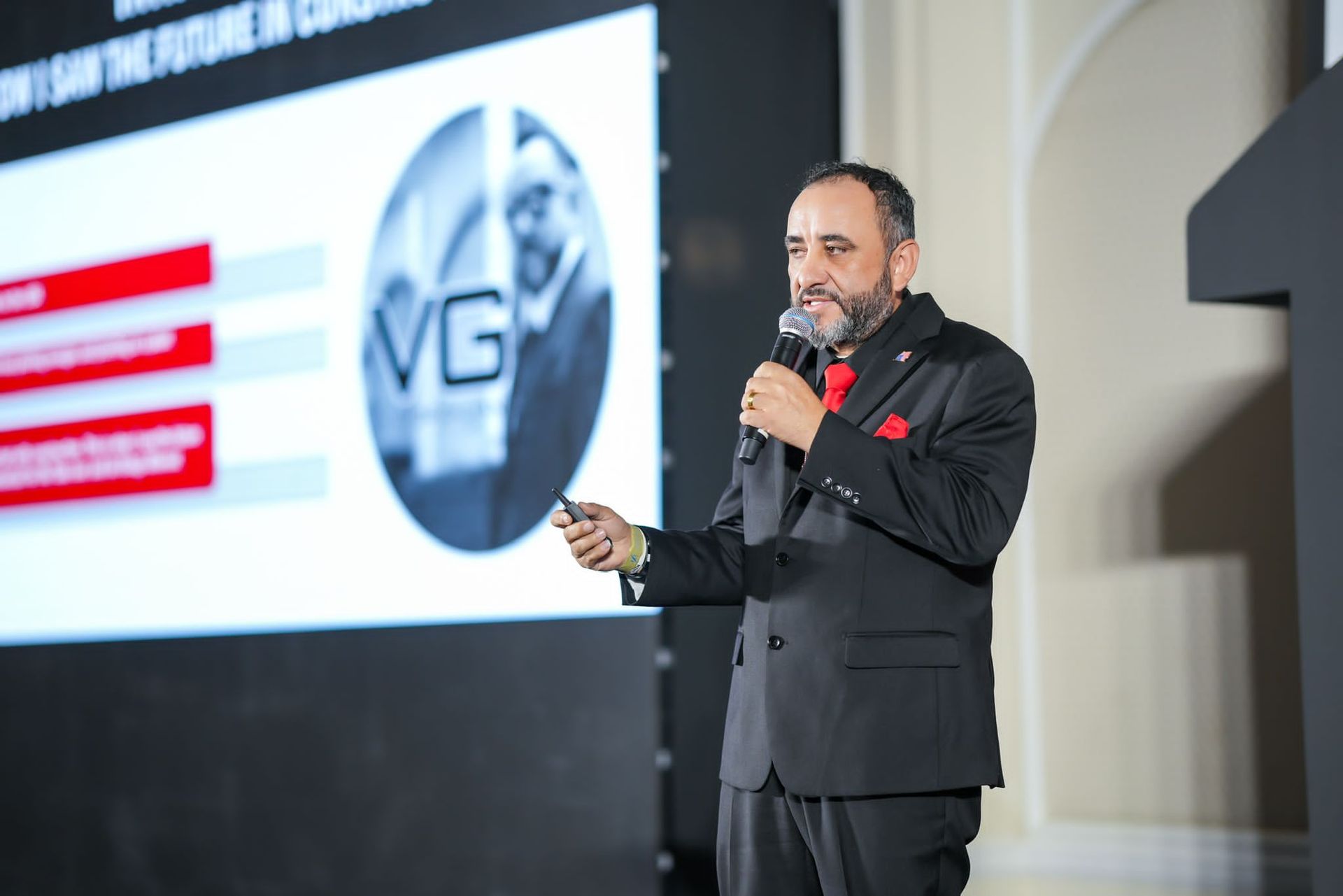
At first glance, the story of Sandy-based VMG NeXT looks like another construction success story—an ambitious company expanding across Utah, chasing growth in commercial, industrial and residential markets. But behind the company is something far more personal: a life shaped by hardship, discipline and an unrelenting belief that opportunity isn’t found—it’s built.
For its founder, Victor Galvan, that mindset didn’t begin in a boardroom. It started in the fields of rural Mexico.
Roots in Hard Work
Raised in Las Tablas, Jalisco, outside Guadalajara, his childhood was defined by labor long before most kids learn responsibility. At just eight years old, he was spraying and fertilizing corn fields. By 11, he was working alongside his father, building clay adobes and fences.
Life was simple—but never easy.
“That’s where I discovered what hard work really means,” Galvan said. “Not just working with your hands but working with purpose.”
Those early years didn’t come with formal education—he completed only the sixth grade—but they delivered something arguably more valuable: resilience, discipline and a clear understanding of effort.
It also forged a perspective that would guide him for decades.
“When you come from nothing, you stop fearing failure—because failure already lived with you.”
At 16, he entered the construction industry, landing work on high-profile projects like Disney’s EPCOT and Universal Studios’ City Walk in Florida. The work was physical and demanding—tying rebar, forming sidewalks and pouring concrete—but it ignited something deeper.
“That’s where I fell in love with building—not just structures, but a future,” he said. “Every slab I poured felt like I was building my own foundation in this country.”
While others treated the job as a paycheck, he approached it as a calling. Construction wasn’t just labor—it was leverage.
One of the most defining influences in Galvan's journey came through mentorship.
Ray Fountain, a seasoned professional in the industry, saw potential in the youngster. Fountain taught him how to read construction drawings—an essential skill that unlocked a new level of understanding. Every day, he drove 30 miles to learn.
“While others were out partying, I was studying,” Galvan said.
The mentorship was short-lived. Fountain was diagnosed with cancer and passed away just three months later. But the impact was permanent.
“He saw in me what he couldn’t see in his own son,” he said. “Those lessons built the man I am today.”
In 2007, after years of learning the trade from the ground up, he launched VMG Construction, Inc. in Orlando, Florida.
The company specialized in concrete subcontracting—slabs, tilt-up construction, footers and cast-in-place work—but its foundation went beyond technical execution.
“We didn’t just pour concrete—we built a culture,” he said. “Leadership, accountability, doing things right and growing people.”
At a time when many companies struggled with quality control and consistency, he saw opportunity.
“Companies were failing at the basics—no leadership, no accountability,” he said. “I wanted to add massive value to clients, general contractors and the people who worked for me.”
That focus on systems, discipline and people paid off. VMG Construction operated successfully for 17 years before he sold the business in 2024.
Rather than stepping away, he chose to start over—this time in Utah.
The move wasn’t about escape. It was about elevation.
“I wanted to start fresh—not to escape, but to elevate,” he said.
Seeing rapid growth across Utah’s construction landscape, he identified a gap: strong demand, but inconsistent structure and leadership.
“People were doing too many things without direction or accountability,” he said.
That insight led to the launch of VMG NeXT, a company built around clarity, systems, and execution.
“That’s what VMG NeXT stands for—doing things the right way, with the right people, for the right reasons.”
Today, the company operates out of Cottonwood Heights, Park City and Taylorsville, with a growing presence across multiple sectors including K-12, high-end residential, commercial, industrial, environmental and government projects.
Central to the company—and his personal philosophy—is what he calls the “24/7 Mindset®.”
It’s not about working nonstop. It’s about living with intention.
“It’s the hunger inside—the version of yourself that refuses to settle, no matter how tired you are,” he said.
For him, that meant confronting doubt and choosing growth over comfort.
“Most people silence that voice with fear and opinions,” he said. “I chose to let mine lead.”
That mindset extends beyond the jobsite. For the past six years, he has turned travel into a form of education, attending conferences and industry events around the world—from Switzerland and Germany to Dubai, Colombia and Fiji.
Each trip is an opportunity to learn, observe and expand perspective.
“Growth doesn’t come from comfort—it comes from curiosity,” he said.
In a deliberate move, he now brings his family along.
“I don’t just want them to support the vision—I want them to be part of it,” he said. “We grow together, faster and stronger.”
Today, VMG NeXT employs more than 30 people in Utah, with the capacity to scale quickly. But the company’s strategy isn’t centered solely on growth—it’s
centered on people.
“We pay better, lead stronger and believe deeper,” he said. “When you treat people right, they don’t work for you—they build with you."
Today, Galvan builds companies, mentors leaders and creates opportunities for others to follow a similar path.
His philosophy is simple, but uncompromising.
“You don’t wait for the American Dream,” he said. “You build it—24/7 mindset. All in.”