Three Salt Lake City projects showcase the immense talent of the local A/E/C industry to achieve supreme levels of sustainability through adaptive reuse, turning drab offices into vibrant housing.
By Taylor Larsen
Office is in the toilet.
Ask any commercial real estate broker, and they’ll say something similar, maybe even including an expletive or two about what goes in there. Vacancy rates, especially around Salt Lake City, are hovering well above 20% according to data and research from local brokerages.
But as the office market has cratered, questions arose: What will happen to these workplaces rich with architectural history? Especially as available land in the capital city shrinks faster than the Great Salt Lake?
Can’t we just turn them into housing?
Conversion may be the most sustainable approach, but adaptively reusing old offices is an ongoing risk, continuing even after initial inspections determine feasibility. Once these conversions kick off, project teams act as industry archeologists likely to uncover the ugly parts of building history—undocumented changes, results from decades of settling, or worse. Successfully adapting these offices for modern housing requires teams working in constant harmony with their industry peers to respond to each emerging challenge.
The following three projects are exemplary in this respect. They may not save the office market from swirling, but show how foresight, design acumen, and construction talent can achieve sustainability gold, and give these structures a new lease on life.
Slide title
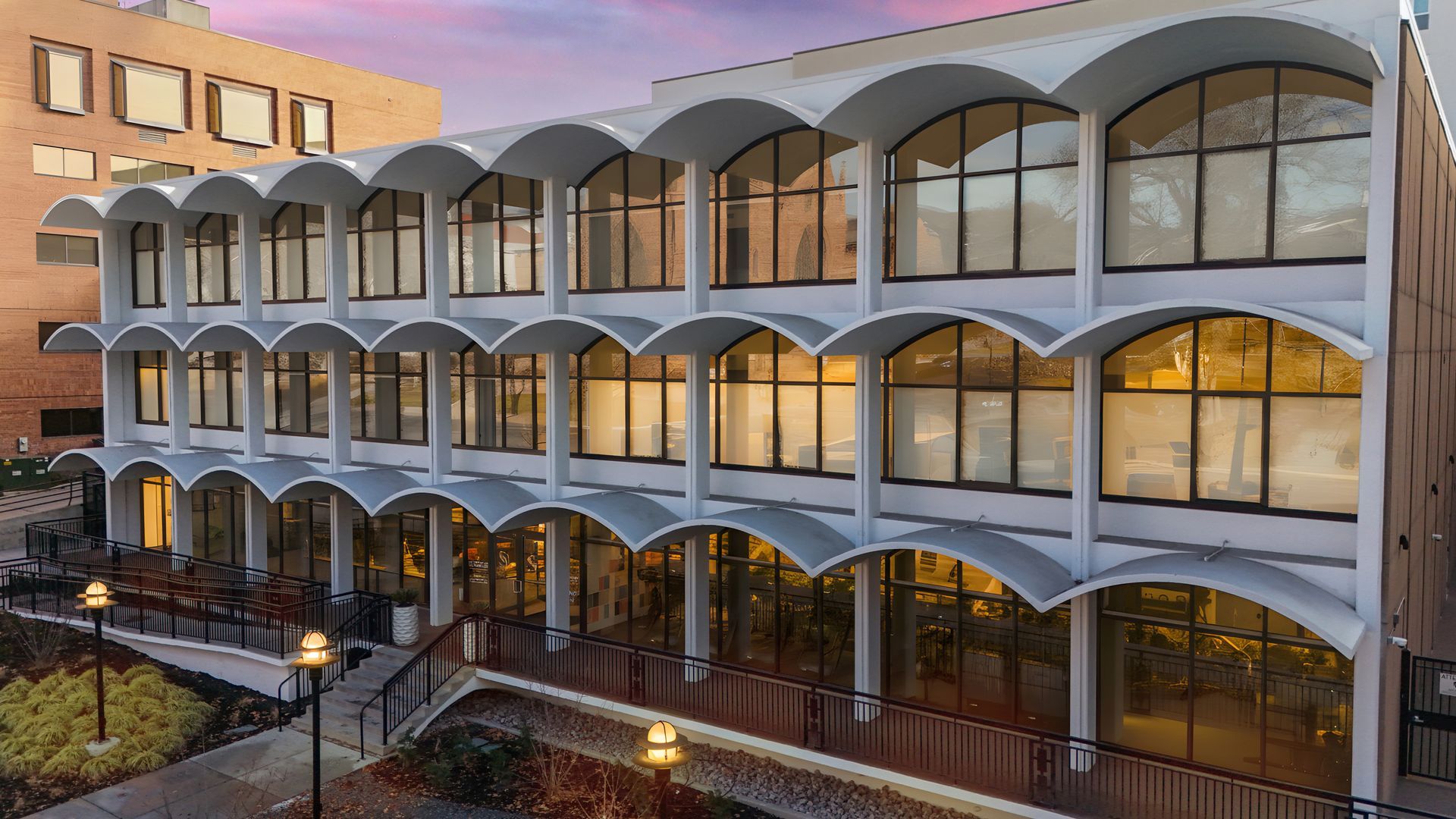
The Source on South Temple (by Freebird Marketing & Photography, courtesy Woodbury Corporation)
Button
Slide title
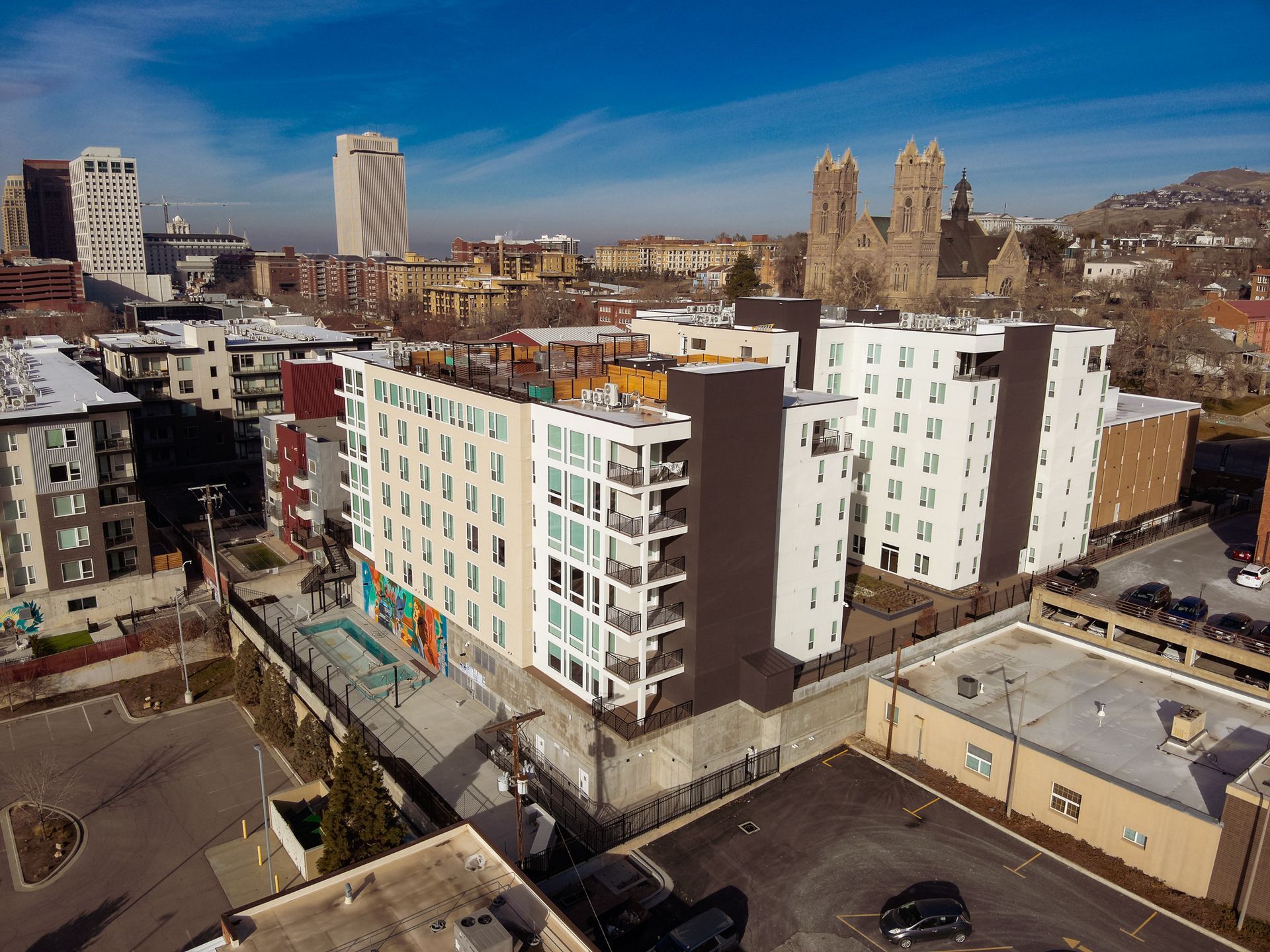
The Source on South Temple (courtesy Wadman Corporation)
Button
Slide title
The Source on South Temple (by Freebird Marketing & Photography, courtesy Woodbury Corporation)
Button
Slide title
The Source on South Temple (by Freebird Marketing & Photography, courtesy Woodbury Corporation)
Button
Slide title
The Source on South Temple (by Freebird Marketing & Photography, courtesy Woodbury Corporation)
Button
Slide title
The Source on South Temple (by Freebird Marketing & Photography, courtesy Woodbury Corporation)
Button
Slide title
The Source on South Temple (by Freebird Marketing & Photography, courtesy Woodbury Corporation)
Button
Slide title
The Source on South Temple (by Freebird Marketing & Photography, courtesy Woodbury Corporation)
Button
Slide title
The Source on South Temple (courtesy Wadman Corporation)
Button
Slide title
The Source on South Temple (courtesy Wadman Corporation)
Button
Sustainability Starts at the Source
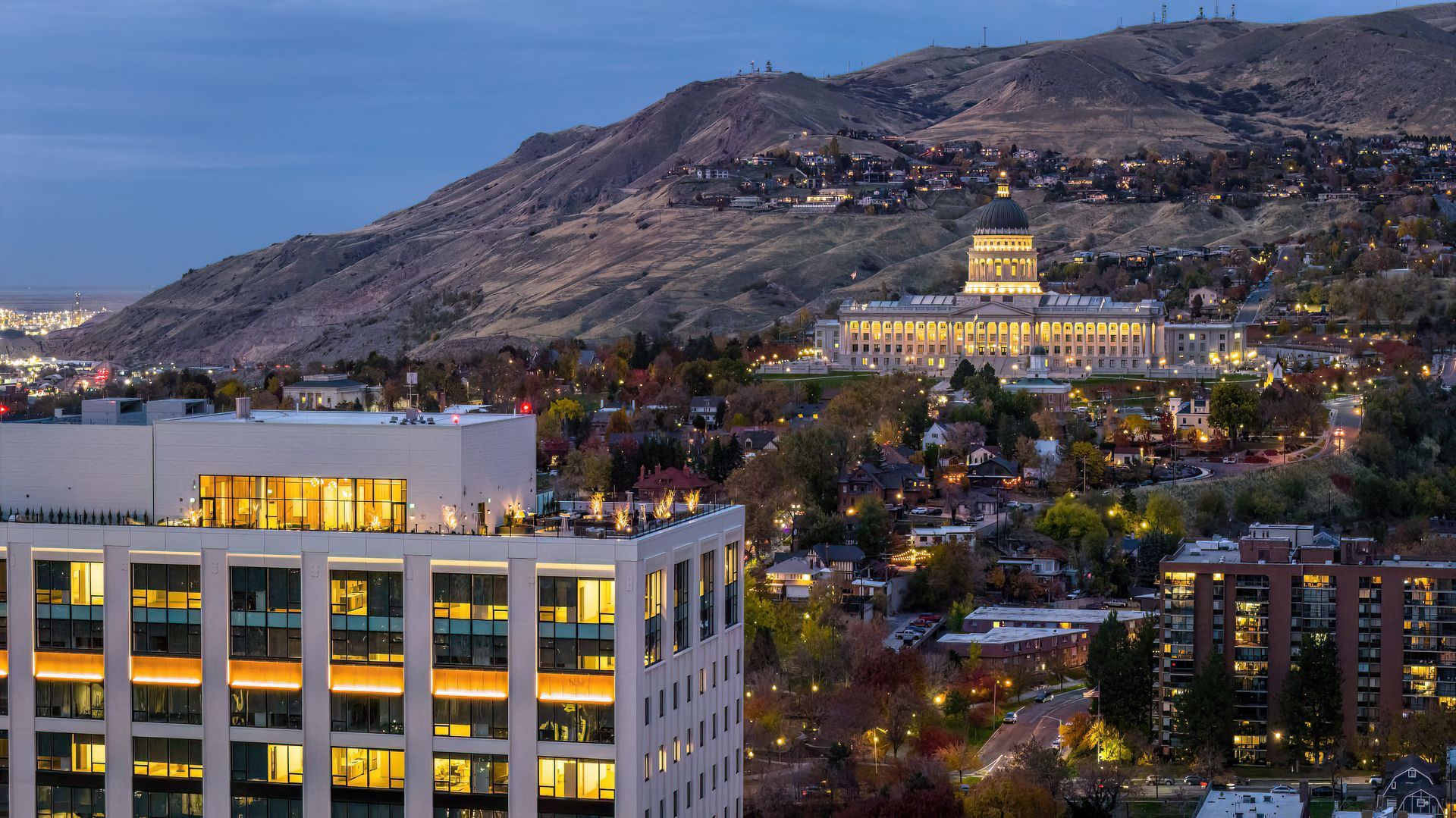
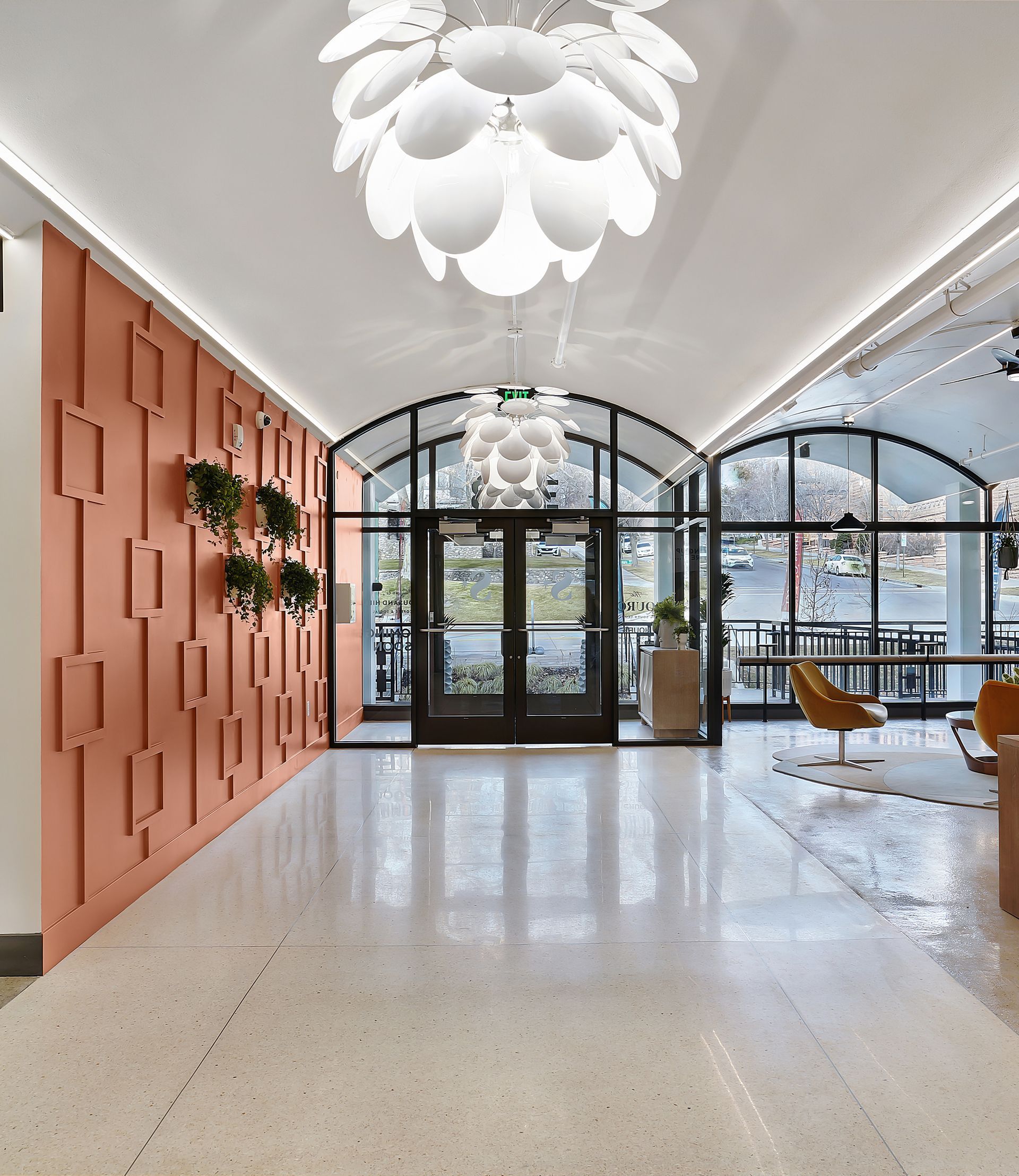
The IBM Building, with its historic white arches, has graced South Temple in mid-century modern architectural style since it was completed in 1962. But it needed new life once IBM consolidated resources, and owners at Salt Lake-based Woodbury Corporation enlisted Salt Lake-based FFKR Architects and general contractors at Ogden-based Wadman Corp. to retrofit the building for residential use as The Source on South Temple.
According to Preston Dean, the iconic building’s architecture and imposed constraints gave him and his FFKR teammates renewed energy and clarity as they began design.
“The building already belonged downtown. It had a scale and credibility you cannot fake, especially when you are designing along South Temple, with all its historical context,” said Dean, Principal Architect at FFKR.
That energy was put to good use as the architects reconciled the two fundamentally different building types, with the FFKR team crediting Amber Anderson from the Utah State Historic Preservation Office as a key collaborator throughout the design and construction process.
“Office buildings are designed around open floor plates, flexible layouts, and centralized services,” said Dean. “Housing demands daylight and livability, strong acoustic separation, and a completely different logic for plumbing and venting distribution.”
Fortune smiled on the project team. Floor plate dimensions on the Type 2B structure were well suited to residential planning along the north and south sides. The classical concrete arches even fall on a twelve-foot grid, naturally aligning with widths for one- and two-bedroom units.
The project team also uncovered some less welcome history in a pioneer-era canal easement running across the site, a “single line on a map that had real design consequences,” according to Dean. Wadman and their construction partners rebuilt the buried canal, created structural bridging over it, and maintained access for the City to inspect and service it long term. “In a project like this, those hidden layers of infrastructure can become just as influential as the architecture above grade,” said Dean.
Other scopes of the project were expected and welcome, namely in bringing the building envelope up to 21st-century standards. Keeping the embodied value of the structure while improving operational efficiency included replacing the windows, where mullions and more needed to be close enough to the original 1962 character to earn historic tax credits.
“That balancing act—performance, preservation, and constructability—became a key factor in how we approached the exterior,” said Dean. But he continued,
“It’s not just about operational efficiency, [...] We also want it to be loved enough to still be here decades from now.”
Sustainability is a broad spectrum, and owners skew toward the pragmatic when undertaking such endeavors—first costs, schedules, risk, leasing, long term operations, and more don’t often lend themselves to idealism.
“If we talk about sustainability as a philosophical badge of honor, it often becomes a nonstarter. If we talk about sustainability as a value proposition, we can get traction quickly.”
—Preston Dean
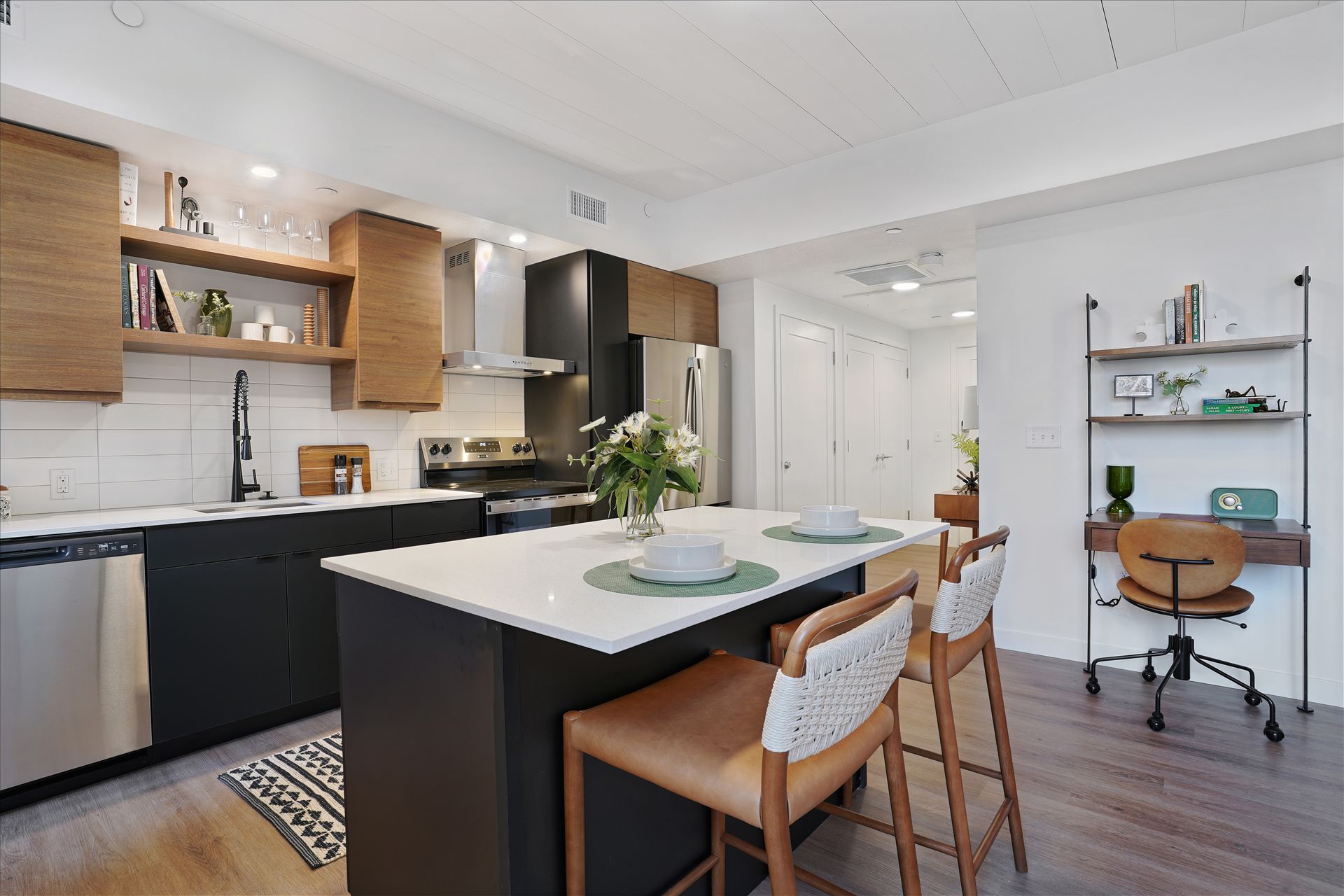
The value proposition involved constructing a new apartment building with 162 units in the site’s rear lot to add density to the area and improve the project’s financial viability. FFKR designed assemblies and finishes with an eye toward longevity across the entire project. “We treated acoustics, daylighting, and livability as sustainability strategies as well,” said Dean. “A comfortable building retains residents, reduces turnover, and stays relevant longer.”
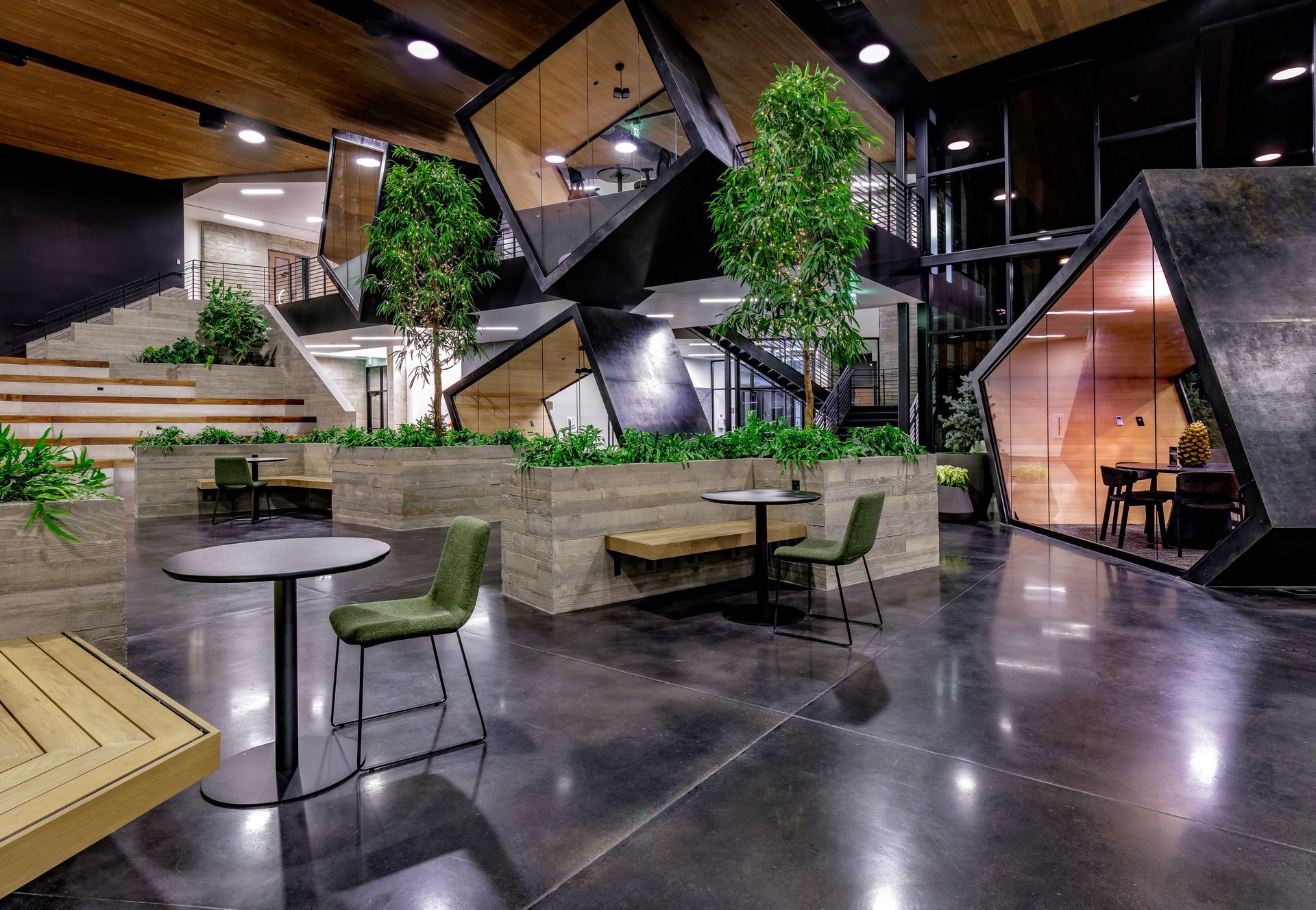
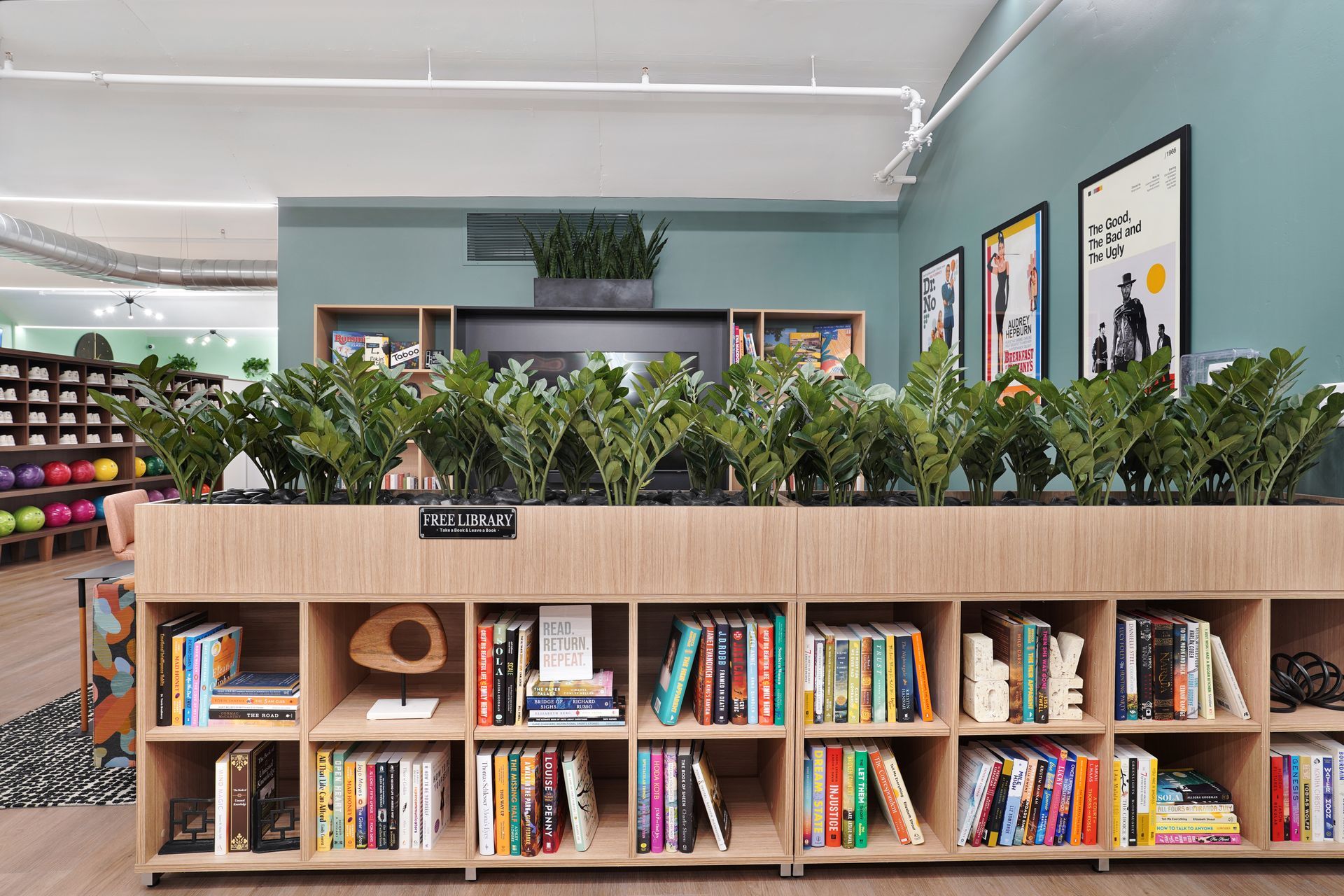
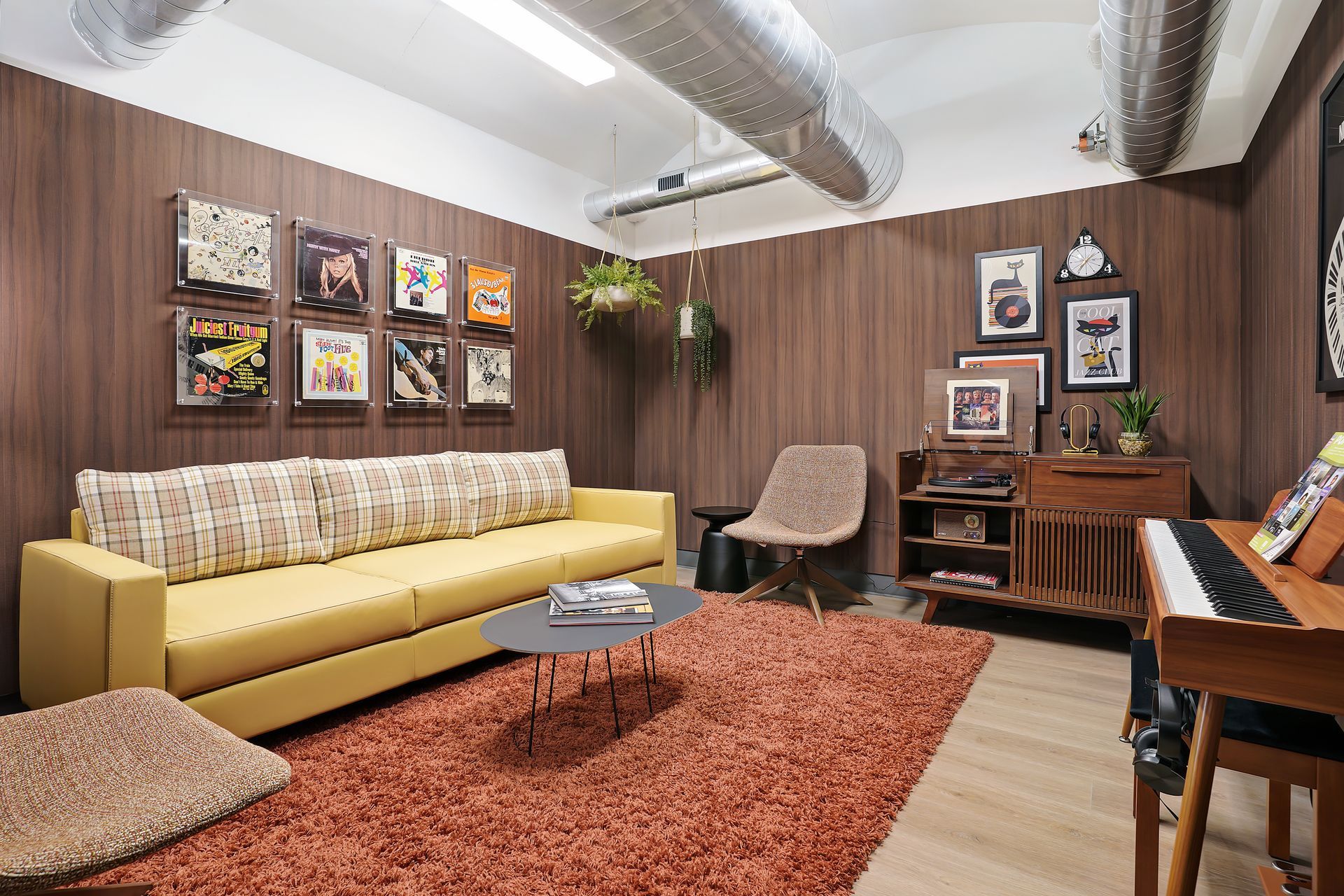
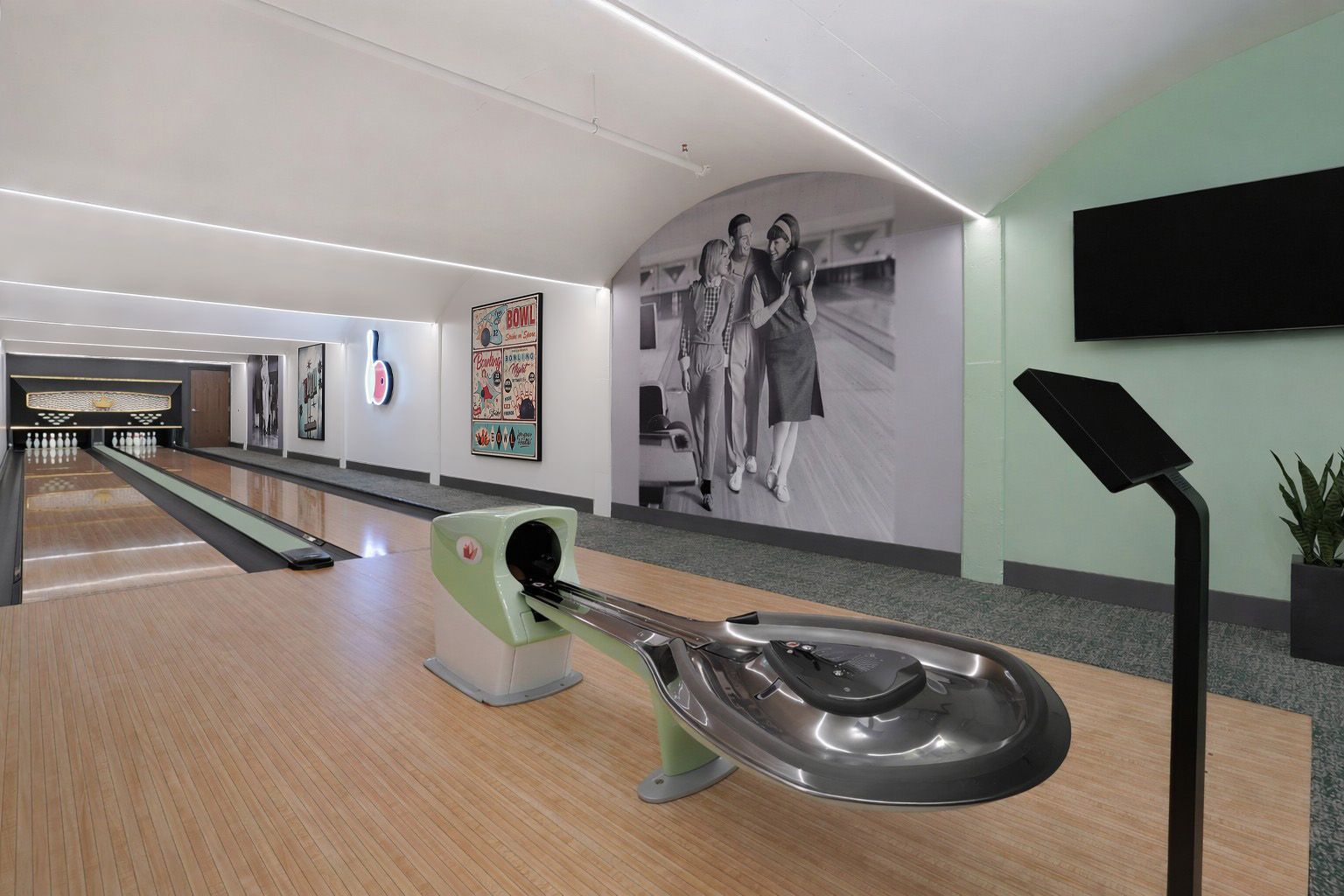
That ethos shaped design for spaces residents would actually use, starting with repurposing the IBM Building’s uninviting, windowless basement into practical features. Today, it includes a pet wash, bike wash, and storage. But the hidden gem in the project is the basement game room and vinyl lounge replete with poker tables, a golf simulator, arcade consoles, and a vintage two lane bowling alley complete with shoe and ball racks.
“If we talk about sustainability as a philosophical badge of honor, it often becomes a nonstarter,” Dean said. “If we talk about sustainability as a value proposition, we can get traction quickly.”
“We repurposed it into something unexpected,” said Dean. “[The basement] became the connective tissue to the parking structure.
Connection continued with the three-story parking structure that sits below the new apartment building in the rear. The structure meets parking and fire separation requirements while still metaphorically tying the new and repurposed structures together. “We did that so the development felt like one cohesive place,” said Dean.
One cohesive piece that required plenty of work to assemble safely and correctly, according to Tayson Wilson, Wadman’s Project Manager. "This project really had everything.”
Everything? Wilson listed them: Historic remodel, new construction, an intense shoring solution that utilized four different shoring types, a site so tight that the project was just four inches from the neighboring buildings on the east and west while sharing a back retaining wall.
“When you combine all that with adding a parking garage, living units, a bowling alley, a swimming pool, an amenity deck, and both modernized and new elevators, you have every aspect of a major job packed into a block that's less than an acre. Navigating that density was definitely one of our biggest challenges.”
Powering through these waves brought The Source on South Temple to the promised land to what Wilson described as “a unique and iconic space along South Temple.”
The long-term view of the project makes it even better. The project team saved an iconic old building from the landfill, invested in place through adaptive reuse, and created a community beacon spread across two structures and 182 units that support daily life downtown.
“The simplest way to say it is, we saved an entire building’s worth of structure,” said Dean. “And in sustainability terms, that is hard to beat.”
Slide title
Victory Heights (by Brady Dunn, Dunn Communications; courtesy Bonneville Builders)
Button
Slide title
Victory Heights (by Brady Dunn, Dunn Communications; courtesy Bonneville Builders)
Button
Slide title
Victory Heights (by Brady Dunn, Dunn Communications; courtesy Bonneville Builders)
Button
Slide title
Victory Heights (by Brady Dunn, Dunn Communications; courtesy Bonneville Builders)
Button
Slide title
Victory Heights (by Brady Dunn, Dunn Communications; courtesy Bonneville Builders)
Button
Sustainability Victory in East Central
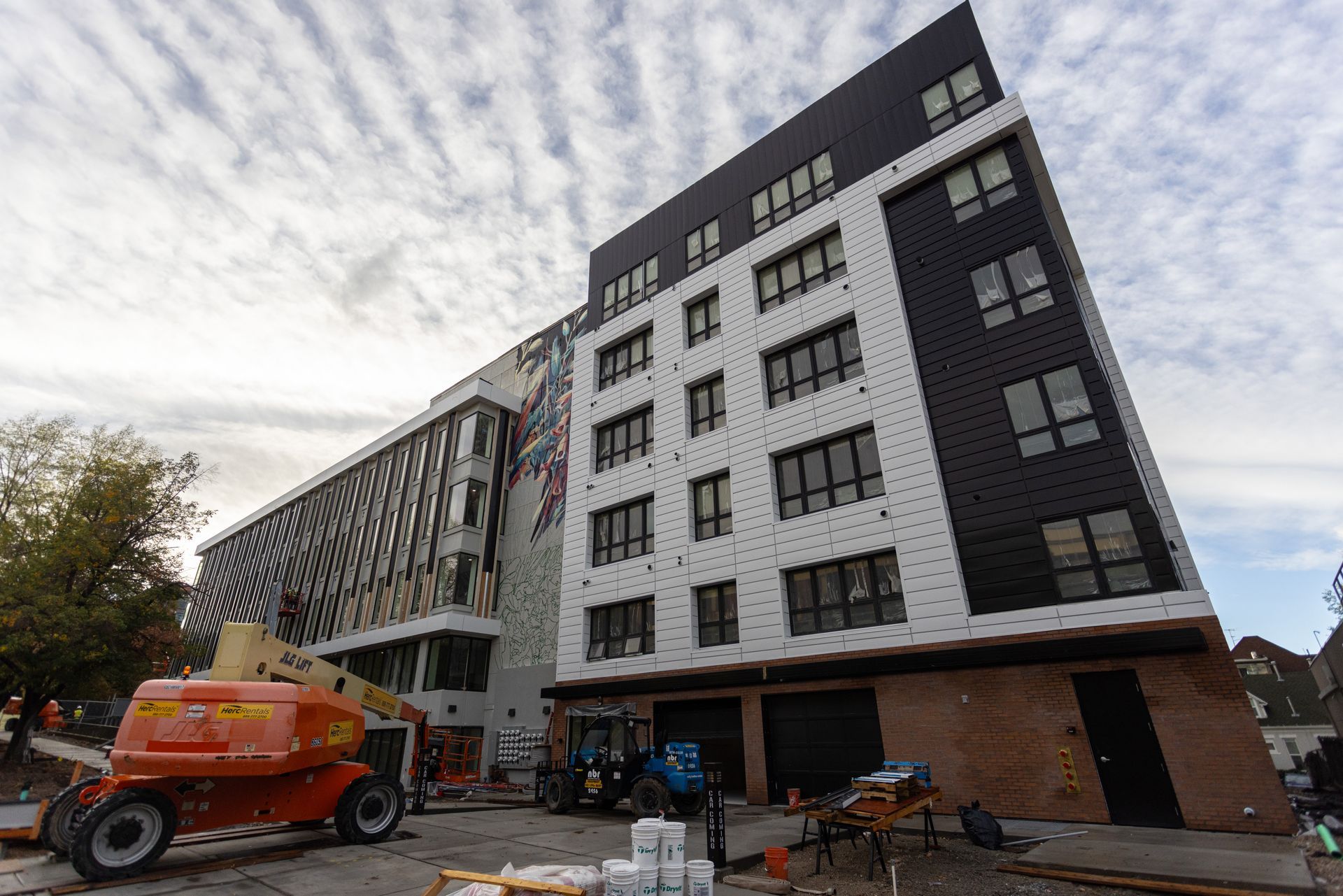
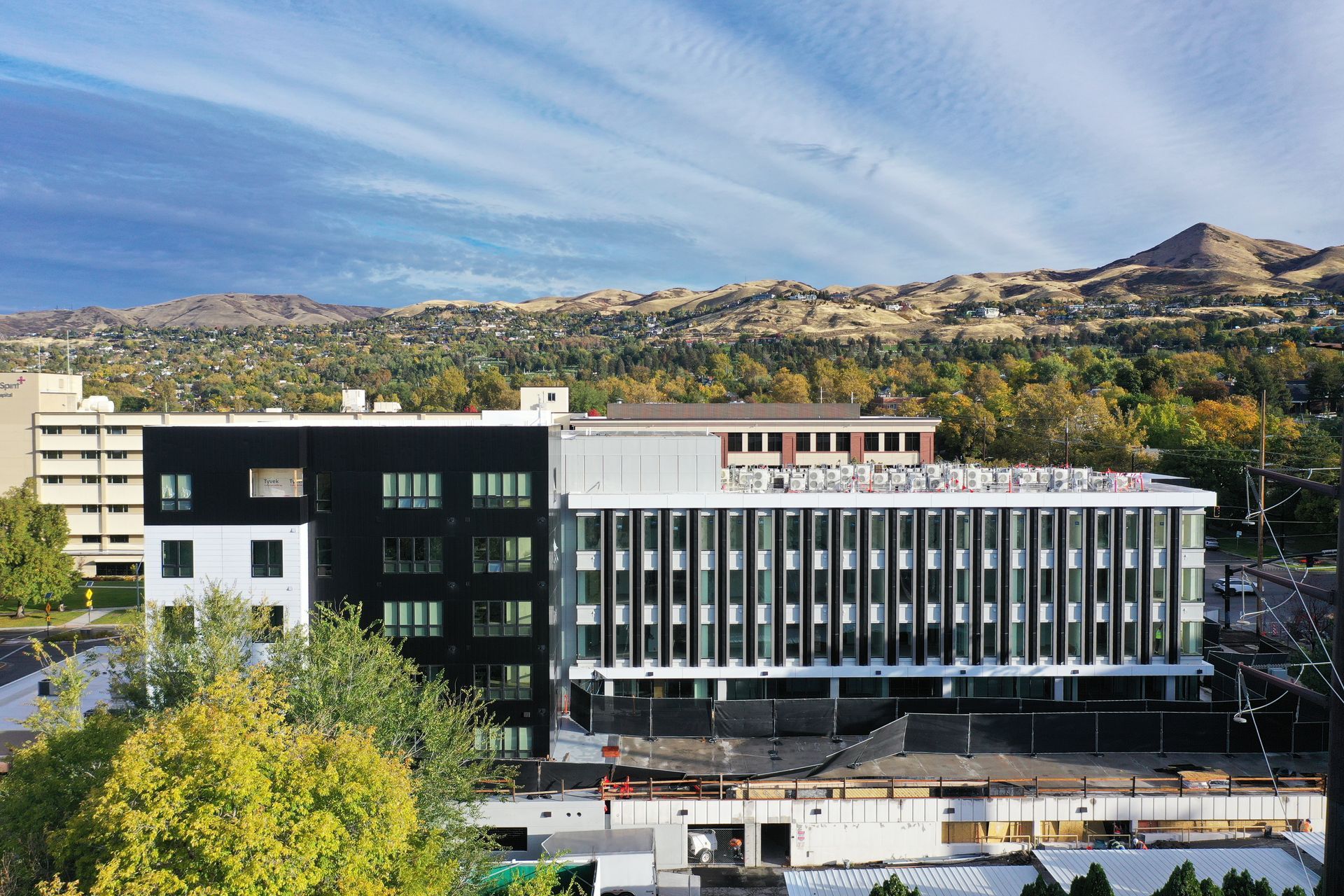
Turning a former medical office building into 88 units of affordable housing required more than steady hands and surgical concentration from Midvale-based Architecture Belgique and Sandy-based Bonneville Builders. It required a team, led by developers at Salt Lake-based Blaser Ventures, committed to bringing affordability into Salt Lake’s East Central neighborhood by turning the old Medical Towers building into a vibrant residential community for long-term neighborhood vitality.
Victory Heights would also add a new apartment tower to the site while adaptively reusing the existing office building. The difference here was physically connecting the new build to the original precast concrete structure built in the 1960s, with plenty of challenges foreseen and discovered along the way.
Every old building holds some “treasure” for project teams, some of it pyrite—or worse. Carter Benson, Estimator with Bonneville, mentioned how construction teams uncovered several non-permitted modifications or elements from the original design during demolition. One was particularly deep, with parking structure footings found to be more than twice the anticipated depth.
“We had to dig up some of the footings on the parking structure and retrofit them to build more above it,” said Benson. Trade partners at Bronco Contracting led the structural rehabilitation efforts throughout, reinforcing the parking garage and existing tower to meet seismic and load-bearing standards. A key part of their work involved demolishing a medical lab onsite and then down through the parking structure, splicing through the existing deck to make way for a reinforced concrete deck capable of supporting old and new builds.
All that digging helped the project team unlock the gold from the existing parking structure. Mike Ackley, Project Manager for Architecture Belgique, described it as a cost-saving asset for the project that provides a huge asset for residents, delivering a 1:1 parking ratio without burdening the neighborhood for surface parking.
Efforts in the parking structure and across the project, said Benson, required real-time design revisions and coordination across the project team. “It’s like putting together a giant puzzle,” said Benson, “and some of those pieces have some glue on them.”
The brain teaser of adaptive reuse continued inside the existing office, where Ackley and the design team had to work around certain elements of the precast concrete structure that could not be modified or drilled through. In response, plumbing and HVAC had to be coordinated to not affect these structural “T”s located every 8 to 10 feet throughout the existing tower. Bonneville and Architecture Belgique worked at their coordinating best, with field adjustments made for pinpoint precision to route systems to maintain both code compliance and design intent.
Said Ackley, “Each unit had to be laid out specific to that [constraint], and some bathrooms had to mirror or flip inside of the unit to make things work.”
Bonneville prioritized safety and worked with their team to be a good neighbor on this confined urban site, even working with a next-door clinic to ensure that surgery days would be free of intensive construction traffic for easy patient access. The GC also implemented strict environmental controls during hazardous material abatement, one of those efforts centered on PCB in the window caulking.
“It’s like putting together a giant puzzle, and some of those pieces have some glue on them.”
—Carter Benson
“While the PCB caulking isn’t dangerous by itself, if you cut it or modify it, it can become dangerous,” said Ackley, praising Blaser Ventures’ budgeting foresight to replace window systems, reinvigorating the old medical office for a safer residential environment.
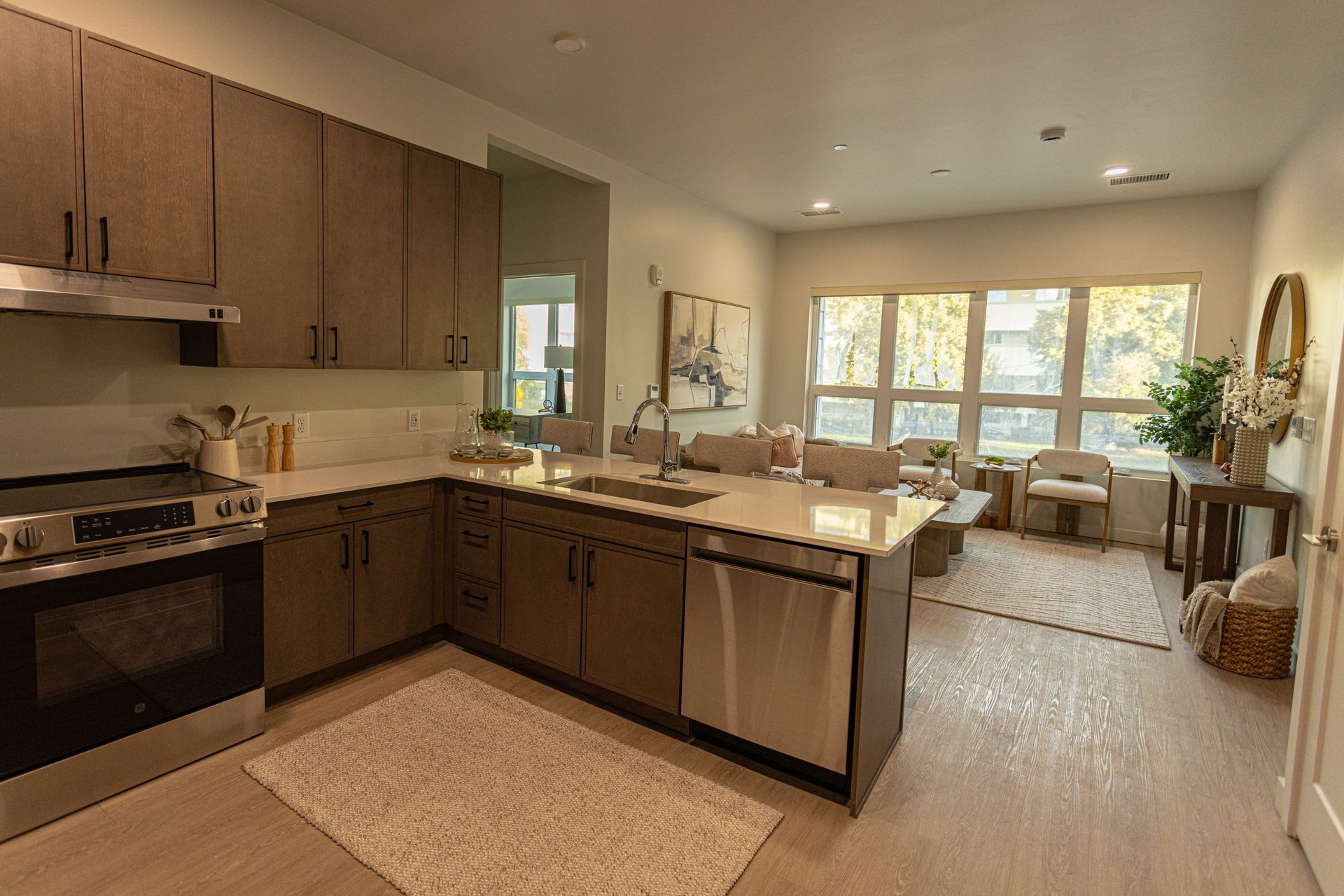
The project integrated environmentally sound and efficiency-focused materials, too. New insulation installed on the formerly barren concrete walls combined with the new windows for a tighter building envelope.
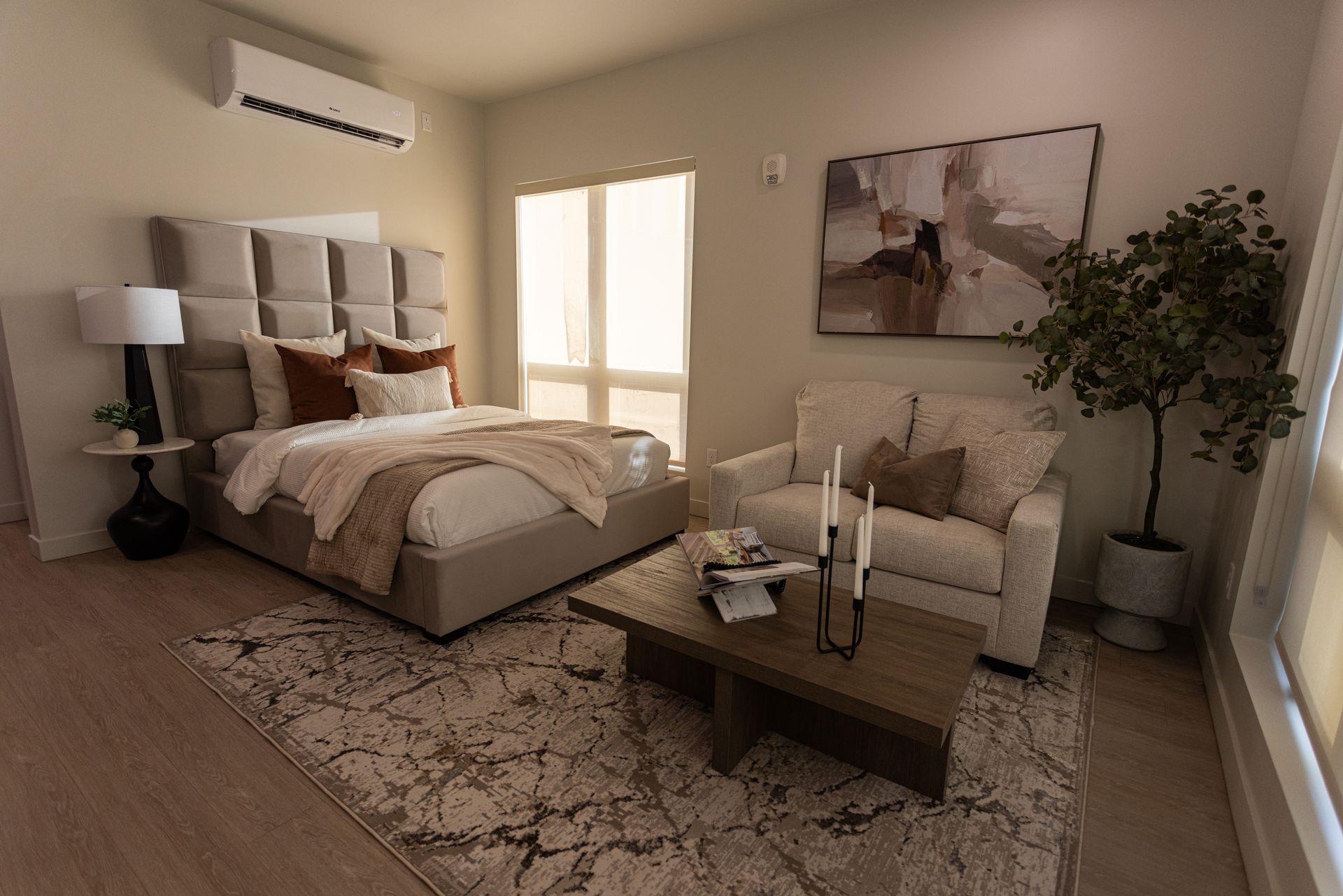
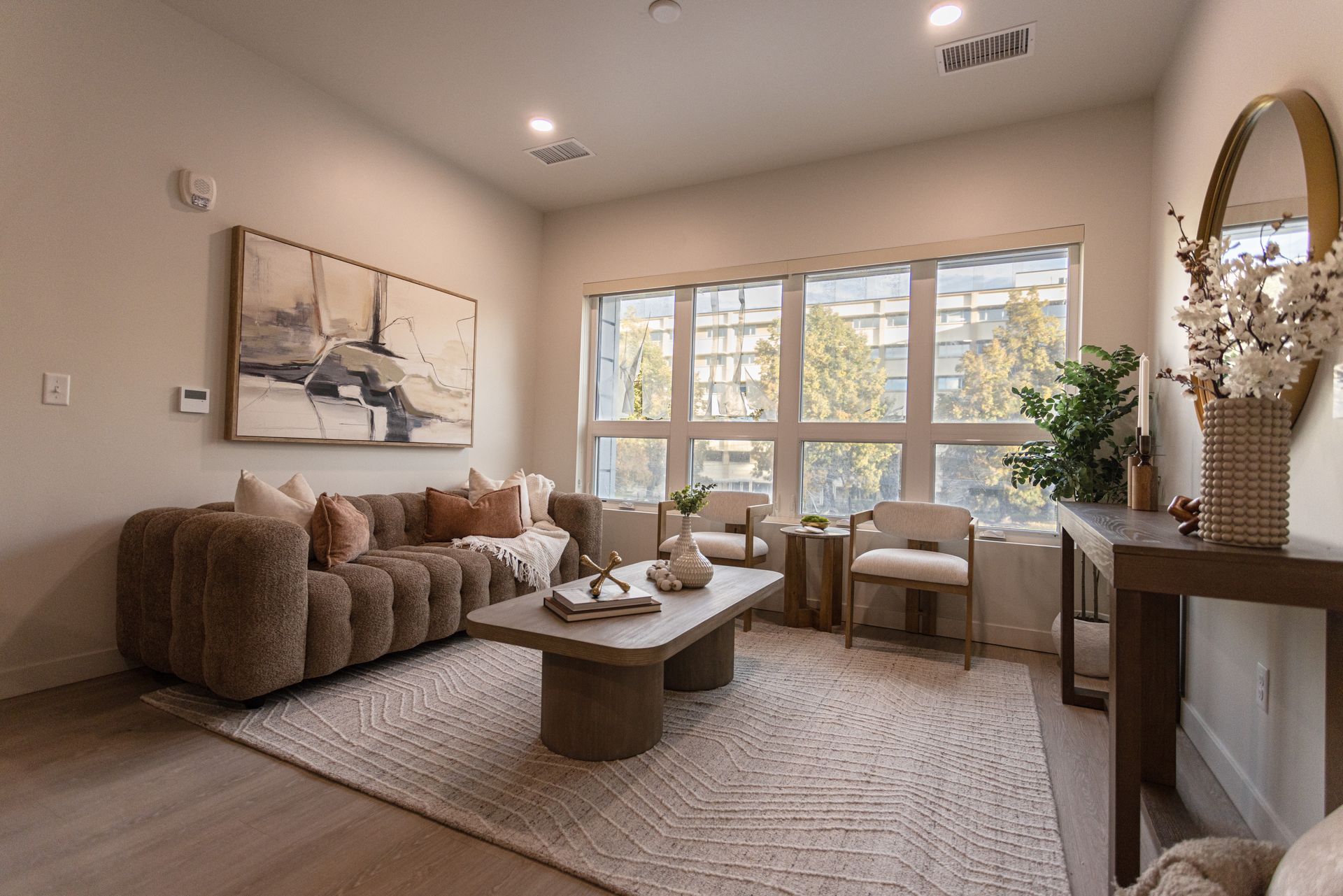
The 100%-electric project meets the high standards for Enterprise Green Communities and Energy Star ratings, where energy-efficient appliances, water-saving fixtures, and smart home technology save energy compared to what existed previously and will keep residents’ electric bills low.
The project team preserved the cham from the building’s mid-century modern architecture, with clean lines and a balanced material mix. The new build features metal cladding that reinterprets the original façade for a seamless blend of old and new. Designers included structural shear walls to stiffen up the existing structure in the case of a seismic event, with a 12-inch joint sitting between the renewed building to the east and new seven-story residential structure to the west. Resurfaced concrete and new shear walls were finished to match existing surfaces for a seamless blend, complementing the surrounding urban context for a low maintenance, timeless design.
But projects like Victory Heights do more than deliver energy-efficient and affordable housing; they build industry confidence in the most sustainable way to bring “new” projects to life. Preserving tens of thousands of pounds of concrete and steel within the old office and repurposing it into a community asset, Ackley said, “It opened up our eyes of what’s possible with adaptive reuse.”
Slide title
Seraph (Photos by Hines; courtesy Big-D Construction)
Button
Slide title
Seraph (Photos by Hines; courtesy Big-D Construction)
Button
Slide title
Seraph (Photos by Hines; courtesy Big-D Construction)
Button
Slide title
Seraph (Photos by Hines; courtesy Big-D Construction)
Button
Slide title
Seraph (Photos by Hines; courtesy Big-D Construction)
Button
Slide title
Seraph (Photos by Hines; courtesy Big-D Construction)
Button
Slide title
Seraph (Photos by Hines; courtesy Big-D Construction)
Button
Slide title
Seraph (Photos by Hines; courtesy Big-D Construction)
Button
Building Newfound Strength in Seraph
Much like building muscle, owners at Houston-based Hines, a design team led by Washington D.C.-based Hickok Cole, and a construction team led by Salt Lake-based Big-D Construction had to break down what existed to build it into something stronger.
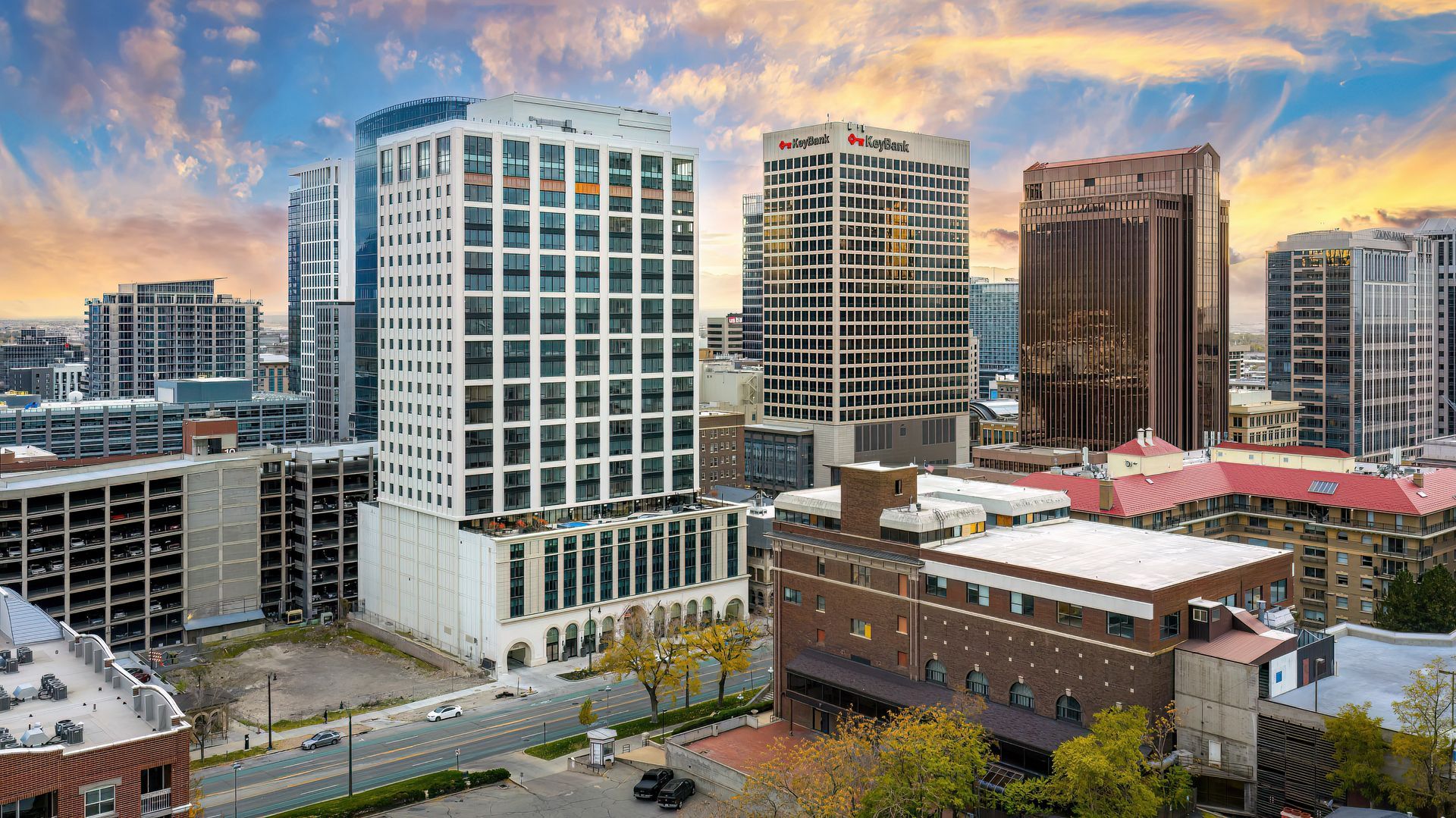
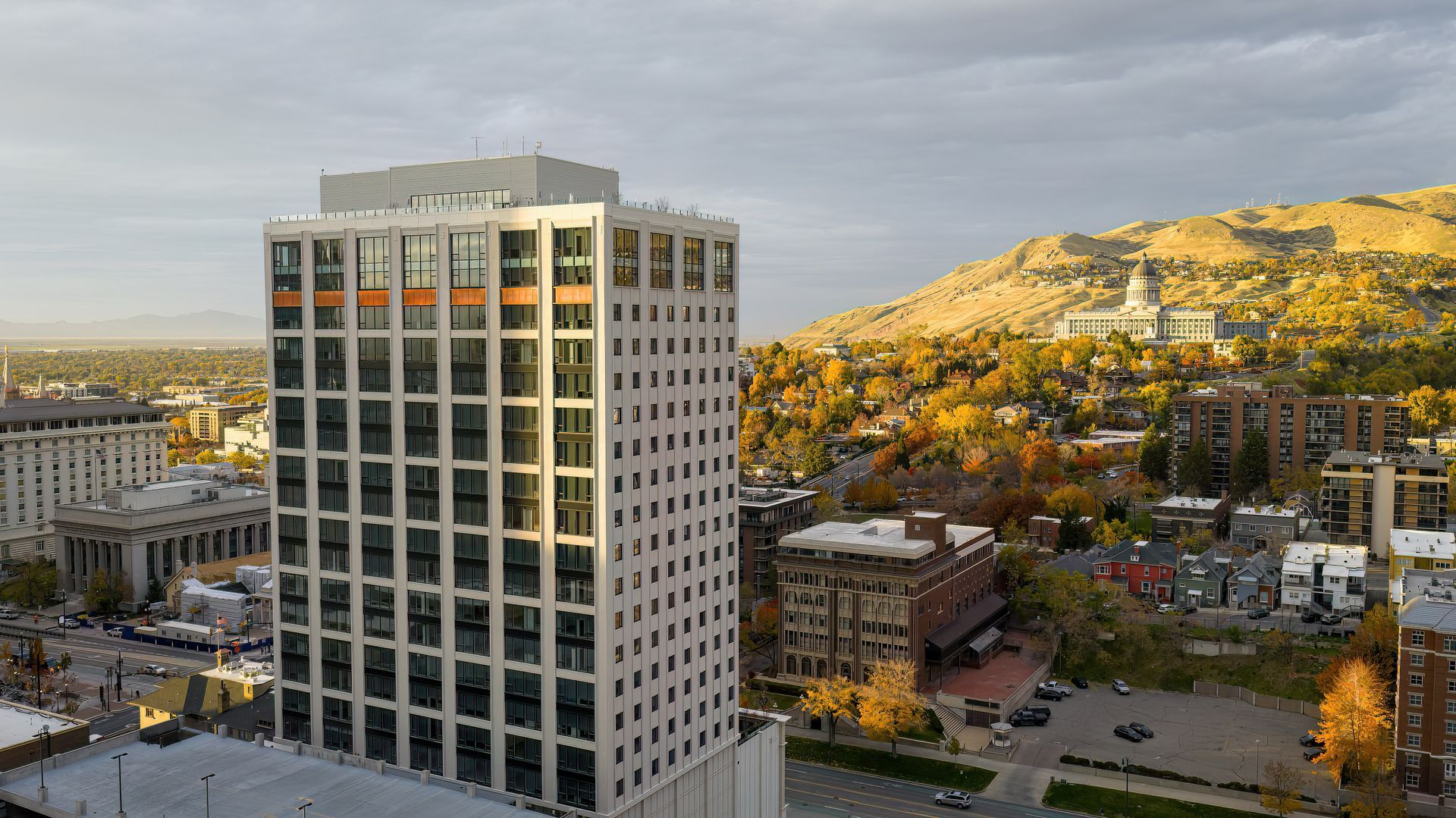
By adapting an office tower built in 1966 into a luxury residential tower robust in units and amenities, the project team delivered a more sustainable project, and, like a spotter on the bench press, one that supported Seraph’s project schedule.
“The biggest advantage was that we were working inside an enclosed, weather-protected structure from the start,” said Alma Marcum, Big-D’s Multifamily Division Director. “It’s something that caught even some of our more experienced people a little off guard.”
No waiting for envelope enclosure, no formwork, no floor-by-floor deck pours or waiting for them to cure, and no need to relinquish schedule to Mother Nature.
“Even while we were pulling the façade panels on the north and south sides to install the new window systems, we were never fully exposed to the elements the way a new structure would be during that phase,” said Marcum.
Not to mention existing utility infrastructure connections, where upgraded systems could be installed without starting from scratch. While Seraph’s contains 100% new MEP systems throughout, Marcum said the structure’s six existing elevator banks further aided the project. Instead of having to carve out mechanical spaces and coordinate around them, with Seraph, “We repurposed two of those shafts, running electrical distribution through one and the primary HVAC supply through the other.”
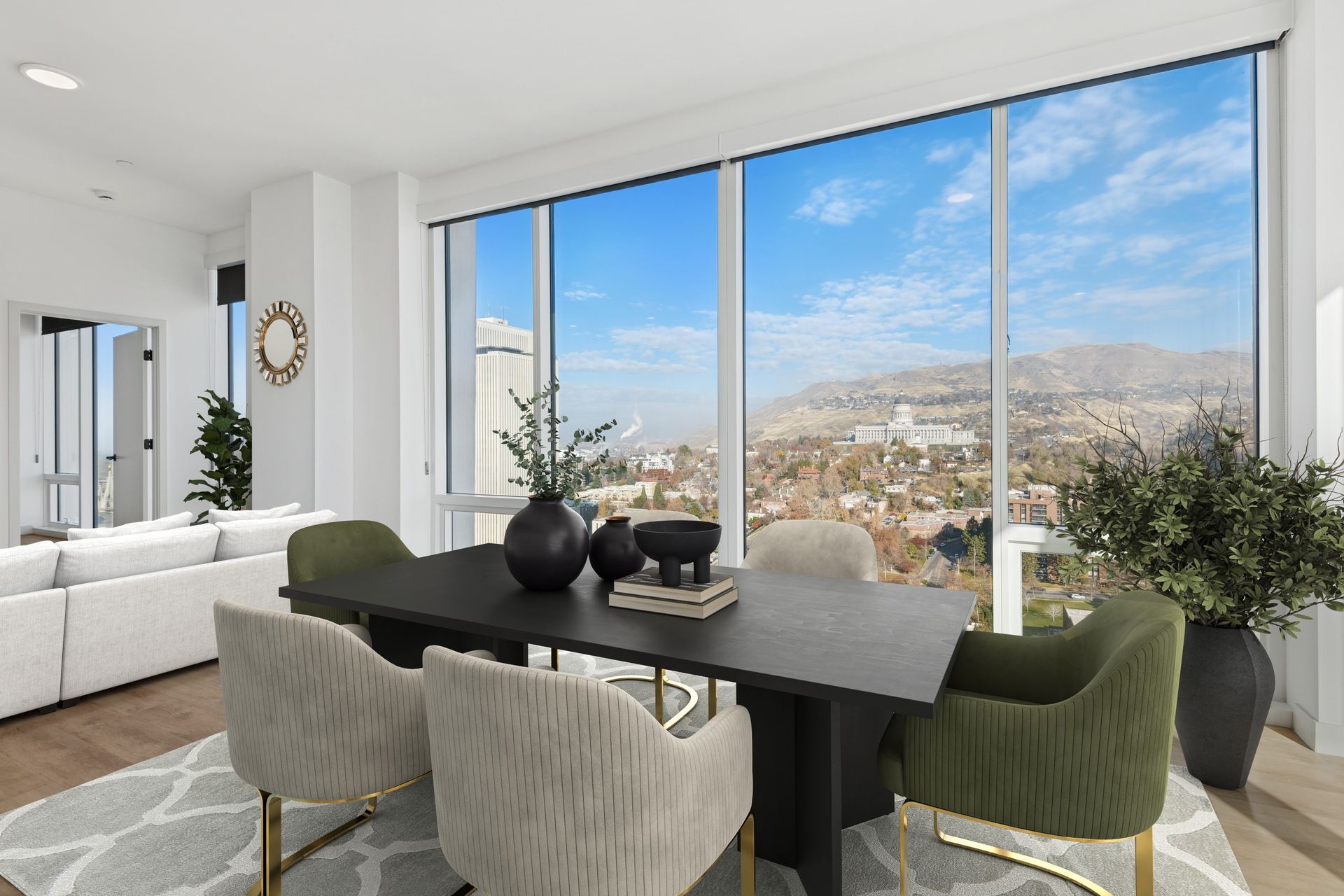
Installing these new systems came after crews completed abatement on every floor, carefully sequenced alongside demolition. To add to the project’s adaptive reuse ethos, the team even salvaged storefront material and other office furnishings to build out Big-D’s on-site field office. As demolishing continued, crews stripped the building of its original precast panels between columns, replacing them with floor-to-ceiling TCR250 curtain wall window systems to open expansive views of the Wasatch Mountains.
With the building returned to core and shell, the full picture of the existing structural conditions came into view—tilted. Concrete floor slabs had significant deflection across the building, with variance from high to low points of several inches in some areas. Marcum said the unforeseen challenge from the discrepancy in existing drawings was made extra tricky with constraints imposed by structural load limits.
In response, the Big-D team utilized an autonomous robotic scanner, mapping every floor, generating heat maps of the deflection, and creating field-ready data to help find exact material depths and stay within the structural load limits.
The resulting two-part solution came first via a lightweight fill product with embedded beads to minimize added weight while filling the larger voids, topped with a self-leveling compound to hit the required finish tolerances. Part two involved structurally reinforcing the parking garage for the 7th floor amenity deck, where crews anchored custom-fabricated steel plates precisely into parking garage columns below.
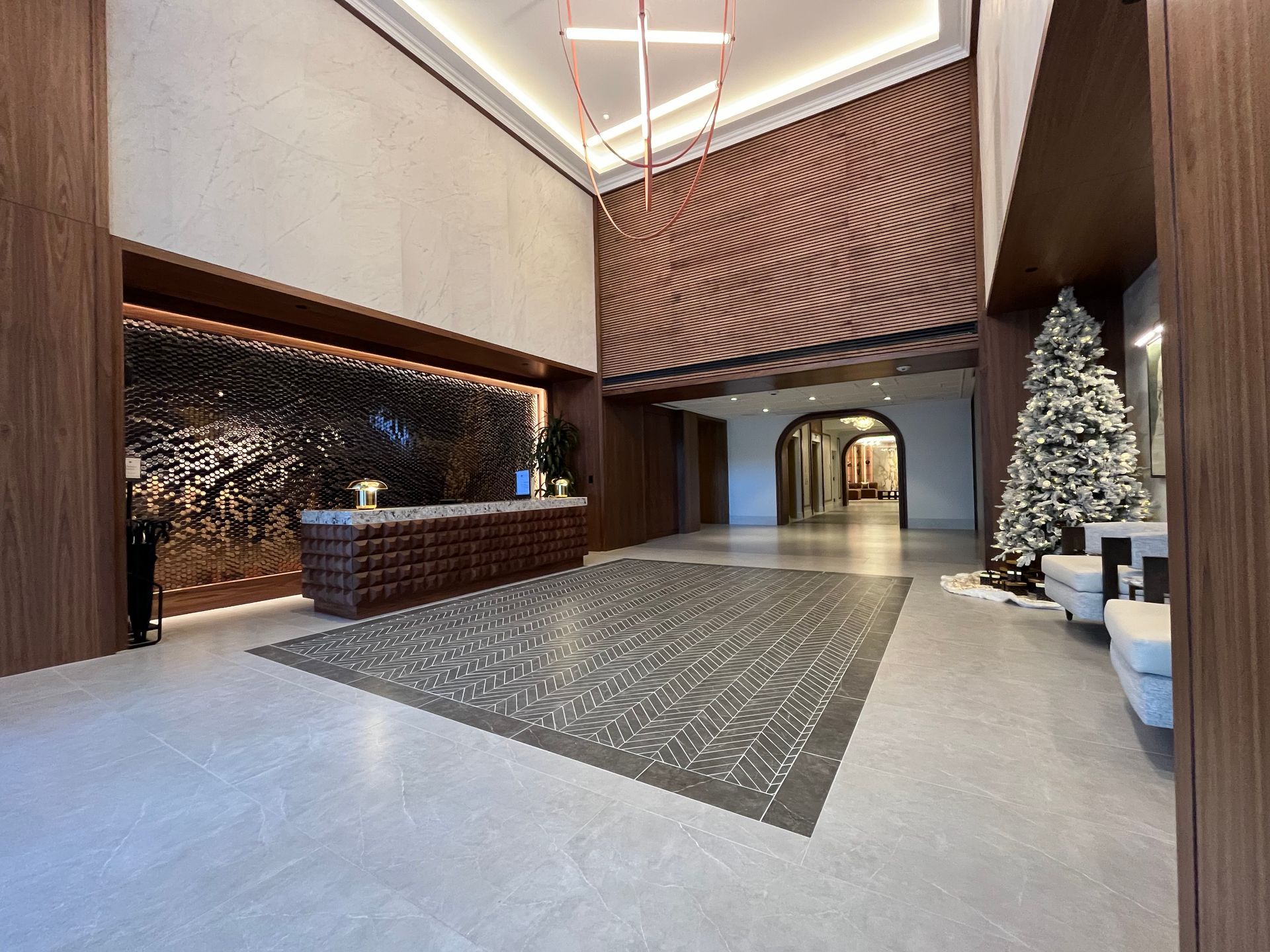
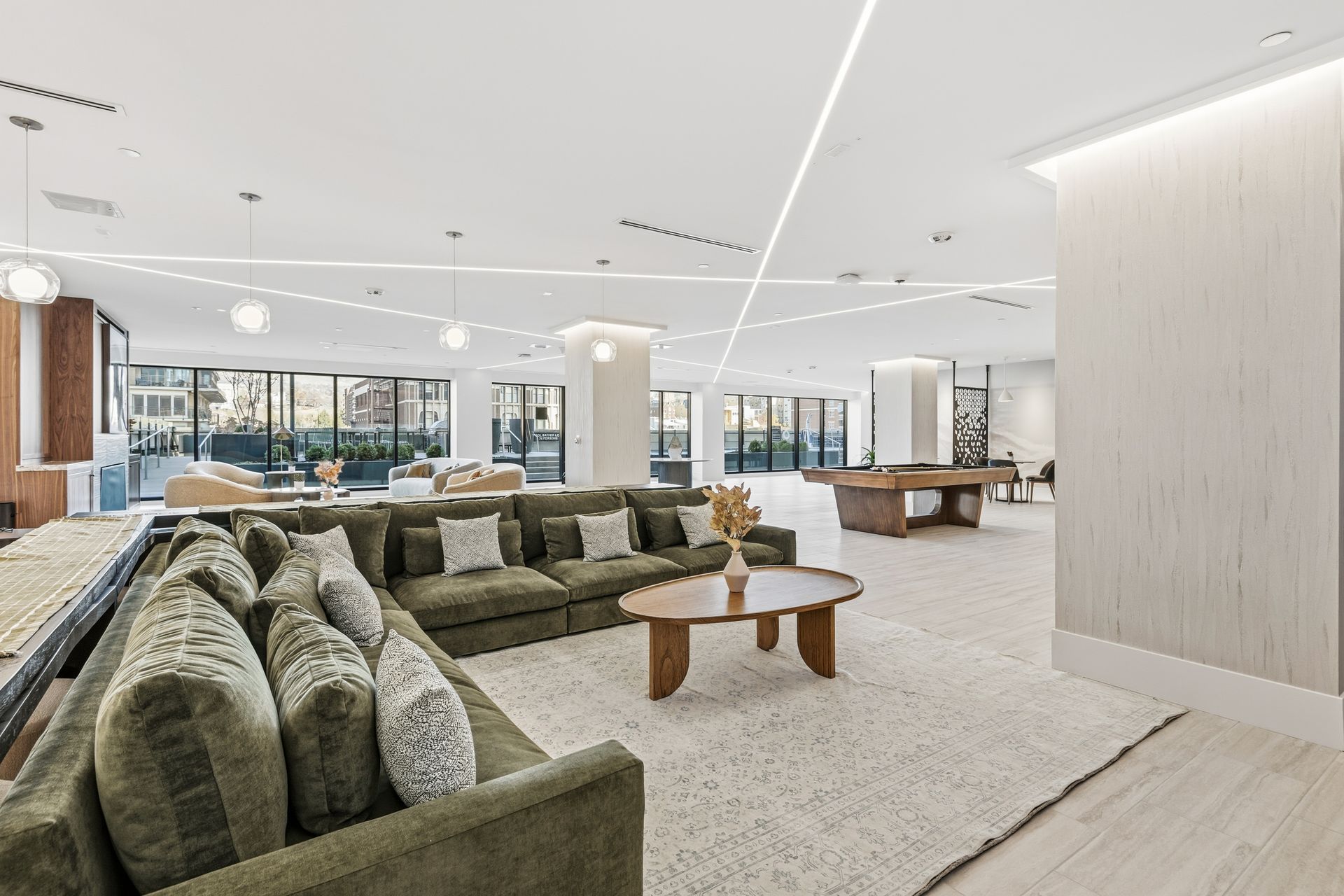
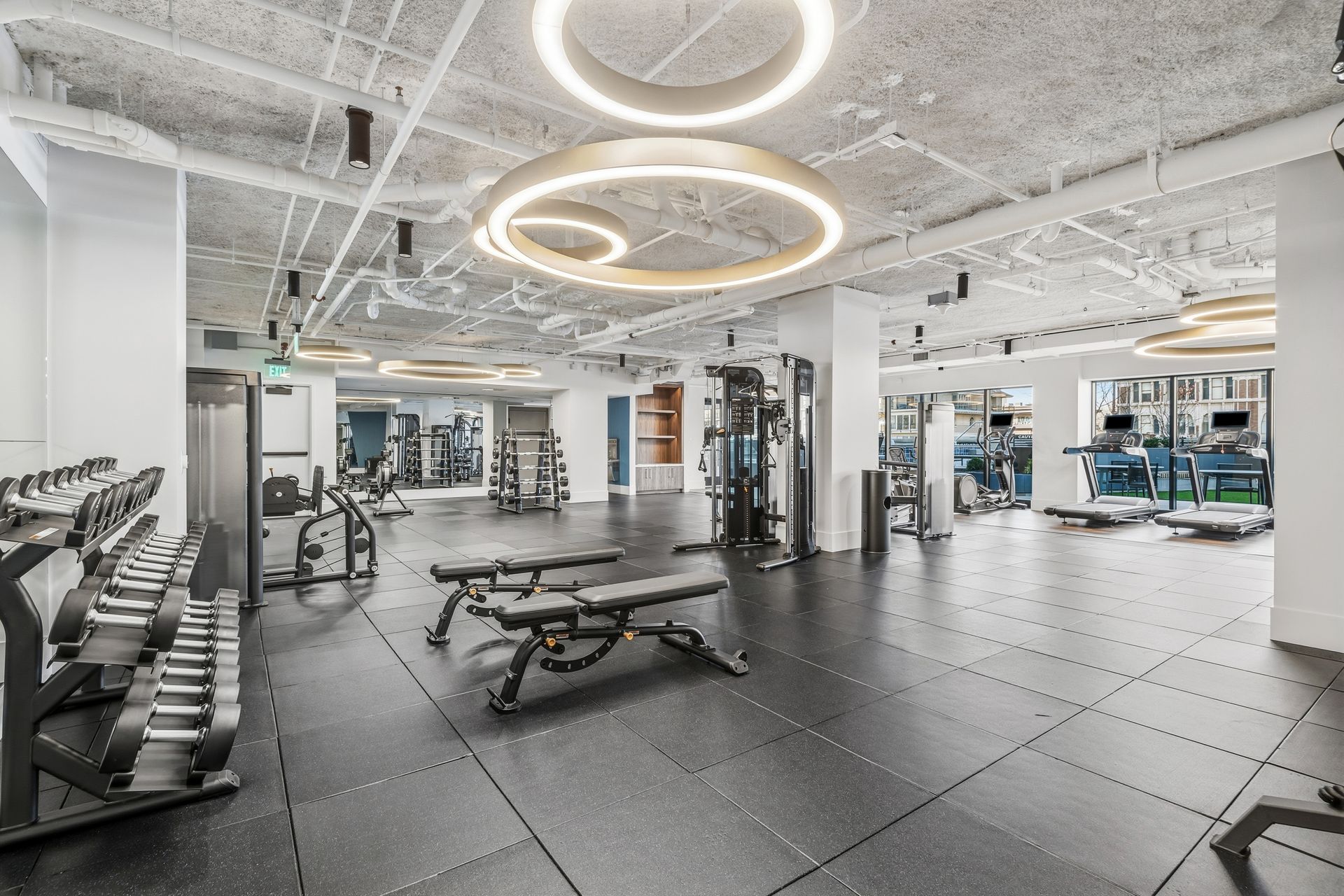
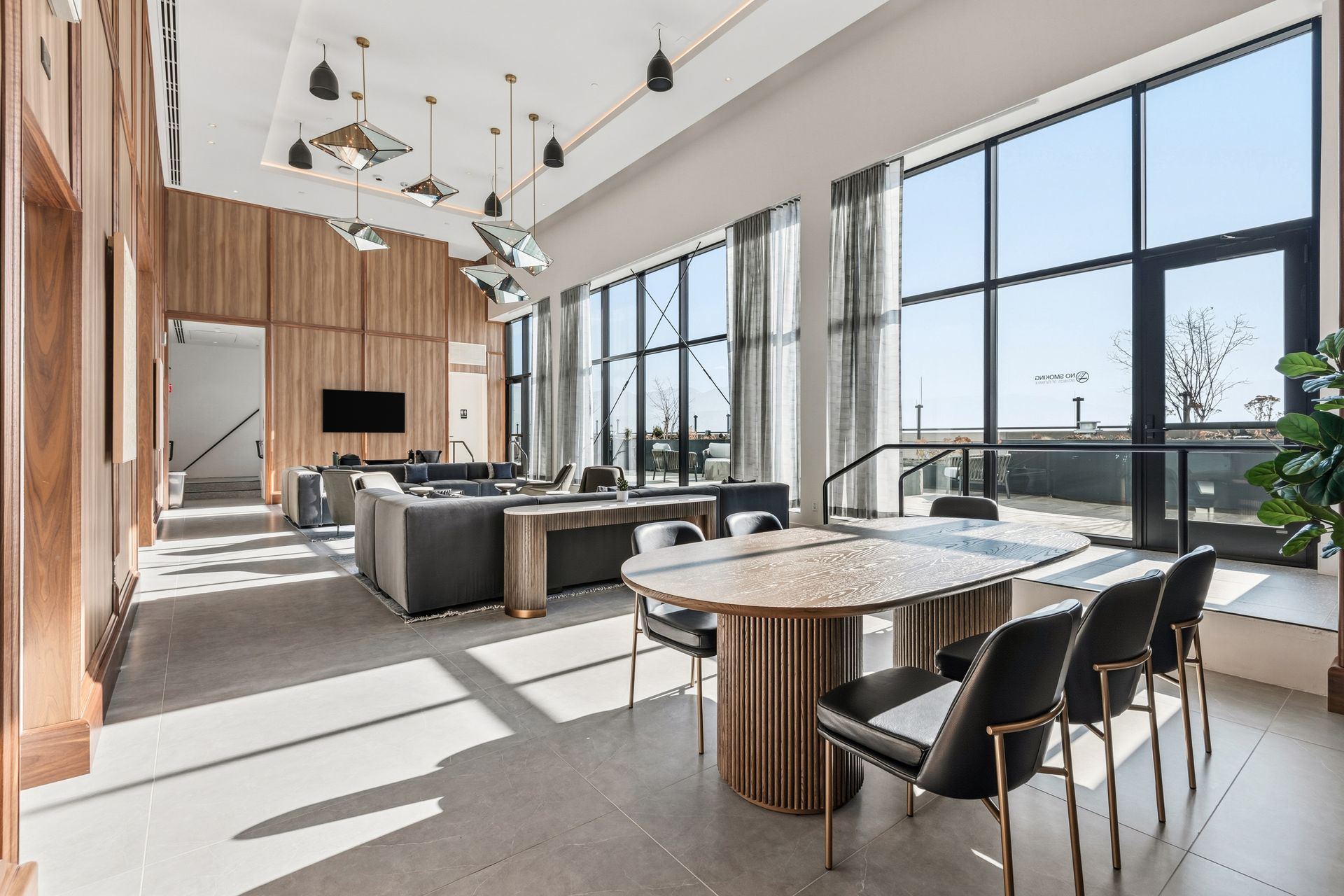
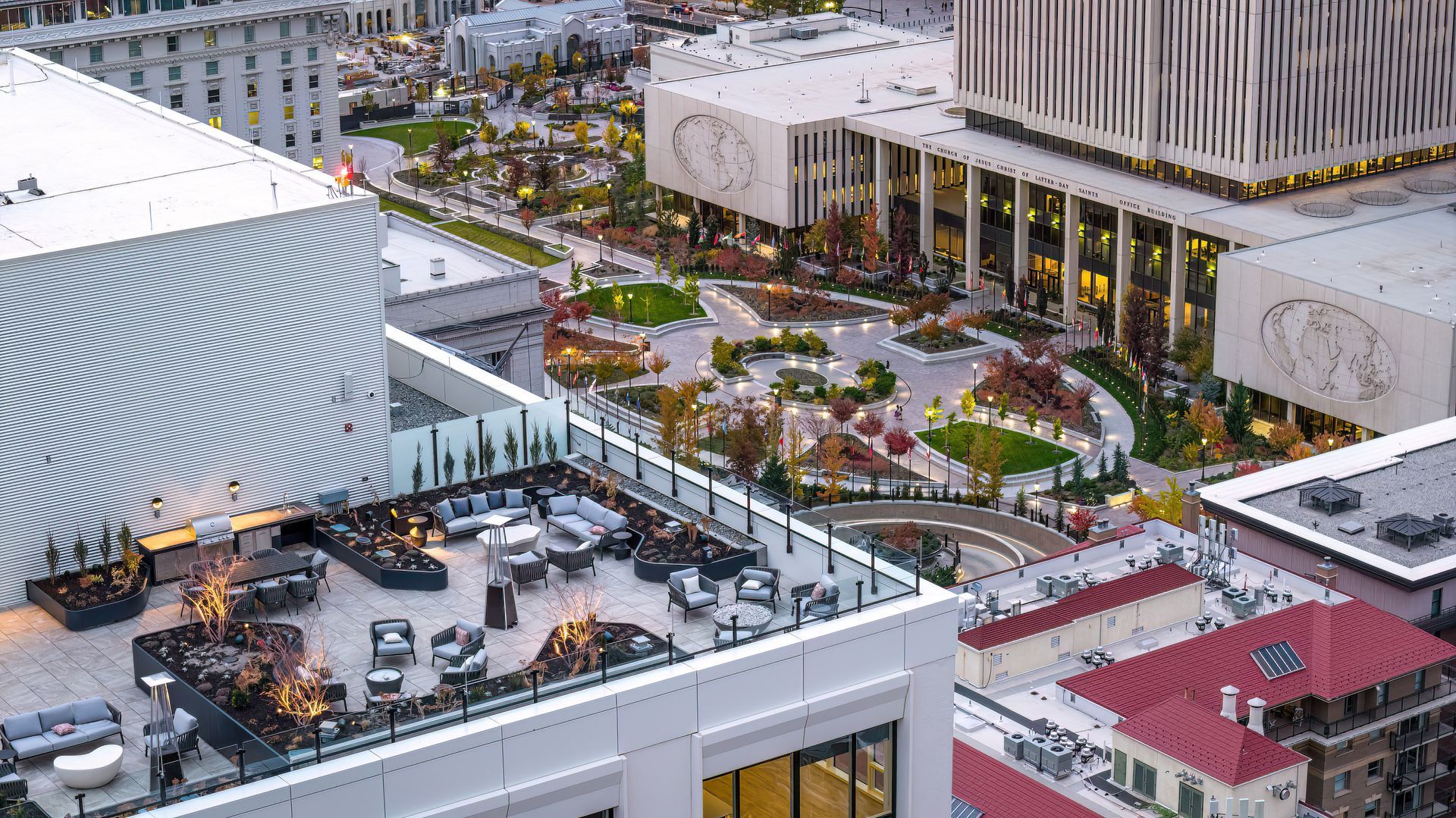
Exchanging old for new is a welcome change for residents of the Seraph’s 217 units, which range from studio to three-bedroom layouts. The top floor of the parking garage is now a resort-style pool and hot tub, fitness center, club room, co-working spaces, and a pet spa. The 25th floor’s previous mechanical space is now a rooftop lounge and outdoor park, where residents can enjoy fire pits, grills, and views in every direction. Each unit across the building’s 18 residential floors capitalizes on the original structural design, where daylight now shines on newly installed finishes and efficient layouts.
Marcum said that a Whole Building Life Cycle Assessment conducted early in the design process confirmed what adaptively reusing this high-rise meant in sustainability terms beyond qualifying two points above LEED Gold:
-59% reduction in Global Warming Potential;
-53% reduction in both Acidification Potential and Smog Formation Potential;
-51% reduction in non-renewable energy use compared to new construction of equivalent size and program;
-28% of demolition and waste materials diverted and recycled;
-18% of the building’s “new” materials came from recycled content.
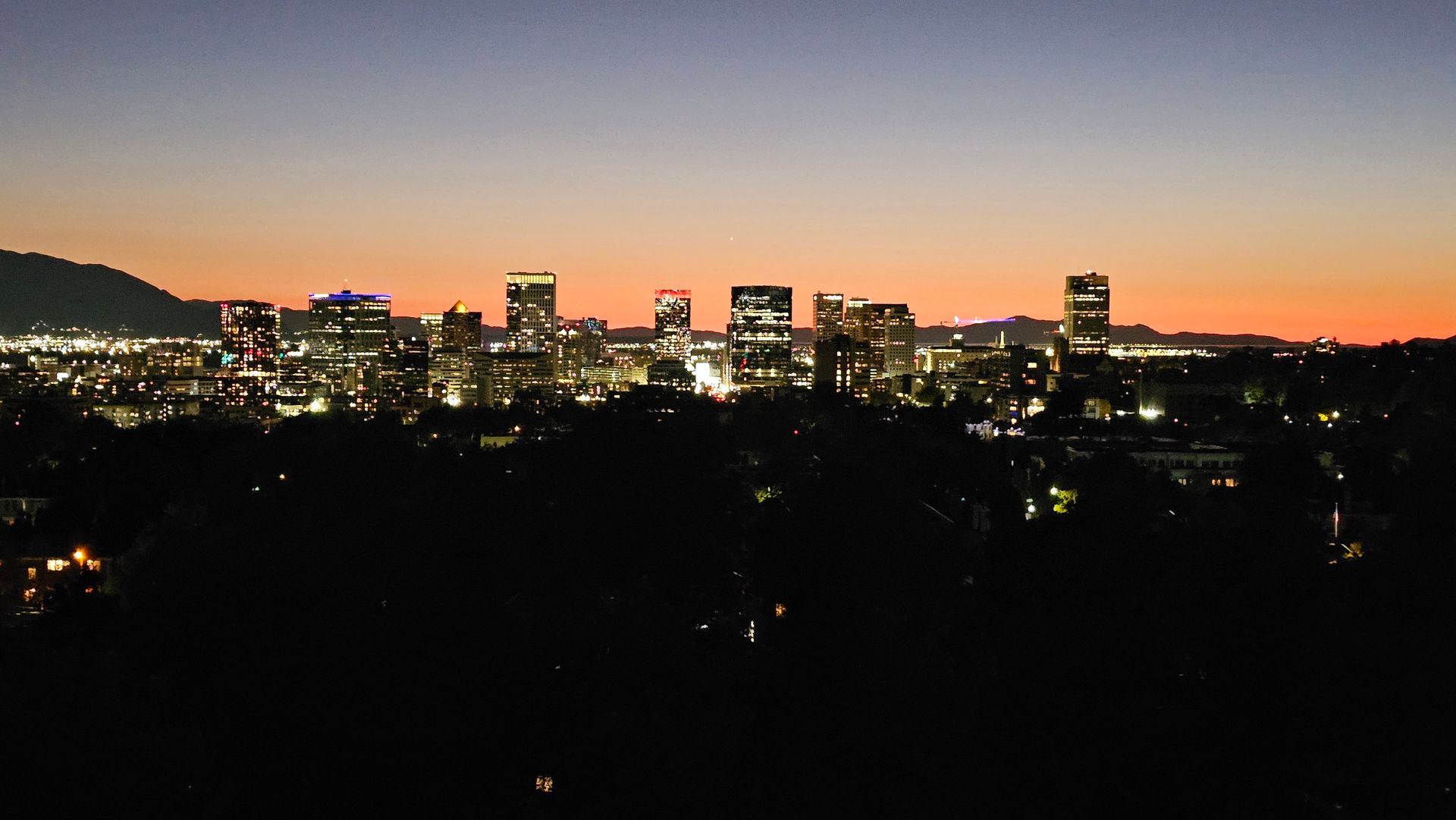
Seraph stands today as a regal testament to the power of adaptive reuse. Fittingly, crews installed an architectural band of natural copper panels with integrated lighting into the building crown, an homage to the city’s copper heritage. The copper will oxidize over time for a green patina, an intentional detail for Seraph to restore its place in the skyline as an architecturally relevant tower, where adaptive reuse further extends the building’s legacy.
Advice for Adaptive Reuse
For those looking to achieve sustainability gold through adaptive reuse, all of those interviewed echoed a similar version to what Big-D Construction's Marcum said best: “Do your homework.”
“Get into the building with your trade partners. Walk every floor together,” said Marcum. "Because in projects like this, the drawings tell you what was built decades ago. They don't tell you what happened since.”
And what has happened since each of these structures began as offices in the 1960’s? Dedicated project teams held steady to a sustainable construction ethos to give each building a new life that collectively strengthens Salt Lake City.