








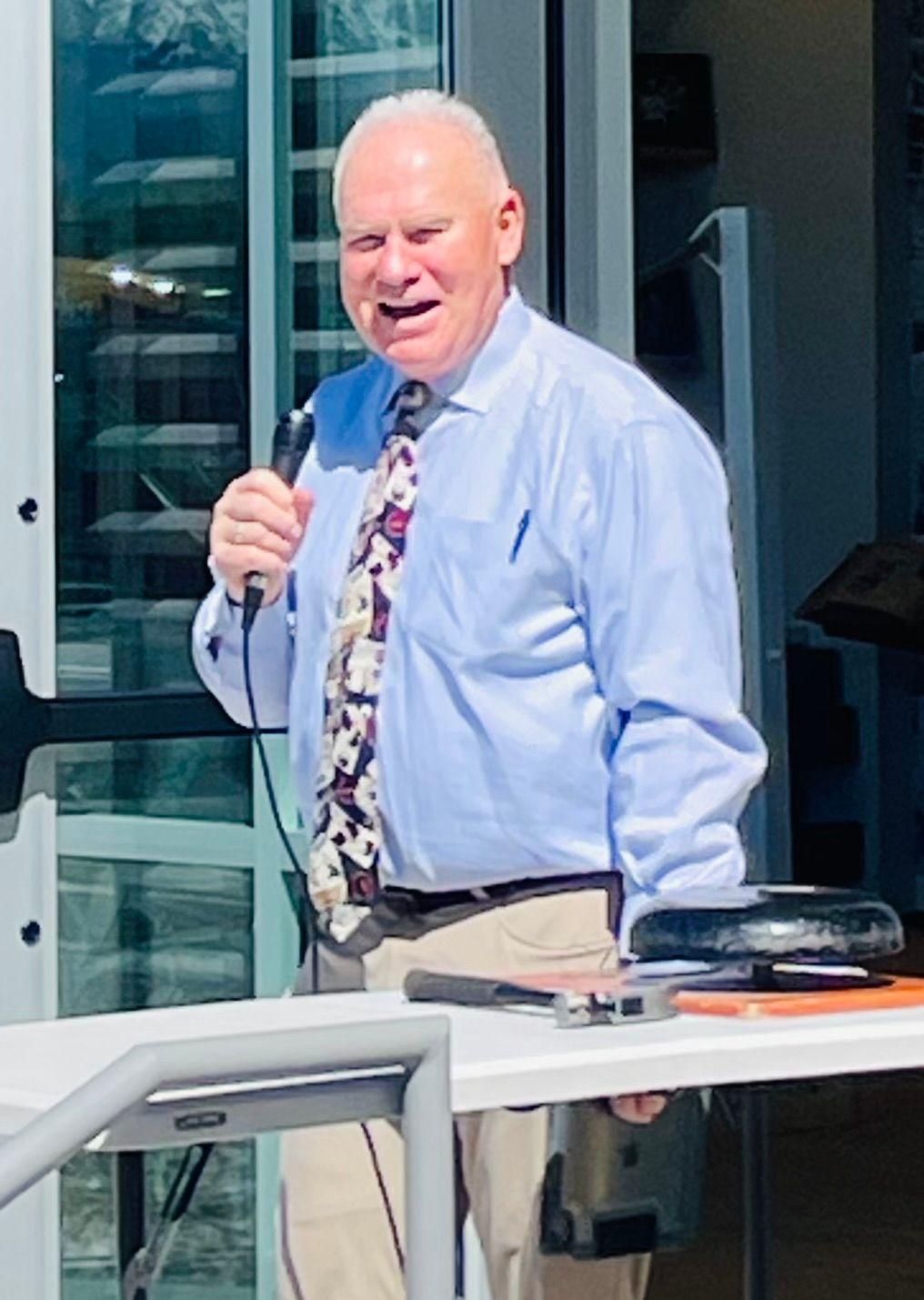
Larry Fullmer
It's A Knockout
The new $7 million Fullmer Legacy Center in South Jordan is a dynamic and permanent home for the long-time boxing gym founded by brothers Gene, Jay, and Don Fullmer. By Brad Fullmer
On January 2, 1957, Gene Fullmer, a scrappy, underdog fighter from West Jordan stunned the boxing world with a 15-round unanimous decision over the legendary Sugar Ray Robinson at New York’s fabled Madison Square Garden. Fullmer captured the world middleweight championship and established himself as one of the best pound-for-pound boxers during the late 50s and early 60s.
Since then, the Fullmer name has been synonymous with boxing in Utah, with brothers Gene, Jay, and Don establishing the Fullmer Brothers Boxing Gym in 1978, and offering free boxing instruction and life mentoring to thousands of youths—carrying on a tradition they learned from their trainer, Marv Jenson.
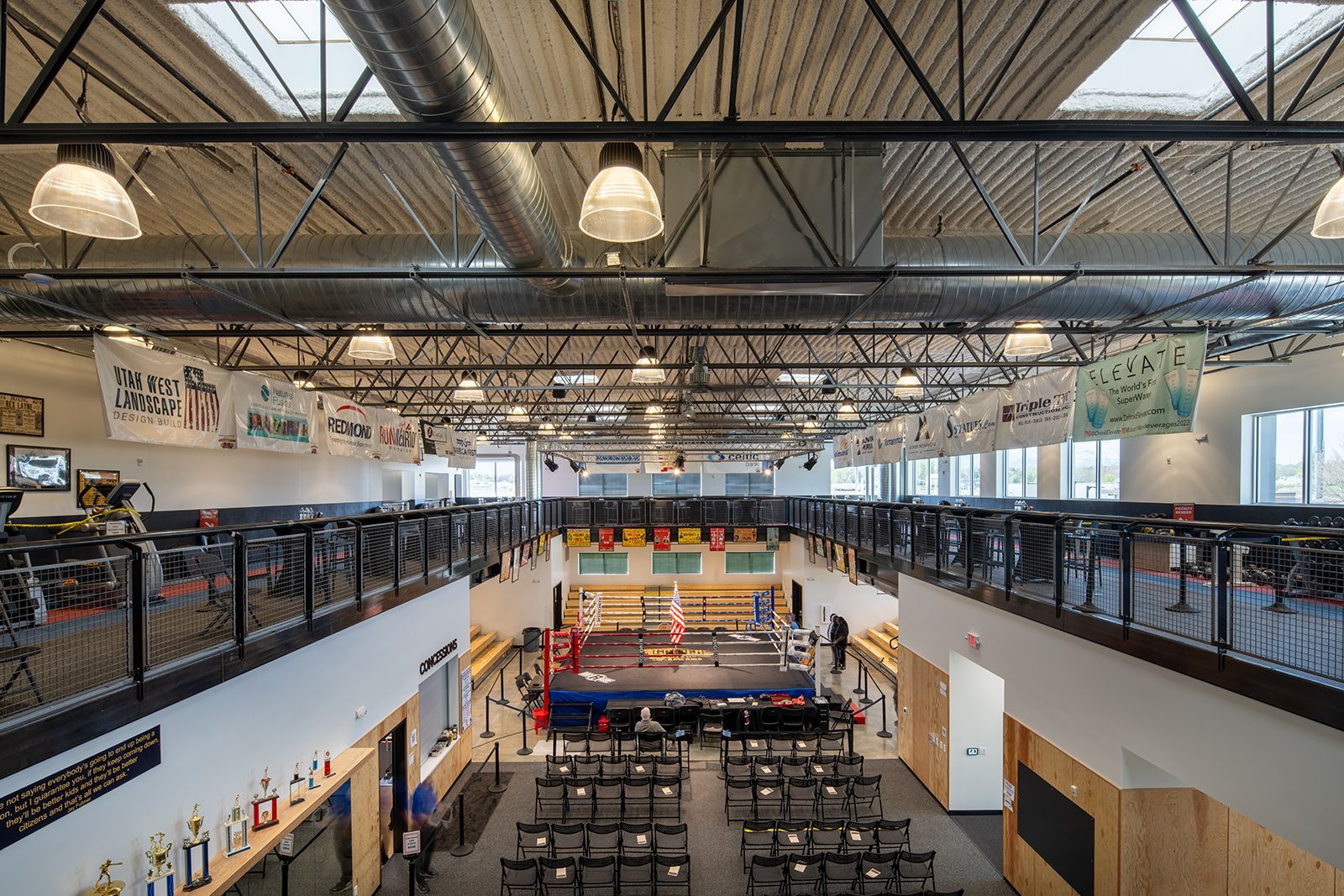
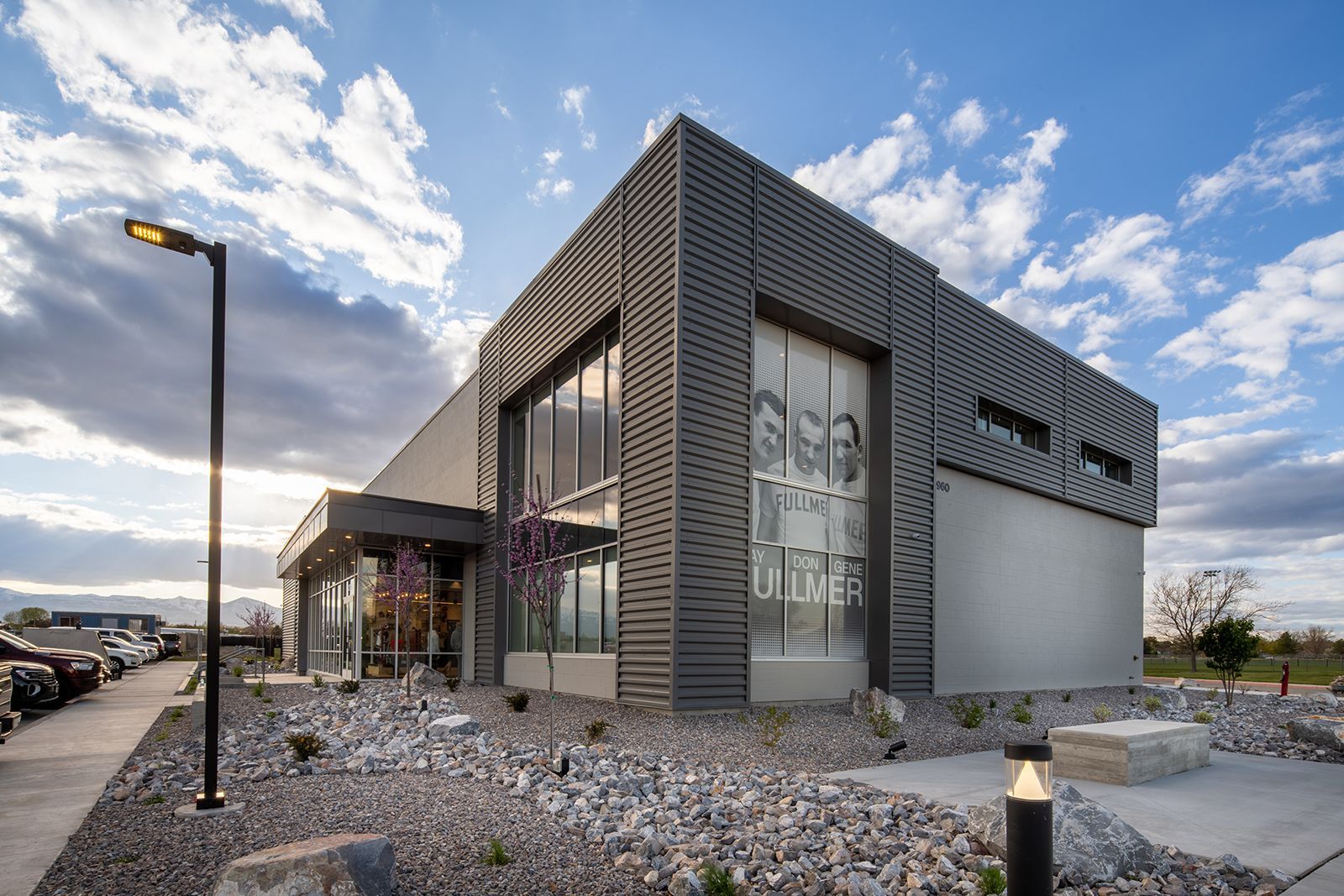
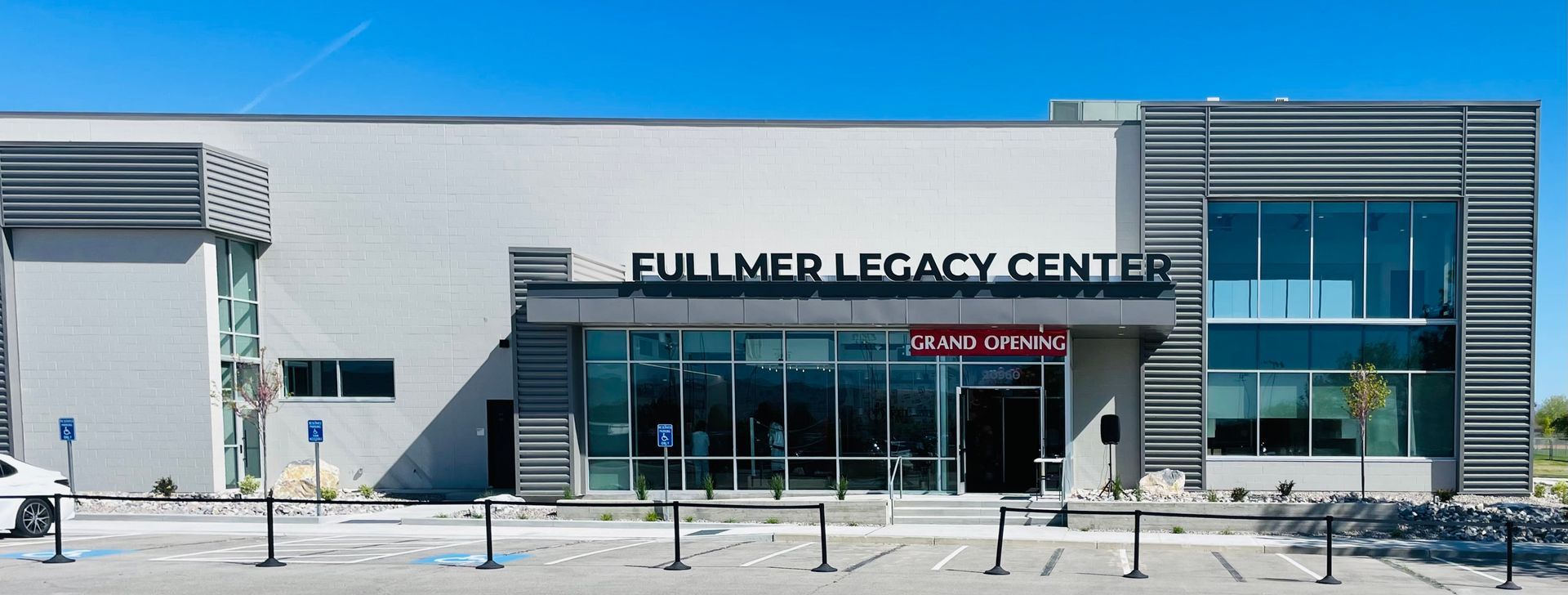
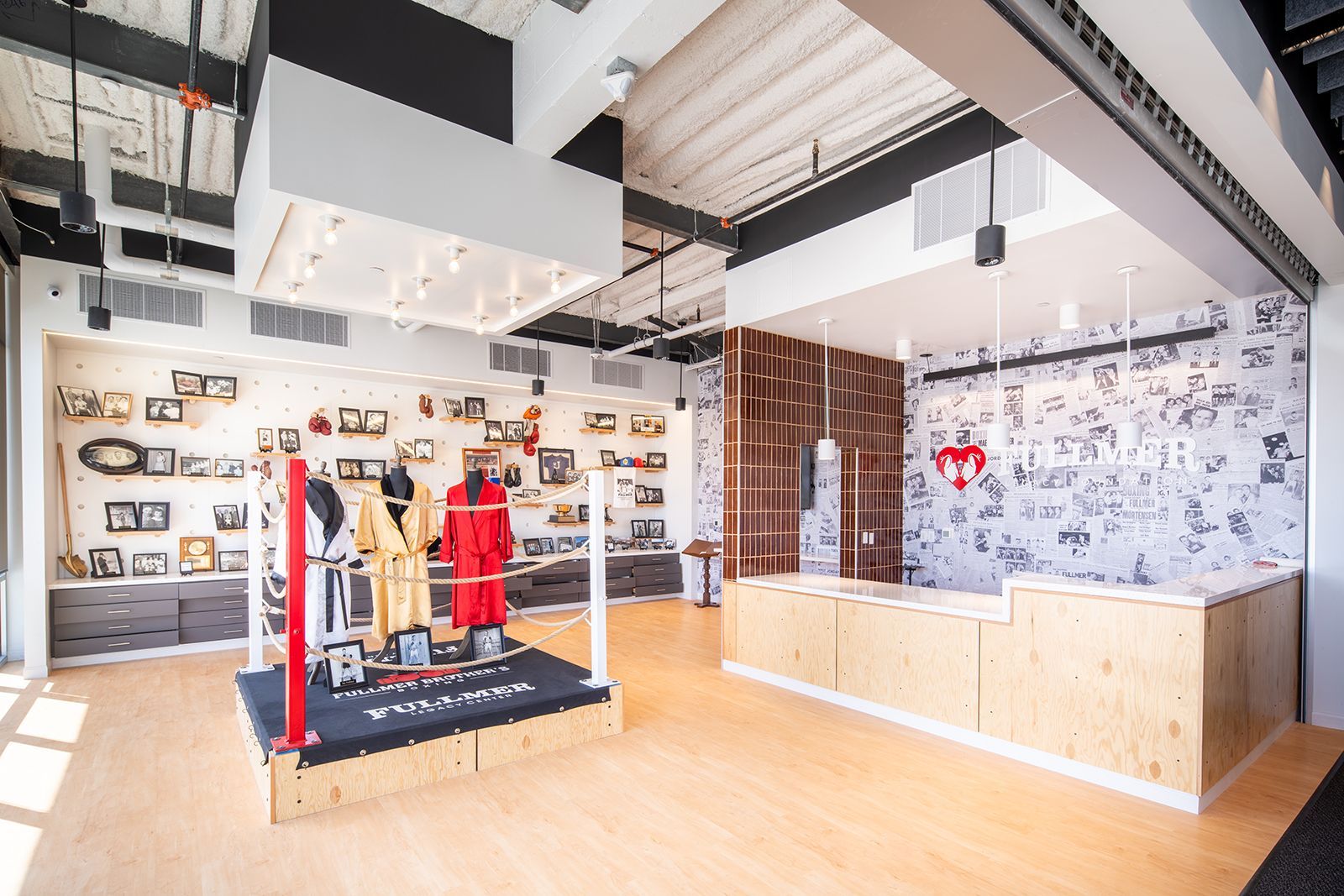
Their legacy of community giving will live on in the new Fullmer Legacy Center in South Jordan, a 16,500-SF facility that will serve as a permanent home to the boxing gym—after years of bouncing around to various temporary facilities—along with a museum, snack bar, and gift shop.
“The Fullmers are the first family of boxing in the state of Utah—that’s well understood,” said Dave Butterfield, a founding board member of the Fullmer Legacy Foundation. Butterfield served as Chairman of the Board from June 2016 to early 2025 and was influential in helping raise money—nearly $6 million via donations to date, which includes $2 million from the Utah Legislature.
Project Driven by Vision to Find a Permanent Home for Fullmer Brothers Gym
It was Jay Fullmer who led the charge to teach boxing in the community. By 1978, the Fullmer Brothers Boxing Gym had formally opened at the Butterfield farm chicken coop in South Jordan, recalled Larry Fullmer, Don’s oldest son and the man who spearheaded the efforts for the Fullmer Legacy Center.
From there, Larry said the facility moved to Riverton Elementary, an old church house in West Jordan, a sugar factory, a former fire station, and the Salt Lake County Equestrian Park in South Jordan, where it had resided since 2011. When they got word that Salt Lake County planned to transfer ownership of the park to Utah State University, Fullmer knew they needed to find a long-term home for the boxing gym.
Fullmer met with Butterfield and Robert Behunin—who at the time was a Vice President with Utah State University—in 2016 and told them he just wanted a “tin shed of our own” for boxing. Behunin countered by saying, “If you want people to donate money, you need something better than a tin shed!” They quickly formed the Fullmer Legacy Foundation (FLF), and by 2018, the wheels were in motion on a building.
Doc Murdock, a long-time trainer at the gym, connected Larry with his former roommate at Brigham Young University, Vern Latham, who is a Principal at Salt Lake-based VCBO Architecture. VCBO offered pro-bono services initially while helping FLF put together an RFP, while North Salt-based Gramoll Construction provided value engineering and other services in an effort to get the project launched.
Larry expressed sheer gratitude for the contributions of both firms in helping make the project a reality, especially for many generous donations from various foundations and individuals.
“[VCBO] believed in us early on and did our first phase of planning at no charge—they have been amazing and so professional to work with,” said Larry. “Gramoll helped us get the budget done as tight as it could be. This project had the absolute tightest budget. We met weekly with architects and the general contractor to see the progress—I’ve never seen such an amazing process. Construction started in November ’23, and every time I would come to the jobsite in the first six months, I’d get emotional.”
“We leaned on our relationships with contractors for flooring, ceiling, tiles, donated furniture and got deep discounts and a lot of in-kind donations,” said Phil Haderlie, Principal-in-Charge for VCBO. “To me, the story of this project is the grassroots effort of people seeing the value—this is something that came from their heart. It will have a long-lasting impact on the community.”
New Paragraph
Way More than Just a Boxing Gym
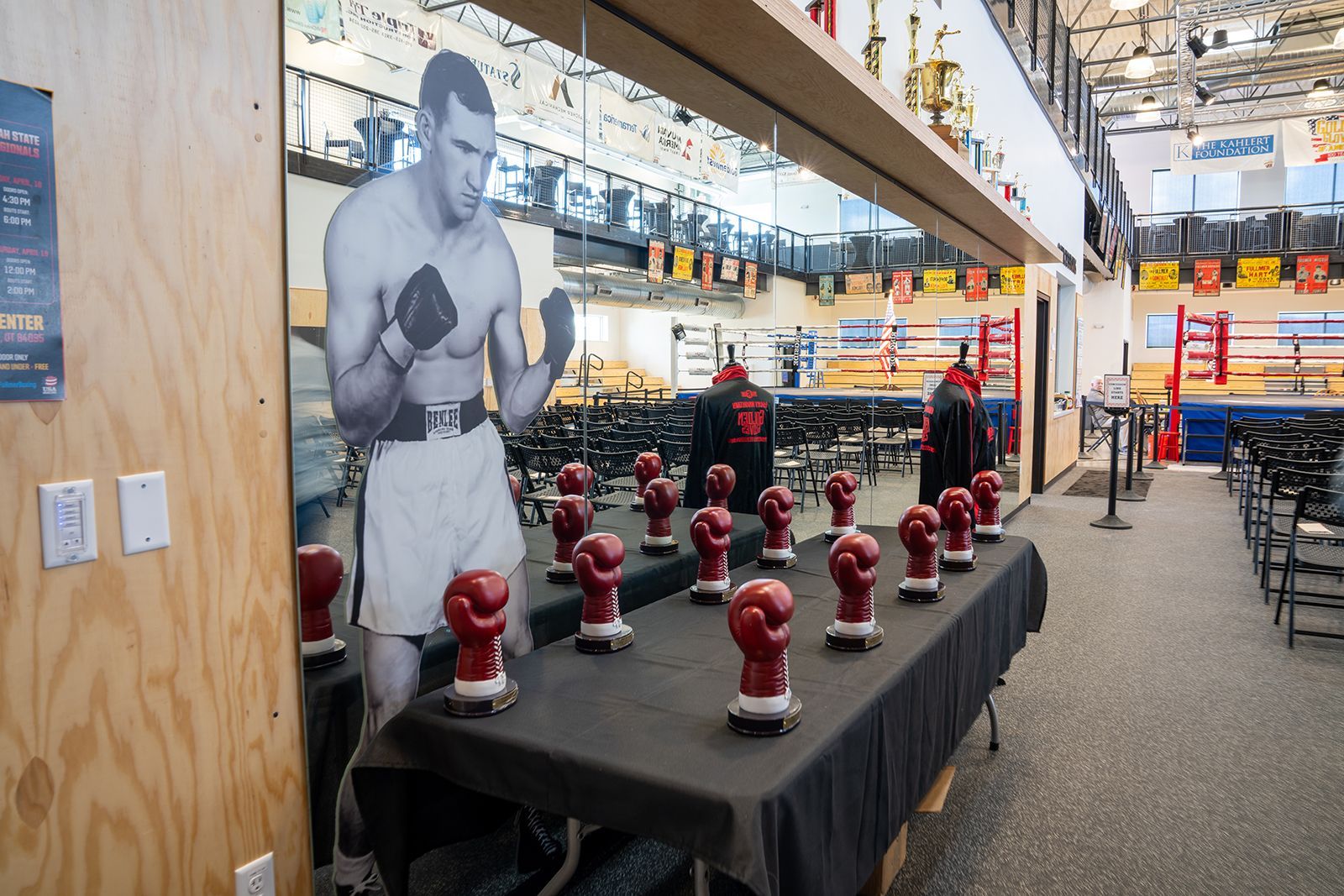
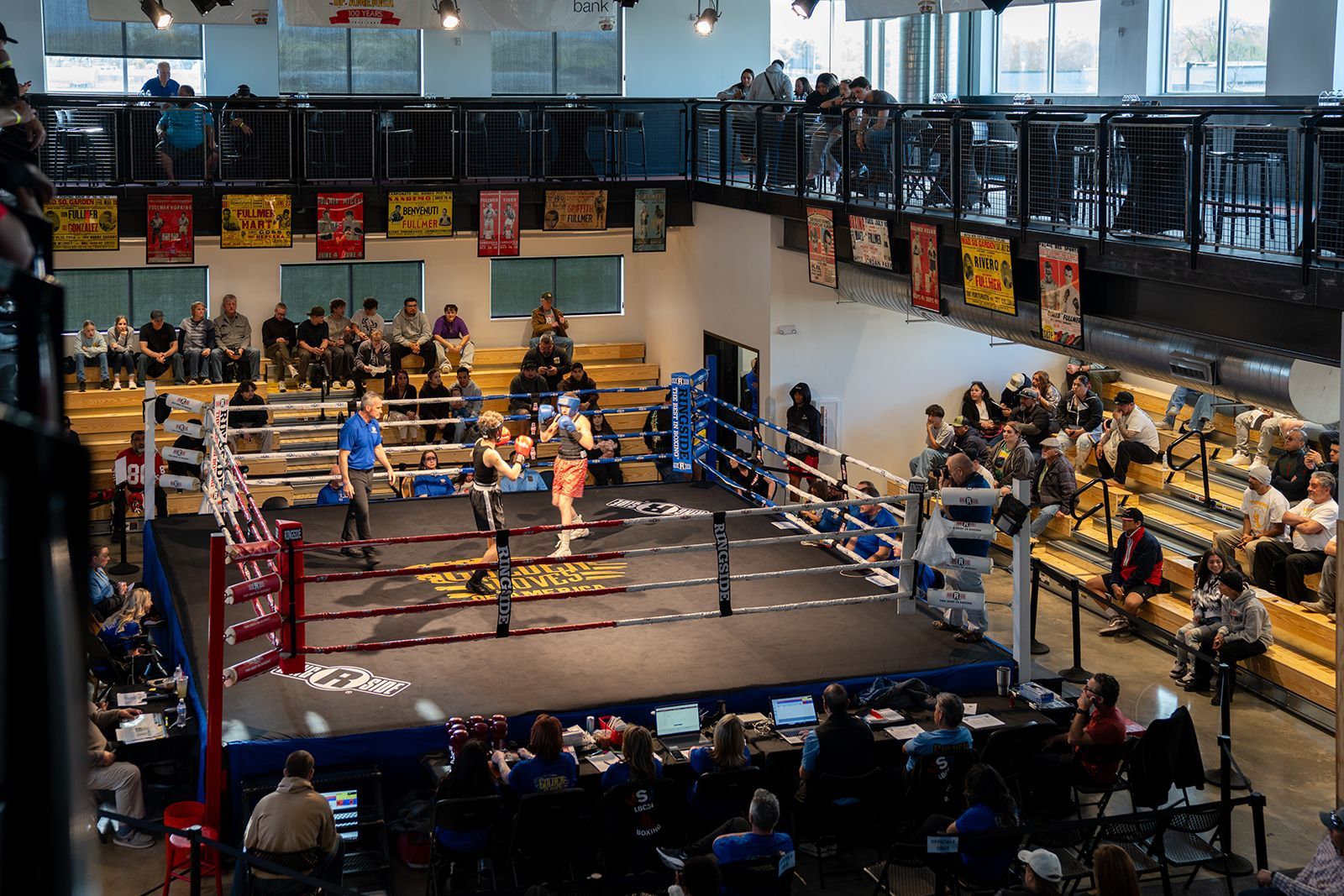
The 16,500-SF, two-level building packs a punch aesthetically and functionally on a 1.5-acre site within the South Jordan Sports Complex. It is light-years beyond anything Larry Fullmer could have envisioned when his desire for a new boxing gym took shape a decade ago.
“My brothers and I were born with the family name—we felt like we had to carry on the legacy,” said Larry, with the insistence that the gym welcome boxers, as it always has, free of charge. He relayed a story about a boxer named Milo, who rose up from a difficult environment and changed his life because of the Fullmer’s gym.
“He has his own boxing gym, a family, and a home,” said Fullmer. “That’s why we do it.”
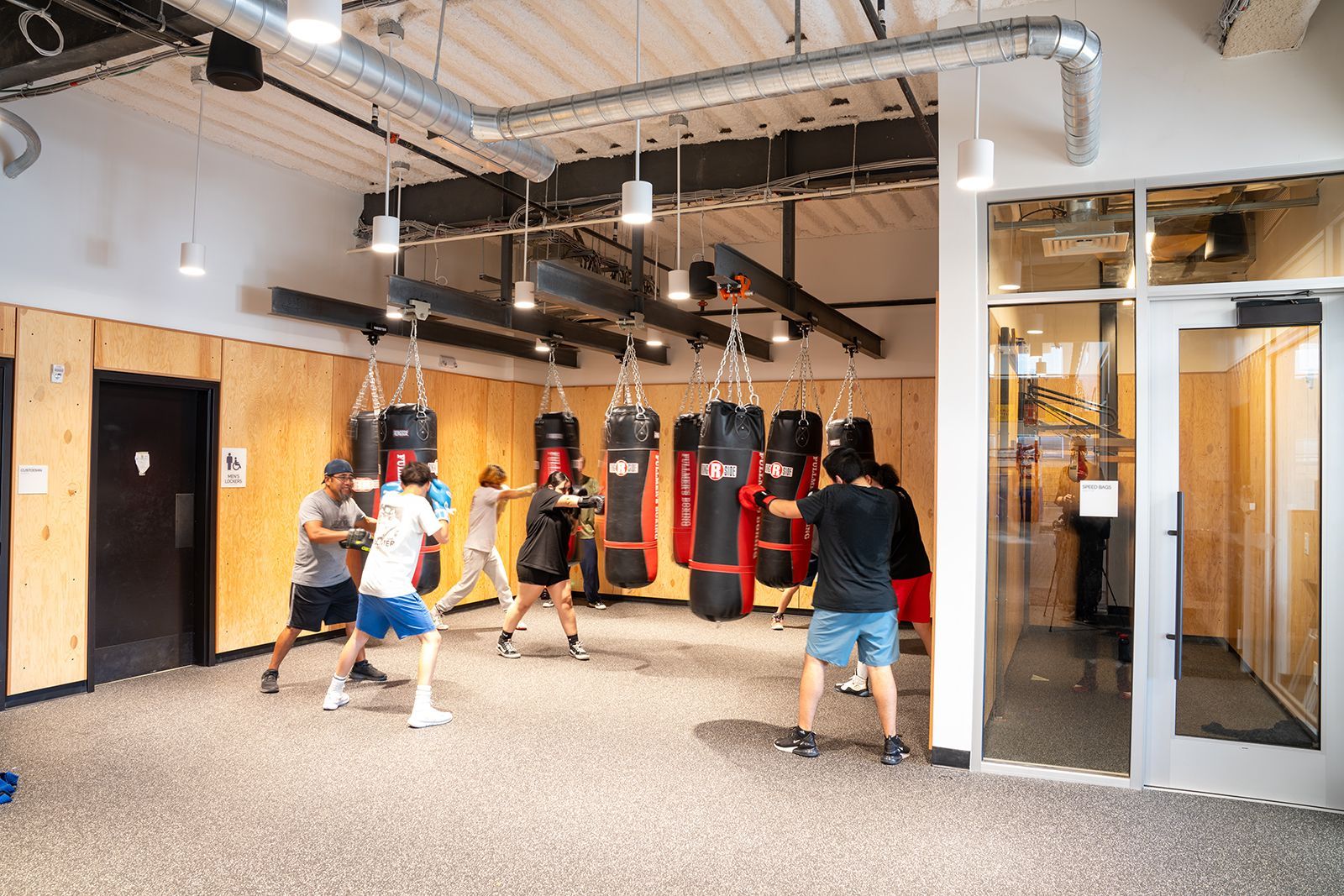
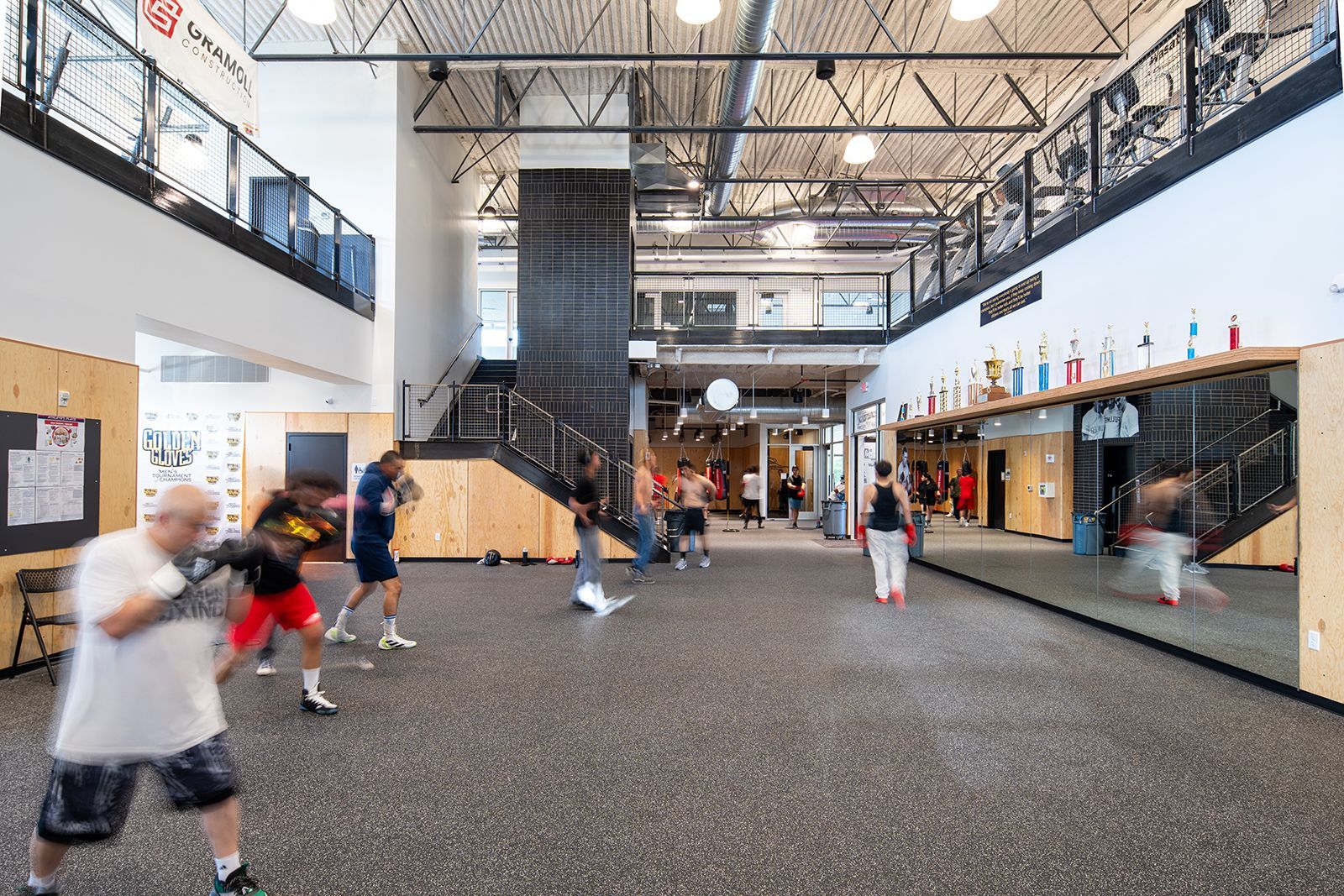
In addition to a state-of-the-art competition boxing ring and seating, the facility sports top-notch locker rooms and training equipment, including heavy bags, speed bags, weights, etc.
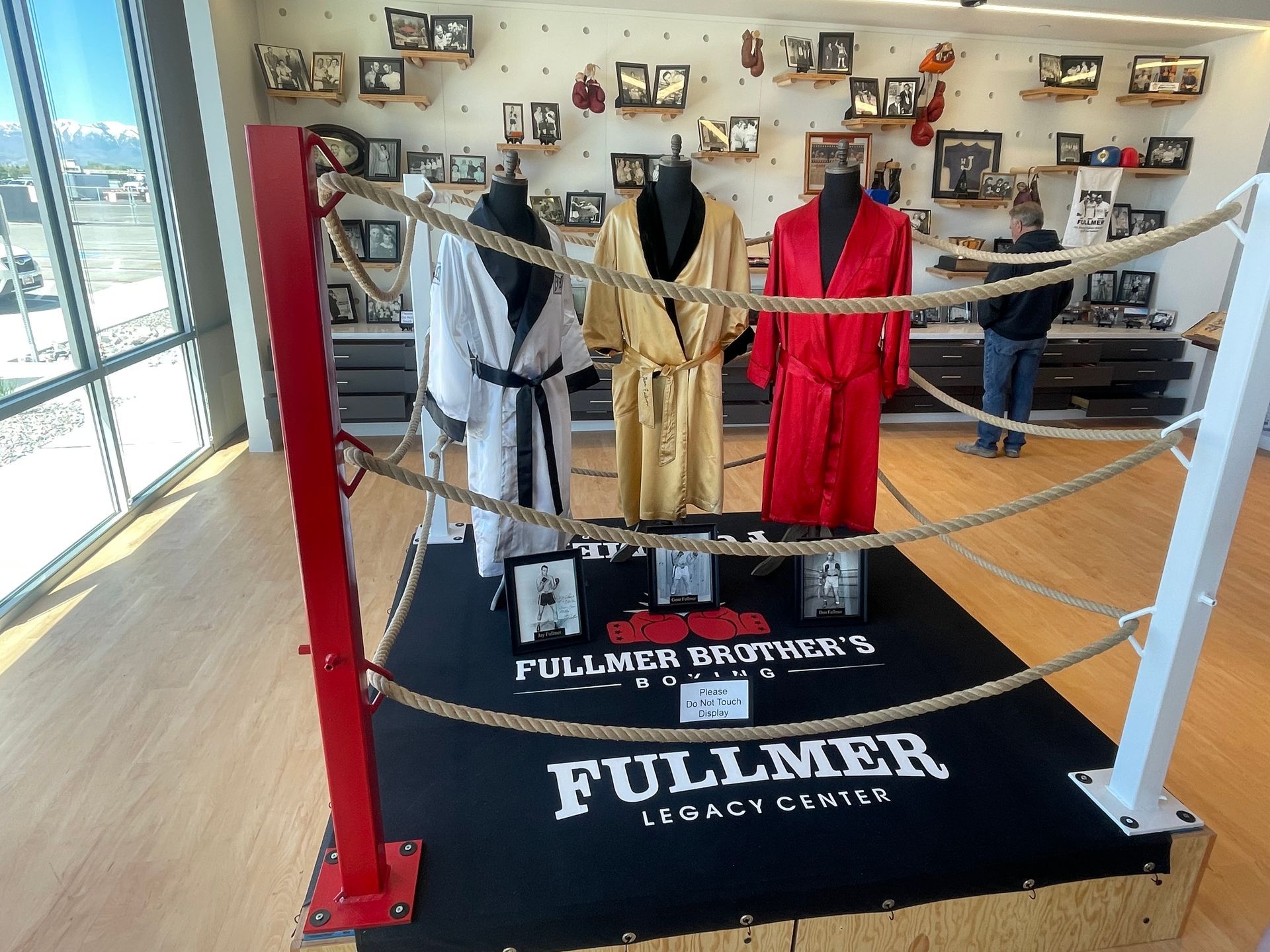
The Fullmer Hall of Fame Museum is a space for visitors to connect with the past via memorabilia, photos, and old newspaper clippings, with Larry’s brother, Brad, saying they found more than 900 articles related to the trio’s boxing exploits, many of them Gene’s.
Gene was the most prolific of the trio—a two-time world middleweight champ known for his brawling style, compiling an impressive 55-6-3 record with 24 knockouts. Jay was a promising welterweight (and later a respected boxing referee) with a 20-5-2 record, before being forced to retire due to an eye condition that could have compromised his eyesight. Don was a top 10 middleweight contender who won the first world junior light heavyweight title in 1967 and had a record of 54-20-5.
Ken Romney, Project Manager for Gramoll Construction, said his team looked for ways to maximize efficiencies and keep the budget in check throughout the project.
“When you’re working on a project funded with donated money, you try and make it economical at every level, while not sacrificing quality,” said Romney, “I think we did a great job achieving that. It was a fun project to work on. I didn’t realize how big the Fullmer family is and how strong they are in this community.”
“It’s unique,” added Jim Gramoll, CEO of Gramoll Construction. “The Fullmers are such a Utah legacy. Having something here representing what those guys brought to the state is fantastic.”
At the ribbon cutting on May 2, Larry was overwhelmed at the turnout and shared how genuinely grateful he’s been for the vast number of people who contributed to the project’s success.
“This is a very special day for me and my family, and everyone who believed in the vision behind the Fullmer Legacy Center,” said Larry. “For a long time, we dreamed of having our own building that could carry forward the spirit of the Fullmer brothers. A place where young people could develop strength and confidence, where families could gather, where stories and heritage could be preserved, and the values of hard work, resilience, and character could be passed on.
“This center is a tribute to three brothers—Uncle Gene, Uncle Jay, and my dad, Don,” he continued. “Three men who were my idols, and who many people looked up to with respect, as they rose from humble beginnings and left an unforgettable mark on all of us to carry their legacy forward. Their story is one of grit, perseverance, and heart.”
Larry added that the brothers, “are likely looking down and saying, ‘Why are you doing this? It’s crazy!’ When you’re watching the kids working out, and they come up and say, ‘Thank you’, that’s all you need.”
Fullmer Legacy Center
Location: South Jordan
Start/Completion: February 2024/April 2025
Cost: $6.5 million
Delivery Method: CM/GC
Stories/Levels: 2
Square Footage: 16,500
Owner: Fullmer Legacy Foundation
Owner's Rep: Larry Fullmer
Design Team
Architect: VCBO Architecture
Civil Engineer: Meridian Engineering
Electrical Engineer: Envision Engineering
Mechanical Engineer: Resolut
Structural Engineer: BHB Structural
Interior Design: VCBO Architecture
Landscape Architect: ArcSitio
Construction Team
GC: Gramoll Construction
Concrete: Gold Stone Concrete Corp.
Plumbing: Archer Mechanical
HVAC: Archer Mechanical; Deseret Mechanical
Electrical: Wasatch Electric
Masonry: McQueen Masonry
Masonry Rebar: Boman & Kemp Manufacturing
Drywall: Tripple T Construction & Sons
Painting: Sanford’s Painting & Decorating
Tile/Stone: Westech Tile
Millwork: Legacy Mill & Cabinet
Flooring: CP Build
Roofing: Heritage Roofing
Glazing/Curtain Wall: Faus Glass
Waterproofing/Air Barrier: Western States Waterproofing
Steel Fabrication/Erection: Northwest Welding & Mechanical
Excavation: Wind River Excavation
Landscaping: Utah West Landscape
Bleachers: Norcon Industries Inc.
Concrete Floor Sealing: Drake Custom Coatings
Insulation/Spray Acoustical Foam: USI Superior
Fireproofing: H&H Fireproofing, Inc.
Doors: Bedier Construction
Skylights: Alder’s
Lockers: Architectural Building Supply
Wall & Corner Protection Supply: Wallprotex
Signage: Allotech
Roller Window Shades: Colton Inc.
SWPPP: Erosion Control Services
Asphalt Paving: Black Forest Paving
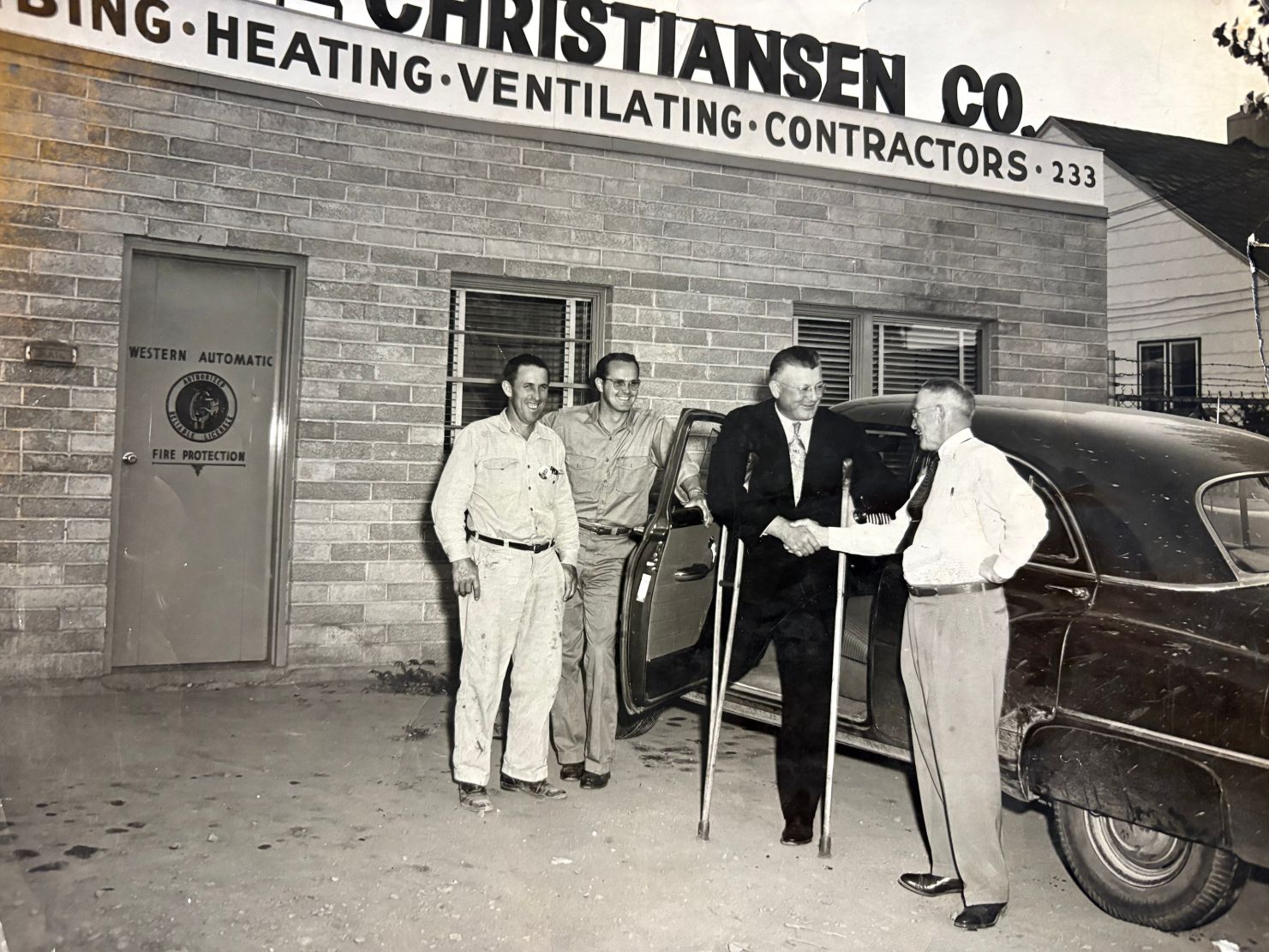
Palmer-Christiansen marks 80 years of mechanical excellence. By Bradley Fullmer
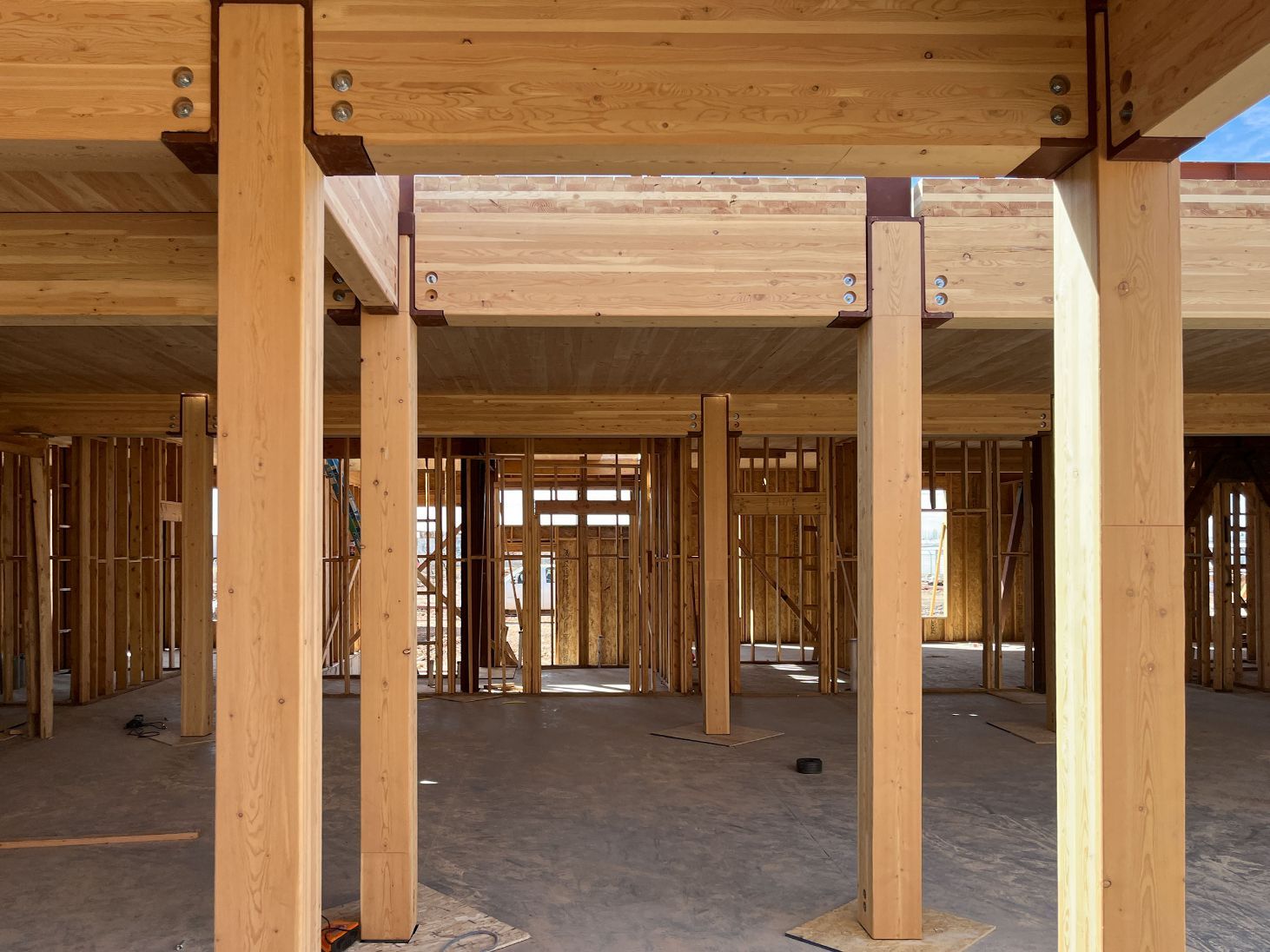
Well over a decade since mass timber began gracing Utah’s commercial projects, the question remains: what will it take for mass timber to become commonplace? By Taylor Larsen
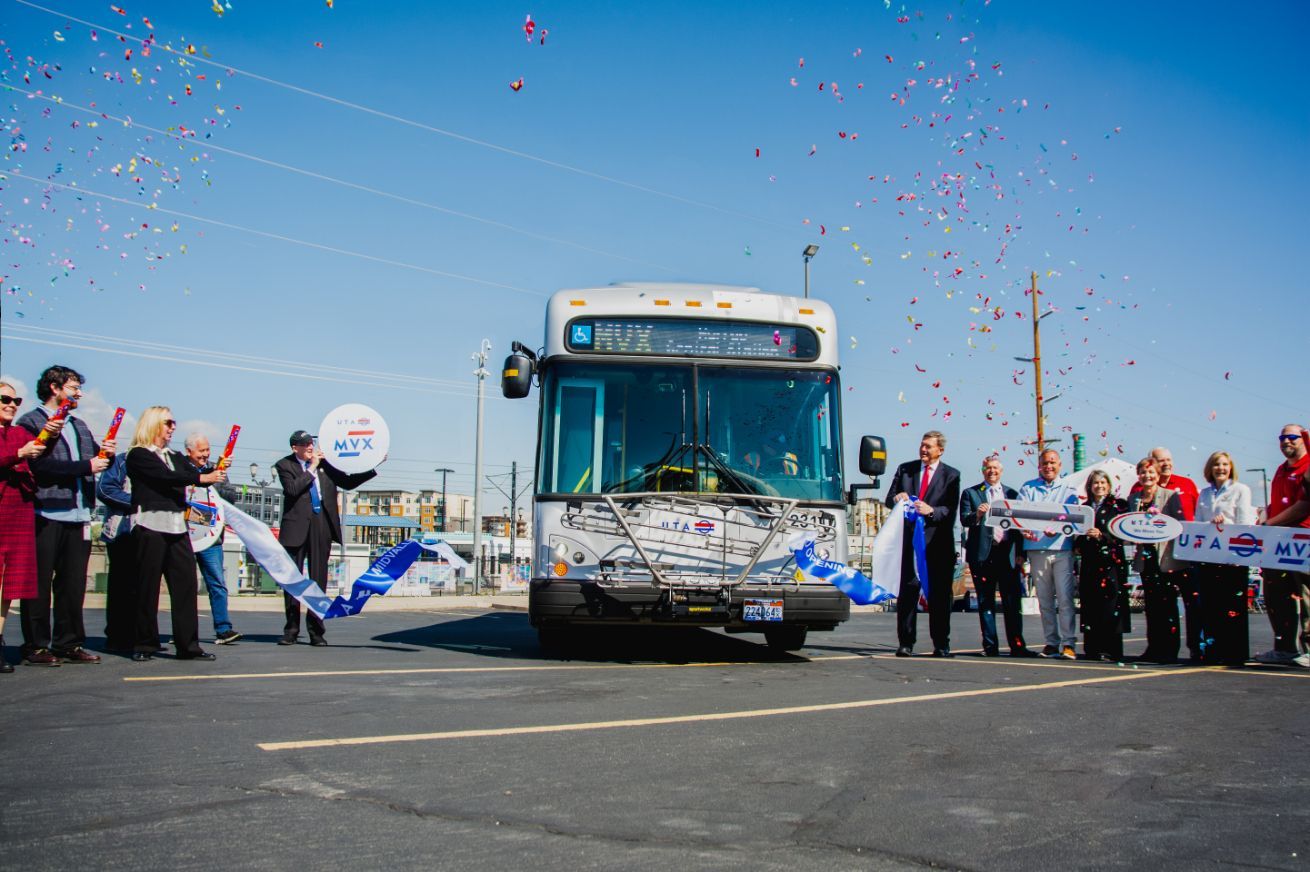
New Midvalley Express BRT line showcases the impressive collaboration required to deliver 25 stations and further connect the mid-valley to an expanding public transit network. By Taylor Larsen
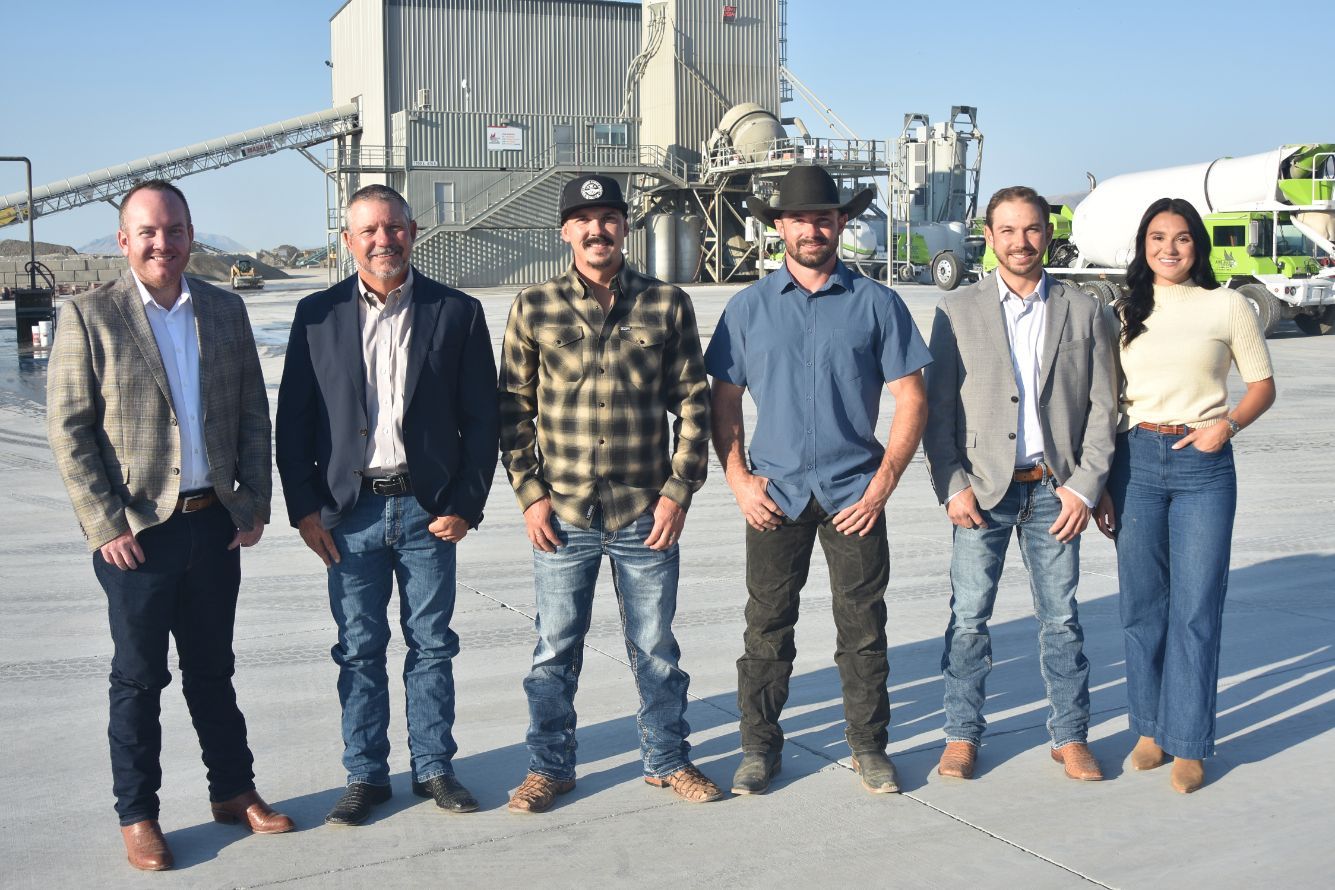
As American Eagle Ready Mix marks its 10th anniversary, founder Doug Clements' competitive nature and drive to succeed has the company well-positioned for future success. By Bradley Fullmer
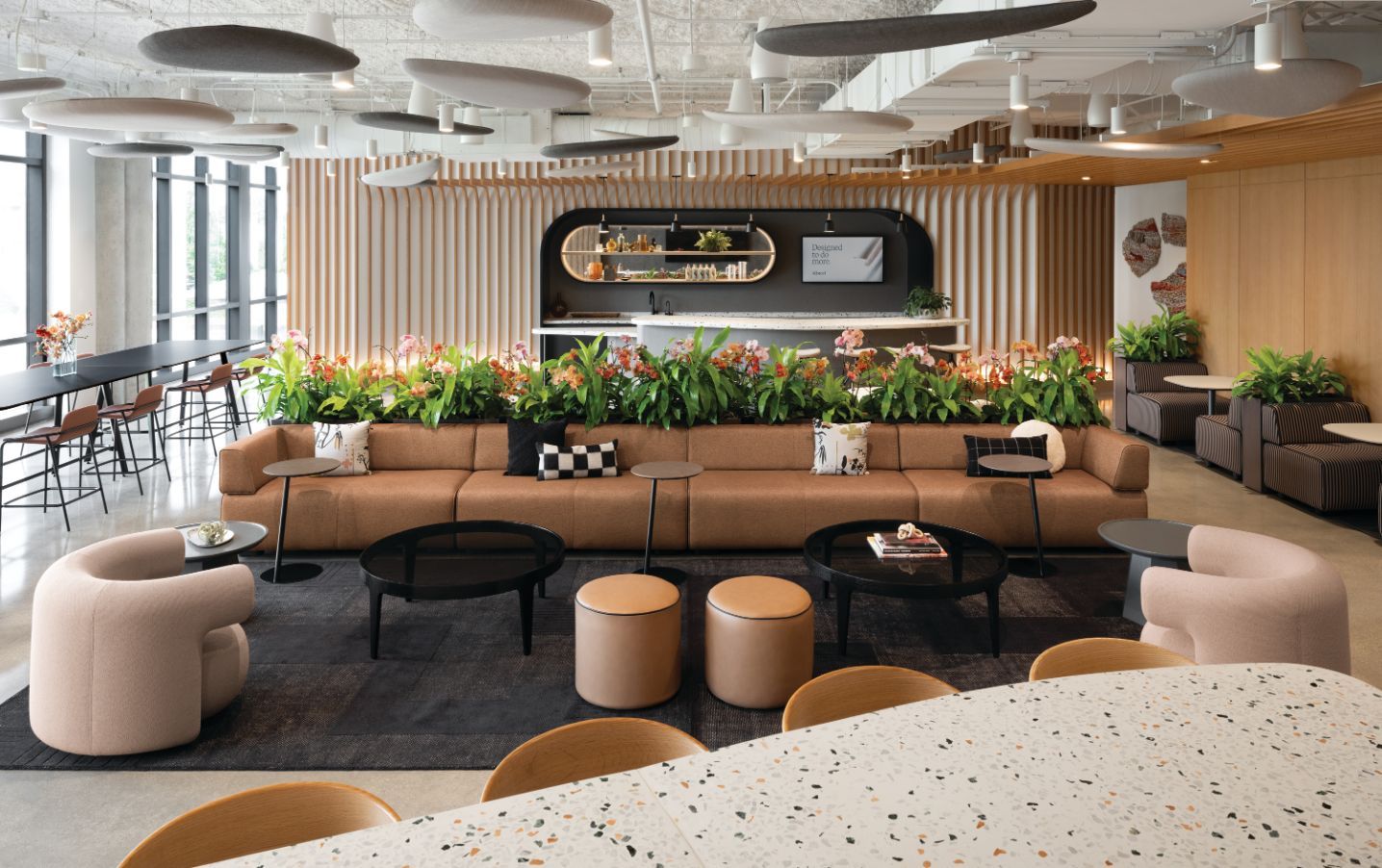
Commercial furniture dealers and manufacturers continue to adapt to ever-changing market conditions. By Milt Harrison
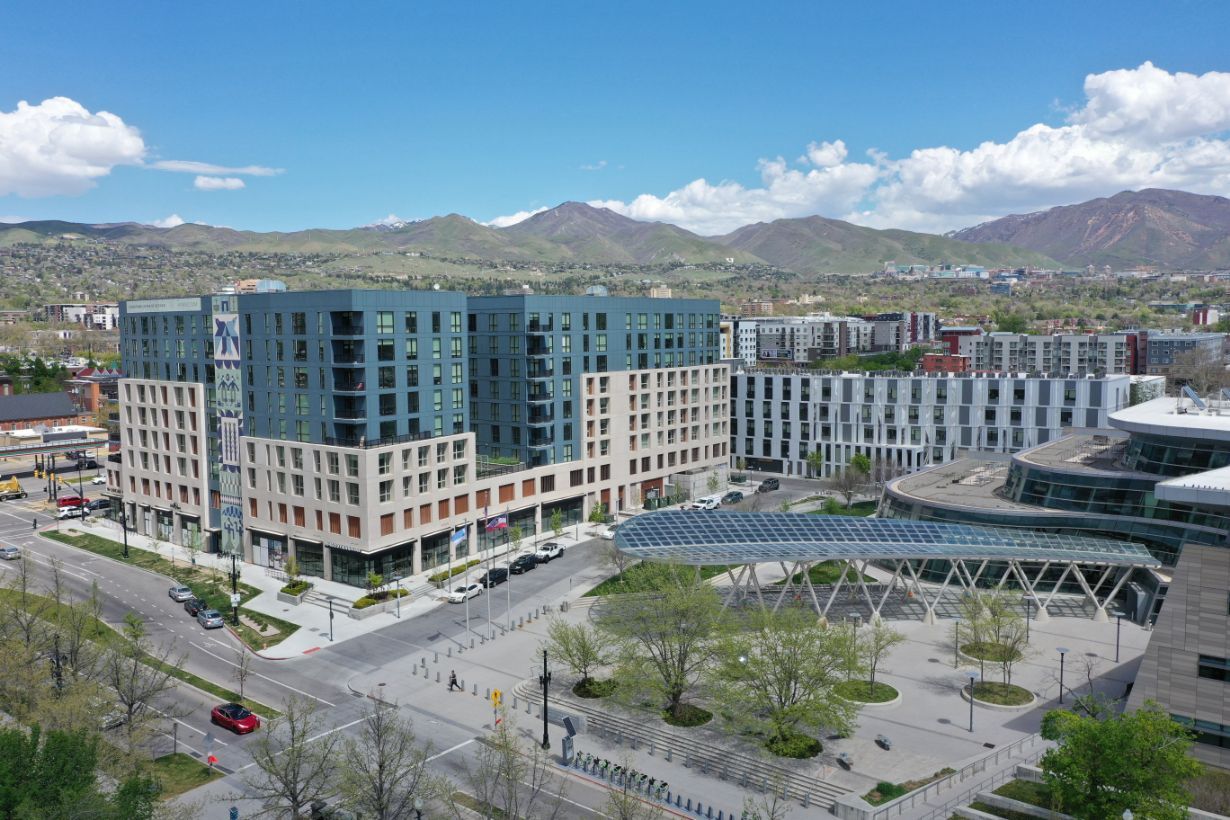
Wadman Corporation has been delivering great builds for 75 years, but company leadership are most proud of the people-building legacy created in the process. By Taylor Larsen
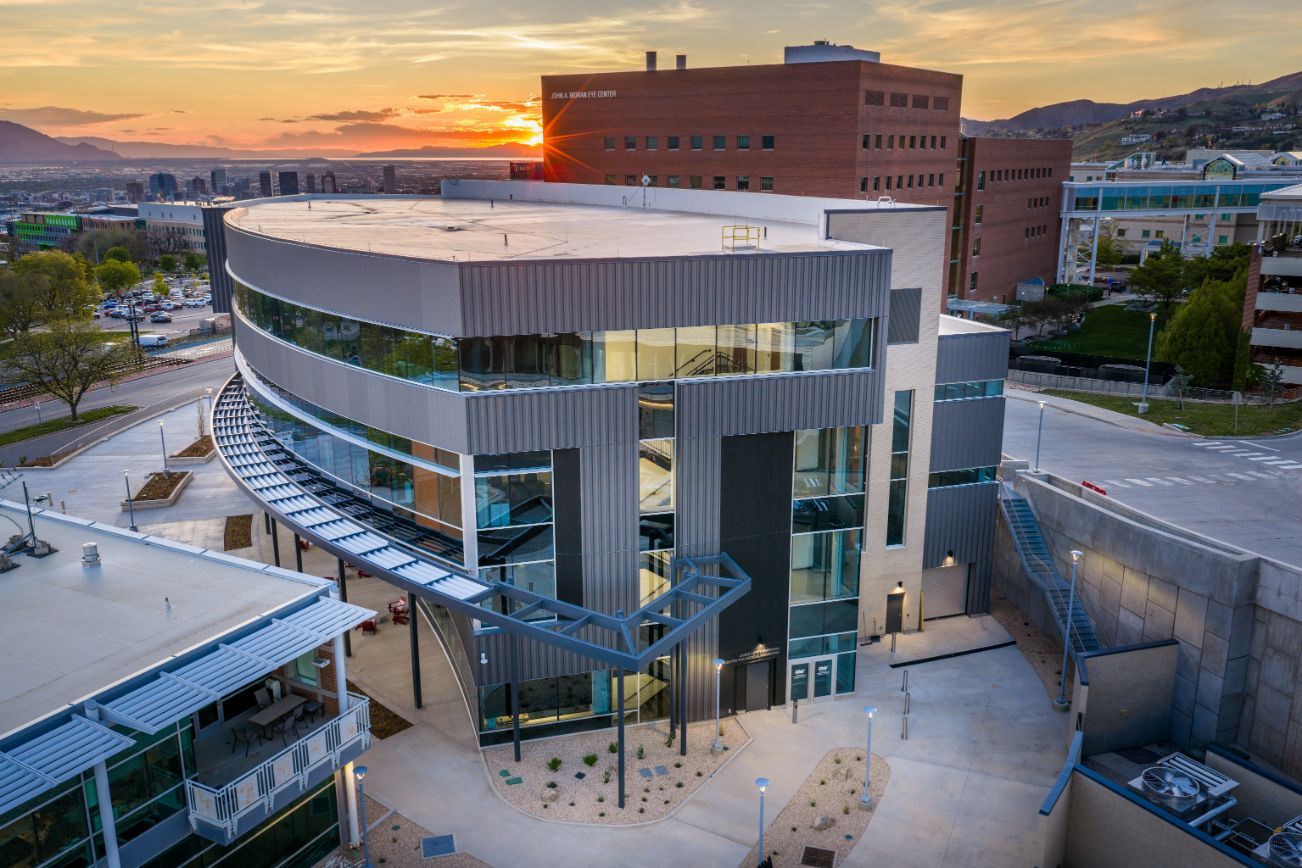
The University of Utah's James LeVoy Sorenson Center for Medical Innovation is redefining the journey from idea to patient care. By Bradley Fullmer
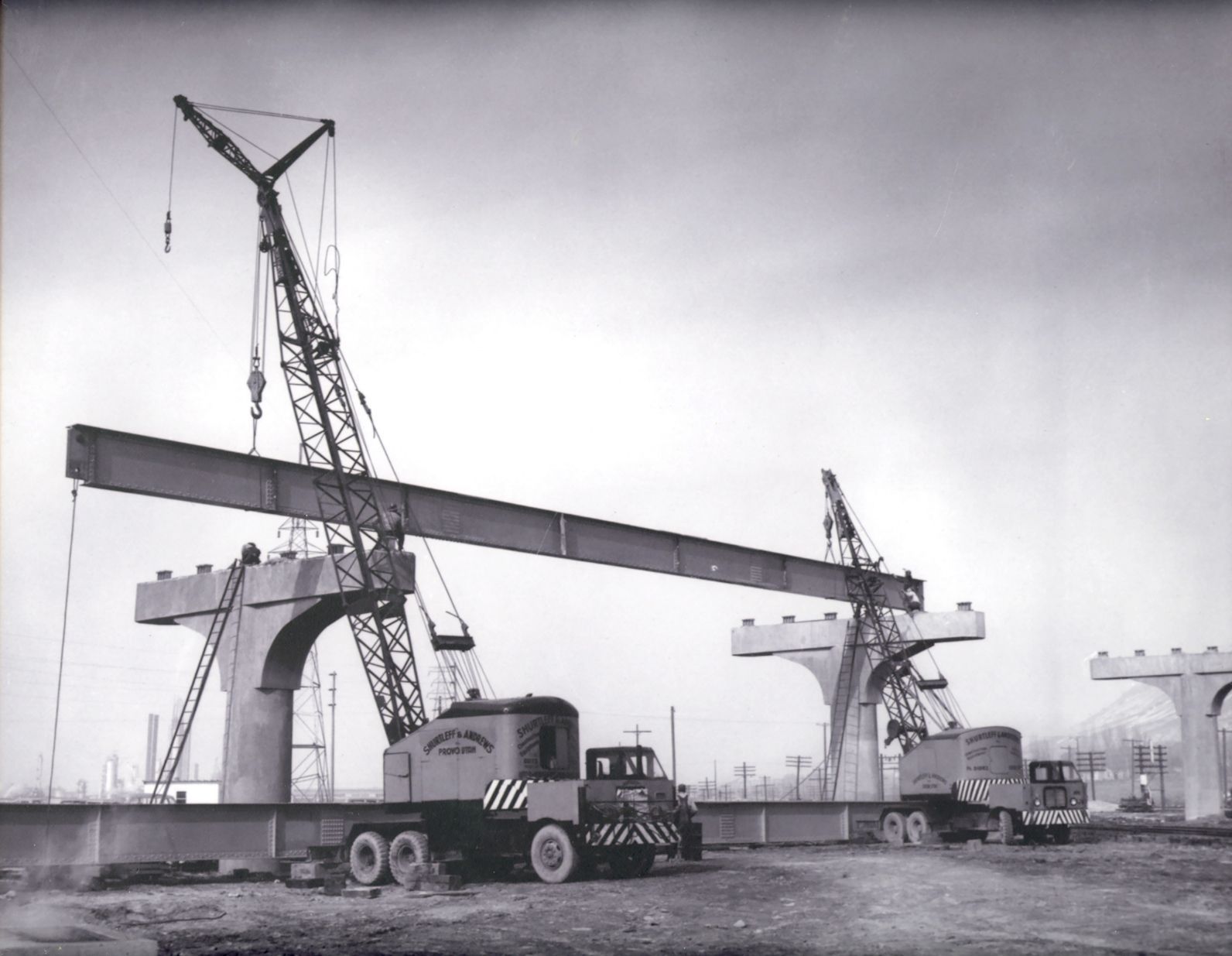
As Clyde Companies marks 100 years since the founding of W.W. Clyde & Co. in Springville, past and current leaders reflect on a legacy of excellence and a commitment to always embrace the unparalleled ethics and hard work instilled by those who came before. By Bradley Fullmer
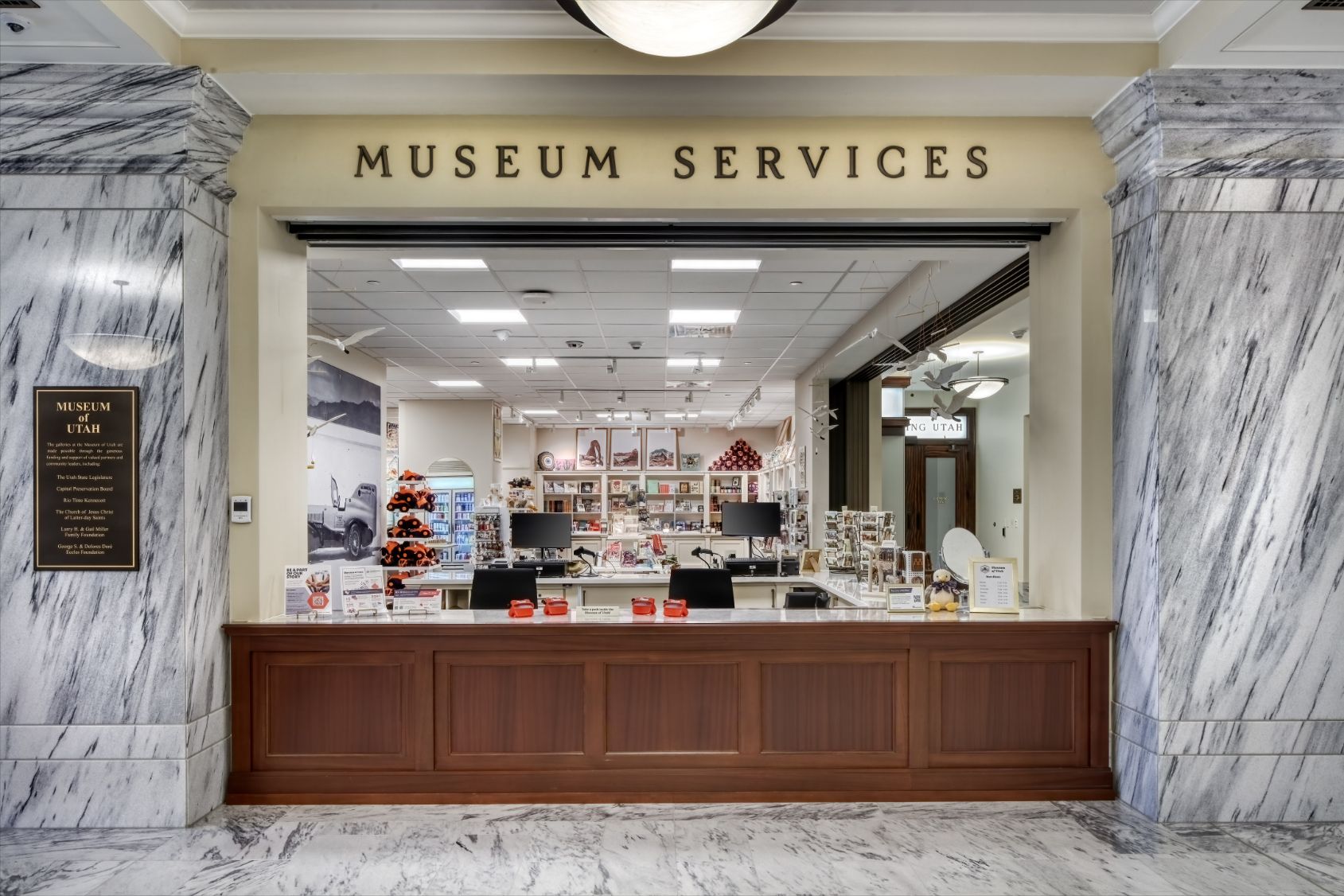
Utah’s first state history museum is a collaboration, coordination, and execution marvel befitting the Beehive State. By Taylor Larsen
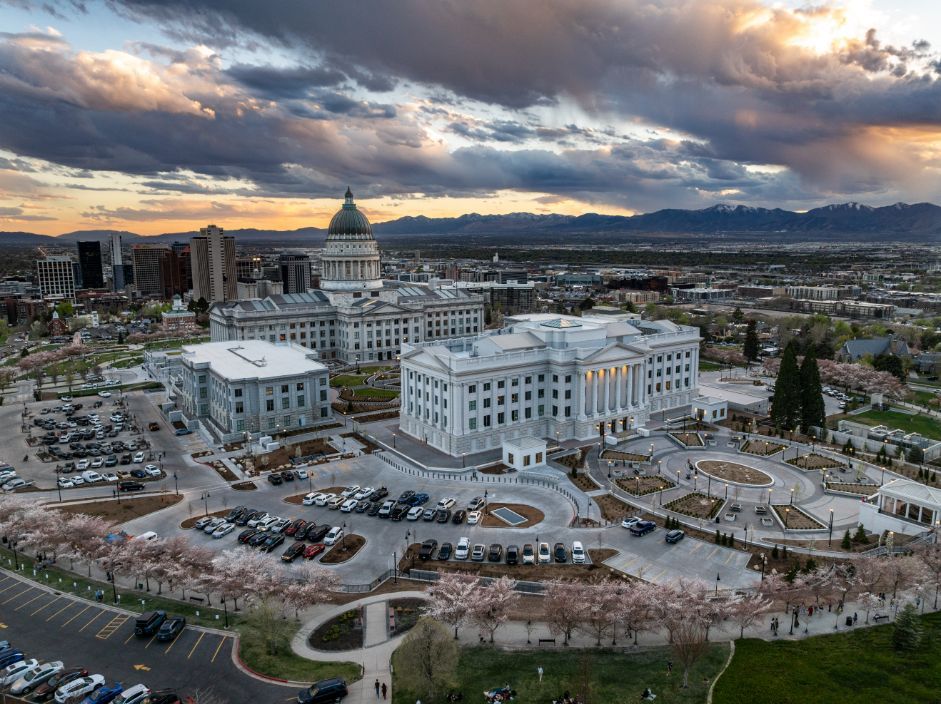
Capitol Hill’s master plan is complete, and the new North Capitol Building delivers classical architectural splendor that rounds out the state government campus. By Taylor Larsen