








By Taylor Larsen
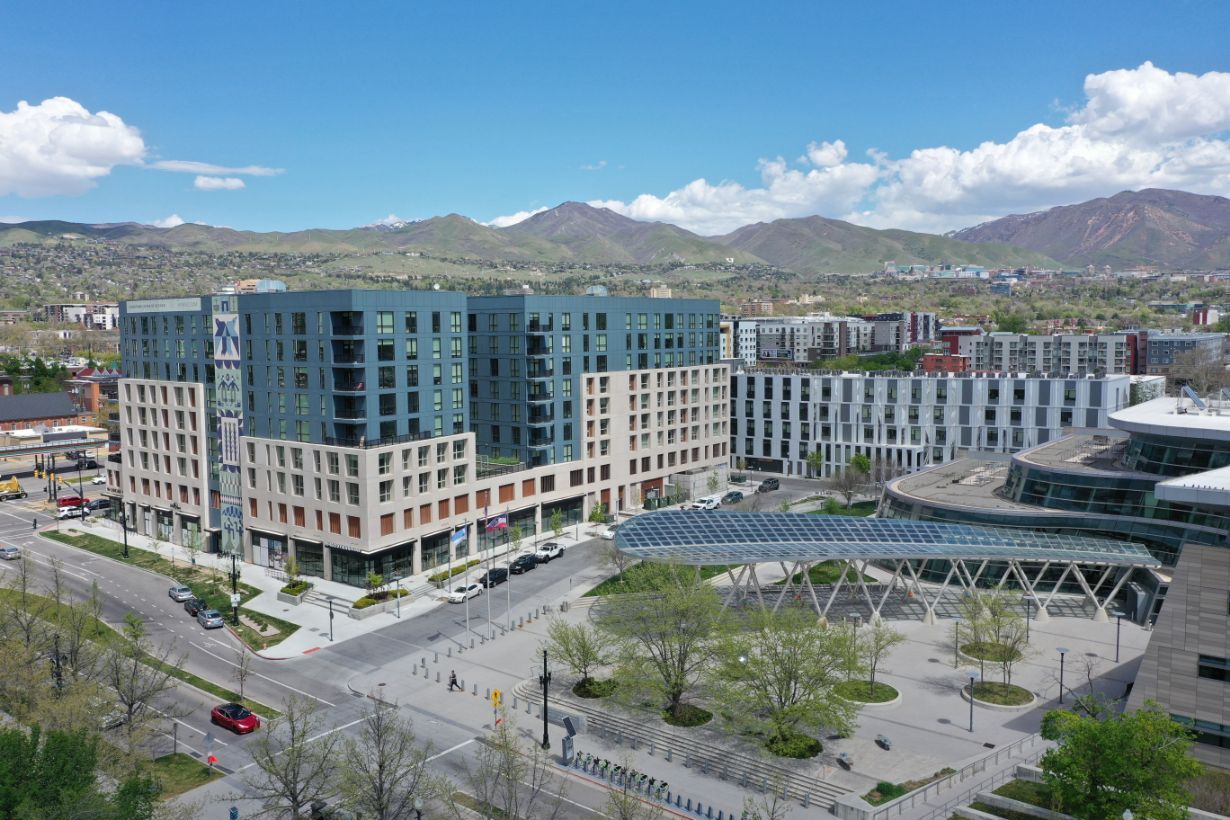
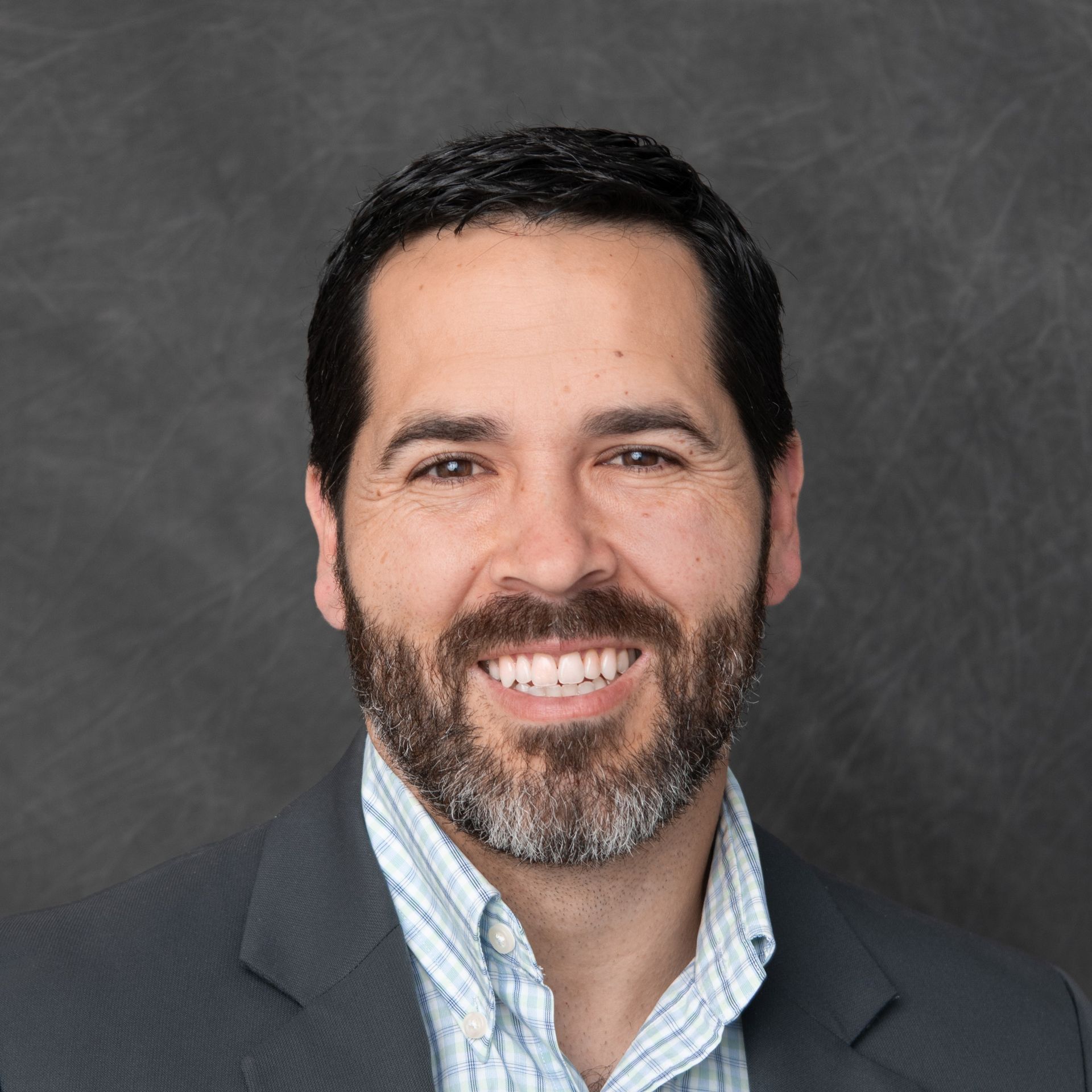
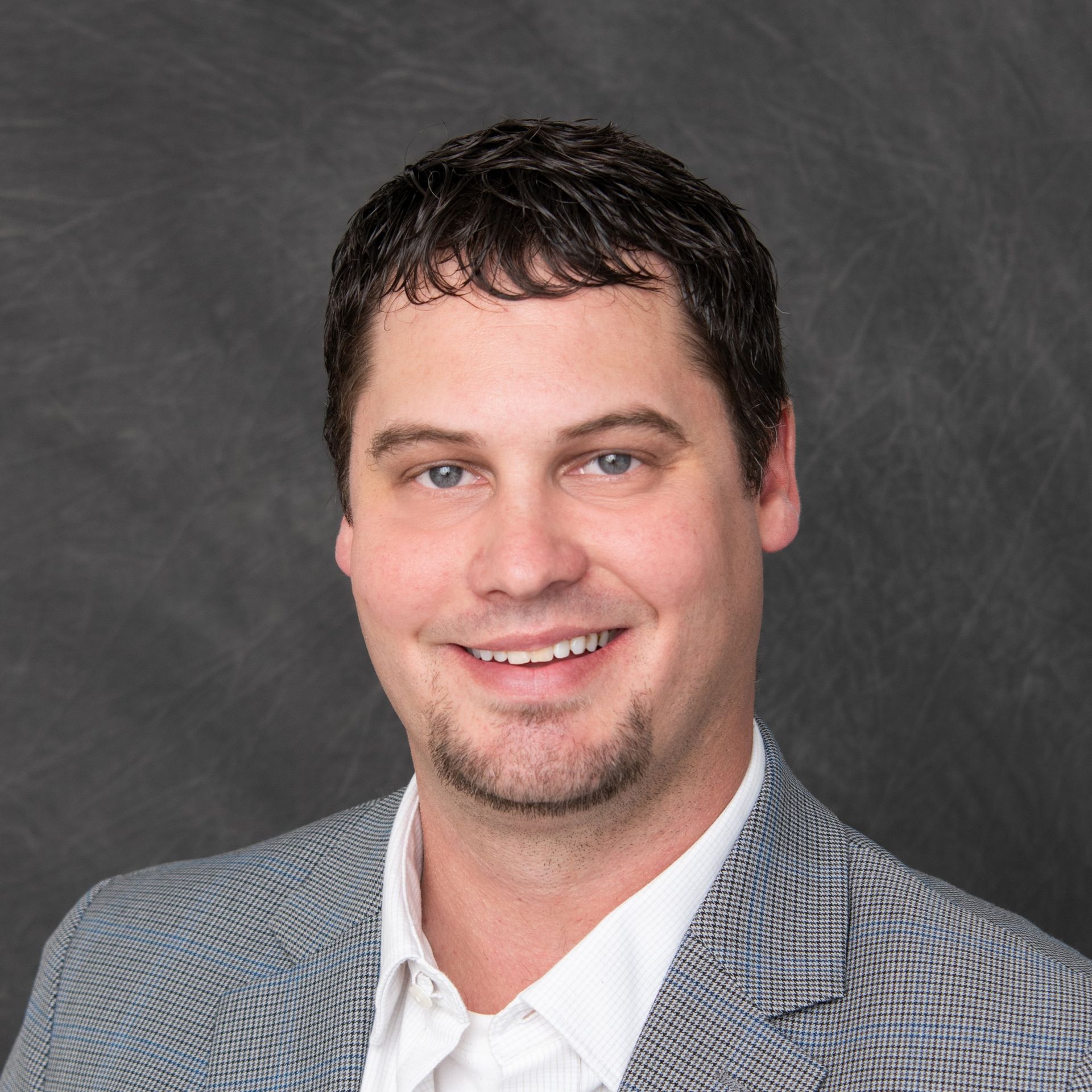
As Alex Karras speaks about his career, he jokes about designing the downtown apartments that would replace Calder Richards' previous office.
"It was like designing our own coffin," he said, pointing out that the firm is very much alive in their lovely new Salt Lake office.
Offices changed; titles, too. Karras became Principal and Partner earlier this year, gaining a new appreciation for those who led the firm before him while changing how he views the entire project pipeline.
"I think about projects differently; I think about every interaction differently," he said of another change since becoming a fellow Calder Richards principal—the buck now stops with him.
"Ownership was something I always wanted to aspire to, but it was a little daunting—I've got skin in the game," he said. "When the design goes out, my name is on it."
But he's excited for what that future brings.
"I looked around to who I would be sharing that risk with—you work here long enough and you know where the motivation lies and what the common goal is," he said. "And looking over the team when new partners will be brought in—I wanted to be part of it."
But before he literally bought into Calder Richards, he grew up in Harrisville in Weber County, eventually attending Utah State University and working for a small engineering firm in Brigham City. After graduation (B.S '15, MEng '16), a friend recommended he apply to Calder Richards to challenge Karras to work on bigger projects.
What's kept him here since joining in 2016?
"There's no ceiling at Calder Richards. It allows employees to stretch themselves," he said. Whether embracing new techniques or new understanding, "it makes you feel fulfilled."
So much has changed from his early days as a new engineer—AI and computing technology, for starters. Still, he credits his mentors for teaching him to "trust but verify" what technological tools can do by staying up to date on fundamentals and hand calculations. "If you don't understand the concepts, you will probably fly past an error that you couldn't recognize."
To do so, he's joined organizations like the Earthquake Engineering Research Institute (EERI) and the Structural Engineering Association of Utah (SEAU). He's attended EERI events and conferences since joining the organization in 2019, gaining access to the latest research on innovative, resilient seismic design, and even attending a field training on earthquake reconnaissance in Seattle last year.
SEAU has also helped him stay at the cutting edge of his profession, as well as being part of a great community of engineers. He credited the organization for covering the basic and the niche.
"SEAU is doing well and I've enjoyed being part of that," he said. "I've gone to the educational conference every year since I was a student."
He said that any chance to gain more knowledge is worth taking, advising fellow engineers, "Stay thirsty for knowledge, jump on every learning opportunity, every webinar you can, because it will serve you in the long run."
Following his own advice and working toward his goals put him in a position to structurally design The Residences at the Tower, a part of the Talisker Club in Deer Valley.
"I grew to enjoy concrete design and what you could do with it," he said, crediting the project team for creating great memories as they collaborated on post-tensioned concrete decks and concrete shear walls.
Karras beamed about Hillcrest High School and the opportunity to work with the architectural team on the structural engineering of the four-story classroom wing. The school's steel structure, reinforced masonry, and an amazing auditorium with a column-free, cantilevered balcony provided opportunities to flex the breadth and depth of his engineering chops.
Karras said these and many other moments have given him a deep appreciation for contractors, an appreciation that began when he framed houses after returning to Utah from a religious service mission in Brazil in 2010.
"It was so hard," he laughed. "Whether it's the dead of winter or the middle of summer, you're hauling lumber, and you're up high."
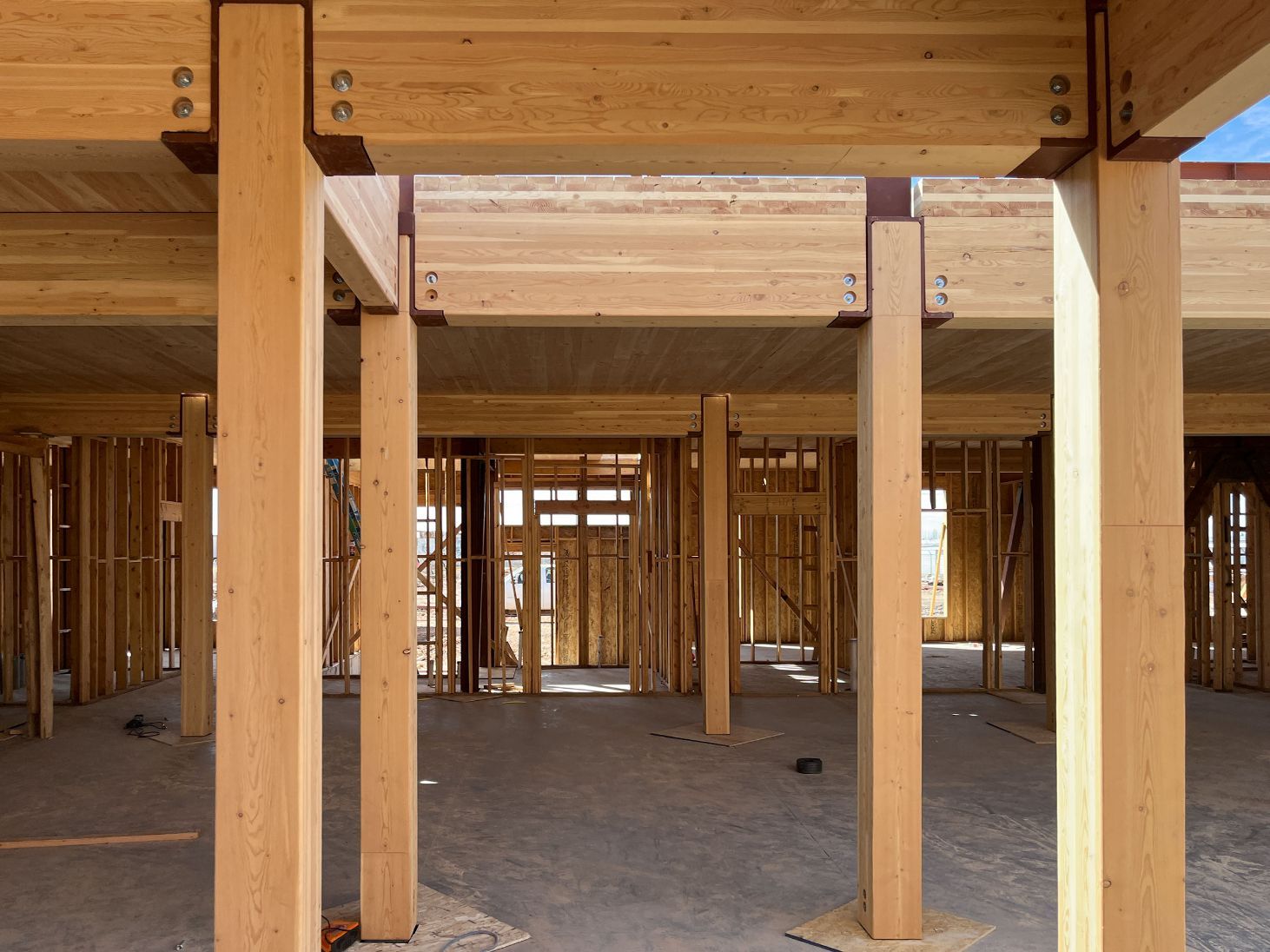
Being in the field made him realize, "This is serious work, "he said. "To this day, it's informed how I detail plans for wood structures."
He's welded, too, after completing a welding class at the local trade school.
"I was completely ignorant," Karras said—he didn't even know what welding equipment looked like. "But that class informed how I call out welds because I know what welders can do and what angles and positions are impossible to complete."
He joked that it's part of his trade secret.
"Having that understanding of what it takes better informs design and creates a more efficient design."
Karras wants to lay masonry block next, revealing the other part of his trade secret: his role in bringing good design to the table means physically meeting builders in the field and getting their input.
"I always like to quiz the different trades on how we did—'What was hard about building what we designed?'" Karras said. After all, "They know what is and isn't working."
In the industry, "there's a separation between designer and general contractor, and there's a bigger one between designer and subcontractor," he said. "And going out to the job site and asking them [these questions] bridges that just a little bit."
Karras has received a few curious glances and plenty of critiques and suggestions from those he's asked, which is fine by him.
"The more we learn, the better service we can provide."